
Film
Take the Money and Run
Woody Allen's debut feature follows a hapless, bumbling criminal whose complete inability to execute any plan creates comedy from sheer desperation and failure. Shot in a pseudo-documentary style with Allen as a charmingly inept crook, it's anarchic, absurdist, and wildly inventive—perfect for anyone who loves comedy that prizes laughs over logic or heartwarming redemption arcs.
If you liked this
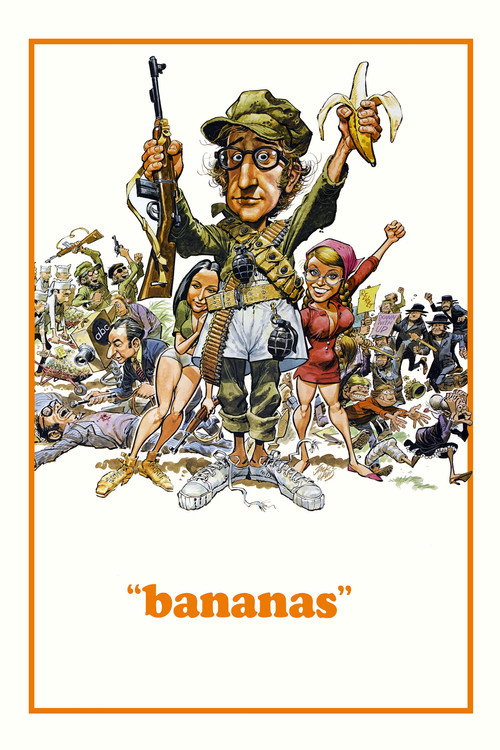
Bananas1971
Allen's follow-up doubles down on absurdist political comedy. Equally inventive in its gags, looser in its structure, and stuffed with the kind of surreal humor that makes no sense but feels exactly right.
But The satire about Latin American revolution hasn't aged smoothly, and some of the comedy feels more interested in being weird than in landing.
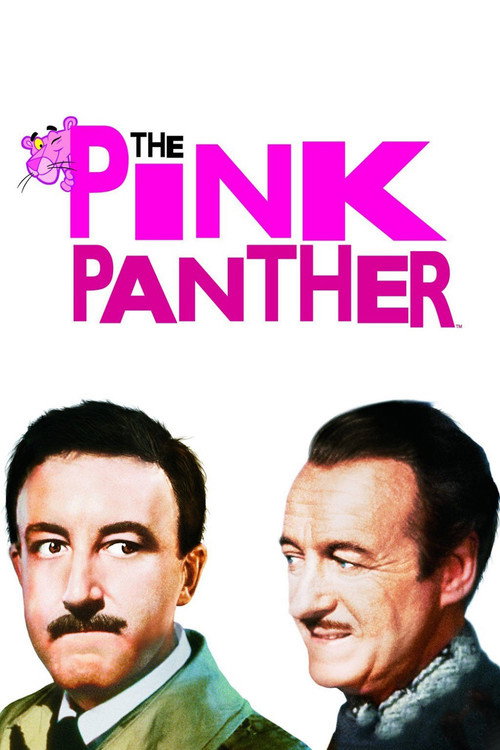
The Pink Panther1963
Peter Sellers as an incompetent inspector creates comedy through constant failure, much like Allen's criminal. Beautifully choreographed slapstick mixed with dry character humor—it's the template Allen borrows from and perfects.
But Depends heavily on slapstick timing that feels mannered by modern standards. If you don't buy Sellers' committed bumbling, the whole film collapses.
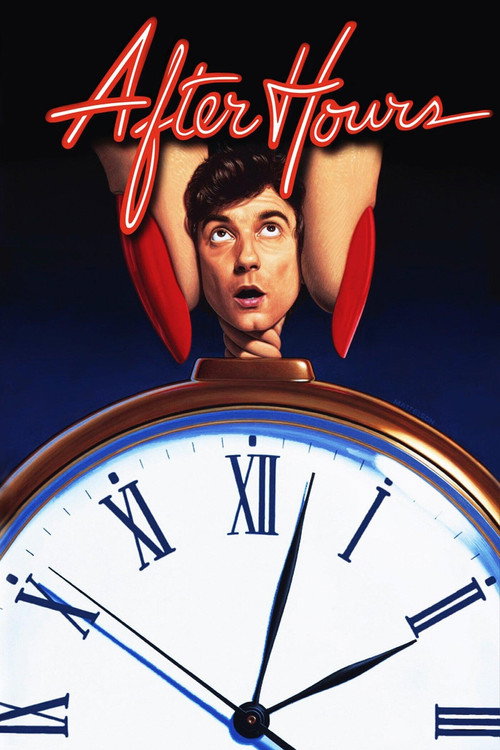
After Hours1985
Scorsese's comedy-thriller traps Griffin Dunne in an absurd, escalating nightmare where nothing goes right. Like Virgil, the protagonist cannot catch a break—but the tone swings between comedy and genuine dread brilliantly.
But The registered tone is much darker and more cynical than Allen's sweet failure. Might feel meaner than you're expecting from a recommendation off a comedy.
Not sure tonight? Get a pick in a minute, starting from Take the Money and Run
The wildcard
Something you would not have found on your own.
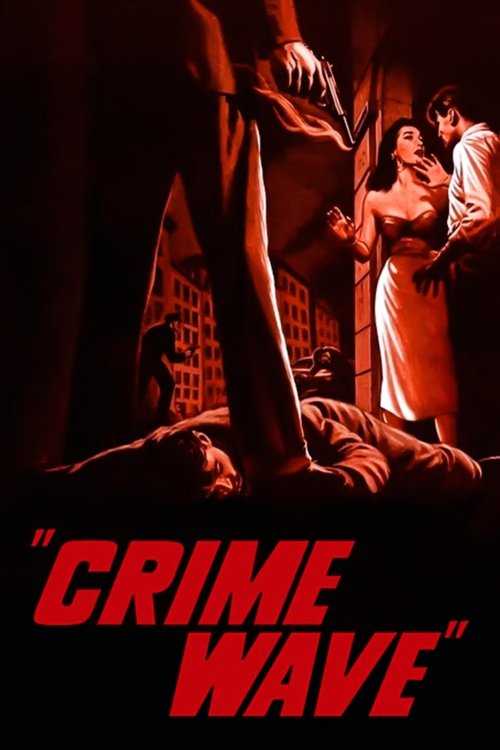
Crime Wave1953
Both feature petty criminals defined by their failure to execute, but Karlson's camera is relentless and damning where Allen's is affectionate—same character, inverted register.
Phil Karlson's film noir treats bumbling small-time crooks with actual menace and visual poetry. It's the film that proves the incompetent criminal wasn't Allen's invention—he just knew how to make it funny instead of terrifying.
But Black-and-white crime procedural with no comedy at all. The tonal whiplash from Take the Money and Run is severe; you're watching the tragic version of Virgil's world.
More like this (8)
Catch Me If You Can2002
Spielberg and DiCaprio make a con-artist film about charming incompetence masking deeper insecurity. It captures the same blend of admiration and gentle mockery for its protagonist's criminal ambitions.
But It's genuinely sentimental underneath the con-job plotting, which works but takes the film into territory Allen never enters.

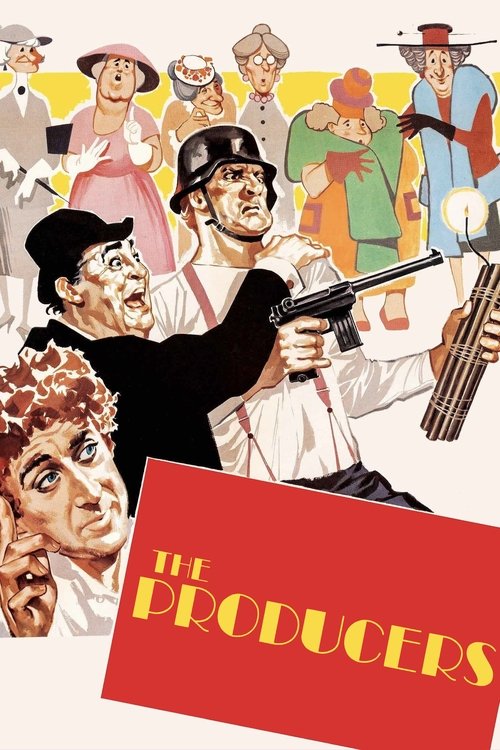
The Producers1968
Mel Brooks' debut is anarchic, absurdist comedy about criminals in way over their heads. Zero Mostel and Gene Wilder are magnetic chaos—the DNA Allen inherited runs through this too.
But The humor is broader and cruder, the pacing more theatrical. If you want Allen's intellectual skewering, this wears its silliness on its sleeve.
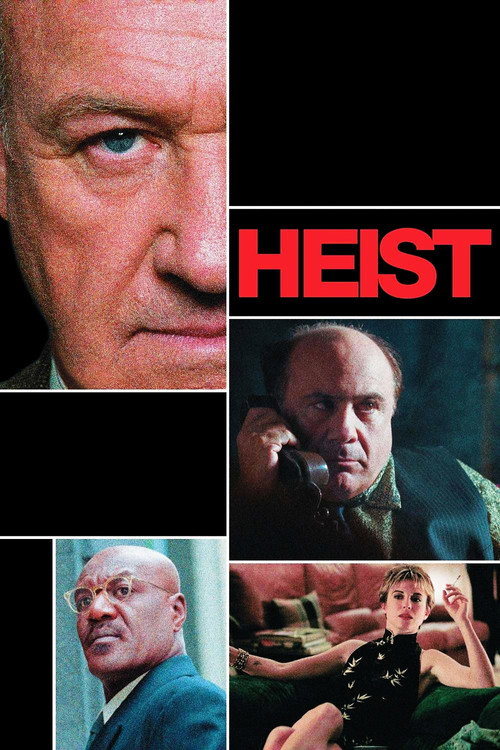
Heist2001
David Mamet's precise crime caper uses smart dialogue and tightly wound plotting where nothing is as it seems. Opposite of Allen's bumbling, but the same pleasure in watching a criminal world operate by its own logic.
But It's entirely serious, sometimes to the point of coldness. There's no warmth here, just machinery clicking into place. Completely different emotional register.
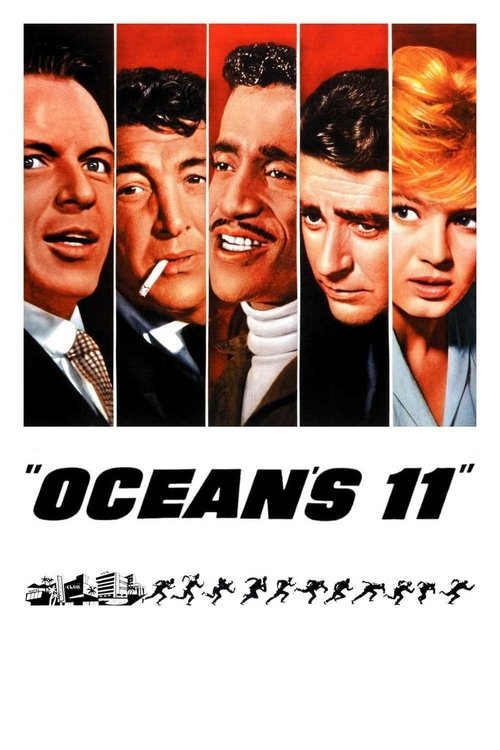
Ocean's Eleven1960
The original Rat Pack version is breezy, stylish, and treats pulling off a heist like having a martini. It shares Allen's sense that crime is often fun first, consequences second.
But The plot is paper-thin and dated. It's only 116 minutes of charm—if charm isn't your thing, you've got nothing to hold onto.
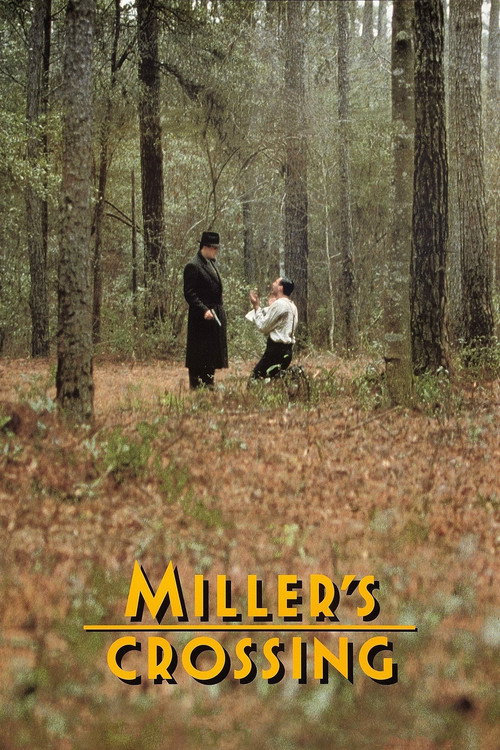
Miller's Crossing1990
Coen Brothers' prohibition gangster film is darkly comic, beautifully composed, and deeply concerned with honor among thieves and the performative nature of being tough. Criminal incompetence isn't the point, but the ritualized absurdity is.
But The dialogue is dense and stylized, the plot requires attention, and the comedy comes from subverting expectations rather than pratfalls. It demands work.
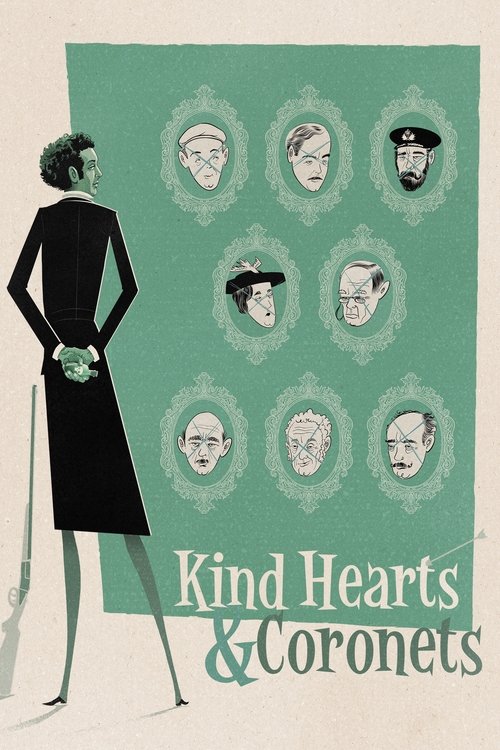
Kind Hearts and Coronets1949
Ealing's masterstroke: one actor (Alec Guinness) playing eight relatives in a murder succession plot. British, precise, and darkly funny about criminals who think they're smarter than they are.
But British reserve and mannered acting feel distant now. The humor is cerebral without being hilarious—you admire it more than you laugh.
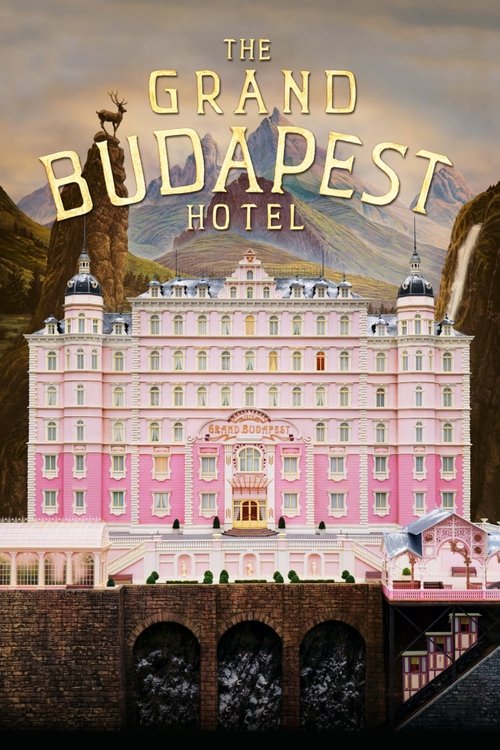
The Grand Budapest Hotel2014
Both use crime plots as frameworks for exploring how people cope with failure and how charm functions as armor. Anderson visualizes it, Allen improvises it—same emotional truth in different languages.
Wes Anderson's caper is Allen's DNA passed through a completely different sensibility: precise, pastel, deeply concerned with the beauty of failure and the ritual of criminal incompetence. Every frame is composed like a painting; every joke is architectural.
But Anderson's style can feel hermetically sealed and precious—so controlled it becomes mannered. If you want loose, improvisational comedy, this is geometry, not jazz.
Contempt1963
Both use incompetence and failure as their central emotional fuel, but where Allen finds comedy in it, Godard finds tragedy. Same thematic core, opposite emotional temperature—Allen's bumbler versus Godard's compromised artist.
Godard's film-within-a-film stars Michel Piccoli as a screenwriter paid to wreck a film for producers. It's about creative failure and compromise, shot with explosive color and melancholy. Completely different beast—European, serious, modernist—but wrestling with the same question: how do you survive when your work is falling apart?
But It's a 1960s French arthouse film about marriage collapse and cinema. If you want narrative momentum or laughs, you've come to the wrong place entirely. Demands patience and engagement with film theory.

People
Cast
 Woody AllenVirgil Starkwell
 Janet MargolinLouise
 Marcel HillaireFritz
 Jacquelyn HydeMiss Blair
 Lonny ChapmanJake - Convict
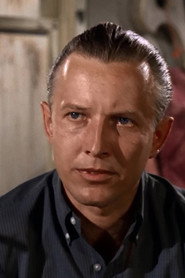 Jan MerlinAl - Bank Robber
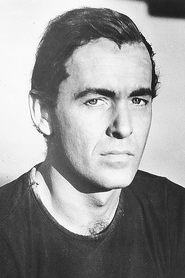 James AndersonChain Gang Warden
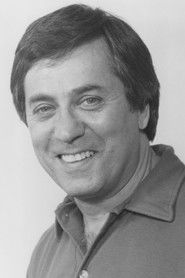 Howard StormFred
- Mark GordonVince
- Micil MurphyFrank
- Minnow MoskowitzJoe Agneta
- Nate JacobsonThe Judge
Directing
- Louis A. StrollerAssistant Director
- Woody AllenDirector
- Jeanetta L. HoyleScript Supervisor
Writing
- Mickey RoseScreenplay
- Woody AllenScreenplay
Production
- Marvin PaigeCasting
- Edgar J. ScherickExecutive Producer
- Sidney GlazierExecutive Producer
- Fouad SaidLocation Manager
- Charles H. JoffeProducer
- Jack RollinsProducer
- Fred T. GalloUnit Manager
- Jack GrossbergUnit Production Manager