
Film
I Love You, Daddy
Louis C.K.'s directorial debut is a black-and-white indie comedy about parental anxiety, artistic obsession, and the unbridgeable gap between how fathers see their daughters and who those daughters actually are. It's deliberately ugly, aggressively New York, shot in grainy 35mm, and asks uncomfortable questions about control disguised as love. For people who appreciate discomfort in their comedy.
Should you watch it?
Watch it if you like talky, black-and-white comedies about self-absorbed people who keep making things worse, and you don't need the film to take a side.
Skip it if you will struggle with a film that plays a grown man's sexual pursuit of a young woman for laughs, especially knowing the allegations later made against its writer-director.
What it asks of you: Just over two hours of mostly talk, slow to settle, with the comedy sitting uneasily on top of a steady dread.
Not sure? Find tonight's pick in a minute.
If you liked this
Krisha2016
Ari Aster's debut is similarly claustrophobic and family-centered, using mundane domestic details to build dread. It questions whether love and harm are as separable as we'd like to believe, all in a single location.
But It's deliberately paced and often felt like a short film stretched thin. The resolution won't satisfy anyone looking for catharsis or answers.

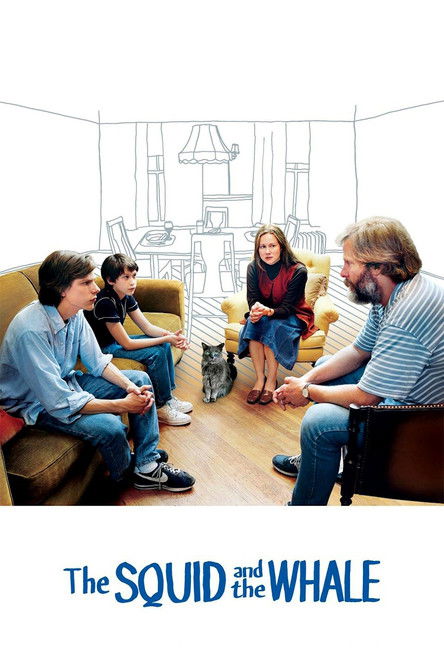
The Squid and the Whale2005
Noah Baumbach's semi-autobiographical film about a family imploding has the same acrid tone and focus on how parents' insecurities damage their children. It's funny and painful in equal measure, with no one to root for.
But It's aggressively East Coast intellectual and can feel self-indulgent. The father is insufferable by design, which some will find exhausting rather than illuminating.
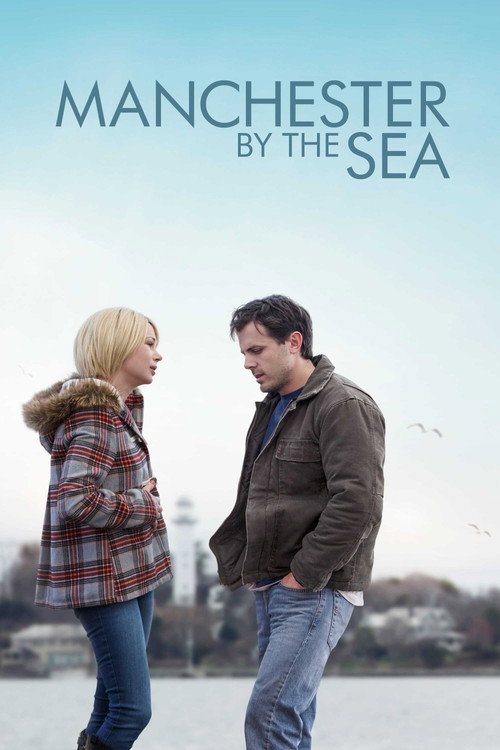
Manchester by the Sea2016
Kenneth Lonergan's film about grief and male paralysis shares C.K.'s interest in men who can't articulate their damage and the collateral hurt that creates. It's quieter but equally unsparing about how families wound each other.
But It moves slowly and deliberately avoids catharsis. If you need a film to resolve things, this will feel incomplete and punishing.
Not sure tonight? Get a pick in a minute, starting from I Love You, Daddy
The wildcard
Something you would not have found on your own.
Contempt1963
Both use formalist, arch distance to examine possession masquerading as love. Both are skeptical that looking at someone means understanding them.
Godard's film about a marriage collapsing is a formal masterpiece about how observation itself is a form of control and betrayal. Like C.K.'s film, it uses black-and-white and medium itself as thematic material. It's about the distance between what we see and what we know.
But It's glacially paced, almost plotless, and many will find it pretentious or dull. The 1960s French New Wave style dates it; you're watching cinema history, not entertainment.

More like this (8)
Synecdoche, New York2008
Charlie Kaufman's film about an artist whose relationship with his daughter is mediated entirely through his work obsession. Like this film, it uses formal choices—here, collapsing scale and fiction—to express psychological states most movies can't touch.
But It's genuinely difficult to follow and can feel pretentious. The narrative deliberately refuses clarity, which will frustrate viewers wanting a plot.

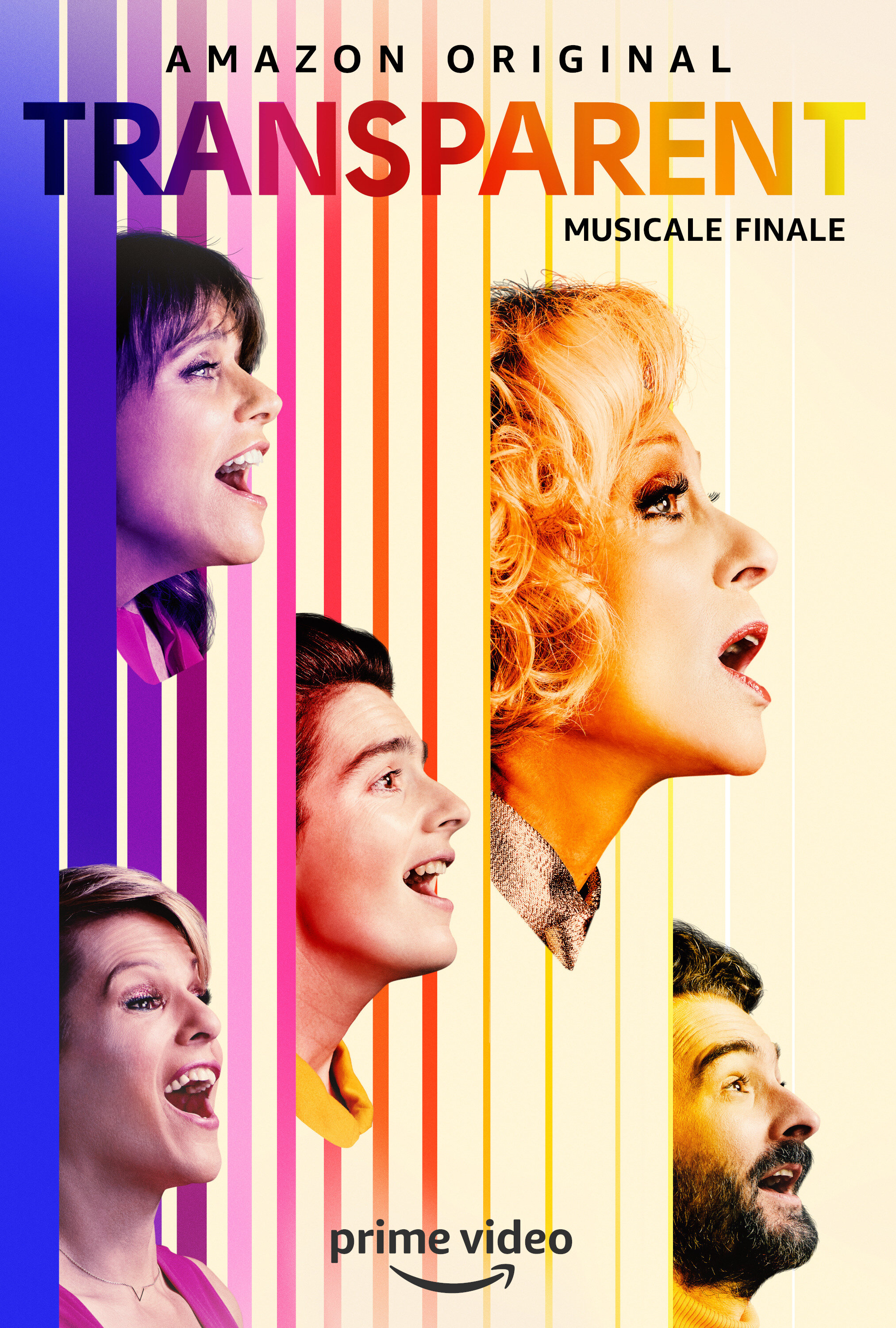
Transparent2014
Jill Soloway's series about family rupture when a parent transitions uses similarly uncomfortable family dynamics and long scenes of people failing to communicate. It trusts the viewer to sit with unbearable situations.
But It's often depressing and the family members are rarely likeable. Some seasons feel more indulgent than others, and it ended abruptly with a feature film.
The Farewell2019
Lulu Wang's film about a daughter caught between her family's wishes and her own judgment shares the central tension: when does parental authority become parental control? It's warm where this film is cold, but equally smart about generational conflict.
But It's less formally adventurous and more conventionally moving than you might want if you loved this film's brittleness.

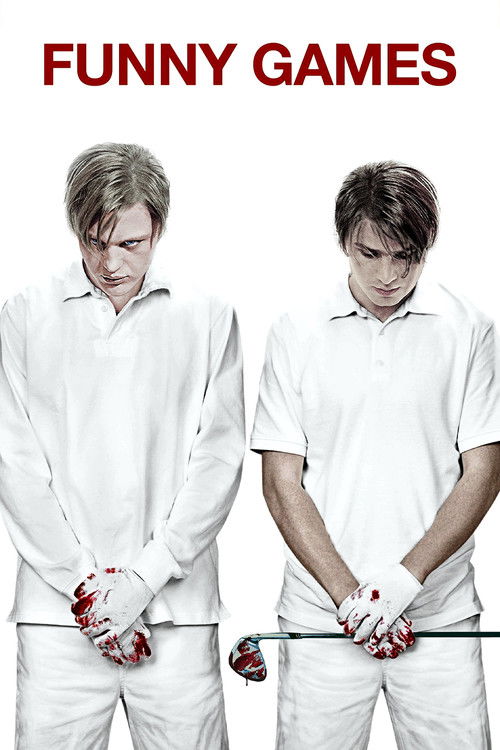
Funny Games2008
Michael Haneke's film uses formalist precision to make the audience complicit in violence and entertainment. Like C.K.'s film, it's uncomfortable about its own existence and refuses to let viewers off the hook for watching.
But It's genuinely unpleasant and designed to be. The formal games can feel more important than the actual content, and many will find it pointlessly cruel.
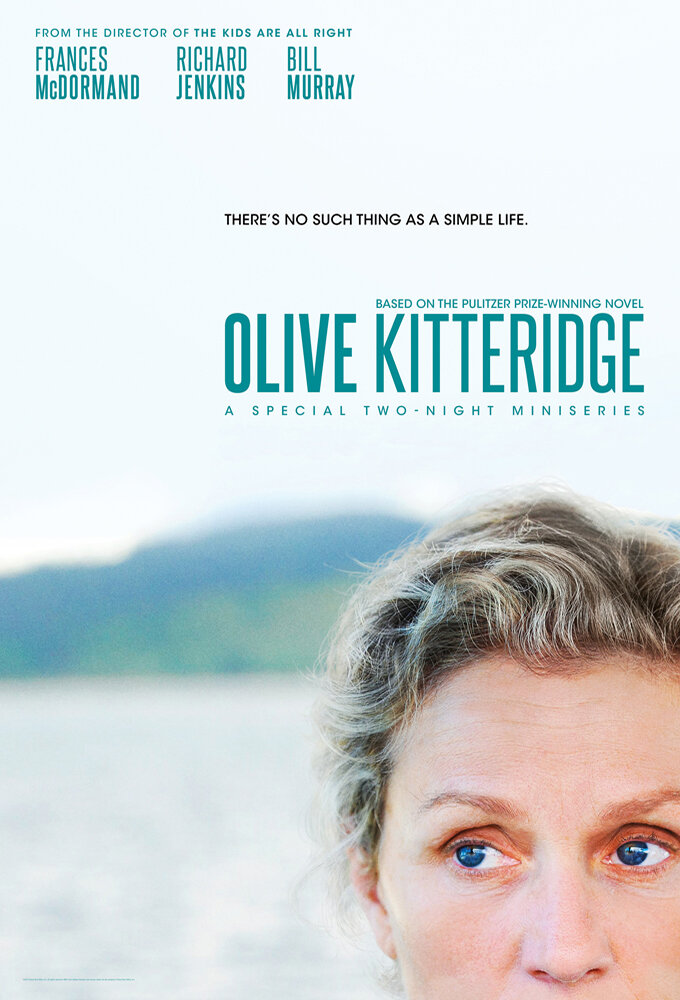
Olive Kitteridge2014
Frances McDormand's miniseries about aging and emotional stagnation has the same unflinching eye for how people hurt those closest to them. It's novelistic in scope but intimate in scale, with no narrative shortcuts.
But It's deliberately unglamorous and bleak. McDormand's character is often difficult to like, and the pacing is glacial by contemporary standards.
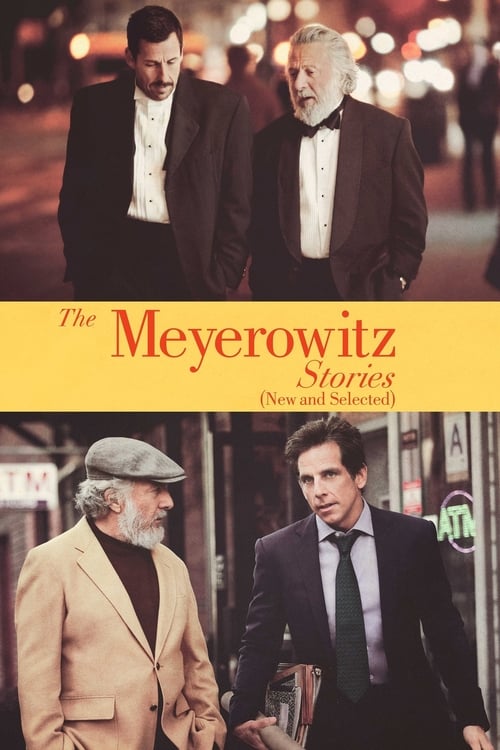
The Meyerowitz Stories (New and Selected)2017
Noah Baumbach returned the same year with another family reckoning, this time intergenerational. It's lighter than his earlier work but still interested in how ambition, failure, and parental expectations calcify into resentment.
But It can feel slight compared to his heavier work. Some sequences feel improvised to the point of meandering, and the emotional payoff is modest.
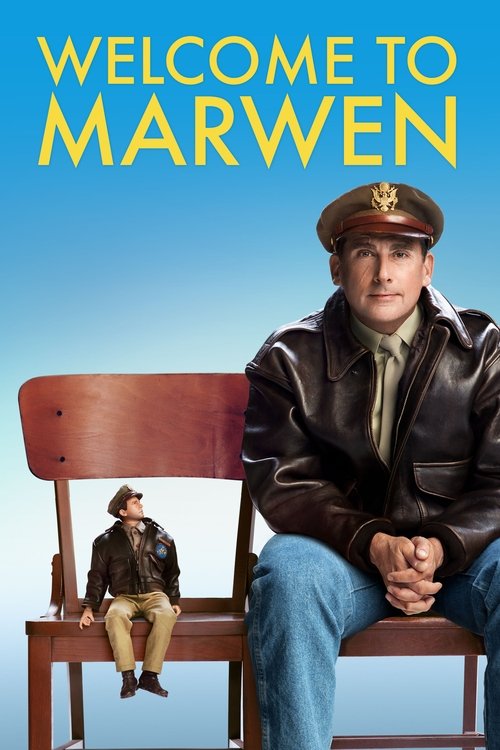
Welcome to Marwen2018
Both films use formal artifice to suggest that reality is something we construct to feel safe. Both feature artists whose creative vision is inseparable from their dysfunction.
Robert Zemeckis made an audacious, deeply weird film about a man who rebuilds his world through obsessive fantasy after trauma. It's formally inventive and unafraid of its protagonist's delusion. The collision of live-action and stop-motion mirrors the collision of reality and fantasy.
But It's visually overwhelming and narratively messy. Many reviewers found it exploitative and confused about what it was saying. It's tonally all over the place.
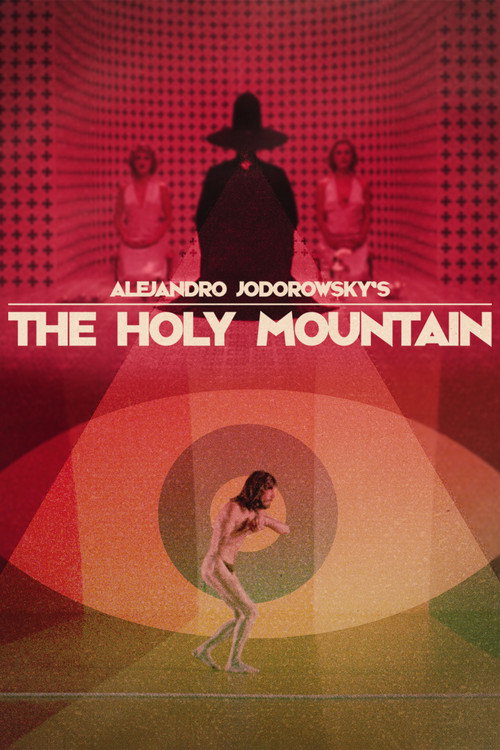
The Holy Mountain1973
Both use black-and-white (or monochromatic) cinematography as spiritual language. Both treat the viewer's discomfort as part of the work's content rather than a bug.
Jodorowsky's surrealist nightmare is formally unhinged in ways that make experimental cinema seem conservative. It's visually overwhelming, deeply weird, and genuinely about spiritual and psychological transformation. It has nothing to do with plot or character in conventional ways.
But It's deliberately difficult, often grotesque, and makes no concessions to clarity. It was banned in several countries. Many will find it unwatchable or self-indulgent nonsense.
People
Cast
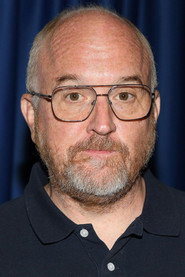 Louis C.K.Glen Topher
 Chloë Grace MoretzChina Topher
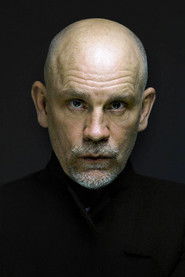 John MalkovichLeslie Goodwin
 Rose ByrneGrace Cullen
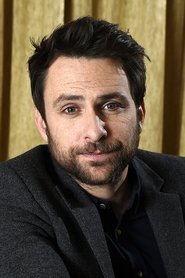 Charlie DayRalph Kinder
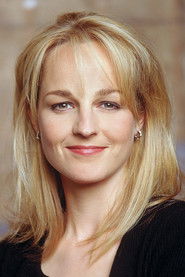 Helen HuntAura Topher
 Edie FalcoPaula
 Pamela AdlonMaggie
 Ebonée NoelZasha
 Albert BrooksDick Welker (voice)
- Dan PuckRaymond Ross
Directing
- Louis C.K.Director
- Adam EscottFirst Assistant Director
- Jeremy MohlerSecond Assistant Director
- Nick VanderpoolSecond Assistant Director
Writing
- Louis C.K.Story
- Vernon ChatmanStory
- Louis C.K.Writer
Production
- Kelsie KileyAssociate Producer
- Gayle KellerCasting
- Tony HernandezExecutive Producer
- Dave BeckyProducer
- John SkidmoreProducer
- Louis C.K.Producer
- Ryan CunninghamProducer
- Vernon ChatmanProducer