
Film
Nénette
- Slow-burning
Nénette is a seventy-minute portrait of an aging orangutan in the Jardin des Plantes in Paris, filmed almost entirely from her perspective. The film is patient, meditative, and occasionally wry—it watches her move through her day, her moods, her small rebellions against captivity. For anyone drawn to animal documentaries that refuse easy sentiment, or to cinema that trusts silence and observation.
Should you watch it?
Watch it if you are drawn to quiet observational films that let a single animal's ordinary day unfold, and you find yourself wondering what the watcher is seeing.
Skip it if you want a story with plot, momentum or a clear arc; this is mostly waiting, looking and small gestures, and the zoo's glass and crowd noise can feel like homework.
What it asks of you: Seventy minutes of mostly still camera, long unhurried takes, and the patience to hear visitors' chatter drifting in while the ape barely moves.
Not sure? Find tonight's pick in a minute.
If you liked this
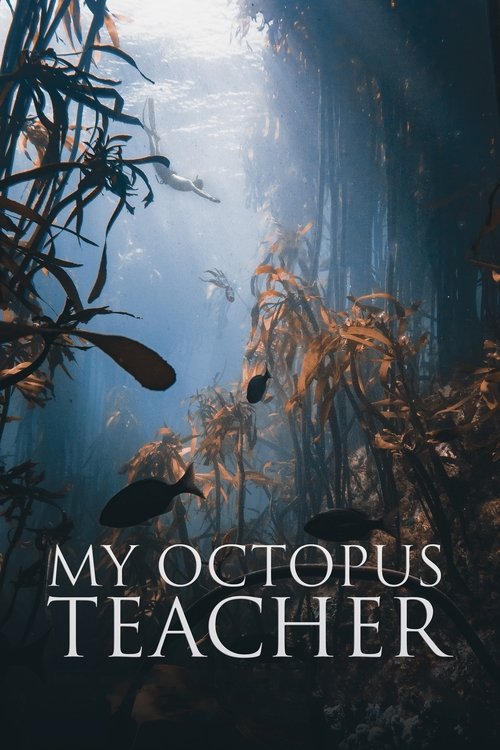
My Octopus Teacher2020
A filmmaker develops a relationship with an octopus over a year-long dive series. Like Nénette, it's a slow immersion in another being's consciousness, intimate and unhurried, with philosophical depth wrapped in natural observation.
But The emotional arc is quite familiar once you know the premise. Some viewers find the human element overshadows the animal in ways that feel slightly precious.
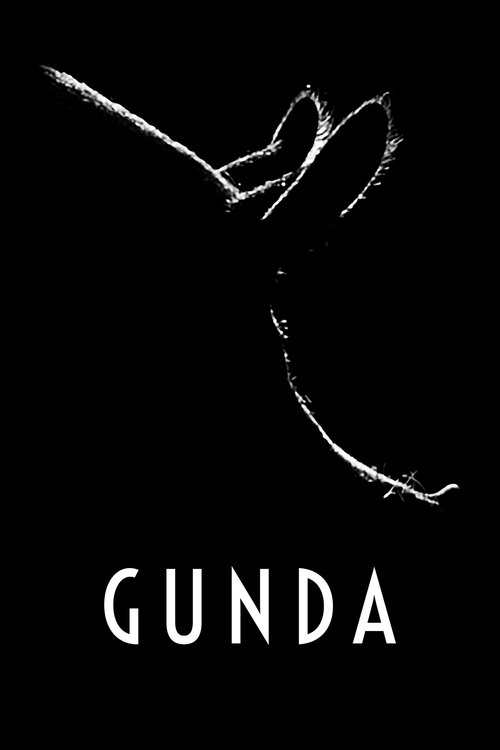
Gunda2021
A portrait of a pig and her piglets, shot in black and white with no narration or music. It matches Nénette's austere formal approach and its refusal to sentimentalise. Pure cinema, pure presence.
But Seventy minutes of pigs moving through mud. If you need plot or explanation, you will be frustrated. It's radically, uncomfortably boring by design.
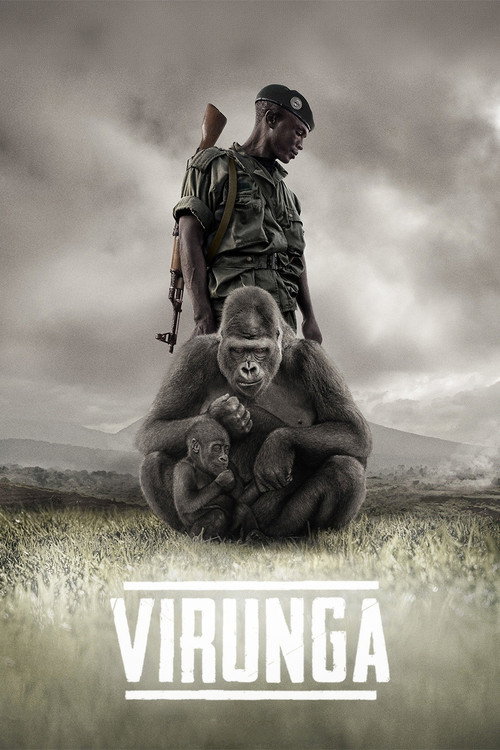
Virunga2014
Documentary about gorillas and the Congolese sanctuary protecting them. Shares Nénette's depth of focus on individual animals while expanding to conservation stakes. Visually gorgeous and genuinely suspenseful.
But The human conflict overshadows the animals in the second half. Becomes more conventional thriller than philosophical portrait.
Not sure tonight? Get a pick in a minute, starting from Nénette
The wildcard
Something you would not have found on your own.
Contempt1963
Both films are meditations on looking itself—the gap between what we see and what we understand. Godard captures the alienation of surveillance; Nénette turns it into philosophy.
Godard's masterwork about a marriage fracturing on a film set. Like Nénette, it's a study of presence and absence, observation and interpretation. Formally radical in how it frames its subject—we watch people the way Nénette watches us.
But Mid-1960s Godard: self-conscious, occasionally glacial, very French. The marriage drama plays second to the cinema-about-cinema concerns.

More like this (8)
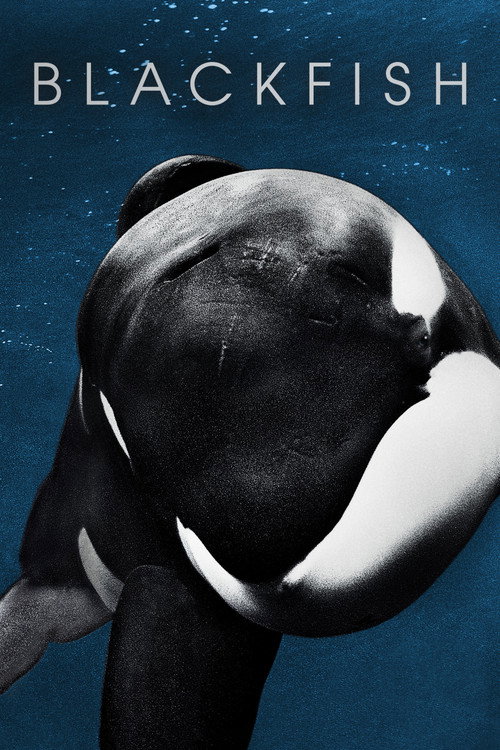
Blackfish2013
An interrogation of killer whales in captivity and the systems that exploit them. Shares the ethical weight of Nénette without the formal restraint—more urgent, more angry.
But It's an argument, not an observation. Some research has been disputed. It can feel like advocacy journalism rather than balanced documentary.
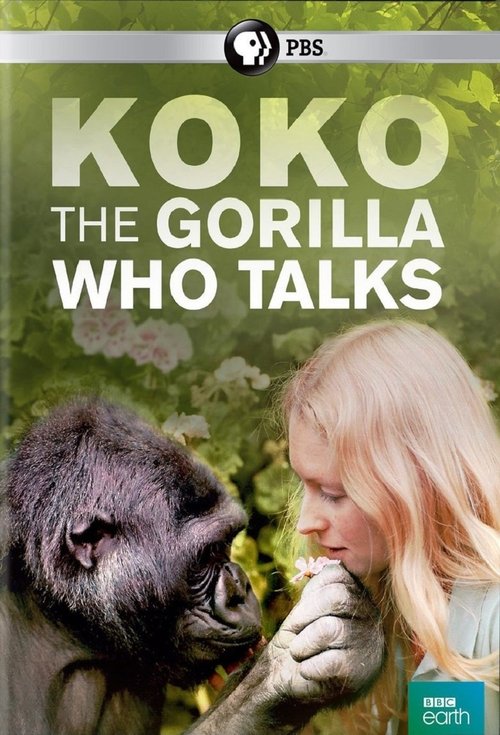
Koko: The Gorilla Who Talks to People2016
Early documentary on Koko and Dr. Penny Patterson's sign language research. Raw archival material with genuine intimacy between subject and filmmaker. A historical ancestor to contemporary animal portraits.
But Dated in approach and ethics. The film itself now raises questions about the treatment of Koko that viewers might find uncomfortable.
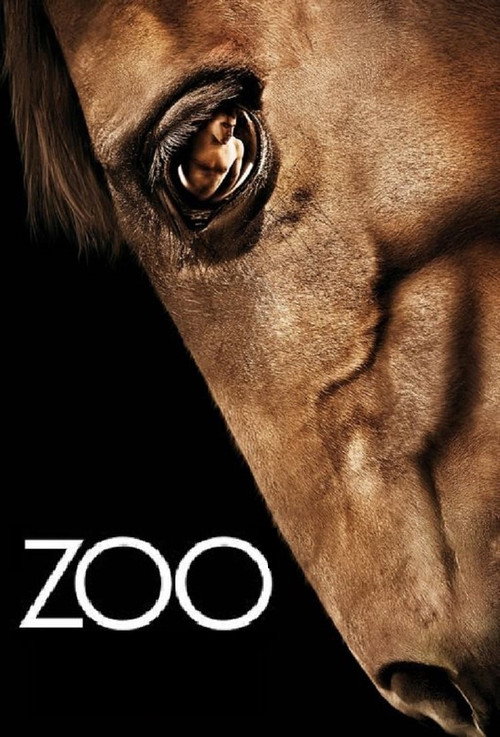
Zoo2007
Errol Morris investigates a small-town zoological mystery with his usual forensic curiosity. Oblique and genre-bending; shares Nénette's attention to the animal's inner life.
But It's really about human obsession, not the animal. The true subject matter may trouble you deeply.
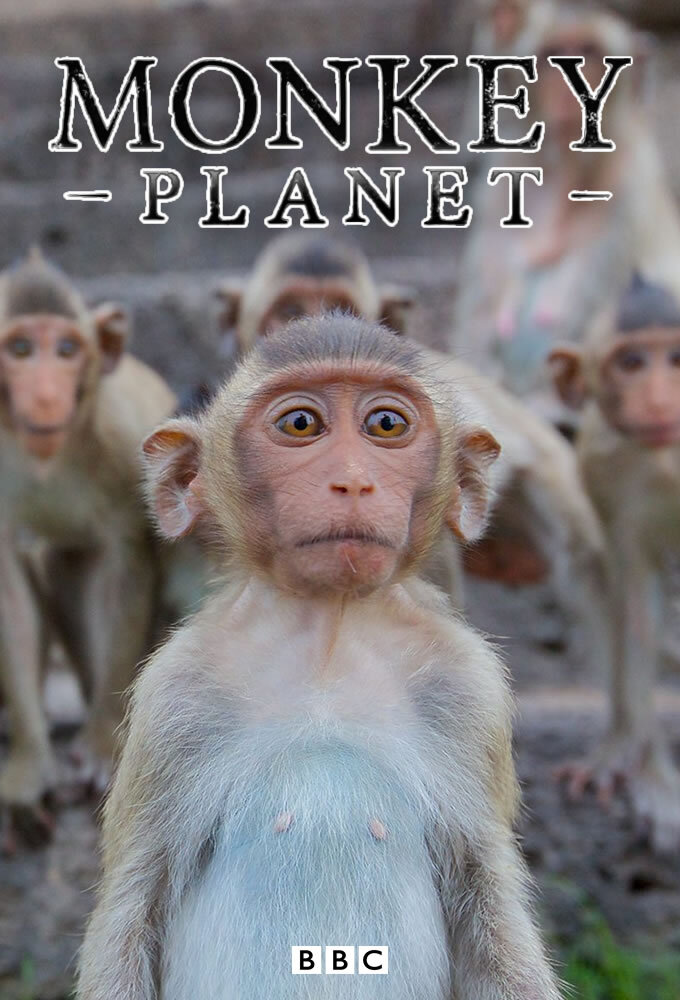
Monkey Planet2014
BBC natural history series that observes primates in the wild across diverse habitats. Gorgeous cinematography and genuine behavioral insight without heavy narration getting in the way.
But It's more conventional nature documentary. Less formally adventurous than Nénette, more comfortable with familiar storytelling.
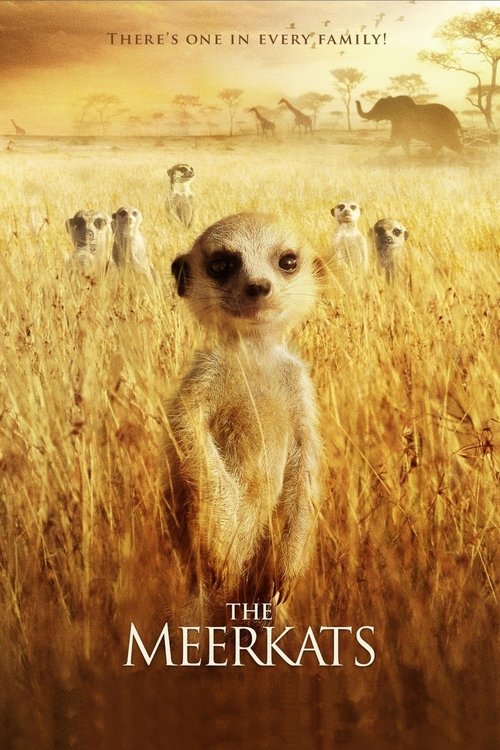
The Meerkats2008
A meerkat colony portrait filmed over a year. Intimate, warm, and playful without being saccharine. Good entry point if Nénette feels too austere.
But Narratively structured in ways Nénette resists. It's trying to entertain as well as observe, which some find dilutes the effect.
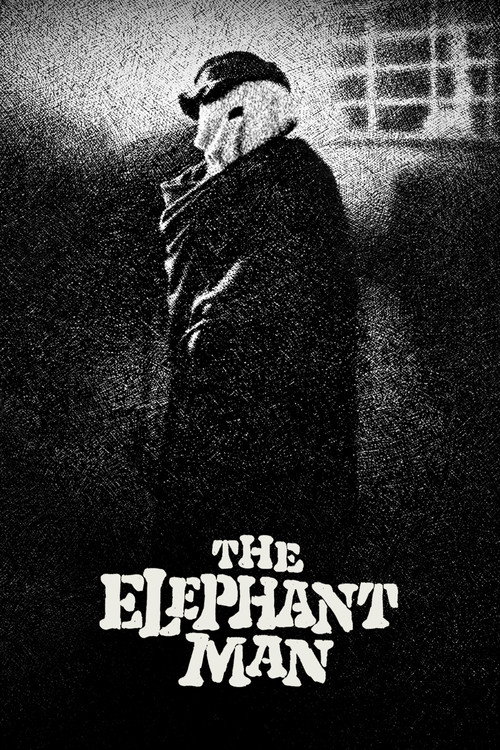
The Elephant Man1980
A tranquil hour watching elephants in an African water hole. Minimal intervention, maximum presence. Closer in spirit to Nénette than most nature docs—cinema about witnessing.
But Almost nothing happens. If you need active narrative momentum, this will test your patience severely.
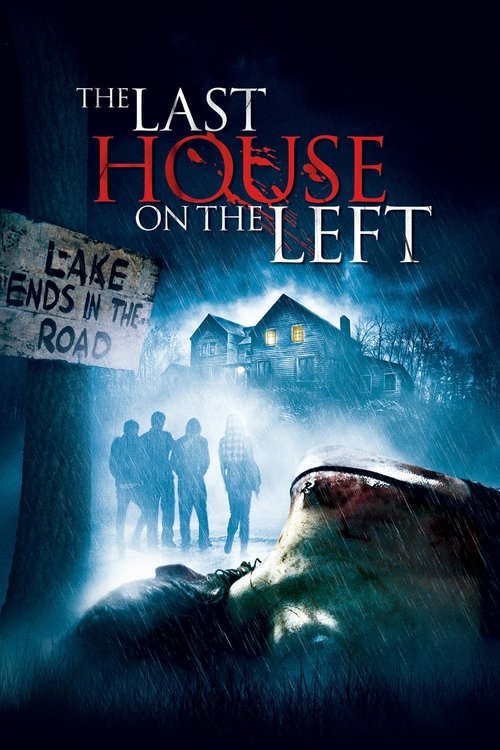
The Last House on the Left2009
Both films refuse to look away or to manipulate emotion through music and editing. They trust the camera to do moral work simply by witnessing clearly.
A visceral home-invasion horror remake that counterintuitively shares Nénette's formal patience. It observes violence and trauma with unflinching stillness. A brutal masterclass in unadorned filmmaking.
But It's genuinely upsetting and degrading. Not for anyone seeking comfort or familiar moral reassurance. The images stay with you badly.
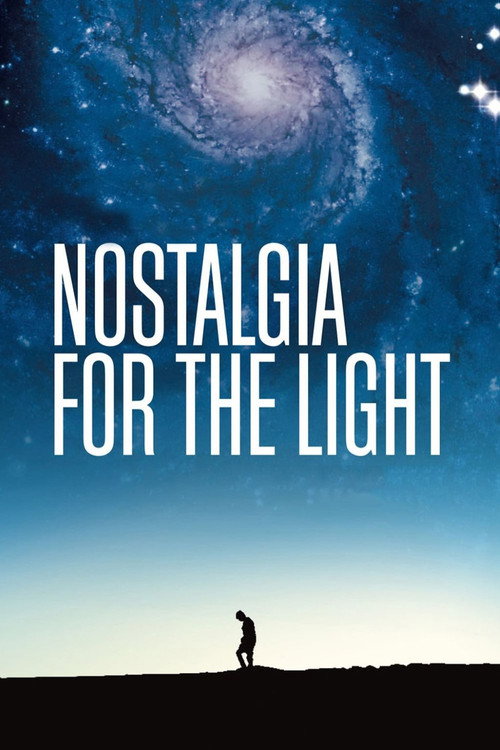
Nostalgia for the Light2010
Made the same year as Nénette, it shares an obsession with the act of observation—what we choose to see, what we refuse to see, and what seeing costs.
Patricio Guzmán's meditation on memory and loss, set in the Atacama Desert where astronomers observe the cosmos and families search for remains of disappeared people. Philosophical, formally poetic, immensely moving.
But It's essayistic and slow. Not a narrative; an argument conducted through images and reflection. Requires active participation from the viewer.
People
Directing
- Nicolas PhilibertDirector
Writing
- Nicolas PhilibertWriter