
Film
Stage Struck
- Comedy
- Light-hearted
A 1936 backstage comedy about a Broadway production held hostage by a wealthy, talentless diva with an iron-clad contract. Dick Powell and Joan Blondell navigate chaos, egos, and theatrical absurdity in this brisk, wisecracking snapshot of Depression-era show business. It's lightweight but warmly cynical about the machinery of entertainment.
If you liked this
Singin' in the Rain1952
The gold standard of Hollywood backstage musicals: joyful, inventive, and built on the tension between art and commerce. Gene Kelly and Donald O'Connor create magic from chaos, and the satire has real bite.
But It's a musical, so if song-and-dance numbers feel like interruptions rather than expressions, this won't convert you. The pacing is deliberate.

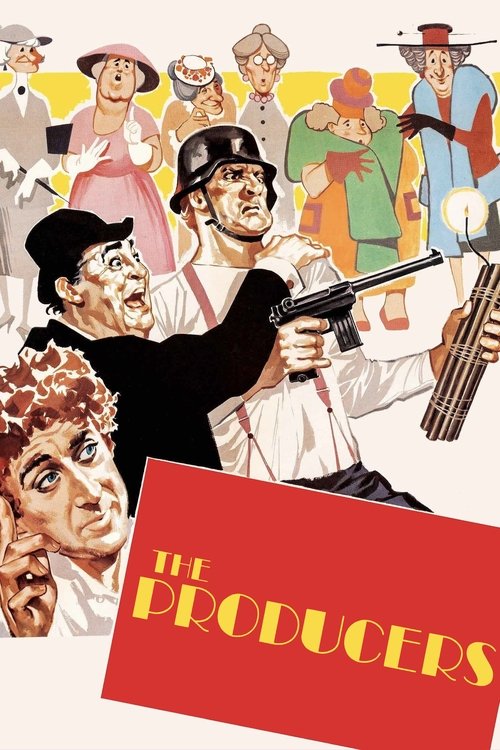
The Producers1968
Mel Brooks's masterpiece about con men trying to produce a Broadway flop. It shares Stage Struck's contempt for theatrical vanity and its delight in schemes that spiral into farce. Hilarious and structurally brilliant.
But The humour is aggressive and dated in places. Some gags land hard; others clang. It's a period piece that doesn't apologize for its era.
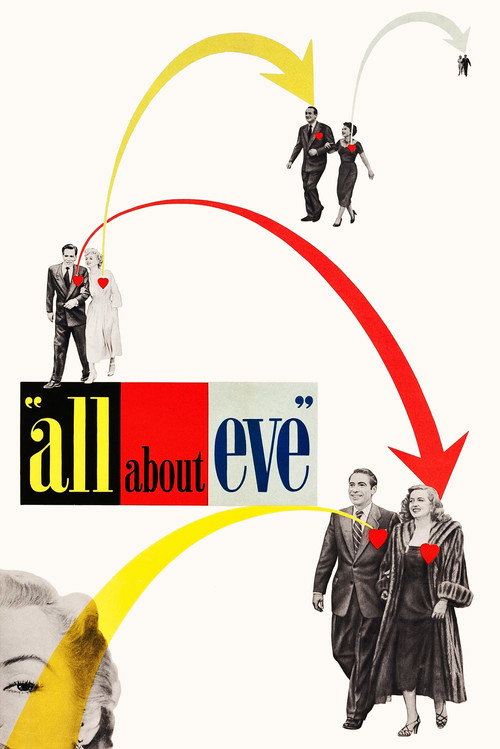
All About Eve1950
Bette Davis, ruthless ambition, and Broadway theatrics colliding in elegant black-and-white. Witty, poisonous, and utterly absorbing. The template for every backstage drama that followed.
But It's cynical enough to sting. If you need your movies to affirm human goodness, the moral wasteland here might exhaust you.
Not sure tonight? Get a pick in a minute, starting from Stage Struck
The wildcard
Something you would not have found on your own.
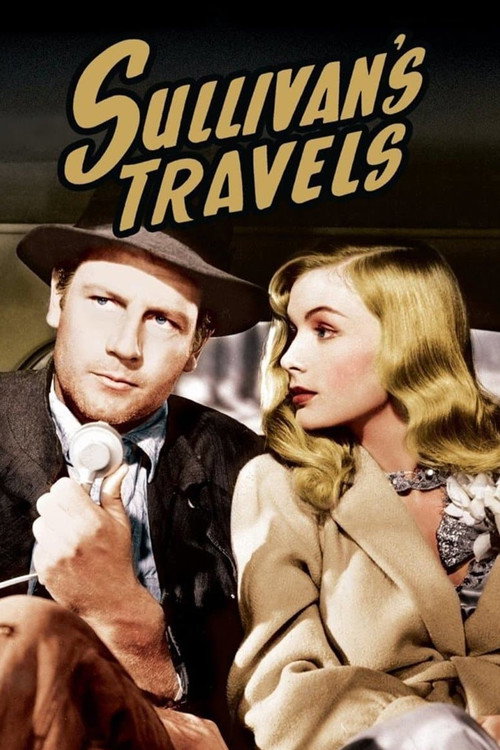
Sullivan's Travels1941
Both are about the theatre and film as machines run by ego and commerce; Sullivan's Travels asks the moral question that Stage Struck skips.
Preston Sturges's masterpiece: a director of comedies wants to make serious art, leaves Hollywood to research suffering, and discovers that laughter might be the most serious art of all. It's about Stage Struck's world but asks what it's actually for.
But The second half abandons comedy for genuine darkness. It's a tonal shift that can feel jarring, and some viewers resent being asked to feel instead of laugh.
More like this (8)
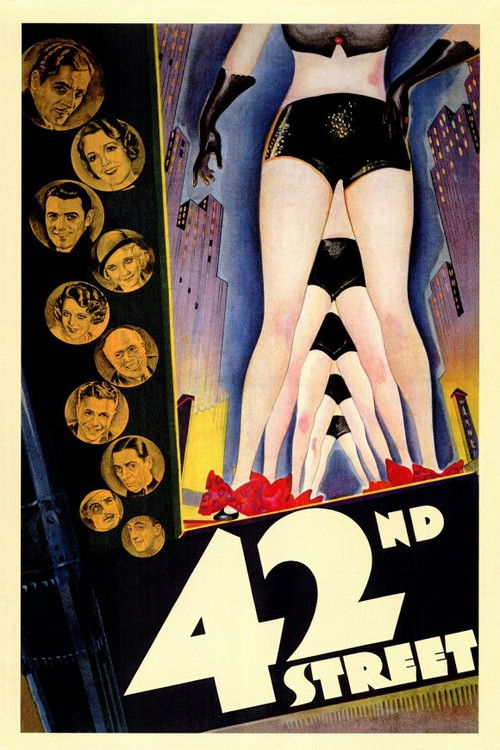
42nd Street1933
The 1933 precursor to Powell's own world: Depression-era Broadway under pressure, with Ruby Keeler and Dick Powell. The musical numbers are spectacle; the story is mercenary grit dressed as romance.
But The narrative is thin scaffolding for dance sequences. If plot matters more than visual style, you'll find yourself checking your watch.
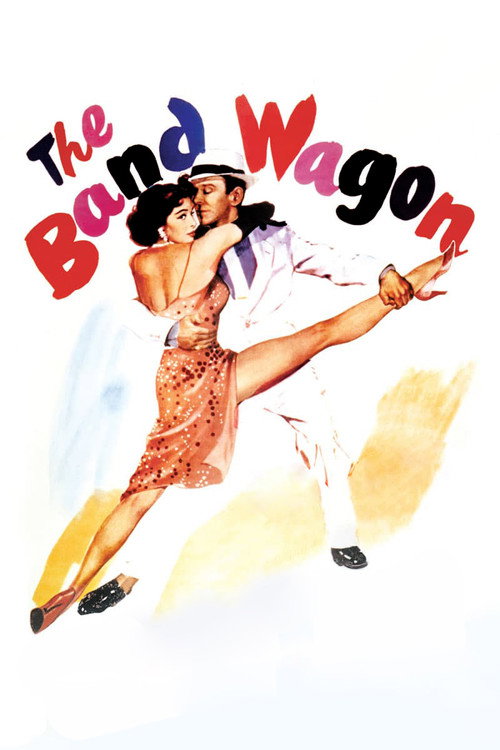
The Band Wagon1953
Fred Astaire and Cyd Charisse in a backstage musical about a show-within-a-show falling apart. Graceful, funny, and structured like a perfect watch. The satire of artistic pretension is surgical.
But It's a musical where every emotion is expressed through dance. If that mode feels alien to you, the logic of the film will puzzle you.
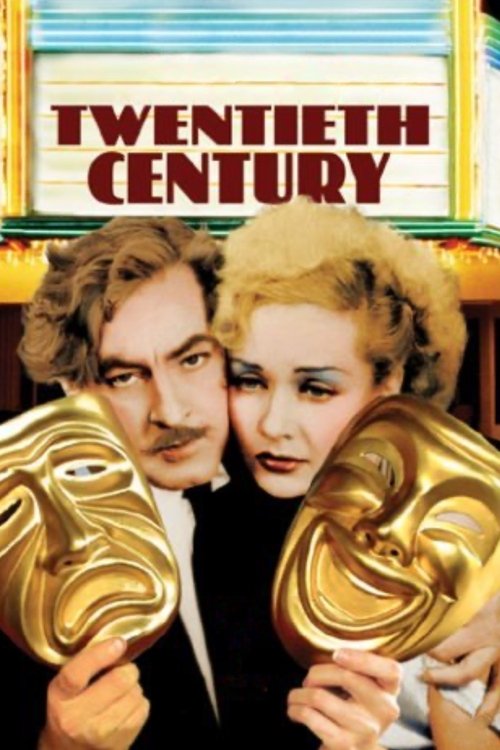
Twentieth Century1934
John Barrymore and Carole Lombard on a train, him a theatrical megalomaniac, her his muse escaping his control. Screwball and theatrical both; it nails the ego and delusion of show business.
But It's briskly paced to the point of freneticism. If you like to settle into a scene, the rhythm will feel exhausting.
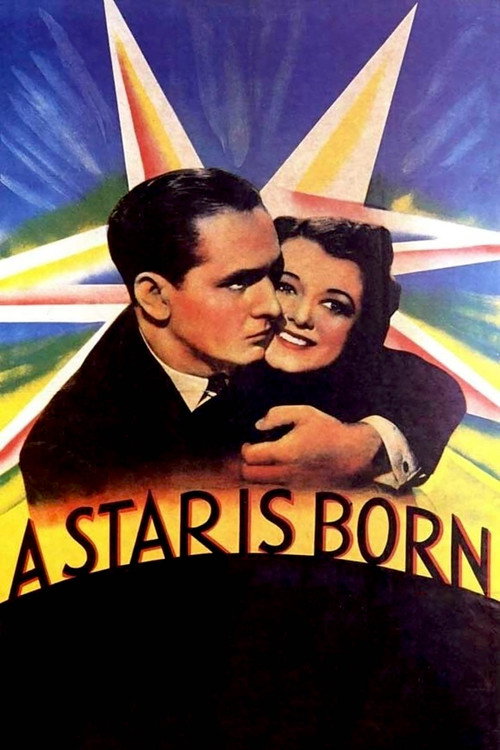
A Star Is Born1937
The original, with Janet Gaynor and Fredric March. It's darker than Stage Struck—about ambition's cost—but shares the backstage world and the machinery grinding personalities. Surprisingly moving.
But It's melodrama, not comedy. The tone shifts away from satire into genuine pathos, which can feel tonal whiplash if you're unprepared.
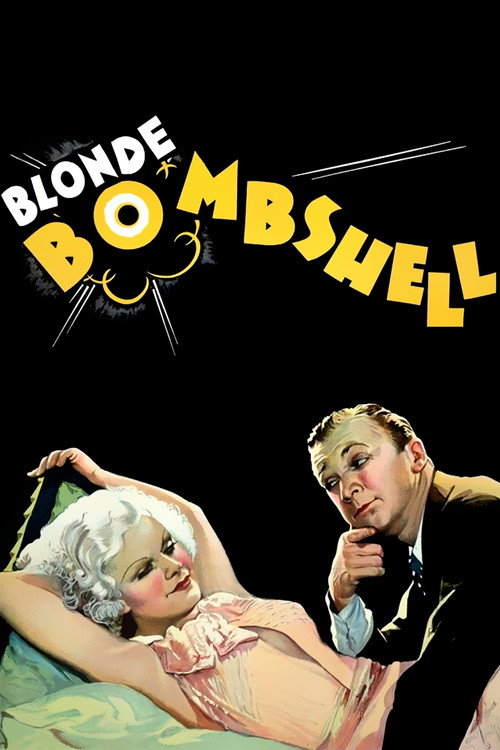
Bombshell1933
Jean Harlow as a movie star drowning in her own fame and the studio system's demands. It's mordant about celebrity and exploitation, with real affection for its heroine beneath the satire.
But The structure is looser than Stage Struck; it's less a plot than a string of vignettes. It can feel scattered if you're craving momentum.
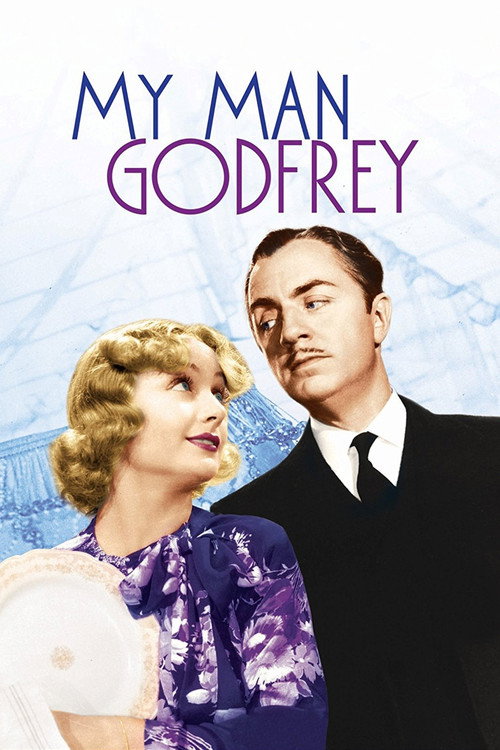
My Man Godfrey1936
Made the same year as Stage Struck. William Powell and Carole Lombard in Depression screwball chaos. It's about wealth and uselessness, and it's genuinely funny and humane underneath the surface.
But It's softer and more sentimental than Stage Struck. If you want cutting satire without the redemptive ending, look elsewhere.
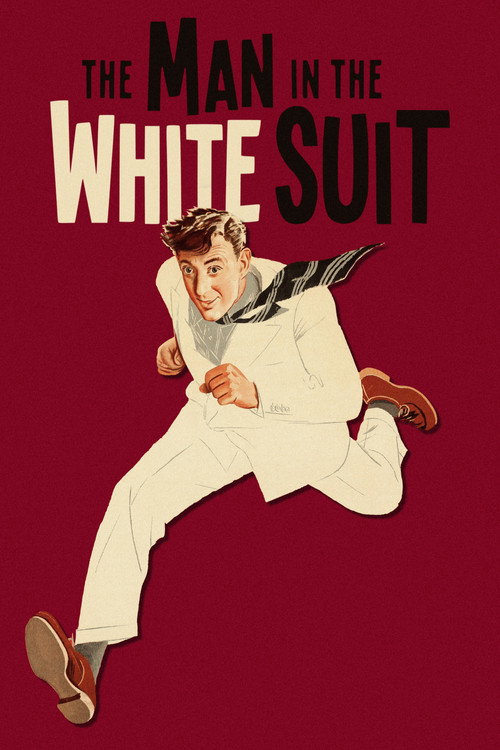
The Man in the White Suit1951
Both feature systems (theatre, industry) where talent and ideas matter less than contracts, money, and the preservation of power.
Alec Guinness as an inventor whose miracle fabric threatens an entire industry. A comedy, yes, but structured like a political thriller: one man with an idea versus a system designed to crush him. Brilliant and strange.
But It's a British Ealing comedy from 1951, so the humour is dry and the pacing is patient. If you need broad jokes and quick cuts, it will seem glacial.
Contempt1963
Where Stage Struck laughs at the theatrical apparatus, Contempt mourns what's lost when art becomes a product. Same world, opposite register.
Godard's film about a marriage unraveling on a film set, with Brigitte Bardot and Michel Piccoli. It's about art compromised by commerce, ego, and the machinery of production. Slow, beautiful, and furious.
But It's an experimental French New Wave film, not a 1930s comedy. It requires patience, tolerates ambiguity, and offers no comfort. It's a rebuke to the entire tradition Stage Struck belongs to.

People
Cast
 Dick PowellGeorge Randall
 Joan BlondellPeggy Revere
 Warren WilliamFred Harris
 Frank McHughSid
 Jeanne MaddenRuth Williams
 Carol HughesGracie
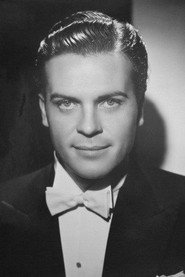 Craig ReynoldsGilmore Frost
 Hobart CavanaughWayne
 Johnny ArthurOscar Freud
 Spring ByingtonMrs. Randall
- Thomas PogueDr. Stanley
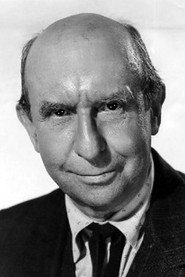 Andrew TombesBurns Heywood
Directing
- William H. CannonAssistant Director
- Busby BerkeleyDirector
Writing
- Irving RapperDialogue
- E.Y. HarburgLyricist
- Pat C. FlickScreenplay
- Tom BuckinghamScreenplay
- Robert LordStory
Production
- Hal B. WallisExecutive Producer