
Film
Head-On
Head-On is a raw, propulsive German-Turkish drama about two broken people who marry as an escape and discover an electric, destructive connection. It's unflinching about addiction, family violence, and desire—sometimes funny, often brutal, never looking away. For viewers who want cinema that feels genuinely dangerous.
If you liked this
Requiem for a Dream2000
Like Head-On, it's a film about addiction and codependency that refuses sentimentality. Aronofsky's formal intensity mirrors the characters' spiral with visual precision and raw emotional power.
But Relentlessly bleak and difficult to watch. The final act is genuinely harrowing in ways that linger long after the credits.

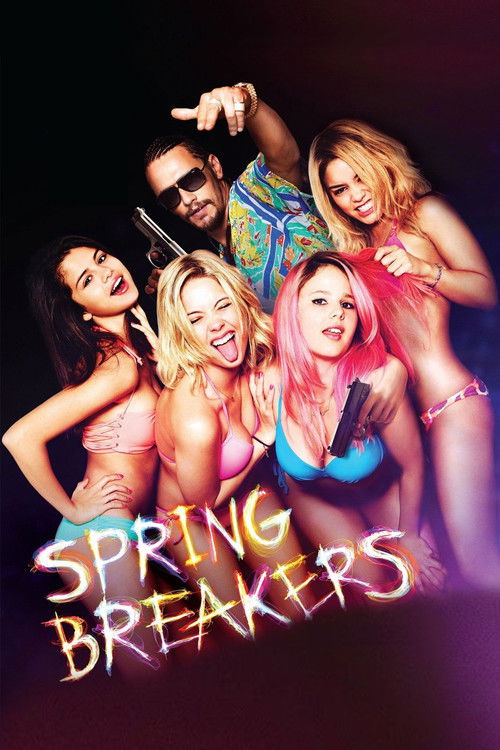
Spring Breakers2013
Both films are recklessly stylish portraits of young people making terrible choices with electrifying energy. Harmony Korine captures that same intoxicating mixture of rebellion and self-destruction.
But The aesthetic can feel deliberately off-putting. Some find it too cool for its own good, prioritizing mood over coherence.
Contempt1963
Godard's dissection of a marriage crumbling in real time has the same explosive chemistry and the same refusal to explain or excuse. Two people who love and destroy each other simultaneously.
But Glacially paced by modern standards, with long takes and philosophical monologues. The ending is devastating but feels inevitable rather than cathartic.

Not sure tonight? Get a pick in a minute, starting from Head-On
The wildcard
Something you would not have found on your own.
Synecdoche, New York2008
Both use fragmented, non-linear storytelling to mirror psychological disintegration. Both are about people unable to stop creating and destroying simultaneously.
Charlie Kaufman's film is equally concerned with artistic ambition as self-annihilation, using formal experimentation to map emotional collapse. Both films ask whether creation and destruction are the same impulse.
But Deliberately confusing and recursive. The narrative constantly shifts perspective; some find it more pretentious than profound.

More like this (8)
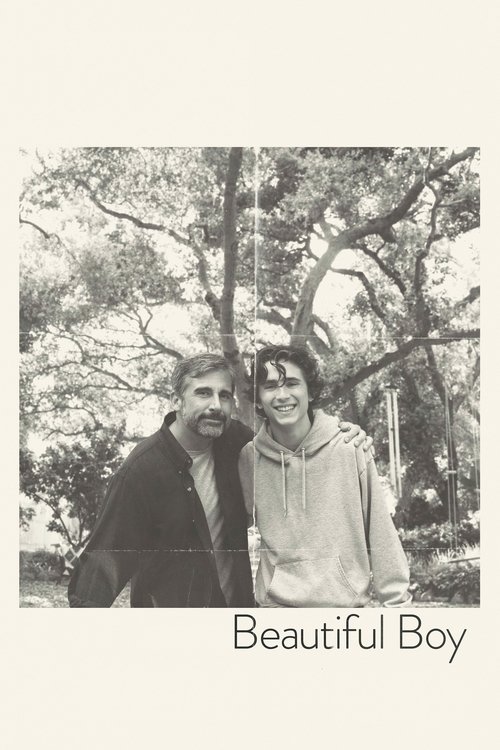
Beautiful Boy2018
Steve Carell and Timothée Chalamet map the damage addiction inflicts on both the user and those who love them. It's tender without being sentimental, honest about the limits of love.
But Structured as a series of moments rather than a plot. Some viewers find it shapeless, more like grief than story.
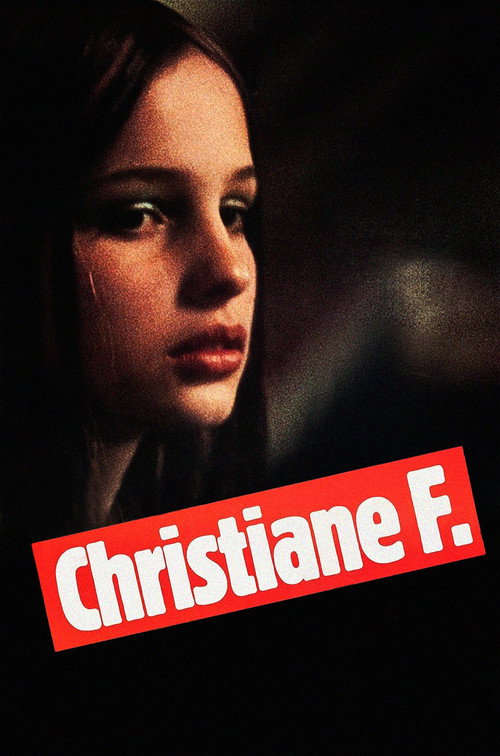
Christiane F.1981
A harrowing chronicle of a teenager's descent into heroin addiction in Berlin. It has the same unflinching eye for how addiction corrodes identity and corrupts every relationship.
But Based on real events and genuinely traumatic. The exploitation scenes are disturbing; it's not easy viewing even when it's essential viewing.
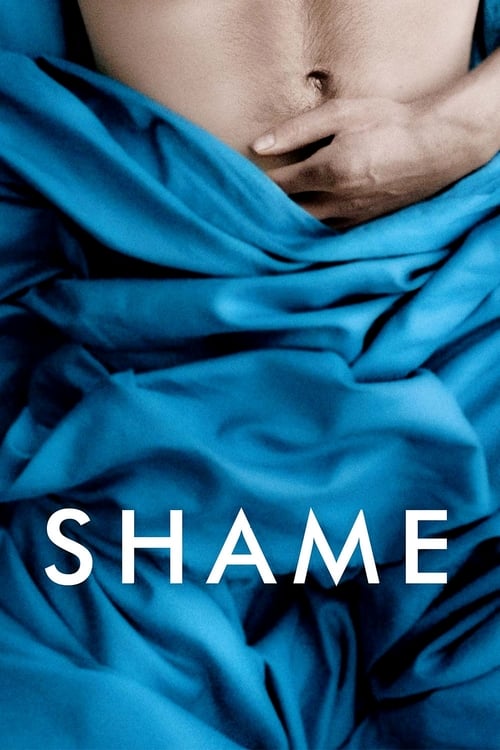
Shame2011
Steve McQueen's film about sexual compulsion shares Head-On's interest in how desire and self-destruction intertwine. Both are about people using sex to avoid feeling something deeper.
But Sexually explicit and deliberately clinical about it. The lack of narrative momentum frustrates viewers expecting plot-driven storytelling.
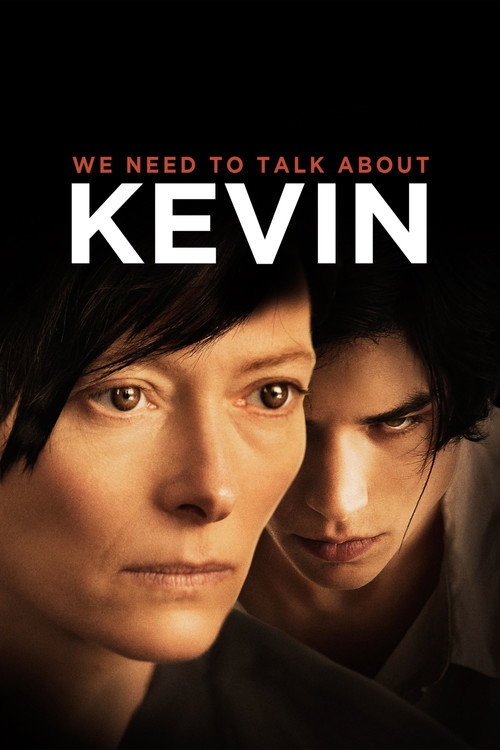
We Need to Talk About Kevin2011
Lynne Ramsay examines a relationship that curdled into tragedy with fractured, poetic filmmaking. Like Head-On, it refuses easy moral judgments about love and responsibility.
But Deliberately fragmented narrative structure. The subject matter—a mass shooting—is devastating and potentially retraumatizing.
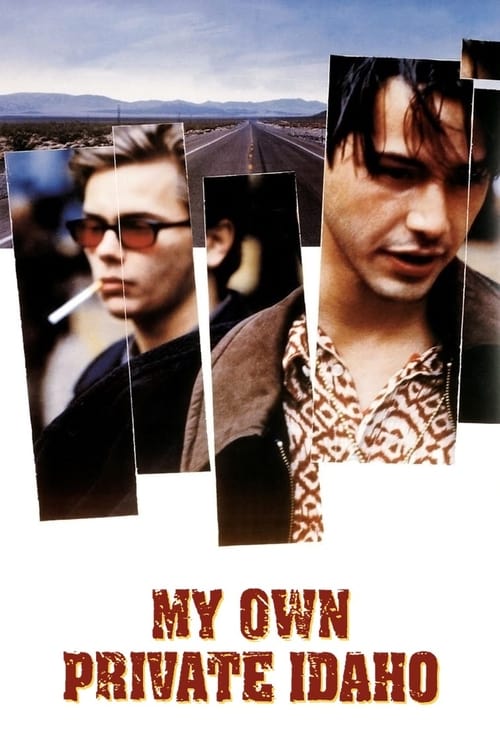
My Own Private Idaho1991
Gus Van Sant's portrait of desire and survival among street hustlers has that same collision of tenderness and chaos. Two men finding connection in the wreckage of their lives.
But Structurally unconventional and sometimes meandering. Explicitly gay content and frank drug use made it controversial and still divides audiences.
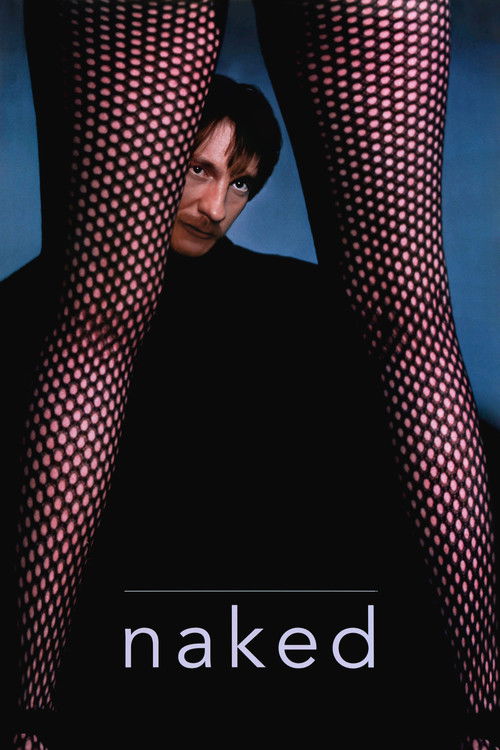
Naked1993
Mike Leigh's coruscating portrait of a brilliant, toxic man destroying everything around him. Like Head-On, it's about how intelligence and pain can make someone radioactive to everyone they touch.
But The protagonist is almost unbearably cruel. There's no redemption, no learning, just damage spreading outward.
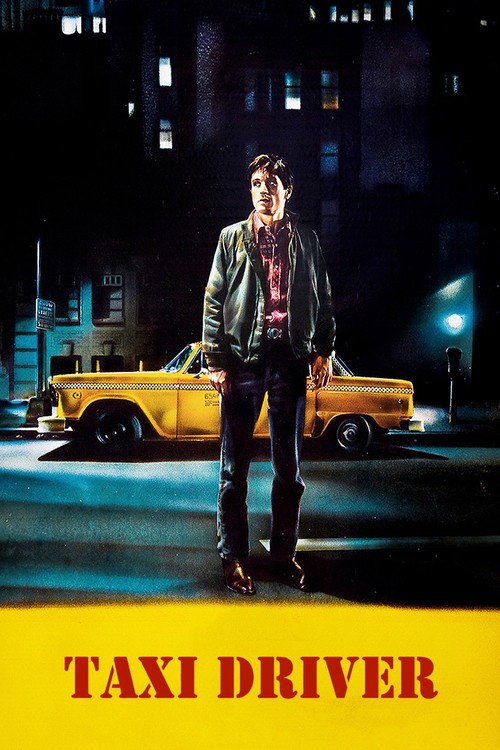
Taxi Driver1976
Both are portraits of male alienation and destructive desire filtered through a first-person sensibility. Both question whether the protagonist's perspective is reliable or pathological.
Scorsese's Travis Bickle is the dark mirror of Cahit—a man whose rage and alienation metastasize into obsession. Both films are voyeuristic, morally ambiguous studies of a man spiraling toward violence.
But Gritty 1970s aesthetic and themes of sexual violence haven't softened with age. Slow-burn tension that explodes suddenly unsettles viewers seeking catharsis.
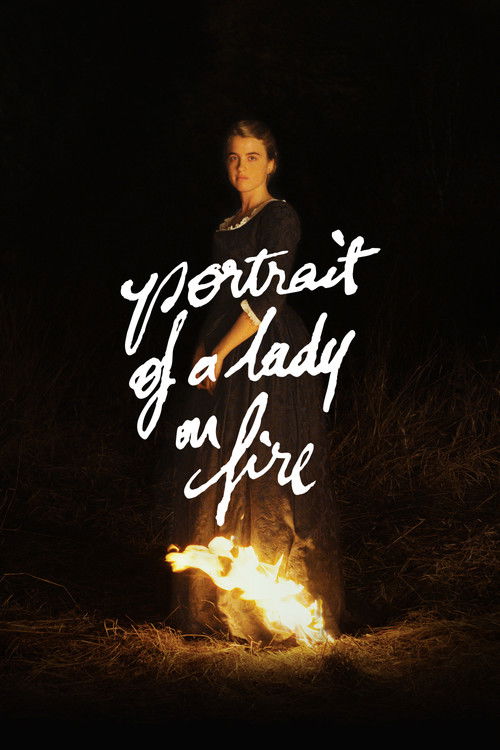
Portrait of a Lady on Fire2019
Both films believe that looking—really seeing another person—is an erotic and destabilizing act. Both use desire as a force that rewrites identity rather than confirms it.
Céline Sciamma's film is a historical romance about two women discovering each other—the inverse intensity of Head-On. Where Head-On is chaotic and modern, this is composed and period, but the emotional voltage is equally dangerous.
But Deliberately paced and quieter than you might expect from the premise. Some find it too restrained; passion expressed in glances rather than collisions.
People
Cast
 Sibel KekilliSibel Güner
 Birol ÜnelCahit Tomruk
 Güven KıraçŞeref
 Meltem CumbulSelma
 Catrin StriebeckMaren
 Stefan GebelhoffNico
 Adam BousdoukosBarmann
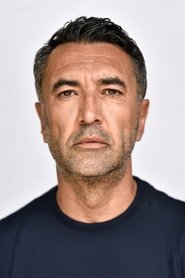 Mehmet KurtuluşBarmann Istanbul
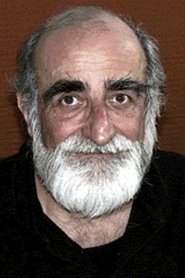 Demir GökgölYunus Güner
 Cem AkinYılmaz Güner
 Aysel İşcanBirsen Güner
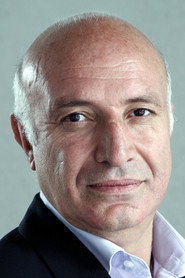 Orhan GünerBus Driver
Directing
- Andreas ThielAssistant Director
- Fatih AkinDirector
Writing
- Fatih AkinWriter
Production
- Harika UygurCasting
- Mai SeckCasting
- Ali AkdenizLine Producer
- Andreas SchreitmüllerProducer
- Andreas ThielProducer
- Fatih AkinProducer
- Jeanette WürlProducer
- Mehmet KurtuluşProducer
- Ralph SchwingelProducer
- Stefan SchubertProducer
- Ingrid HolzapfelProduction Manager
- Muharrem GülmezProduction Manager
- Mira HusseiniPublicist