
Film
Babylon
Other titles called Babylon: the 1980 film.
Damien Chazelle's three-hour fever dream of Old Hollywood's final silent era: ambition, cocaine, and the death of empires. It's visually stunning, narratively messy, occasionally hilarious, and punishing in the best way. For anyone who loved *The Wolf of Wall Street* or wants to see how far a director will go.
Should you watch it?
Watch it if you love the giddy, sprawling mess of a movie that bets everything on a single wild sequence and wants you to feel the vertigo of early Hollywood at full volume.
Skip it if you tire of excess for its own sake or want a tight story, since its lurches between bawdy comedy and grim sobriety can feel like whiplash.
What it asks of you: Expect over three hours that sprawl and shout through long party sequences, then lurch into quieter, sadder passages, so it asks for patience and a tolerance for chaos.
Not sure? Find tonight's pick in a minute.
If you liked this
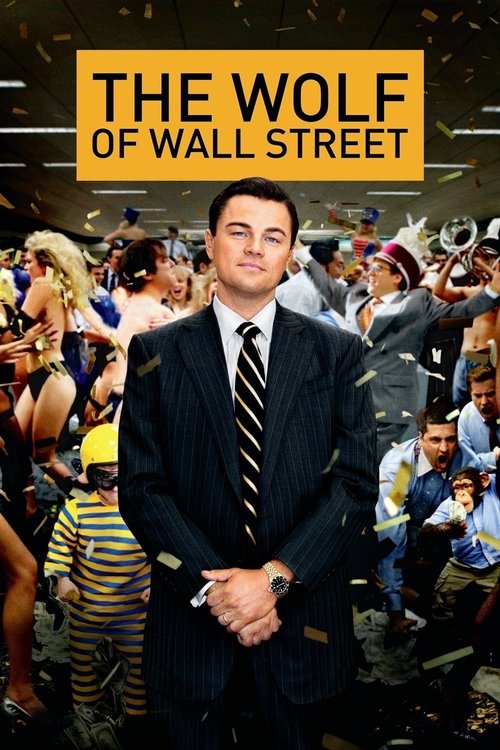
The Wolf of Wall Street2013
Scorsese's descent into excess mirrors Babylon's structure: charismatic rise, moral freefall, visual dazzle. DiCaprio and Robbie have that same intoxicating chemistry, and the film never looks away from the ugliness beneath the glamour.
But It's three hours of wealthy people behaving terribly. If you found it repellent rather than compulsive, Babylon will feel like the same punishment.
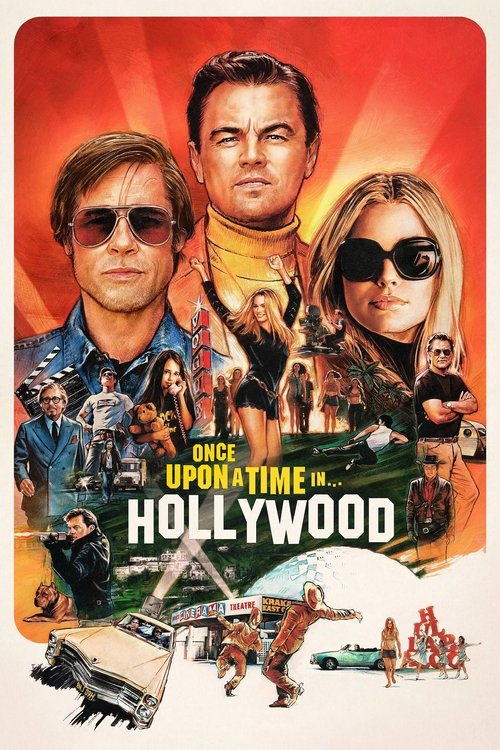
Once Upon a Time... in Hollywood2019
Tarantino's love letter to Old Hollywood captures that same wistful nostalgia for a vanished era, but with gentleness instead of Babylon's cruelty. DiCaprio in a similar liminal space, clinging to relevance as the world shifts around him.
But It moves in Tarantino's leisurely rhythm; nothing like Babylon's manic energy. If you want plot momentum, you'll find it frustratingly digressive.
Singin' in the Rain1952
The flip side of Babylon: Hollywood's transition from silent to sound told as pure joy. Same era, same upheaval, but where Babylon sees decay and desperation, this sees reinvention and grace. Essential context.
But It's a musical. If that word makes you wince, the color-coded charm might feel like saccharine nostalgia rather than insight.

Not sure tonight? Get a pick in a minute, starting from Babylon
The wildcard
Something you would not have found on your own.
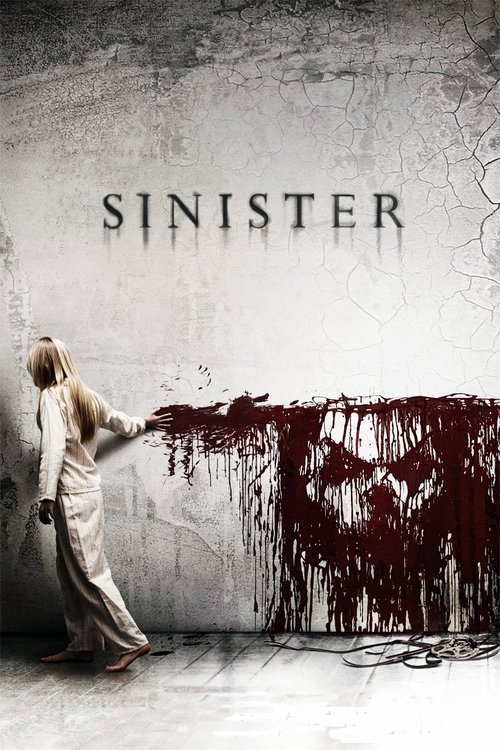
Sinister2012
Both are films about the ethics of witnessing. Babylon watches characters degrade and destroy themselves; Sinister watches the audience squirm at degradation and asks why we're complicit.
A formal experiment in horror about image and spectatorship. Like Babylon, it asks what we're willing to watch, what corrupts us through looking. The visual language is jagged and assaultive, same as Chazelle's approach.
But It's a genuine horror film with jump scares and dread. Babylon's tragedy is operatic; this is nightmare logic, which will feel like tonal whiplash.
More like this (8)
The Godfather Part II1974
Coppola's parallel narrative structure—two eras, same moral rot—influenced Babylon's DNA. It shows how to weave multiple characters into a grand thematic statement without losing emotional weight.
But It's nearly four hours of men making terrible choices. The pacing is deliberate and grave; Babylon's frenzy this is not.

A Star Is Born2018
Bradley Cooper's reinvention of the Hollywood cautionary tale captures the hunger and heartbreak at Babylon's core. It's smaller, more focused, but wrestles with identical questions about price and sacrifice.
But It's much more earnest. If you want your darkness cut with comedy and cocaine-fueled absurdity, this will feel thin.

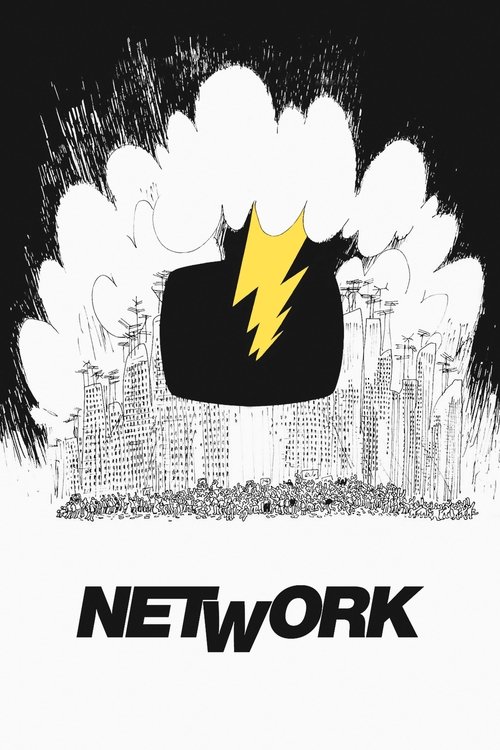
Network1976
Paddy Chayefsky's savage satire of an industry eating itself alive has Babylon's scathing wit. It's shorter, sharper, and the contempt it feels for its subjects is dressed up as dark comedy throughout.
But It's from the '70s and deeply of that moment. The dated production design might read as quaint rather than illuminating.
The Artist2011
Silent film shot in black and white about the death of silent cinema—the mirror image of Babylon's thesis. It's tender where Babylon is brutal, which gives it surprising power as a counterargument.
But It's genuinely quiet and melancholic. You're not getting spectacle or laughs; it's a elegiac, almost funereal meditation.

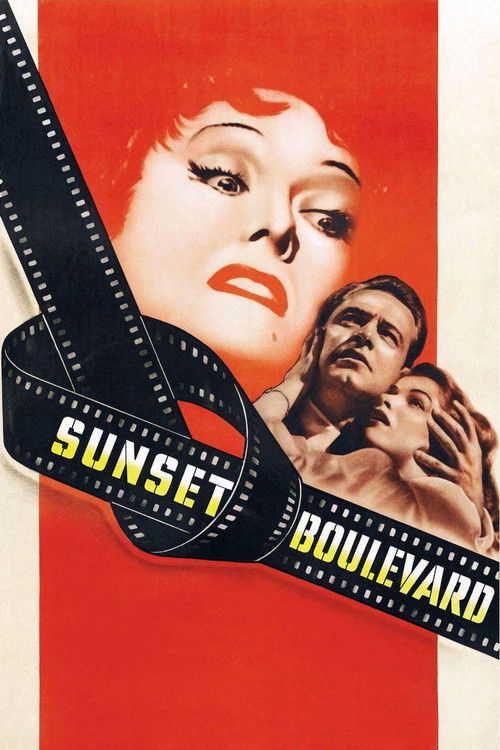
Sunset Boulevard1950
The template for all Hollywood gothic tales. Gloria Swanson's faded silent star is Babylon's spiritual ancestor. Wilder's cynicism and craft remain untouched; it's everything Chazelle was reaching for.
But It's austere and slow by modern standards. The narrative is a slow-motion car crash, which some will find meditative and others will find glacial.
The Red Shoes1948
Powell and Pressburger's baroque tragedy about art consuming the artist has Babylon's visual excess and moral despair. It's about obsession, beauty, and the cost of creation, in stunning Technicolor.
But It's a ballet film. If you can't find the story in movement and design, the narrative will feel gossamer-thin.

A Prophet2009
Both structure themselves as the rise and fall of a character who cannot help but self-destruct. The machinery of ambition is identical; only the setting changes. Both love their protagonists while despising them.
Jacques Audiard's masterpiece about rise and fall, power and corruption, shot with the same kinetic energy Chazelle brings. It's a microcosm of empire-building in a prison cell. Completely gripping, completely moral.
But It's French, subtitled, set in prison, and extremely violent. Also nearly two and a half hours of unrelenting tension. Not entertainment—an ordeal, but a necessary one.

Contempt1963
Both are metacinematic: films about films and the people who make them, about how commerce poisons creation. Where Babylon is American spectacle collapsing under its own weight, Contempt is European art watching itself become a commodity.
Godard's film about filmmaking, marriage, and the corruption of art by commerce. Shot in VistaVision, it's visually sumptuous while being glacially cold—the inverse of Babylon's manic excess, but asking identical questions about authenticity and sellout.
But It's a Godard film from 1963. It moves at a philosophical pace, entire sequences are conversations, and it has no interest in plot momentum or conventional drama. Babylon's speed will have prepared you poorly.

People
Cast
 Diego CalvaManny Torres
 Margot RobbieNellie LaRoy
 Brad PittJack Conrad
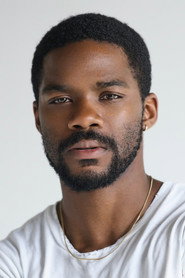 Jovan AdepoSidney Palmer
 Jean SmartElinor St. John
 J.C. CurraisTruck Driver
 Jimmy OrtegaElephant Wrangler
 Marcos A. FerraezPolice Officer
 Shane PowersDale
 Phoebe TonkinJane Thornton
 Troy MetcalfOrville Pickwick
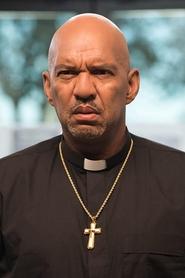 Hansford PrinceJoe Holiday
Directing
- Damien ChazelleDirector
- Bob WagnerFirst Assistant Director
- Robert E. KaySecond Assistant Director
- Carly SturgeonSecond Second Assistant Director
- David MarnellSecond Second Assistant Director
Writing
- Damien ChazelleWriter
Production
- Erce Deli CantuAssistant Location Manager
- Ted KimAssistant Location Manager
- Ram Paul SilbeyAssistant Production Manager
- Francine MaislerCasting
- Kaley BoernekeCasting Assistant
- Amber WakefieldCasting Associate
- Suraj MaraboyinaCo-Executive Producer
- Jeffrey HarlackerCo-Producer
- Padraic 'Paddy' MurphyCo-Producer
- Mathew FerranteExecutive In Charge Of Production
- Adam SiegelExecutive Producer
- Dave CaplanExecutive Producer
- Helen EstabrookExecutive Producer
- Jason ClothExecutive Producer
- Michael BeuggExecutive Producer
- Tobey MaguireExecutive Producer
- Wyck GodfreyExecutive Producer
- Sande AlessiExtras Casting
- Chris BaughLocation Manager
- Stephanie RancierPost Production Coordinator
- Aaron DowningPost Production Producer
- Marc PlattProducer
- Matthew PlouffeProducer
- Olivia HamiltonProducer
- Jameson EverettProduction Assistant
- Michael BeuggUnit Production Manager