
Film
The Patsy
- Comedy
- Light-hearted
Jerry Lewis plays an accident-prone bellhop groomed by industry handlers to become the next big star—a dizzy, physical comedy film about the machinery of fame and the terrifying gap between ambition and ability. Lewis directed and co-wrote it himself. It's funny, uneven, and genuinely strange in ways that feel personal rather than calculated.
If you liked this
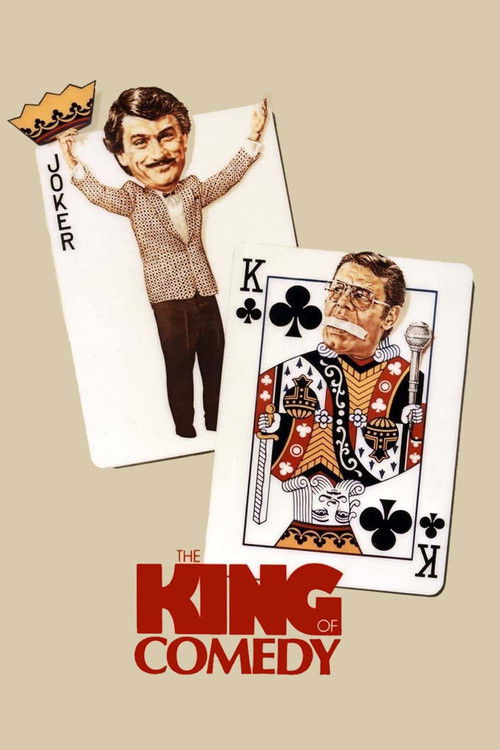
The King of Comedy1982
Scorsese's savage portrait of celebrity hunger and delusion. De Niro's fanatic is as driven as Lewis's Stanley, but the film's tone is pitch-black—it shows what happens when that hunger meets no talent and zero self-awareness.
But It's bleak enough to stop being funny. De Niro's character is unlikeable in ways the script doesn't wink at, which can feel punishing rather than amusing.
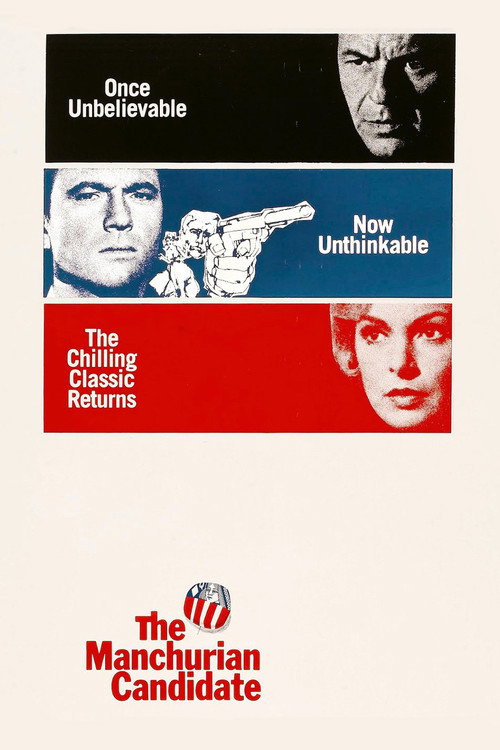
The Manchurian Candidate1962
Sinatra and Lanchester in Frankenheimer's paranoid thriller about people being remade from scratch by powerful handlers. Like The Patsy, it's about identity as product, but it trades comedy for genuine dread.
But It's a political thriller first, not a character study. If you want more Lewis-style absurdity, this is too straight and serious.
Singin' in the Rain1952
Kelly and O'Connor in the gold standard of Hollywood-making-of-a-star narratives. Effortlessly joyful, technically astounding, and genuinely warm about ambition and friendship among performers.
But The tonal opposite of The Patsy—so polished and confident it might feel saccharine if you're in the mood for something scrappier.

Not sure tonight? Get a pick in a minute, starting from The Patsy
The wildcard
Something you would not have found on your own.
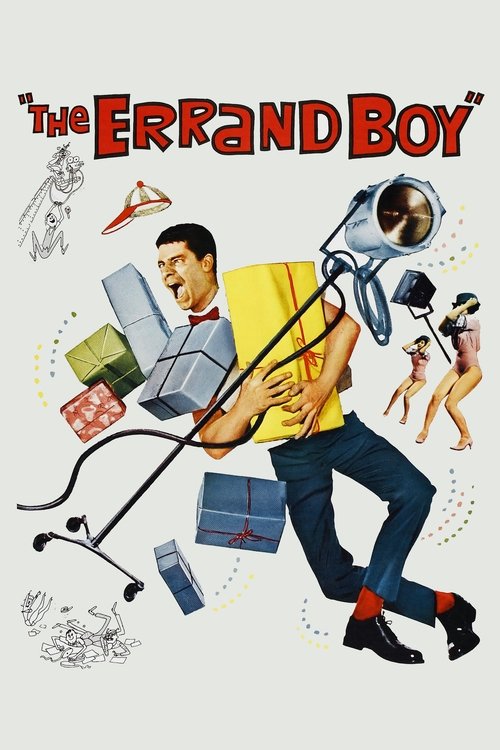
The Errand Boy1961
Both are Jerry Lewis exploring his own directorial vision, using narrative loosely as scaffolding for physical comedy and satire of Hollywood machinery. Both films feel like the director working through something personal about ambition and performance.
Jerry Lewis's previous film-as-director is even wilder and more structurally daring than The Patsy. It's a loose, digressive physical-comedy film about a bumbling studio visitor. This shows Lewis the filmmaker at full freedom before he became more conventional.
But It's less focused than The Patsy and sometimes feels like a sketch reel rather than a film. Lewis's personal indulgences can overwhelm narrative drive.
More like this (8)
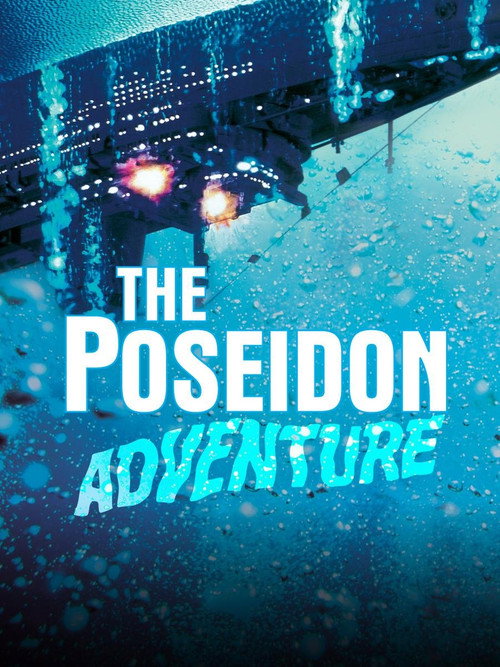
The Poseidon Adventure1972
Disaster-film ensemble with Gene Hackman, Shelley Winters, Ernest Borgnine. It's chaos and spectacle wrapped around a story about ordinary people forced to prove themselves. Peak 70s entertainment.
But It's essentially a series of set-pieces. Plot coherence takes a backseat to watching famous people scramble through a capsized ship.
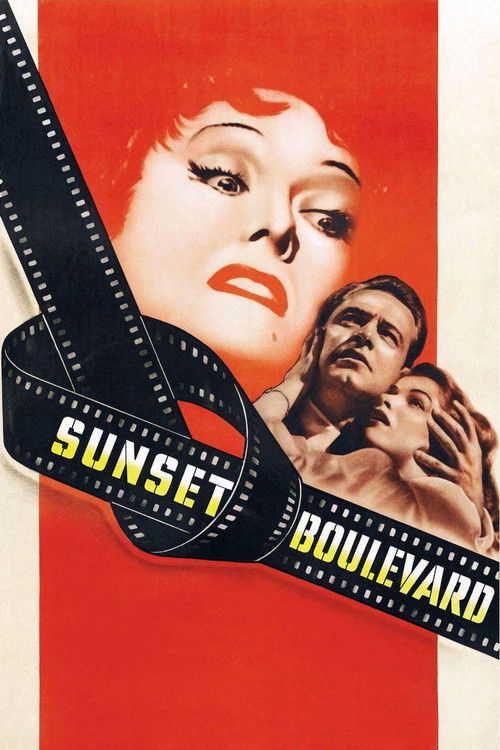
Sunset Boulevard1950
Wilder's masterpiece about stardom, delusion, and the Hollywood machinery that chews people up. Swanson's Norma Desmond is the dark mirror to every story about making it in entertainment.
But It's a noir. Beautiful and bitter, but if you want something lighter, this is a commitment to cynicism.
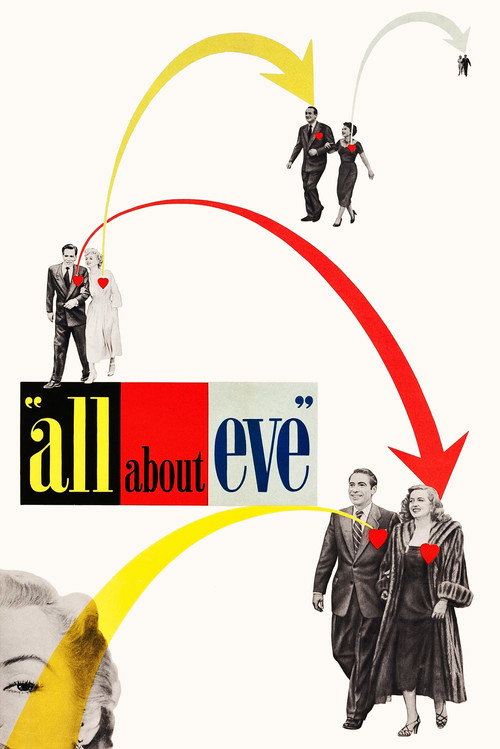
All About Eve1950
Mankiewicz's razor-sharp backstage comedy about ambition, performance, and the understudy waiting to become the star. Davis and Baxter fence with words as precisely as Stanley fumbles through his day.
But It's very mid-century Broadway. The witticisms can feel mannered if you're not in the mood for that particular kind of intelligence.
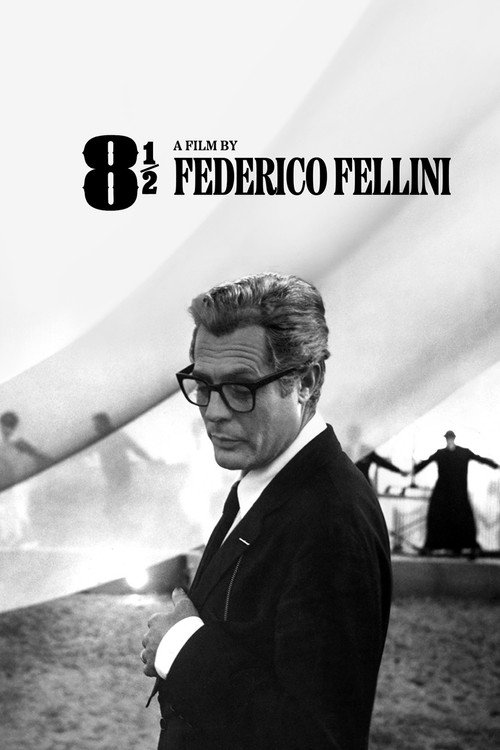
8½1963
Fellini's hallucinatory film-within-a-film about a director losing control of his vision and himself. Like The Patsy, it's about people reshaping someone into a star, but filtered through dreams and despair.
But It's long, oblique, and makes no effort to hold your hand. Pure cinema rather than narrative—you have to surrender to it.
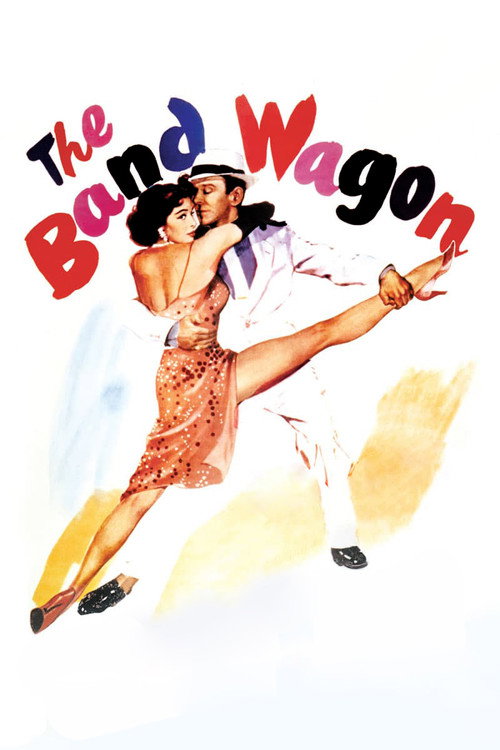
The Band Wagon1953
Astaire and Cyd Charisse in a backstage musical about mounting a Broadway show. It's knowing about theatre, funny, and built on genuine affection for performers and the machinery of making art.
But If you don't care about musical numbers, you'll lose patience. Astaire assumes you're delighted by dance, and not everyone is.
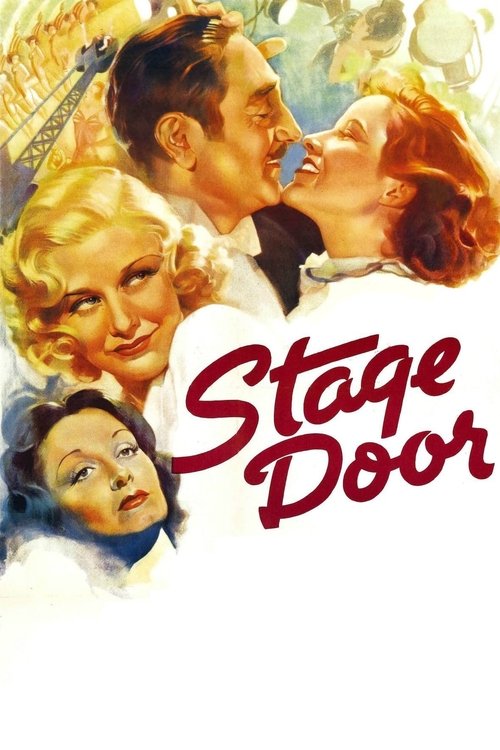
Stage Door1937
Katharine Hepburn, Ginger Rogers, and an ensemble of hungry actors sharing a boarding house. It's backstage comedy about ambition, friendship, and the terrible randomness of who gets chosen.
But It's 1937 and feels it—pacing and attitudes that reflect the era. The film's optimism about struggle might feel dated or saccharine.
Contempt1963
Both films are about the creative exploitation of performers—the machinery that hires people to be shaped into what the system needs rather than what they are. The Patsy does it as physical comedy; Contempt does it as moral collapse.
Godard's film-about-making-a-film stars Brigitte Bardot and Michel Piccoli as a writer hired to fix a script. Like The Patsy, it's obsessed with the gap between art and commerce, but it approaches it as tragedy rather than farce.
But Godard's style is deliberately anti-dramatic and slow. If you want plot propulsion, this actively resists it. Some will find it pretentious; others essential.

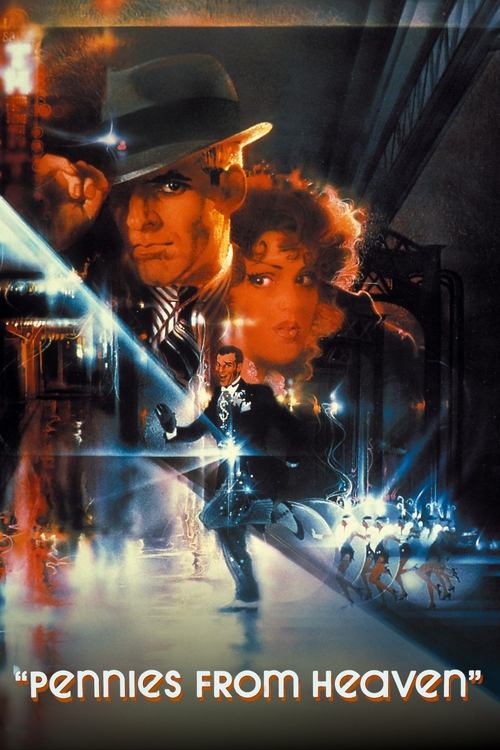
Pennies from Heaven1981
Both films interrogate the relationship between entertainment (the musical number, the star turn) and human pain or inadequacy. In The Patsy, Stanley's talentlessness is the comedy; in Pennies from Heaven, the fantasy sequences exist *because* reality is unbearable. Both ask: what does it mean that we use songs and dance to escape ourselves?
Steve Martin and Bernadette Peters in Herbert Ross's strange hybrid: it's a Depression-era musical drama that uses old song-and-dance clips as fantasy sequences breaking the gloom. Like The Patsy, it's genuinely confused about tone, but the confusion is the point.
But It doesn't work, exactly. The tonal whiplash between brutal realism and sudden musical numbers confuses viewers. Not a comfortable watch, more an ambitious mess.
People
Cast
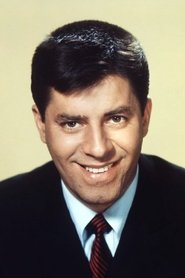 Jerry LewisStanley Belt
 Ina BalinEllen Betz
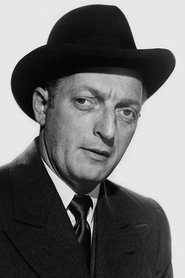 Everett SloaneCaryl Fergusson
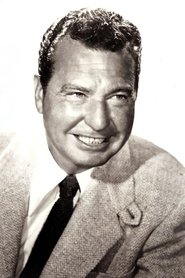 Phil HarrisChic Wymore
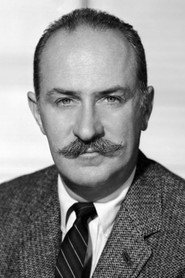 Keenan WynnHarry Silver
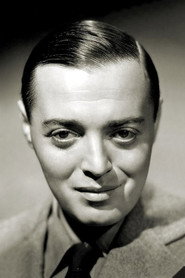 Peter LorreMorgan Heywood
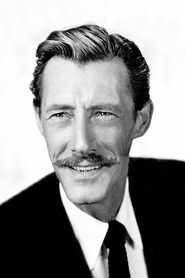 John CarradineBruce Alden
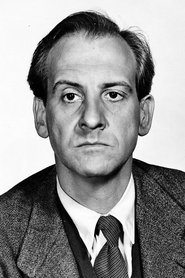 Hans ConriedProf. Mulerr
 Quinn O'HaraCigarette Girl
 Richard DeaconSy Devore
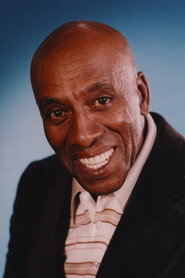 Scatman CrothersShoeshine Boy
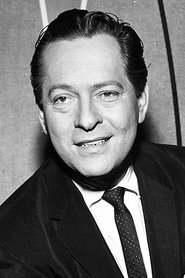 Del MoorePoliceman
Directing
- Ralph AxnessAssistant Director
- Jerry LewisDirector
- Dorothy YutziScript Supervisor
Writing
- Bill RichmondWriter
- Jerry LewisWriter
Production
- Arthur P. SchmidtAssociate Producer
- Edward R. MorseCasting
- Ernest D. GlucksmanProducer
- William DavidsonProduction Manager