
Film
Investigation of a Citizen Above Suspicion
A Rome police prefect commits murder, then systematically exposes himself through evidence he plants and confesses, testing whether the system he's devoted his life to will hold him accountable. Elio Petri's masterpiece is a coldly elegant political thriller about institutional corruption, playing like a deadly game where the house always wins. It's for anyone who believes cinema can interrogate power with scalpel precision.
If you liked this
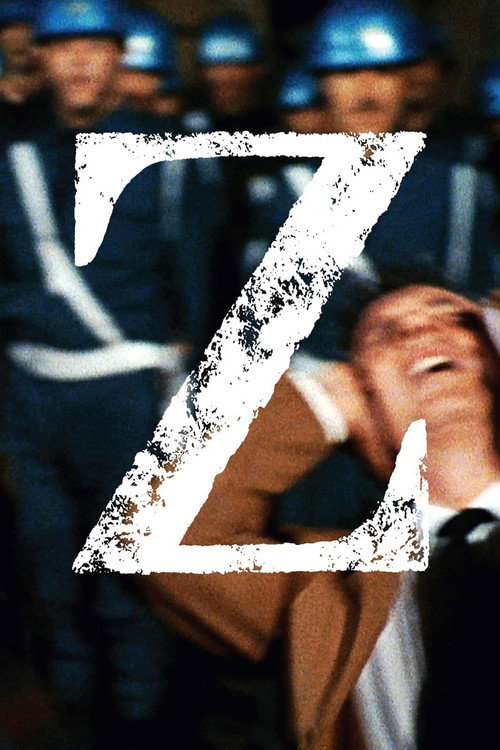
Z1969
Costa-Gavras's urgent political thriller about a coverup following a politician's assassination shares the same urgent conviction that systems are rigged to protect the powerful, told with white-knuckle momentum and moral outrage.
But The political context is specific to 1960s Greece, and the urgency can feel dated if you're not engaged with the historical parallels.
The Battle of Algiers1966
Pontecorvo's documentary-style examination of colonial violence and institutional brutality has the same uncompromising eye for how systems perpetuate themselves, shot with you-are-there immediacy that makes complicity impossible to ignore.
But It's polemical and offers no comfort; the brutality is unflinching and the ending offers no redemption or easy answers.

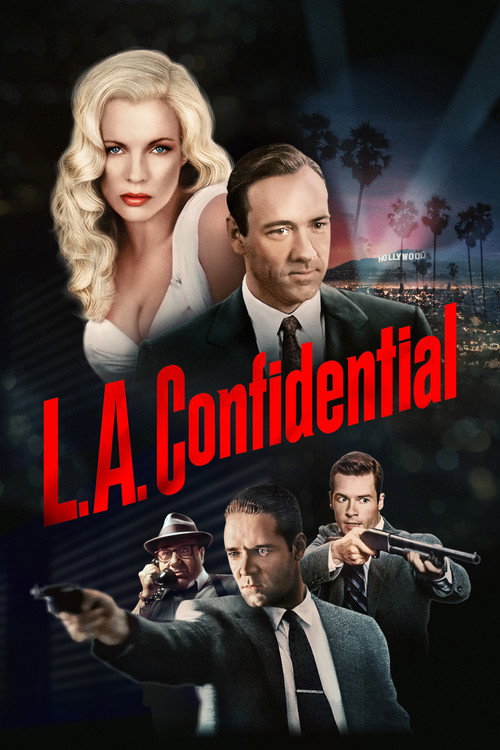
L.A. Confidential1997
Hanson's gleaming noir about corrupt cops in 1950s LA captures the same theme: institutions protect their own, and the system rewards those willing to play by its unspoken rules rather than its written ones.
But It's more of a procedural thriller than a philosophical interrogation, which means it's less willing to sit with moral ambiguity.
Not sure tonight? Get a pick in a minute, starting from Investigation of a Citizen Above Suspicion
The wildcard
Something you would not have found on your own.
Contempt1963
Both films use their story as a stage for institutional critique, examining how power (whether state or capital) corrodes individual will, told with visual austerity and no sentimentality.
Godard's film about a marriage collapsing mirrors Petri's theme through a different lens: how institutions (in this case, cinema and capital) corrupt relationships and autonomy, using the same cool distance and structural precision.
But It's aggressively theoretical and reflexive; if you're expecting narrative clarity, you'll find instead a film that interrogates cinema itself, which some experience as beautiful and others as impenetrable.

More like this (8)
The Killing1956
Kubrick's racetrack heist film is constructed like a puzzle where every piece moves toward inevitability and failure, exploring how small human choices collide with forces larger than intention—a structural DNA match.
But It's austere and blackly funny in ways that can feel cold; there's no one to root for and the plot unravels in a way some find frustrating rather than tragic.

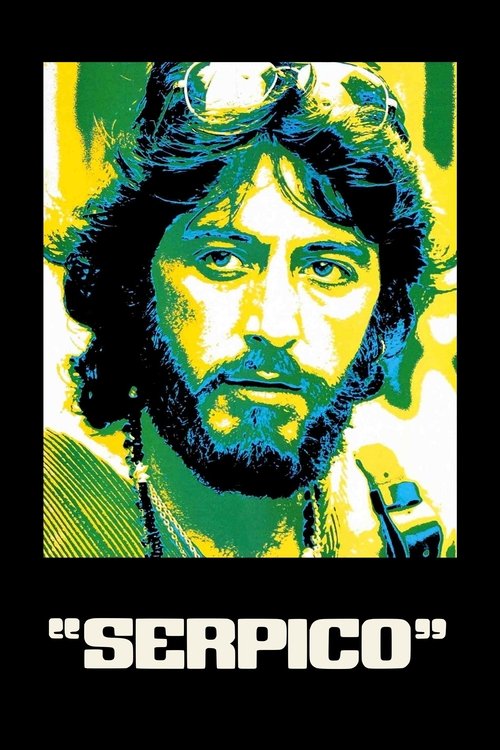
Serpico1973
Pacino's true story of a cop who reports corruption and is systematically destroyed by the system for it is the inverse thesis: what happens to the honest man in a corrupt institution, pursued with documentary-like detail.
But It's more earnest and less conceptually playful; the moral clarity here might feel simplistic after Petri's cold mirror.
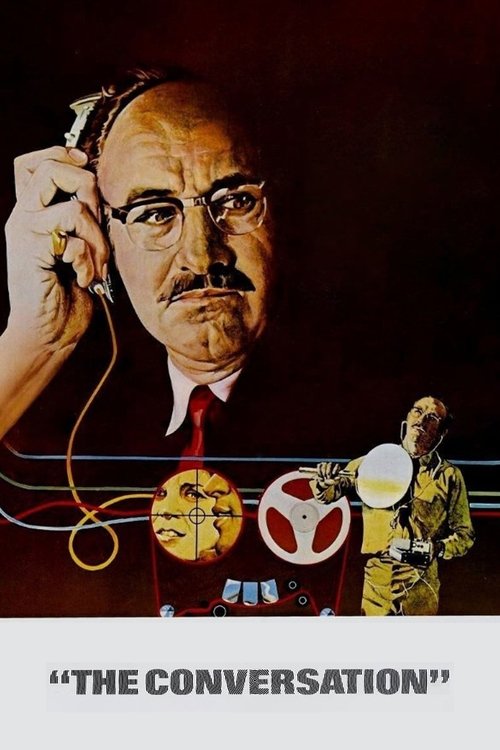
The Conversation1974
Coppola's paranoid surveillance thriller builds the same suffocating atmosphere where information becomes a weapon and institutions close in, with a protagonist slowly realizing complicity in something terrible.
But It's slower and more psychological than procedural, and some find the pacing glacial compared to more conventional thrillers.
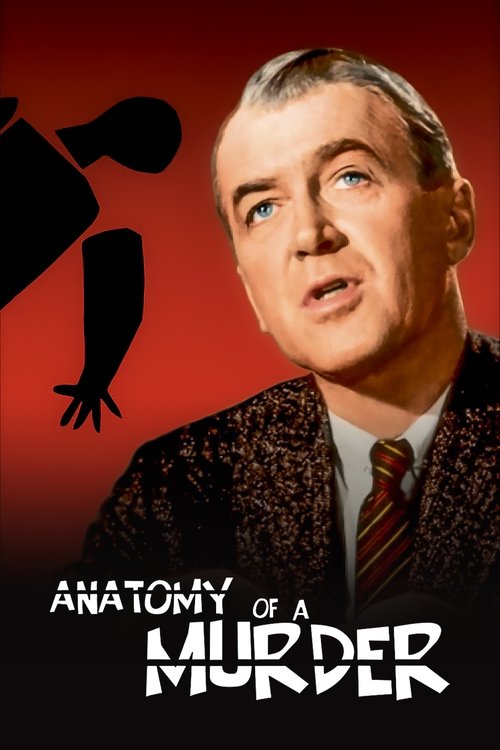
Anatomy of a Murder1959
Preminger's courtroom drama examines how the law is argued rather than applied, how institutions rely on rhetoric and performance—less cynical than Petri but asking similar questions about what justice actually means.
But It's a courtroom film first, which means it privileges legal procedure over moral investigation; the pacing is deliberate in a way some find tedious.
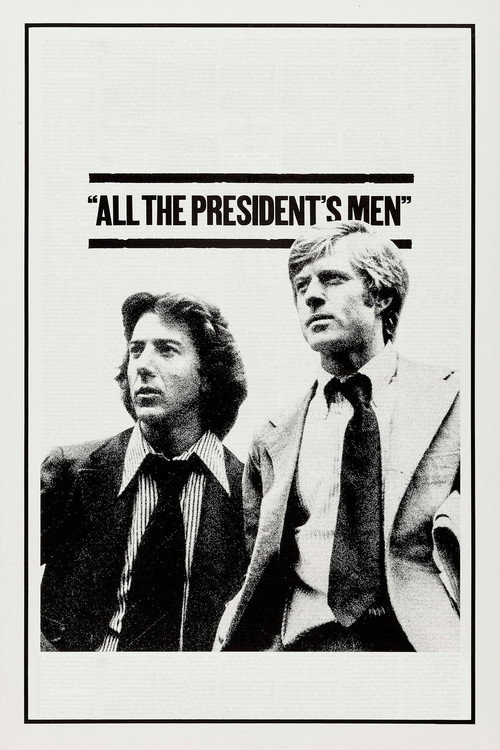
All the President's Men1976
Pakula's Watergate thriller shows institutions *attempting* to hold power accountable, a counterargument to Petri's pessimism about whether systems can police themselves, with the same methodical, procedural rigor.
But It's ultimately more optimistic and less philosophically rigorous; it wants to believe in the fourth estate, which undermines its parallel to Petri's bleaker vision.
The Third Man1949
Carol Reed's postwar Vienna noir explores moral compromise and institutional collapse with visual and narrative sophistication, asking what loyalty means when systems have failed—a spiritual ancestor in tone and complexity.
But It's a romantic thriller at heart, which softens its political edge; the ambiguity is poetic rather than cold, and less focused on systemic critique.

Kes1970
Both films refuse sentiment about their subjects and show systems (whether police or education) as fundamentally indifferent to human dignity, just from opposite directions of power.
Loach's British naturalist drama about a working-class boy and his hawk is geographically and tonally opposite to Petri: intimate, tender, and devastatingly about how systems crush aspiration from below rather than from within, but equally uncompromising about institutional indifference.
But It's a kitchen-sink realist film with regional accents and a rural setting; the texture is entirely different, and some find the pacing too languid.

The Seventh Seal1957
Both films are about confronting systems that cannot be beaten, only acknowledged, and both achieve their power through formal restraint and refusing false hope or escape routes.
Bergman's medieval knight playing chess with Death is a wildcard in register and era, but structurally identical: a man confronting an immovable system (mortality, divine judgment) that will not negotiate or be outwitted, played with quiet, philosophical precision.
But It's explicitly philosophical and symbolic rather than political; the medieval setting and metaphysical register may feel remote or overly literary compared to Petri's contemporary specificity.

People
Cast
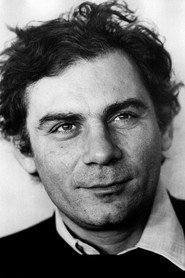 Gian Maria VolontéDottore
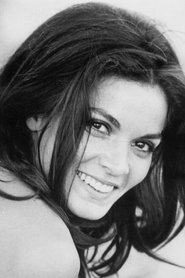 Florinda BolkanAugusta Terzi
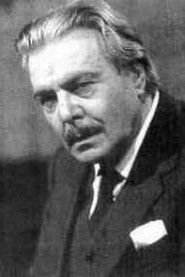 Gianni SantuccioPolice Prefect
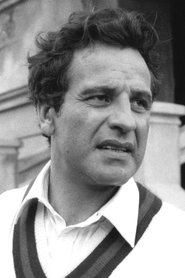 Orazio OrlandoBiglia
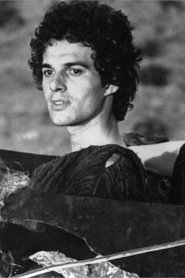 Sergio TramontiAntonio Pace
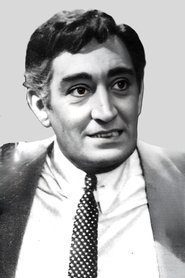 Arturo DominiciMangani
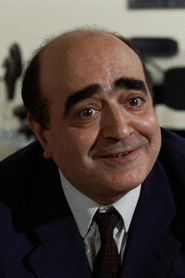 Aldo RendineNicola Panunzio
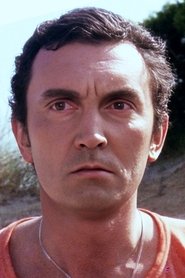 Massimo FoschiAugusta's Husband
 Aleka PaiziGoverness
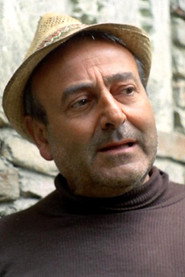 Vittorio DuseCanes
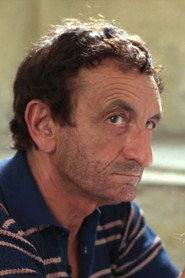 Pino PattiWiretapping Dep. Head
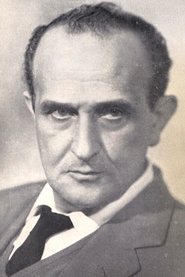 Salvo RandonePlumber
Directing
- Antonio GabrielliAssistant Director
- Lorenzo MagnoliaAssistant Director
- Elio PetriDirector
- Antonio GabrielliFirst Assistant Director
- Armenia BalducciScript Supervisor
- Lorenzo MagnoliaSecond Assistant Director
Writing
- Elio PetriScreenplay
- Ugo PirroScreenplay
- Elio PetriScreenstory
- Ugo PirroScreenstory
- Elio PetriStory
- Ugo PirroStory
Production
- Daniele SenatoreProducer
- Marina CicognaProducer
- Romano CardarelliProduction Director
- Romano CardarelliProduction Manager
- Roberto OnoratiProduction Secretary
- Alfredo PetriUnit Manager
- Hermes GallippiUnit Manager