
Film
The Assassination of Trotsky
A 1972 thriller about the historical hunt for Trotsky in Mexican exile, built around Richard Burton's magnetic performance as the exiled revolutionary. It's a tense political cat-and-mouse game that treats ideology as motivation rather than sermon. For those drawn to mid-century espionage drama and the weight of ideological conviction colliding with personal survival.
If you liked this
The Battle of Algiers1966
Gillo Pontecorvo's revolutionary document-thriller about colonial conflict and insurgency. Shot with documentary ferocity, morally complex, and genuinely suspenseful despite its historical inevitability. Political drama at its most electric.
But The violence is graphic and the ideology unsparing. It demands engagement rather than passive viewing. Black and white, Italian-Algerian co-production.

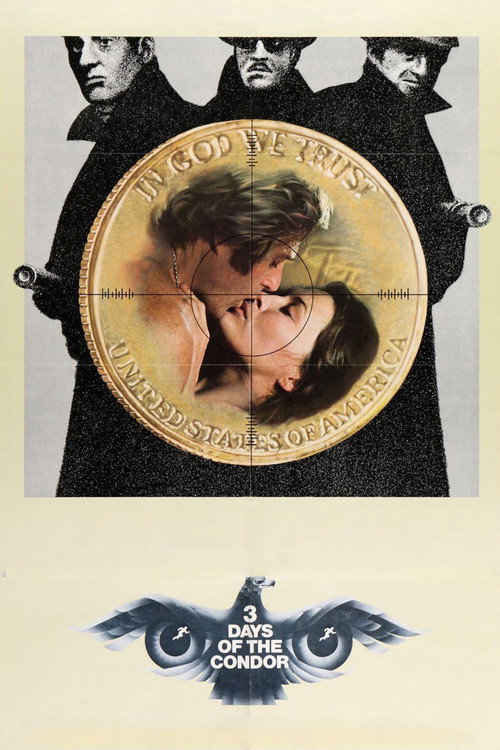
Three Days of the Condor1975
Robert Redford as an analyst hunted by his own agency. Paranoid, perfectly paced Seventies thriller with genuine stakes and moral ambiguity. Political intrigue without sermonizing—just momentum and dread.
But The ending is deliberately unresolved and morally unsettling. If you need closure, this won't provide it.
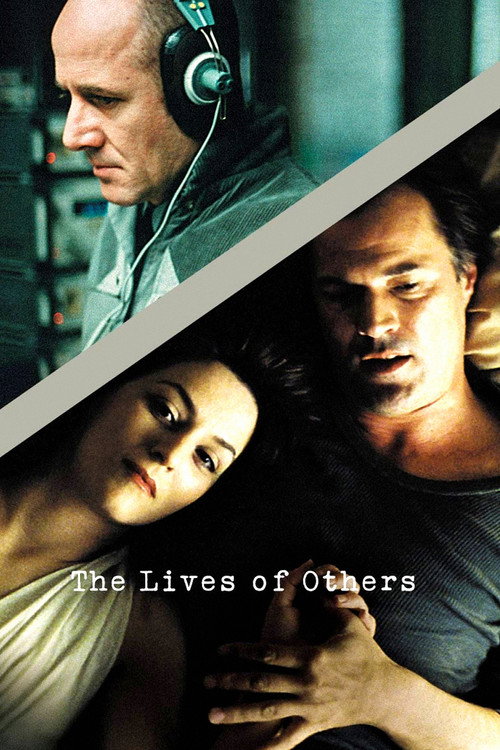
The Lives of Others2006
Florian Henckel von Donnersmarck's devastating study of surveillance and conscience under East German totalitarianism. Every frame earns its place. A meditation on power, loyalty, and the cost of complicity wrapped in thriller mechanics.
But It can feel schematic at moments—the moral arc sometimes telegraphed. And the weight accumulates; it's not entertainment, it's examination.
Not sure tonight? Get a pick in a minute, starting from The Assassination of Trotsky
The wildcard
Something you would not have found on your own.
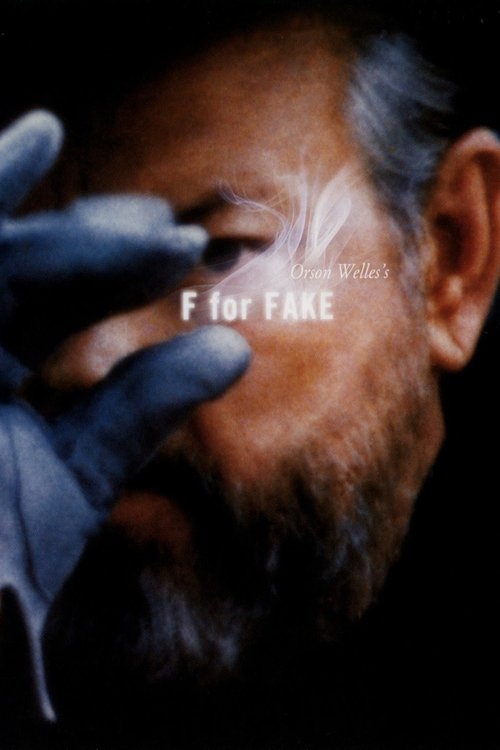
F for Fake1973
Both films are obsessed with competing versions of truth: the official narrative versus the lived experience. Welles shows how all stories are constructed; Trotsky shows what happens when two constructions collide fatally.
Orson Welles's essayistic meditation on deception, authenticity, and truth. Formally dazzling, philosophically radical, and only 85 minutes. It asks whether any historical narrative—including revolutions, assassinations, lives—can be trusted as fact.
But It's a collage, not a plot. Some viewers find it pretentious or fragmented. It requires you to think, not just watch.
More like this (7)
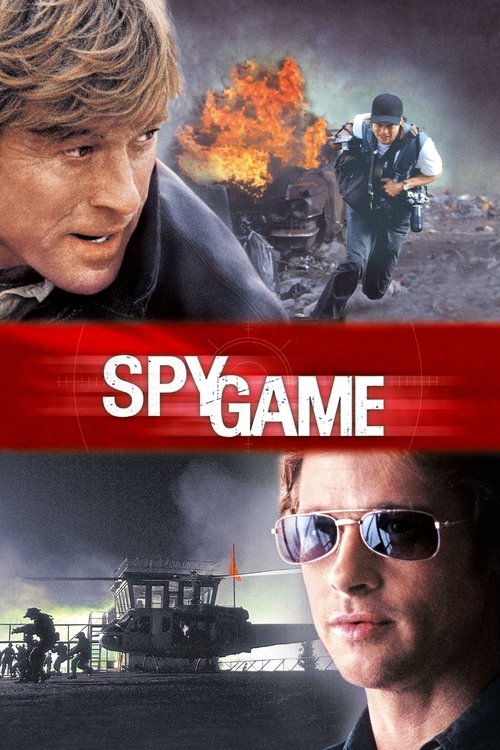
Spy Game2001
Tony Scott's kinetic, genuinely clever film about the mentor-student relationship between two spies. Fractured timeline, high stakes, and Robert Redford opposite a young Brad Pitt. Spy craft as both art and betrayal.
But It's slicker and more action-oriented than Trotsky—if you want political substance over stylish thrills, this won't satisfy that hunger.
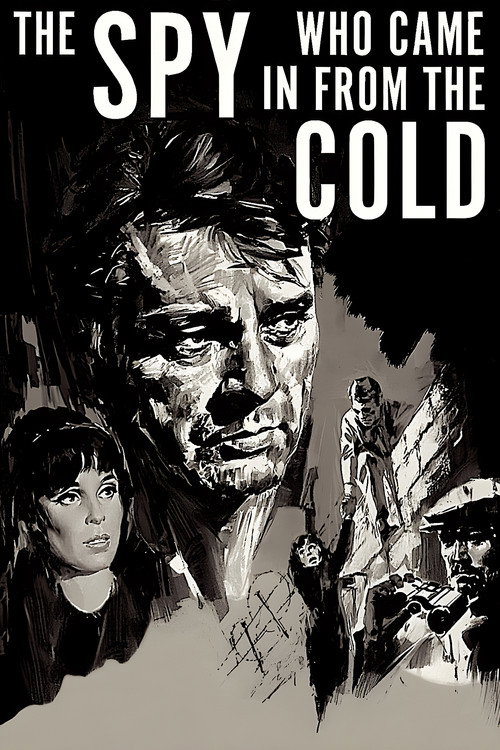
The Spy Who Came In from the Cold1965
John le Carré's Cold War masterpiece adapted faithfully. Richard Burton is magnificent as a weary, morally compromised operative. Bleak, intelligent, and genuinely tragic—espionage stripped of glamour and filled with despair.
But It moves slowly and offers no heroics or redemption. The world it shows is corroded and grey. Some find it bleaker than rewarding.
Contempt1963
Godard's film about a marriage dissolving on a film set, layered with philosophical and political inquiry. Jean-Luc Godard at his most visually sumptuous and intellectually restless. A masterpiece that rewards close attention.
But It's experimental and self-conscious in ways that can feel cold. The narrative is secondary to Godard's interrogation of cinema itself. Requires patience and appetite for provocation.

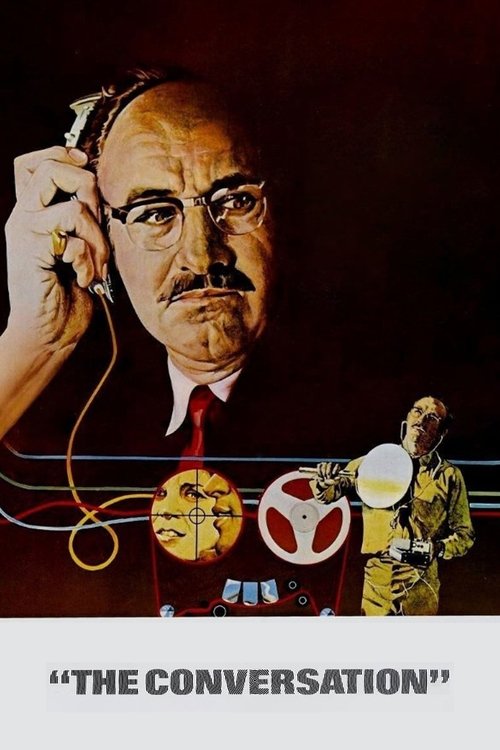
The Conversation1974
Francis Ford Coppola's paranoid masterpiece about surveillance and moral responsibility. Gene Hackman as a surveillance expert caught between complicity and conscience. Seventies paranoia distilled to its essence.
But It's meditative rather than action-driven, and the dread is psychological rather than visceral. The ending leaves you suspended in unease.
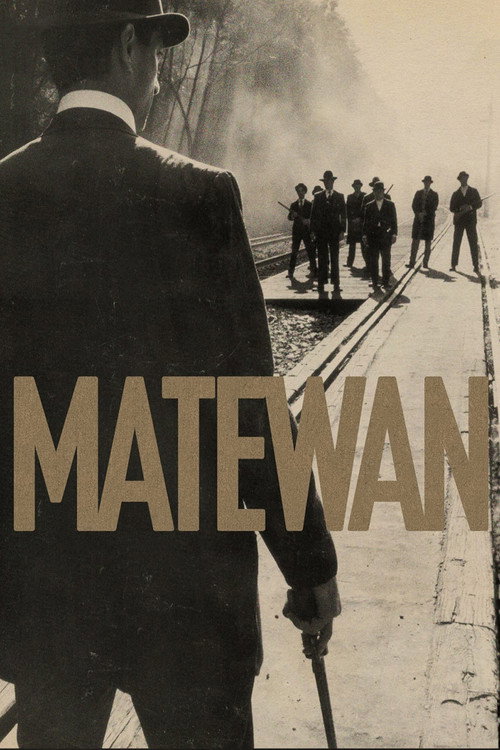
Matewan1987
John Sayles's film about a coal miners' strike and class struggle in Depression America. Political commitment expressed through character and community rather than polemic. Beautifully made, morally engaged without being preachy.
But The pacing is deliberate and the violence, when it comes, is shocking rather than expected. Some find Sayles's approach to narrative too subtle.
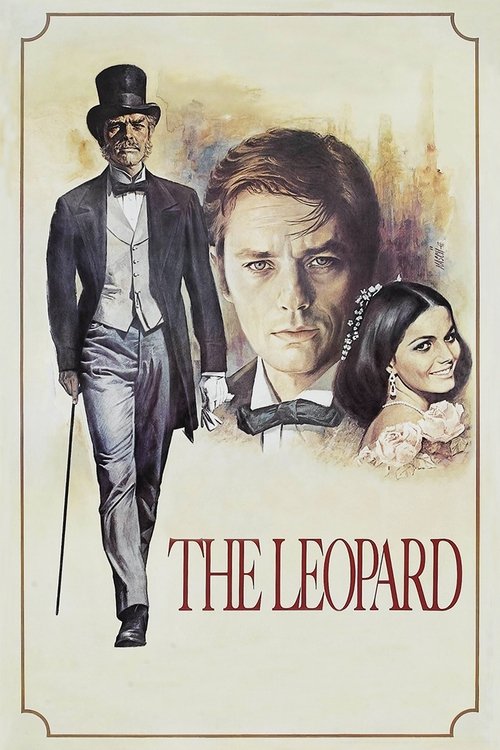
The Leopard1963
Both trace the collision between historical inevitability and personal dignity. The Prince watching his world dissolve parallels Trotsky witnessing the revolution he made turn against him. Both mourn what is lost even as they understand why it must be lost.
Luchino Visconti's masterpiece about revolution and the old order's transformation in 1860s Sicily. Burt Lancaster is luminous and tragic. Shot in VistaVision, devastatingly beautiful, and deeply political without a moment of rhetoric.
But It's a three-hour meditation on decline—some find the pacing glacial. The politics are subtle rather than explicit. Requires appetite for visual grandeur over plot.
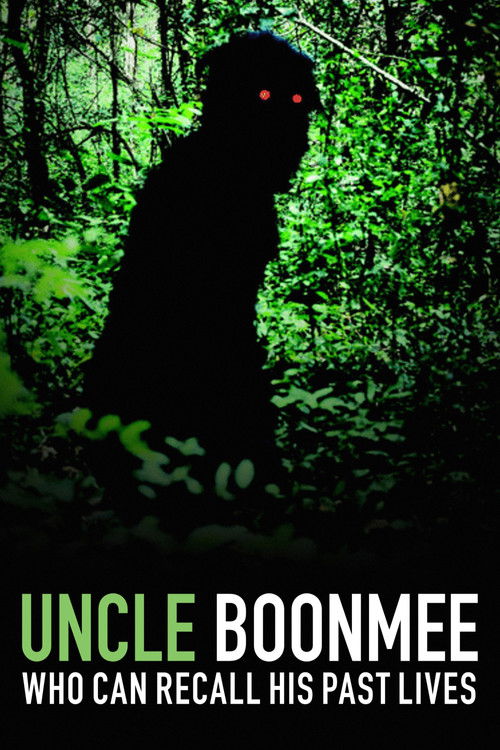
Uncle Boonmee Who Can Recall His Past Lives2010
Both films are fascinated by the weight of history on individual bodies—what it costs to be a historical figure, to carry revolutionary ideals, to be hunted, to be remembered. Boonmee's ghosts are literal; Trotsky's are the specters of his own revolution. Both ask: what remains of a life when history has finished with it?
Apichatpong Weerasethakul's hauntingly slow meditation on memory, loss, and the ghosts we carry. A Thai film about an old man and his family—and visitors from other realms. Hypnotic, strange, and philosophically profound.
But Nothing happens and it moves at a glacial pace. The narrative is minimal. It's experimental cinema, not conventional drama. Demands surrender to its rhythms rather than conventional engagement.
People
Cast
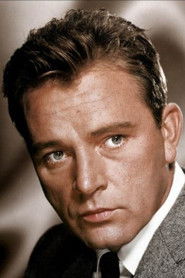 Richard BurtonLeon Trotsky
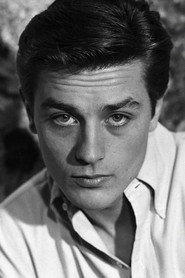 Alain DelonFrank Jackson
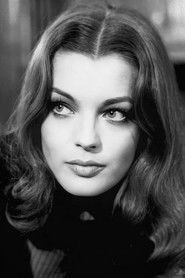 Romy SchneiderGita Samuels
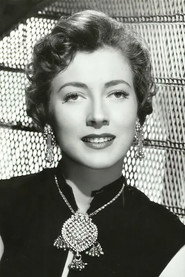 Valentina CorteseNatalia Trotsky
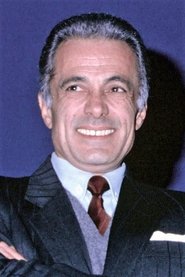 Duilio Del PreteFelipe
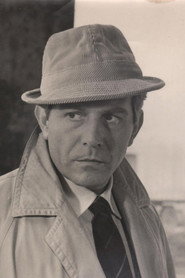 Enrico Maria SalernoSalazar
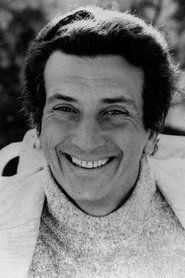 Luigi VannucchiRuiz
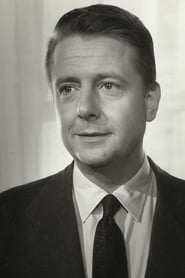 Jean DesaillyAlfred Rosmer
 Simone ValèreMarguerite Rosmer
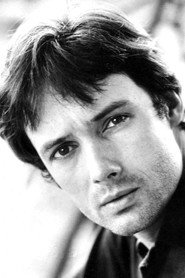 Peter ChatelOtto
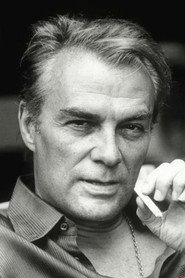
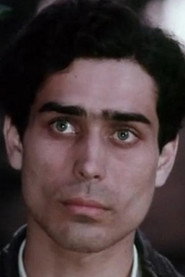 Carlos MirandaSheldon Harte
Directing
- Joseph LoseyDirector
Writing
- Nicholas MosleyAuthor
- Franco SolinasScreenplay
- Masolino D'AmicoScreenplay
Production
- Josef ShaftelExecutive Producer
- Joseph LoseyExecutive Producer
- Norman PriggenProducer