
Film
I'll Take Sweden
- Comedy
- Romantic comedy
- Light-hearted
A Bob Hope comedy where an exasperated father whisks his daughter off to Sweden to derail her engagement, only to watch her fall for a Swedish playboy instead. It's lightweight sixties fluff—songs, mistaken identities, romantic chaos—made tolerable by Hope's timing and the sheer audacity of using an entire country as a romantic obstacle. For fans of breezy, consequence-free entertainment.
If you liked this
Breakfast at Tiffany's1961
Audrey Hepburn as a free-spirited woman who charms her way through New York, with Henry Mancini's score and genuine warmth beneath the glamour. Light, romantic, endlessly rewatchable.
But The racial caricature is jarring and indefensible, even by 1961 standards. It's a genuine stain on an otherwise charming film.

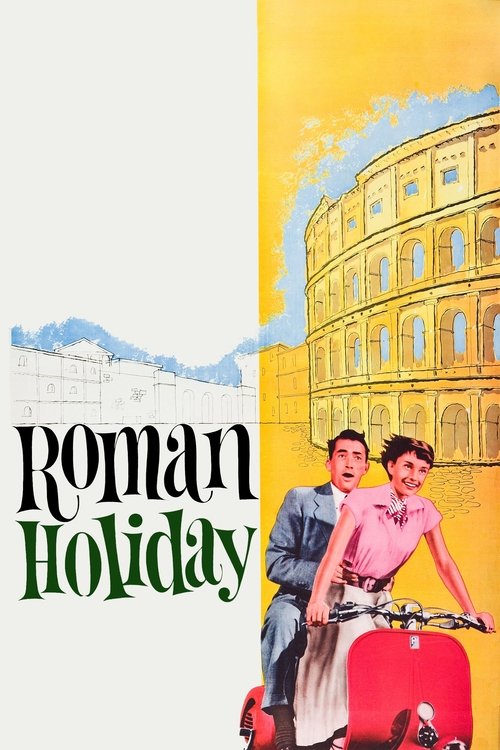
Roman Holiday1953
Audrey Hepburn and Gregory Peck in a perfect romance—a princess escapes her duties for one magical Roman day. Elegant, funny, and surprisingly touching without ever trying too hard.
But The plot hinges on a woman being kept ignorant for her own good. The romance, while lovely, is built on mild deception.
Singin' in the Rain1952
Gene Kelly, Donald O'Connor, and Debbie Reynolds in the purest expression of movie joy ever made. Inventive, effortless, a masterclass in how to integrate song and story.
But If you don't enjoy musicals, or if tap-dancing in fountains feels too relentlessly cheerful, this will test your patience.

Not sure tonight? Get a pick in a minute, starting from I'll Take Sweden
The wildcard
Something you would not have found on your own.
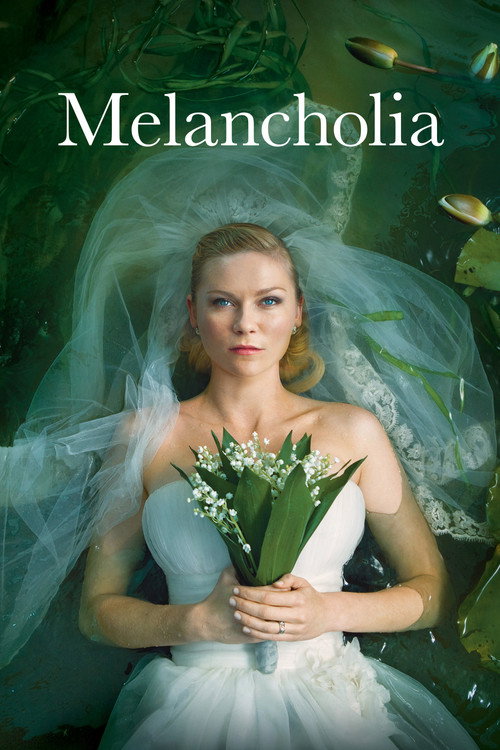
Melancholia2011
Both films use geographic displacement and romantic chaos as their engine, but Melancholia weaponizes the formula: instead of a father saving his daughter from a mistake, we watch a woman too depleted by mental illness to be saved by love or escape.
Lars von Trier's apocalyptic meditation on depression disguised as sci-fi. Kirsten Dunst gives a raw, devastating performance. Visually stunning and emotionally ruthless.
But It's bleak, slow-paced, and uninterested in providing catharsis. If you watch comedies to feel better, this does the opposite—intentionally.
More like this (8)
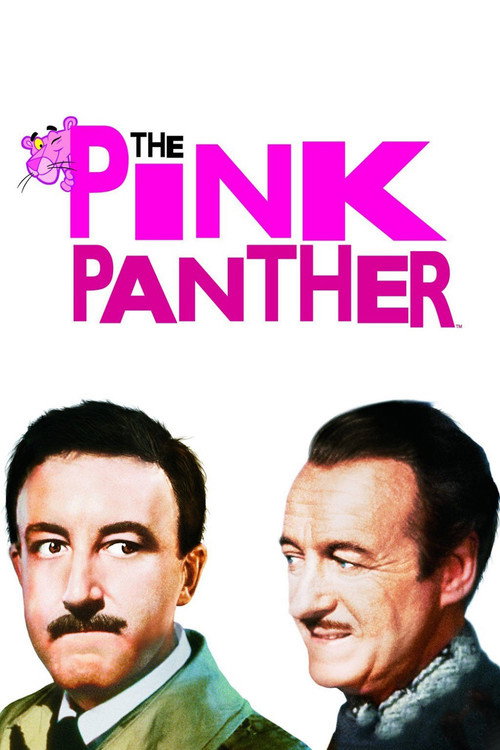
The Pink Panther1963
Peter Sellers as Inspector Clouseau—a bumbling detective who somehow solves crimes through sheer accident. Absurdist, physical comedy that still lands; Sellers is a force of nature.
But The humor is dated in places and relies heavily on slapstick. If you need your comedy sharp and satirical, this might feel too silly.
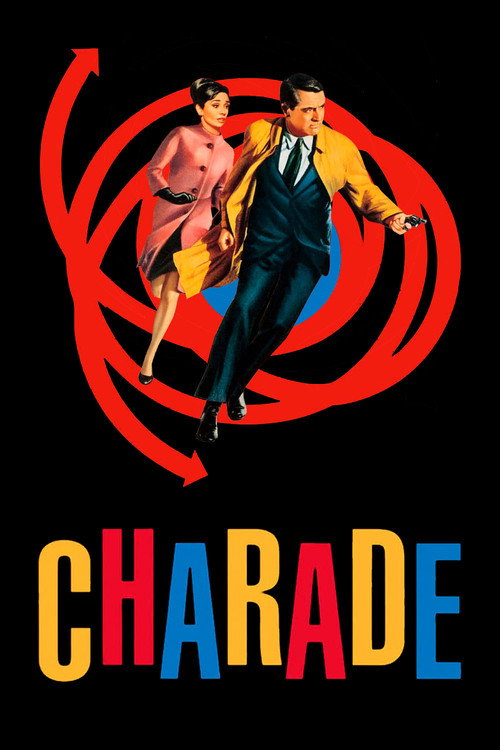
Charade1963
Audrey Hepburn and Cary Grant in a murder mystery-romance hybrid that keeps you guessing. Genuinely clever plotting wrapped in style and chemistry.
But The tonal shifts between romance and thriller can feel uneven. The ending comes close to undercutting the stakes it spent two hours building.
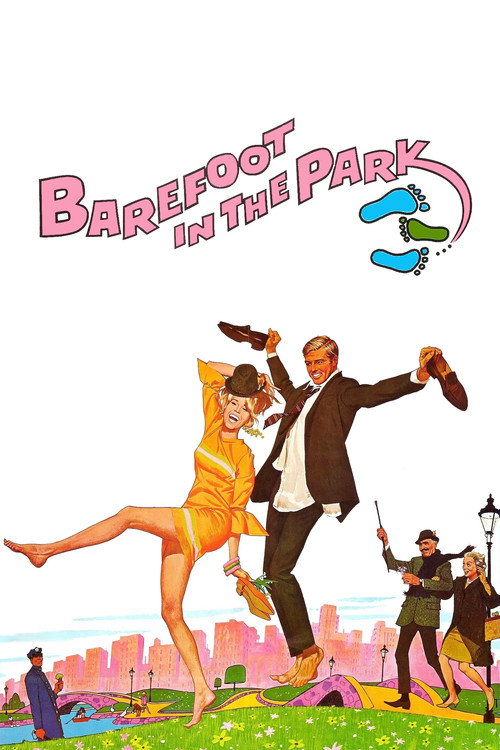
Barefoot in the Park1967
Robert Redford and Jane Fonda as newlyweds navigating marriage and New York City. Witty, energetic, and grounded in real relationship friction beneath the comedy.
But The gender politics are dated—Jane Fonda's character exists partly to be shaped by a man. Some jokes land better as period pieces than actual humor.
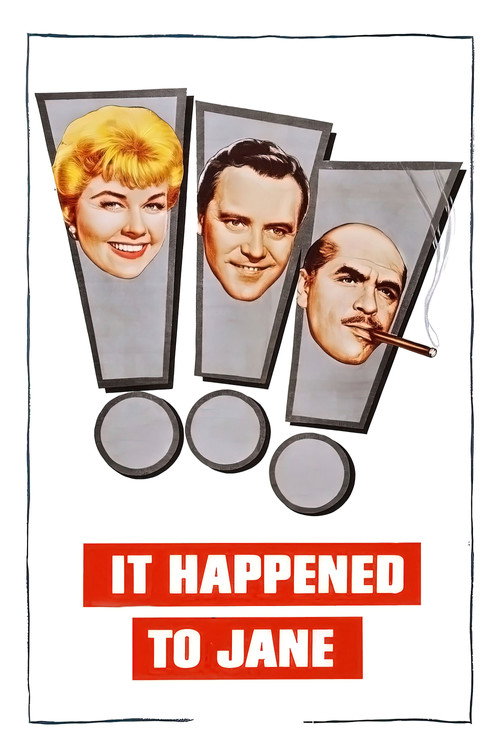
It Happened to Jane1959
Doris Day and Jack Lemmon in a screwball romance where a railroad company becomes the villain. Snappy dialogue, real chemistry, and Day doing what she does best: being irresistible.
But The plot is slight and the stakes are inconsequential. If you need weight to your entertainment, this is pure candy.
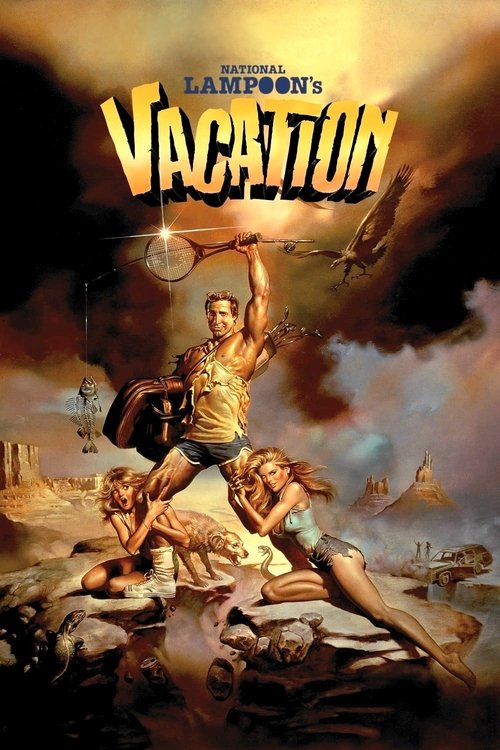
National Lampoon's Vacation1983
Chevy Chase as Clark Griswold attempting a cross-country family road trip, with disaster at every turn. Sharp satirical edge about American aspiration and family chaos.
But The humor is broader and cruder than Hope's era; some gags feel mean-spirited rather than playful. Also, very eighties.
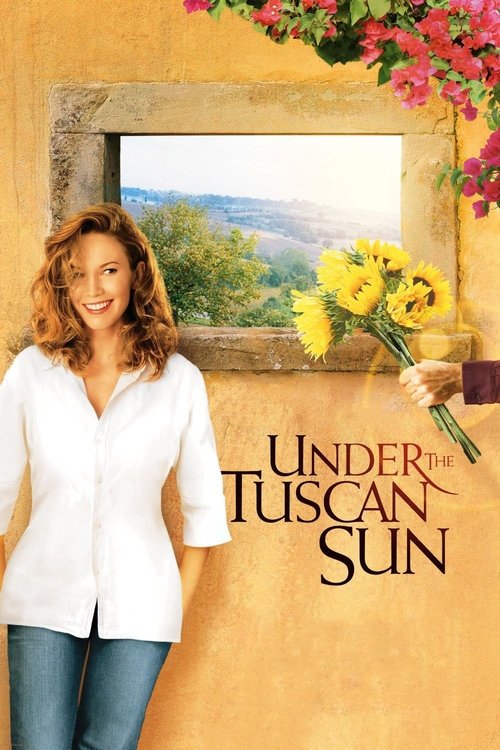
Under the Tuscan Sun2003
Diane Lane impulsively buys a villa in Italy and rebuilds her life. Pure escapism, visually sumptuous, and surprisingly effective at making you believe in second chances.
But It's aggressively feel-good and asks nothing difficult of you. The plot is utterly predictable and the stakes are cosmetic.
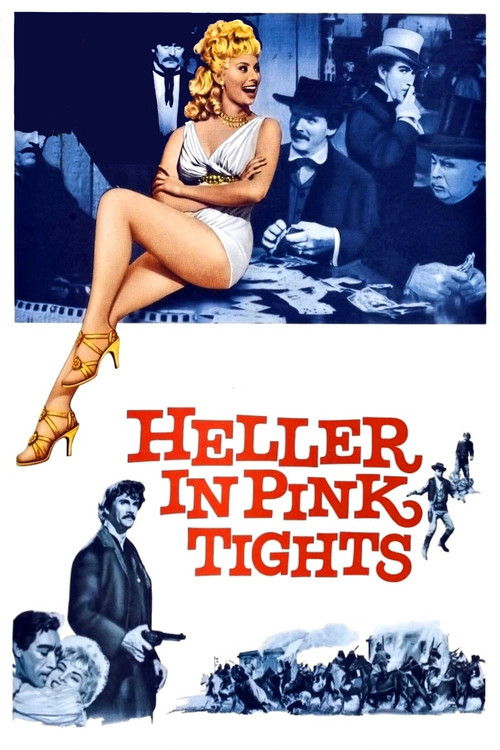
Heller in Pink Tights1960
Both are sixties-adjacent comedies built around implausible premise (move to Sweden; run a theater in the frontier), both prioritize tone and stars over plot logic, both are now treated as footnotes despite being exactly the kind of entertainment they were designed to be.
A traveling theater troupe in the Old West—Sophia Loren, Anthony Quinn, and Steve Reeves. It's a musical-western hybrid that shouldn't work but does: chaotic, colorful, genuinely inventive.
But The plot is barely there, which is the point, but also the problem. If you need narrative drive, you'll find it randomly meandering instead.
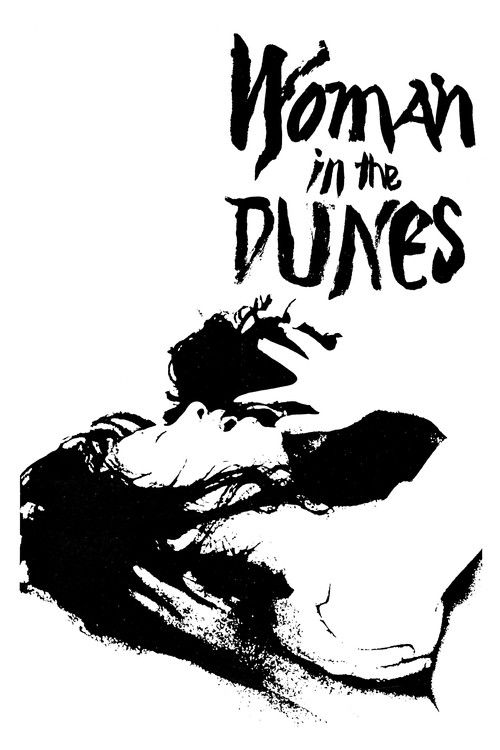
Woman in the Dunes1964
Where I'll Take Sweden uses travel and displacement as romantic comedy, Woman in the Dunes inverts it: displacement becomes metaphysical imprisonment. Both films are obsessed with what happens when a man's plans for a woman collide with her actual autonomy, but one is playful wish-fulfillment and the other is existential nightmare.
Hiroshi Teshigahara's hypnotic Japanese film about a man trapped in a sand pit with a widow, sifting sand eternally. Surreal, philosophical, visually extraordinary. It's slow cinema as a physical experience.
But It's deliberately monotonous and existential. There is no plot resolution, no escape, no romantic arc—only acceptance of entrapment as metaphor.
People
Cast
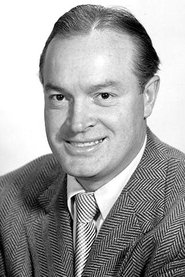 Bob HopeBob Holcomb
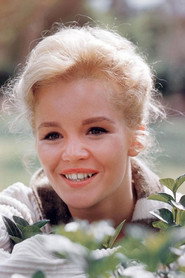 Tuesday WeldJoJo Holcomb
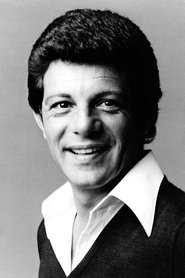 Frankie AvalonKenny Klinger
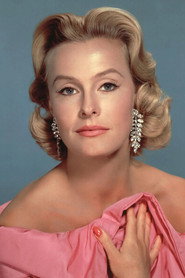 Dina MerrillKarin Granstedt
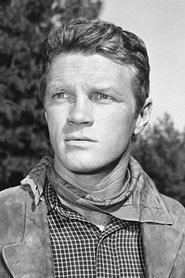 Jeremy SlateErik Carlson
- Rosemarie FranklandMarti
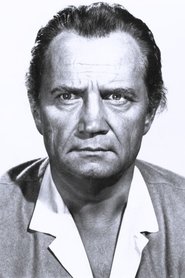 Walter SandeBjork
 John QualenOlaf
 Peter BourneIngemar
 Fay DeWittHilda
 Alice FrostGreta
 Maudie PrickettSpinster
Directing
- Herbert S. GreeneAssistant Director
- Frederick de CordovaDirector
- Dixie McCoyScript Supervisor
Writing
- Arthur MarxScreenplay
- Bob FisherScreenplay
- Nat PerrinStory
- Nat PerrinWriter
Production
- Alex GottliebAssociate Producer
- Harvey ClermontCasting
- Edward SmallProducer
- Harold E. KnoxProduction Supervisor