
Film
The Nature of Existence
Roger Nygard travels the world asking everyone—spiritual leaders, scientists, artists, pizza chefs—what they think existence means. It's a breezy, genuinely curious documentary that treats all answers with equal seriousness, whether profound or absurd. For anyone who's ever wondered what other people actually believe, and doesn't mind that no answers arrive.
Should you watch it?
Watch it if you enjoy a loose, curious wander through big questions where a wry filmmaker asks absurd, earnest questions of rabbis, scientists and pizza makers alike and lets the contradictions speak for themselves.
Skip it if you want a rigorous, structured argument or a clear guide to world religions, since this is more of a shaggy, sprawling collage that jumps between subjects and rarely settles on anything.
What it asks of you: It asks for patience with a loose, episodic shape and a willingness to follow a restless interviewer from one corner of the globe to the next without much of a through-line.
Not sure? Find tonight's pick in a minute.
If you liked this
Trekkies1997
Nygard's earlier film about Star Trek fandom with the same gentle, anthropological eye. He finds humanity and humor in passionate devotion without ever winking at the camera or mocking his subjects.
But It's specifically about Trek fans, and if that world bores you, the affection won't bridge the gap. Dated now in ways that feel a bit soft.

The Toys That Made Us2017
Netflix series with the same generous spirit: treating cultural artifacts and the people who love them as genuinely worth understanding. Episodes feel like conversations with friends rather than investigations.
But Very Netflix in pacing and structure—if you've overdosed on that template, this won't feel fresh. Each episode wraps up quickly without much friction or surprise.
Before Sunrise1995
Two strangers spend a night talking about meaning, connection, and why we're here. Linklater's film is essentially one long philosophical ramble, funny and searching without pretending there are answers waiting.
But Almost entirely dialogue. If you need plot or conventional narrative momentum, this will feel static and slow no matter how good the talk is.
Not sure tonight? Get a pick in a minute, starting from The Nature of Existence
The wildcard
Something you would not have found on your own.
Dekalog1989
Both explore how human beings construct meaning and belief systems, but where Nygard asks directly, Kieślowski shows you through fiction what those abstractions feel like to live inside.
Kieślowski's ten-hour series of short films exploring each of the Ten Commandments through ordinary Warsaw lives. Like Nygard, it's genuinely curious about how belief shapes behavior, but through narrative rather than interview—cinema as philosophy.
But Polish, 1989, asks enormous questions without providing comfort. The pacing is European arthouse and sometimes feels glacial. Some episodes are devastating rather than thought-provoking.
More like this (6)
The Fog of War2003
Errol Morris sits with Robert McNamara for two hours while he thinks aloud about Vietnam, power, and how we justify ourselves. Searching and unsettling without being didactic about what you should conclude.
But It's a profile of a controversial figure many find morally compromised. The film doesn't resolve that discomfort; it deepens it, which some find frustrating rather than honest.
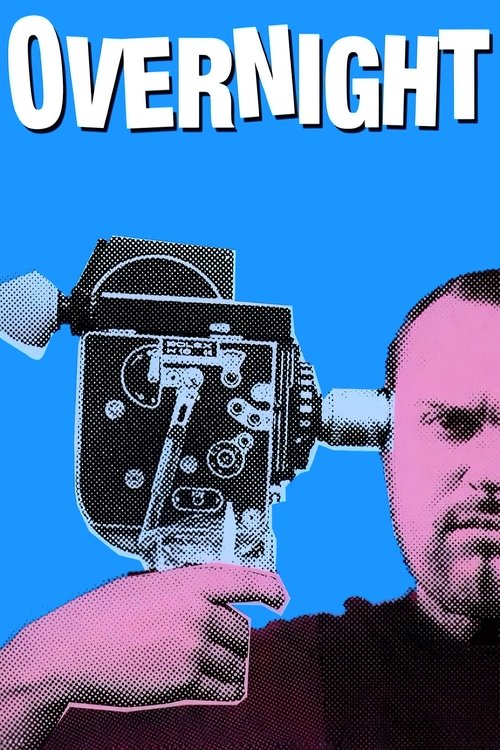
Overnight2003
Documentary about a delusional first-time filmmaker that becomes a tragedy about ambition and delusion. Like Nygard, it observes without judgment, but it's darker—you watch someone destroy themselves.
But It's uncomfortable and sad. The humor is there but it's tinged with genuine cruelty; watching someone fail this publicly reads as less curious and more cruel-adjacent than you might want.
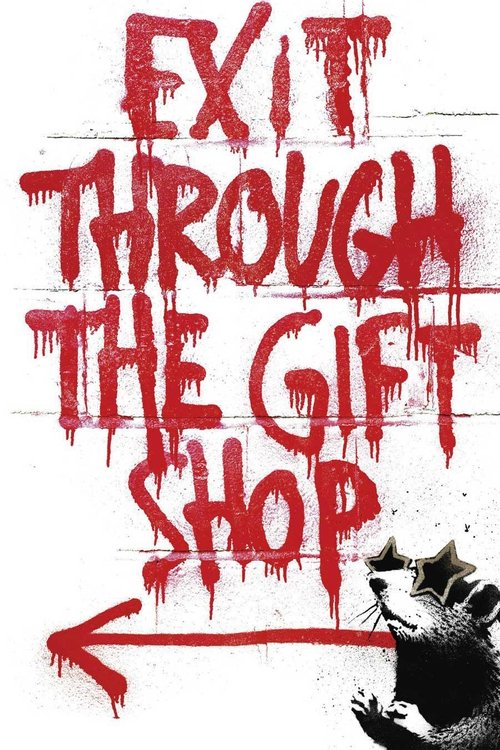
Exit Through the Gift Shop2010
Banksy follows a street art obsessive through the art world with deadpan wit and genuine bewilderment about what makes something matter. Questions the nature of art and documentation in the same spirit as Nygard.
But There's ambiguity about whether this is real or a prank. If you need documentary truth, the uncertainty is either delightful or maddening depending on your tolerance for slipperiness.
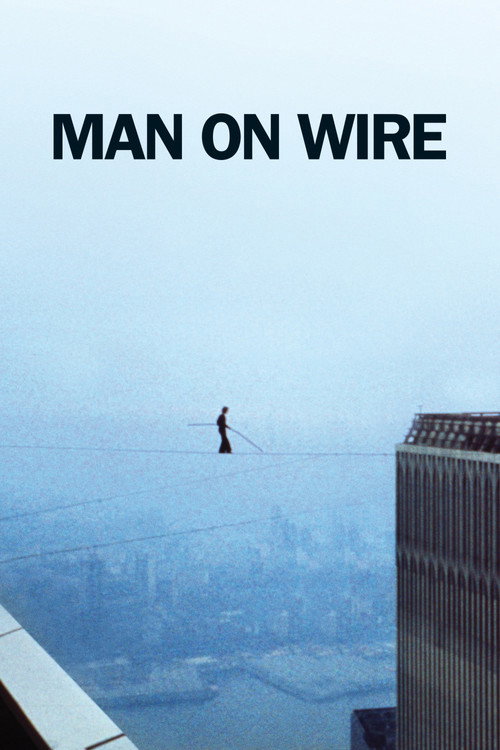
Man on Wire2008
Philippe Petit's 1974 tightrope walk between the Twin Towers, told with playful dramatization and interviews. A film about doing something beautiful and impossible for no reason but because you can.
But The recreations can feel theatrical rather than documentary-pure. If you want straight observation, the stylization might feel like the filmmaker showing off.
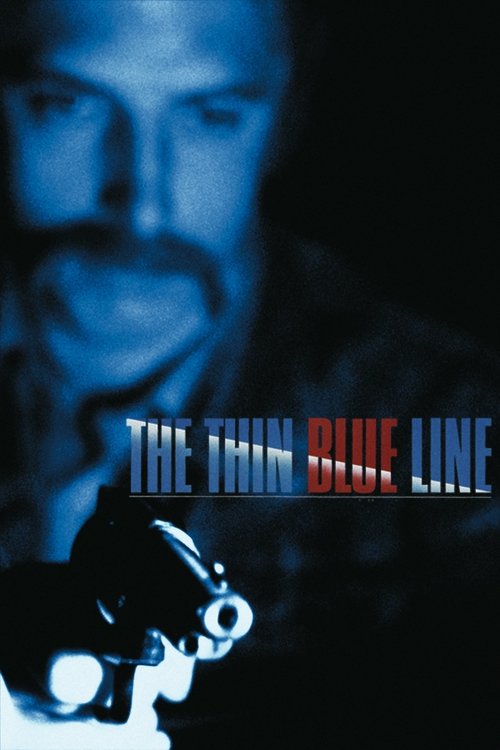
The Thin Blue Line1988
Both are structured as investigations through many voices and perspectives, but Morris's investigation has consequences. It shows what happens when the philosophical becomes legal and personal.
Morris reconstructs a murder case using interviews, reenactments, and that haunting score. Like Nygard, it builds truth from collected perspectives and questions—but stakes are real and the search lands somewhere.
But It's about a crime and injustice. The documentary solves something, which means it has endings and victims; much darker territory than Nygard's philosophical ramble, and the weight sticks with you.
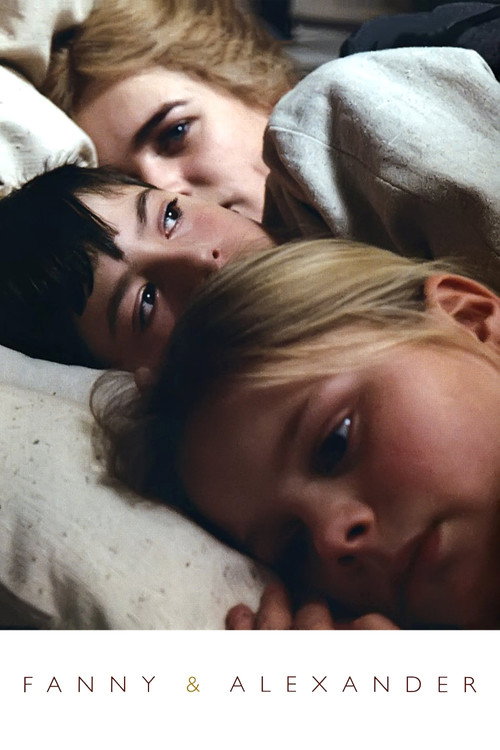
Fanny and Alexander1982
Where Nygard collects answers from many people about existence, Bergman dramatizes one family's attempt to make sense of a chaotic world through story, art, and forgiveness. Same questions, utterly different method.
Bergman's three-hour epic about childhood, magic, trauma, and family across Sweden's theatrical world. It's interested in how we construct meaning, narrative, and identity through art, performance, and memory—existential questions made tangible through cinema.
But It's long, Swedish, and Bergman—if you haven't acclimated to that register, it feels impenetrable. Some viewers find it precious rather than profound, and the fairy-tale elements can feel overwrought.
People
Directing
- Roger NygardDirector