
Film
Saraband
- Family drama
- Slow-burning
Bergman's final film reunites a divorced couple thirty years after their marriage fractured, finding them still tangled in each other's gravity. Shot in high-definition video with brutal intimacy, *Saraband* is a chamber piece about how love curdles into resentment, how families wound each other across decades, and whether anything resembling peace is possible. It's for anyone who's ever wondered what happens after the ending.
Should you watch it?
Watch it if you love close-up, talky chamber dramas about long marriages and the stubborn ties that outlast them, especially if you already know Johan and Marianne from Scenes from a Marriage.
Skip it if you need plot to drive you, since the film is mostly people talking in rooms and its mood stays heavy from first scene to last.
What it asks of you: Two hours at a patient, unhurried pace, with long held silences and faces you are expected to read closely; it rewards stillness more than attention to incident.
Not sure? Find tonight's pick in a minute.
If you liked this
Scenes from a Marriage2021
The original, essential context: watch how Bergman mapped the collapse of Johan and Marianne's marriage in crystalline detail. Thirty years later, *Saraband* asks what sediment remains. You need this foundation.
But It's deliberately slow and conversational, built on long takes of people talking in rooms. If you need plot momentum or exterior spectacle, this will feel like watching paint dry.

Another Year2010
Mike Leigh's companion piece to familial estrangement: a couple with a stable marriage watches friends and relatives unravel around them. Same DNA as *Saraband*—the quiet horror of seeing what people become, the small cruelties time enables.
But British social realism plays very differently from Bergman. Leigh's tone is drier, more sardonic. If you want the European art-film solemnity *Saraband* offers, this might feel too knowing.

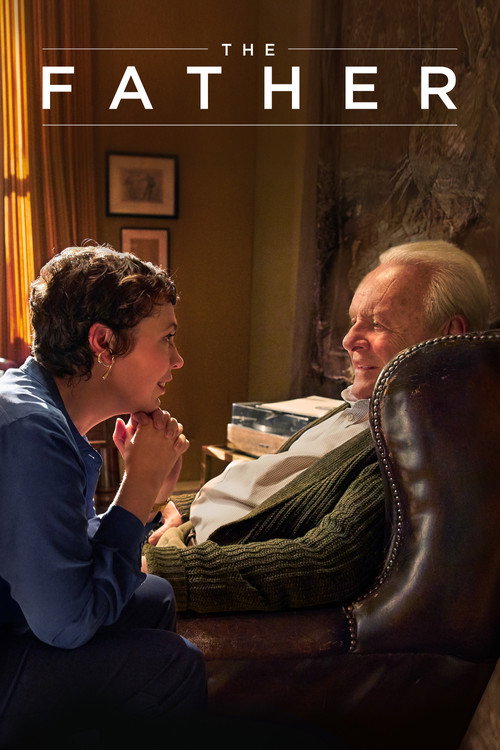
The Father2020
Another chamber drama about aging, family resentment, and the impossibility of understanding what's happening. Anthony Hopkins and Olivia Colman circle each other across a claustrophobic space. The emotional stakes are as high as they get.
But It's relentlessly bleak and focuses heavily on cognitive decline. The filmmaking occasionally prioritizes tricks over substance. Some find it manipulative rather than moving.
Not sure tonight? Get a pick in a minute, starting from Saraband
The wildcard
Something you would not have found on your own.
Cléo from 5 to 71962
Both are intimate portraits of characters at turning points, built on dialogue and observation rather than plot. But where Bergman is interior and dark, Varda is curious and sees possibility.
Agnès Varda's real-time chamber film about a woman waiting for medical test results. Like *Saraband*, it's about time passing, identity fracturing, and the small conversations that reveal everything. It's also wildly alive, where *Saraband* is elegiac. A different register entirely—lighter, more mobile, sometimes funny.
But It's plotless and observational. Nothing dramatic happens; Varda simply watches. If you want catharsis or resolution, you won't find it. It's also very French, very '60s in a way that can feel dated.

More like this (7)
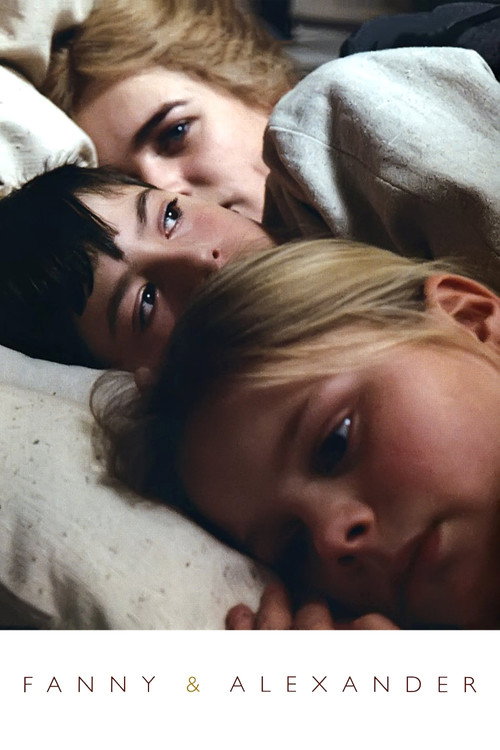
Fanny and Alexander1982
Bergman's own late masterpiece: another multigenerational family saga exploring love, cruelty, and forgiveness. If you're drawn to *Saraband*, this earlier work has similar DNA but more narrative scope and visual richness.
But It's long (over three hours), and Bergman's maximalism here works differently from the minimalism of *Saraband*. Some find the middle section theatrical to the point of excess.
Winter Light1963
Bergman's bleakest chamber drama: a pastor, a former lover, and a parishioner in a small church negotiating faith, desire, and emptiness. Same unflinching gaze at human limitation that animates *Saraband*.
But It's punishingly austere, even for Bergman. The emotional landscape is winter-gray throughout. If you need warmth or hope, you won't find it here.

In the Mood for Love2000
Wong Kar-wai's heartbreaking study of two neighbors discovering their spouses are having an affair. Like *Saraband*, it's about the architecture of longing and how past feeling persists in confined spaces. Visually rapturous where Bergman is severe.
But The plot is deceptively simple and the pacing is glacial. The visual beauty can feel like style over substance if you're not attuned to it. Some audiences find it precious.

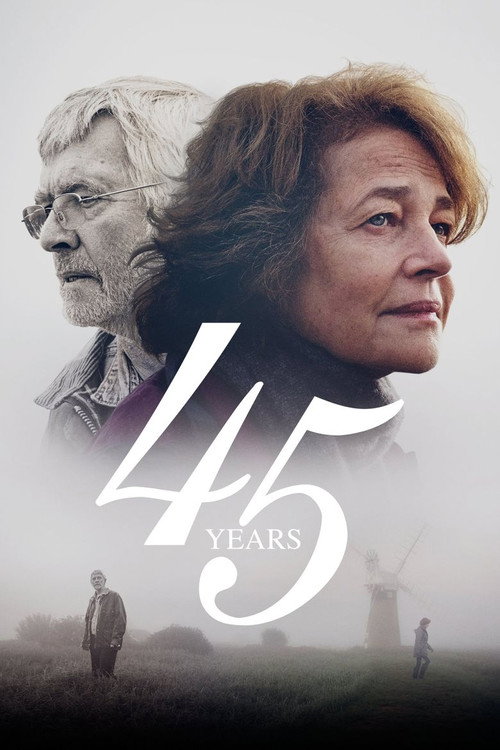
45 Years2015
A week before their forty-fifth anniversary party, a revelation about the husband's past destabilizes a marriage that seemed solid. Charlotte Rampling and Tom Courtenay in a devastating two-hander. Economical and precise in the way *Saraband* is.
But Extremely quiet and interior. The dramatic stakes might feel thin if you're watching for conventional narrative momentum. A lot happens in glances and silences.
Autumn Sonata1978
A concert pianist visits her daughter and finds their relationship fractured by decades of perceived abandonment. Ullmann and Ingrid Bergman in Bergman's most direct drama about maternal failure. Essential Bergman, full of accumulated bitterness.
But The emotional register is angry and accusatory. It doesn't offer the viewer much comfort. Some find it exhaustingly heavy without relief.

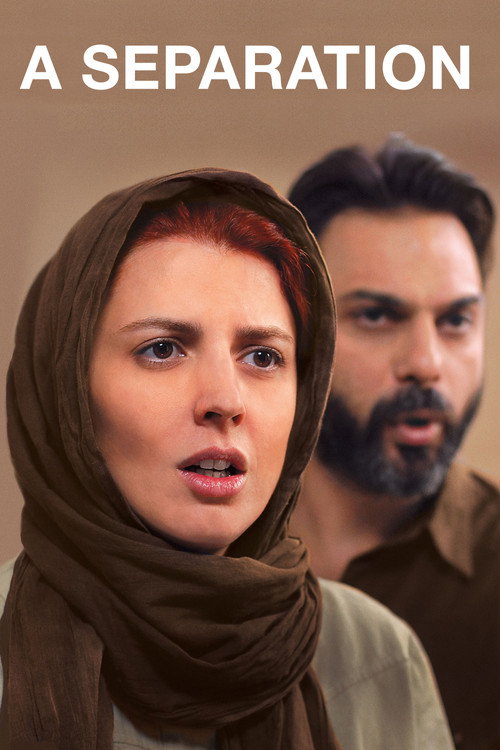
A Separation2011
Asghar Farhadi's masterpiece about a marriage dissolving, and the collateral damage it inflicts on children and families. Like *Saraband*, it refuses to assign blame cleanly. It's about how love and resentment coexist indefinitely.
But It's structured like a legal thriller, which might feel less artful than Bergman's approach. The cultural context is specifically Iranian, which some viewers find requires emotional translation.
Ikiru1952
Both films are late works (or near-final) about characters confronting decades of accumulated choices. But *Ikiru* finds dignity and connection in its protagonist's realization, while *Saraband* finds only damage and persistence.
Kurosawa's quiet masterpiece about a bureaucrat dying of cancer discovering what his life meant. It shares *Saraband*'s interest in time, regret, and what remains after damage. But it's utterly different in tone: graceful, sometimes tender, even comic. A life examined from the brink.
But It's slow, meditative, and fundamentally about mortality in a way that can feel heavy. The second half shifts registers in ways some find jarring. It's also Japanese cinema from 1952, which carries its own unfamiliarity.

People
Cast
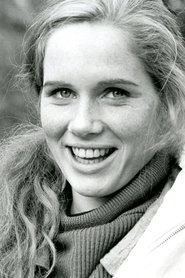 Liv UllmannMarianne
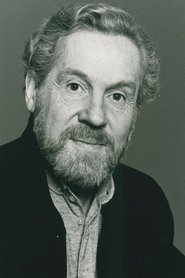 Erland JosephsonJohan
 Börje AhlstedtHenrik
 Julia DufveniusKarin
 Gunnel FredMartha