
Film
Room Service
- Comedy
- Light-hearted
The Marx Brothers stage a theatrical con from a hotel room, turning a desperate situation into farce. Groucho's fast-talking scheming meets Chico's linguistic chaos and Harpo's wordless mayhem as they try to fool a hotel manager into thinking they're solvent. It's pure vaudeville energy trapped in a room: rapid-fire gags, absurd logic, and performers at peak anarchic powers.
Should you watch it?
Watch it if you love farce where schemes pile up faster than anyone can keep track, and the pleasure is watching a fast-talking cast of Marx Brothers wreck a hotel floor one scam at a time.
Skip it if you want plot that builds quietly or characters who change; this is a 78-minute machine of gags and rapid-fire wordplay, and the story is mostly an excuse for the chaos.
What it asks of you: Settle in for a brisk, loud ride of about an hour and a quarter, where you need to keep up with overlapping dialogue and say yes to slapstick without apology.
Not sure? Find tonight's pick in a minute.
If you liked this
It Happened One Night1934
Screwball comedy at its most elegant: a reporter and heiress con their way across America with charm, chemistry, and dialogue that crackles. Claudette Colbert and Clark Gable make falling in love look like the funniest thing in the world.
But The pacing assumes you're hearing every line clearly, and the Depression-era worldview can feel distant. Some romantic beats land softer than they're meant to.

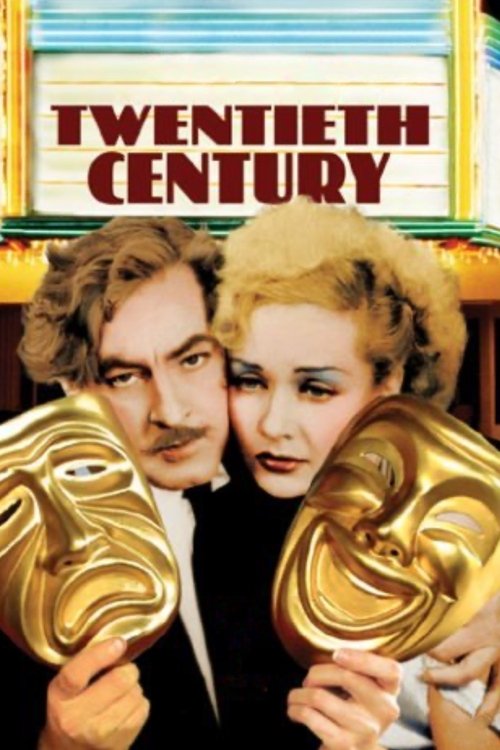
Twentieth Century1934
John Barrymore and Carole Lombard wage theatrical war on a moving train, matching wits and egos with a speed that feels genuinely dangerous. It's all artifice and performance, which is exactly the point—a movie about theatre people who can't stop acting.
But The humour hinges on you finding narcissism charming. If affected people annoy you, this will test your patience.
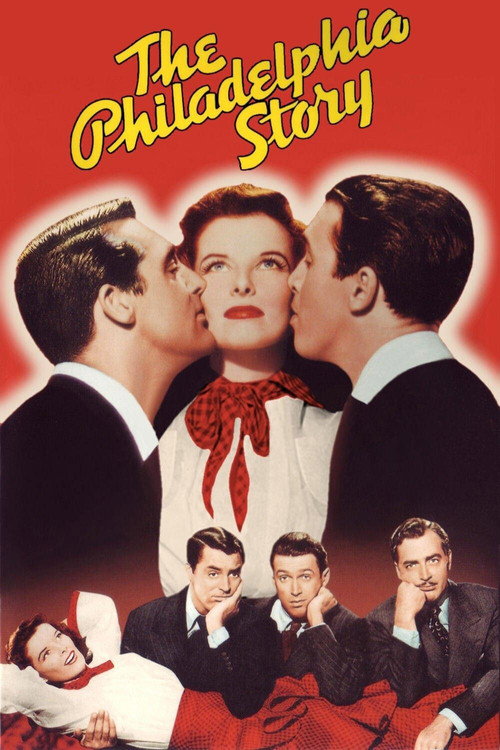
The Philadelphia Story1940
Cary Grant, James Stewart, and Katherine Hepburn orbit each other around a wedding, trading quips that feel both effortless and precisely calibrated. Sophisticated comedy that trusts you to keep up with the subtext.
But It's deeply concerned with class and propriety in ways that can feel stuffy. The third act softens the edges when some might prefer them sharper.
Not sure tonight? Get a pick in a minute, starting from Room Service
The wildcard
Something you would not have found on your own.
Singin' in the Rain1952
Both films treat performance—the artifice of theatre, the construction of character—as the actual subject. For the Marx Brothers, it's chaos and con games; for Kelly, it's movement and song. Same DNA, different language.
Gene Kelly, Donald O'Connor, and Debbie Reynolds in the Hollywood of the 1920s, moving between dialogue, vaudeville, and dance with the same velocity the Marx Brothers used for gags. It's Room Service's theatrical chaos married to dance—the same anarchic energy, different tools.
But If you're not interested in dance as a narrative tool, long sequences will feel self-indulgent. Some pacing drags in the non-musical scenes.

More like this (8)
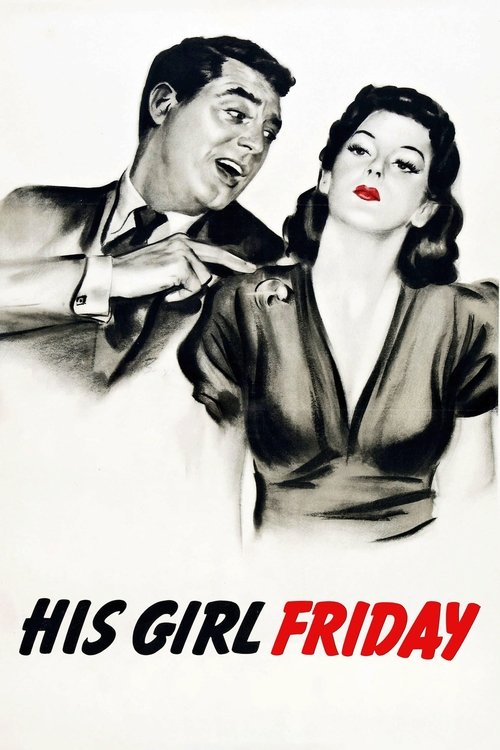
His Girl Friday1940
Rosalind Russell and Cary Grant talk at each other like machine guns, competing for a story and each other's attention across a newspaper office that hums with controlled chaos. One of the fastest comedies ever made, and it never stops moving.
But The overlapping dialogue can be exhausting if you're already tired. The gender politics are progressive for 1940 but still rooted in its era.
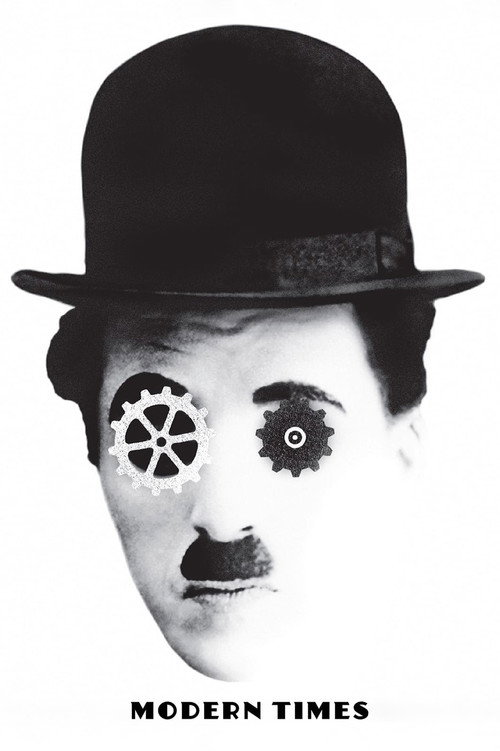
Modern Times1936
Chaplin's factory-floor ballet: a silent film about industrialization, unemployment, and hope, performed with such grace that it's both hilarious and genuinely moving. Comedy as a form of resistance.
But Silent film requires a different rhythm from sound comedy. The pathos is deliberate and can feel heavy if you came for laughs only.
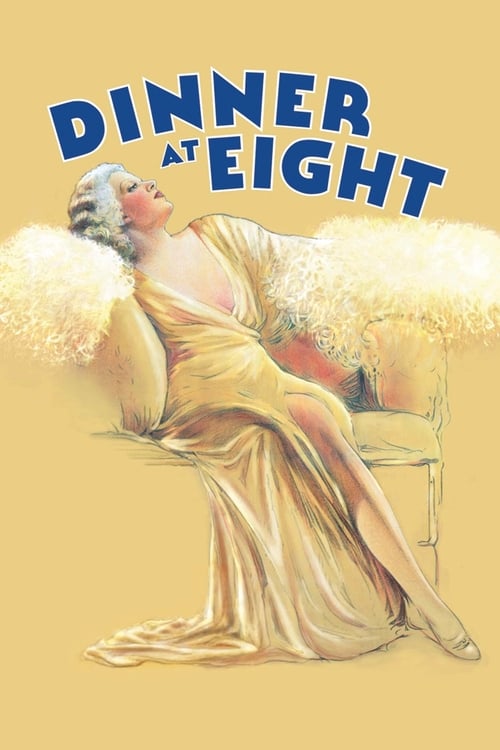
Dinner at Eight1933
An ensemble of Hollywood's finest—Wallace Beery, Jean Harlow, Marie Dressler, Lionel Barrymore—spiral through one night before a dinner party, each plot colliding with the others. Acute observation dressed as entertainment.
But With so many storylines, some feel underdeveloped. The pacing can feel baggy compared to tighter comedies of the era.
It's a Gift1934
W.C. Fields as a henpecked husband enduring a grotesque parade of minor torments. Comedy from sheer accumulated annoyance, with Fields' deadpan delivery suggesting he might murder everyone by the end.
But Fields' misanthropy is relentless and can feel one-note. There's no warmth to balance the cruelty, even though that's rather the point.

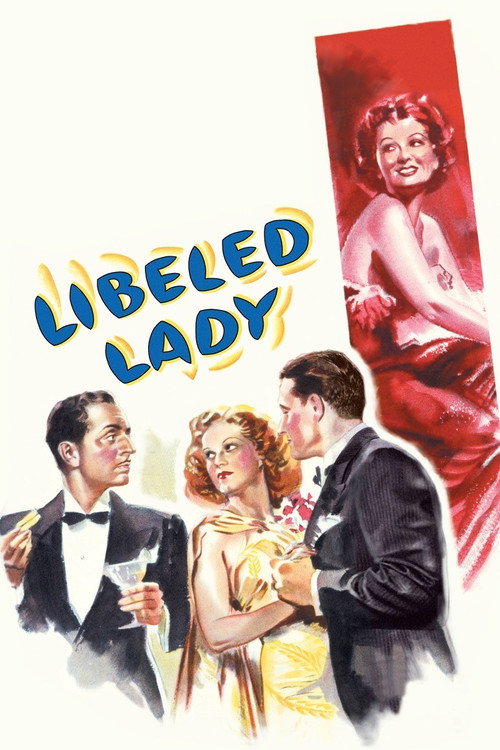
Libeled Lady1936
William Powell and Jean Harlow play a reporter and fiancée caught in an elaborate con, and their chemistry is so exact that you'd believe they could improvise their way through anything. Smart people having smart fun.
But The plot requires you to accept some fairly convoluted logic without thinking too hard. Pause the film and it falls apart.
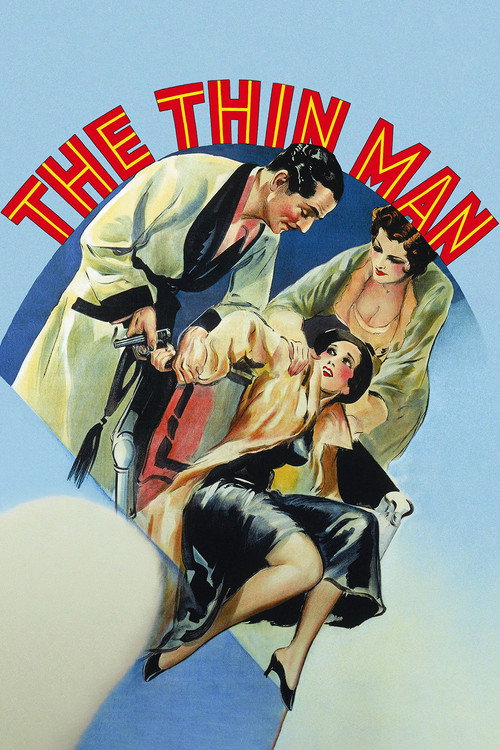
The Thin Man1934
William Powell and Myrna Loy as married sleuths solving a murder while getting cheerfully drunk and trading witty insults. It's a whodunit that knows the real mystery is whether they'll stay married—and honestly, who cares about the case?
But The mystery plot is thin and sometimes incoherent. If you're watching for the crime, you'll be frustrated. The charm is the relationship.
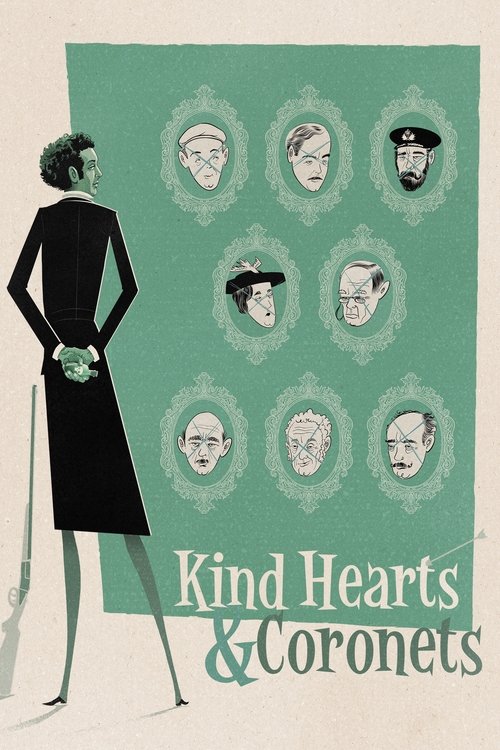
Kind Hearts and Coronets1949
Both are about performance as truth: the Marx Brothers as con men (pretending to be things they're not), Guinness as an actor playing an imposter (pretending to be things he's not). The medium becomes the message.
Alec Guinness plays eight characters in a single film—a tour de force of theatrical virtuosity where each murder victim is a new costume and accent. Performance as the central pleasure, with dark wit that never stops moving.
But It's a much darker film than Room Service: you're watching murders unfold, and the comedy is built on genuine malice. The tone shift from Marx chaos might be jarring.
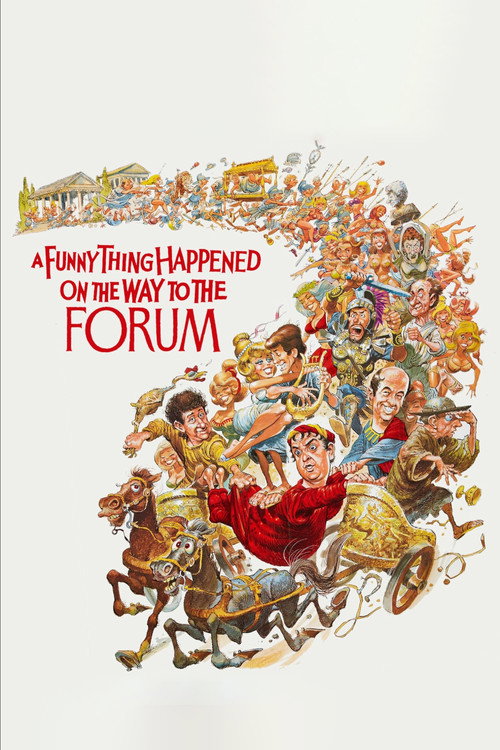
A Funny Thing Happened on the Way to the Forum1966
The plot of Room Service is barely a plot—it's an excuse for gags and routines stacked on top of each other. A Funny Thing is the same philosophy: plot is a hat-rack for jokes, and the joy is watching performers riff on a barely-coherent premise with absolute command.
Zero Mostel as a Roman slave conducting an elaborate farce with the energy of vaudeville transplanted to ancient Rome. Sondheim's musical comedy that moves like the Marx Brothers: every gag earned, every scene a set-up for the next, plot as mere scaffolding for jokes.
But It's a stage play adapted to film and feels it: broad, theatrical, deliberately artificial. If you prefer intimate comedy, the shouting will exhaust you.
People
Cast
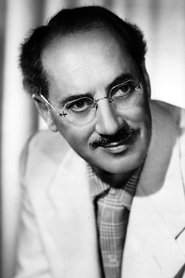 Groucho MarxGordon Miller
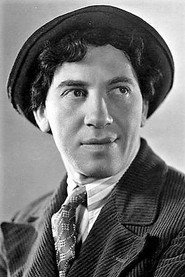 Chico MarxHarry Binelli
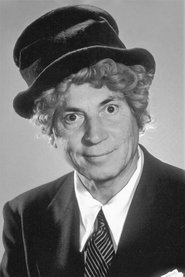 Harpo MarxFaker Englund
 Lucille BallChristine Marlowe
 Ann MillerHilda Manny
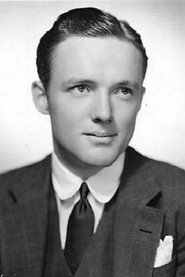 Frank AlbertsonLeo Davis
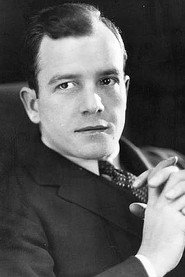 Cliff DunstanJoseph Gribble
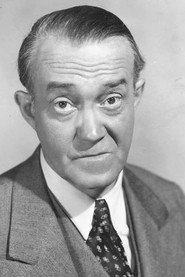 Donald MacBrideGregory Wagner
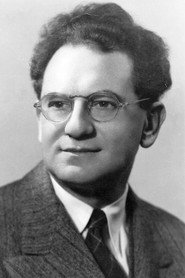 Philip LoebTimothy Hogarth
- Philip WoodSimon Jenkins
- Alexander AsroSasha Smirnoff
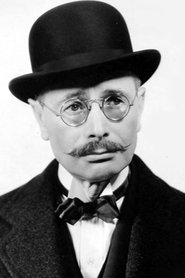 Charles HaltonDr. Glass
Directing
- James H. AndersonAssistant Director
- William A. SeiterDirector
Writing
- Morrie RyskindScreenplay
- Allen BoretzTheatre Play
- John MurrayTheatre Play
Production
- Pandro S. BermanProducer