
Film
Swann in Love
- Romance
- Period drama
- Slow-burning
Volker Schlöndorff's 1984 adaptation of Proust's novel captures the fever of obsessive love in Belle Époque Paris. Jeremy Irons embodies Swann's self-deluding passion for the elusive Odette with aching precision. Gorgeously mounted but glacial, it's for viewers willing to sit with aristocratic heartbreak and the slow cruelty of desire meeting indifference.
Should you watch it?
Watch it if you love Proust-like patience with social observation, where jealousy is examined through drawing rooms, letters and lingering glances more than through plot.
Skip it if you want momentum, since much of this is talk, waiting and sidelong looks in candlelit interiors, and its obsessive focus on one man's self-deceiving longing can feel airless.
What it asks of you: Its shape is leisurely and fixed on one man's humiliations at close range, so it asks for patience, long silences between sharp exchanges, and no rescue from the discomfort.
Not sure? Find tonight's pick in a minute.
If you liked this
The Remains of the Day1993
James Ivory directs Anthony Hopkins in another portrait of repressed longing and class collision. Quiet, exquisitely acted, and built on the same foundation: a man undone by what he cannot say or change.
But It moves at a deliberate pace that demands patience, and the emotional payoff is reserved rather than cathartic.

Brief Encounter1945
Noël Coward's masterpiece about an illicit connection between two ordinary people, shot with such tenderness it breaks your heart in five minutes. The DNA of all impossible love stories.
But The restraint and period setting might feel distant, and it refuses to indulge in melodrama when you might want it to.

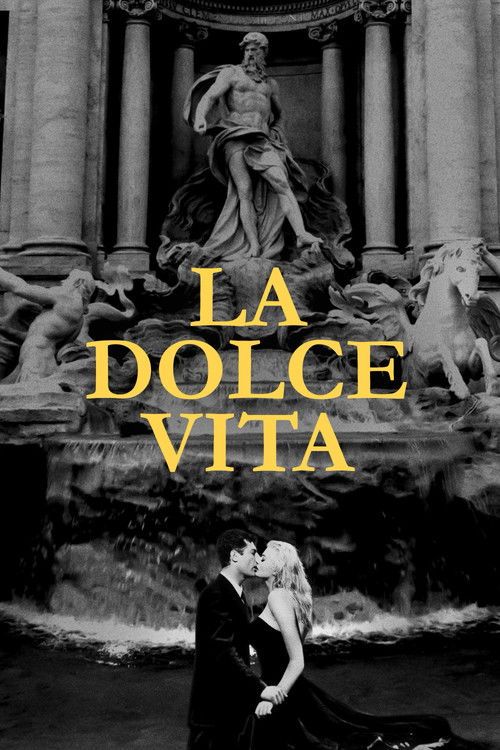
La Dolce Vita1960
Fellini's Rome is Schlöndorff's Paris: a glittering, cruel world where desire circles endlessly without satisfaction. Ravishing, decadent, hypnotic, and fundamentally lonely.
But It's three hours of wandering through surfaces and seductions. Plot is almost irrelevant; mood is everything. Some find that exhausting.
Not sure tonight? Get a pick in a minute, starting from Swann in Love
The wildcard
Something you would not have found on your own.
In the Mood for Love2000
Both films argue that the most exquisite love is the one you cannot have. Wong photographs that yearning; Schlöndorff narrates its corruption.
Wong Kar-wai photographs desire as pure colour and silence. Two neighbours discover their spouses are having an affair, and fall in love with each other without ever quite touching. The opposite of Swann—restraint as ecstasy.
But It's nearly dialogue-free and uses repetition, slow motion, and costume changes to tell its story. If you need plot momentum, it will feel airless.

More like this (8)
The Leopard1963
Visconti's grand epic of aristocratic decline in Sicily has the same lush visual language and the same sense of an entire world slipping away. Burt Lancaster is magnificent and doomed.
But It's operatic and slow, and the political upheaval can feel distant if you're not invested in period European history.

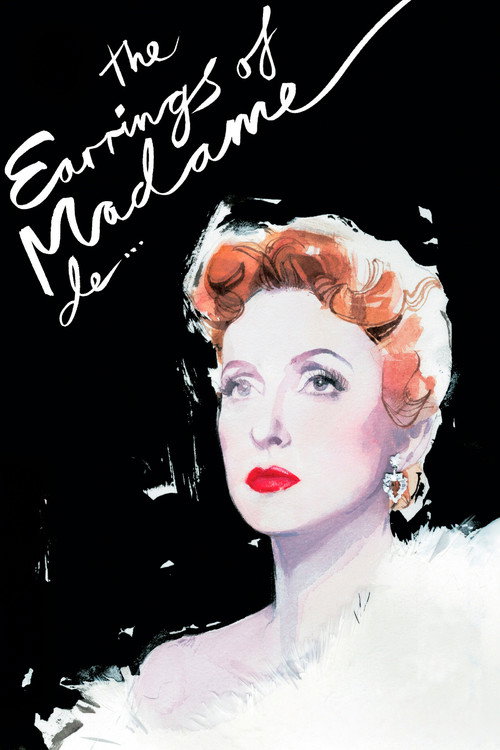
The Earrings of Madame de...1953
Max Ophüls directs a jeweled tragedy about a marriage destroyed by a pair of earrings. Formally perfect, painfully elegant, and it understands how small objects can carry the weight of empires.
But The style is so mannered and controlled that emotional intensity registers as whisper rather than roar.
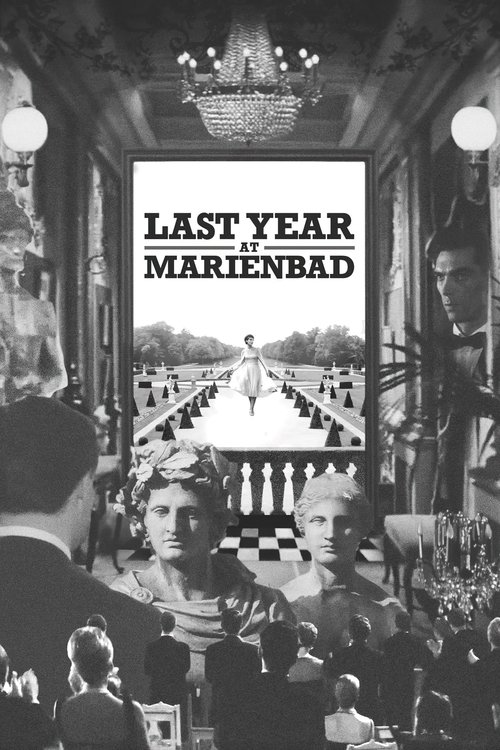
Last Year at Marienbad1961
Robbe-Grillet and Resnais create a labyrinth of desire, memory, and seduction in a baroque hotel. Hypnotic, strange, and utterly committed to the mystery of not knowing what is real.
But It's deliberately opaque and offers no answers. If you need clarity, this will frustrate you deeply.
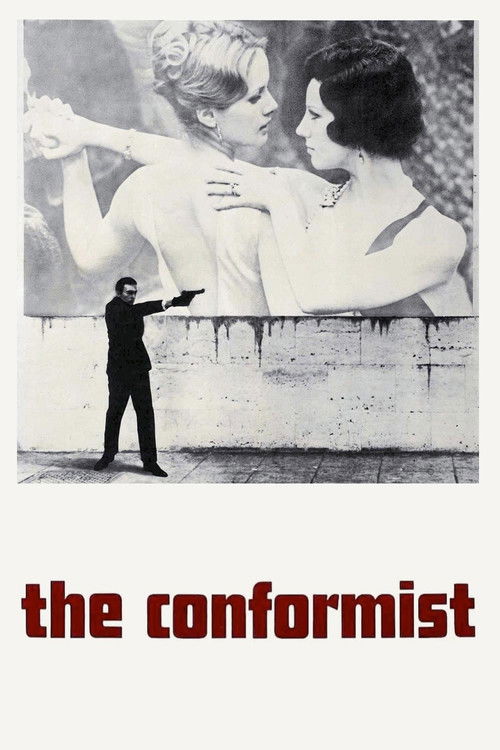
The Conformist1971
Bernardo Bertolucci shoots Fascist Italy in colours so rich they seem poisoned. Paolo is seduced by ideology the way Swann is by Odette: completely, irrationally, fatally.
But It's dark and morally murky, and the seduction is political rather than romantic, which can feel cold.
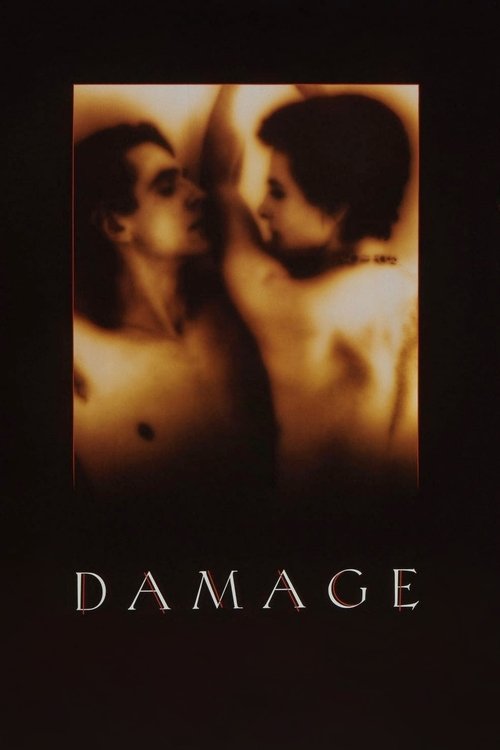
Damage1992
Louis Malle's film about a Cabinet minister destroyed by an affair with his son's fiancée has the same sophisticated sadness: two people locked in a pattern they cannot break.
But It's deliberately bleak and features explicit sex, which some find exploitative rather than illuminating.
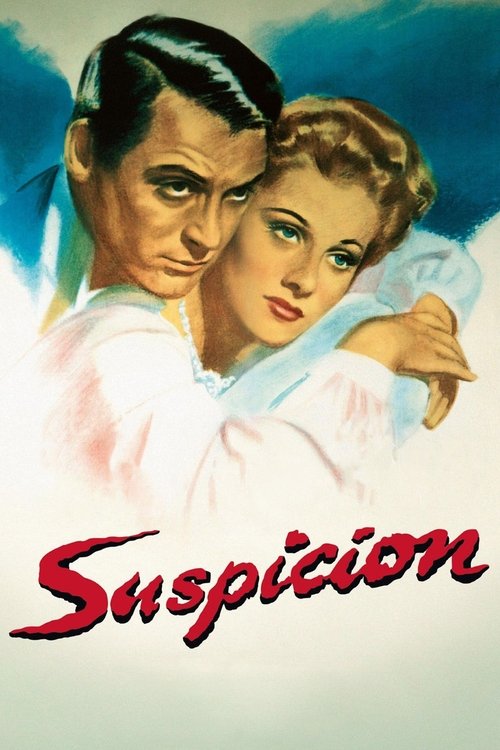
Suspicion1941
Hitchcock explores paranoia and doubt in marriage with Cary Grant and Joan Fontaine. Psychologically acute about how love and fear can occupy the same space.
But The ending famously capitulates to studio pressure, which undercuts the psychological insight of everything before it.
A Ghost Story2017
Both examine obsession as a form of haunting. Swann is imprisoned by Odette; the ghost is imprisoned by memory. Neither can move forward or let go.
David Lowery makes a film about haunting and loss so tender it seems to exist outside time. A man returns as a ghost to watch the life he has lost. Achingly beautiful and strange.
But It's genuinely weird—there's a famous, long scene of a man under a sheet eating pie—and the mood is dreamlike rather than narrative. Some will find it precious.

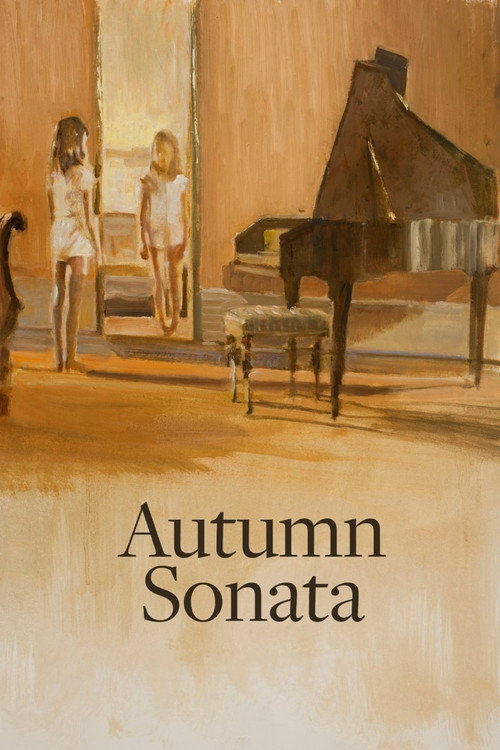
Autumn Sonata1978
Where Swann explores desire across a chasm of class, Bergman explores attachment across the chasm of time and disappointment. Both show relationships as a form of slow, mutual wounding.
Ingmar Bergman films a day between an estranged mother and daughter. Liv Ullmann and Ingrid Bergman in a two-hander of such psychological density it feels like watching someone's nerves exposed. Raw, intimate, devastating.
But It's claustrophobic and emotionally intense, with no distance or humour as respite. For some, Bergman's dissection of family pain is too unsparing to endure.
People
Cast
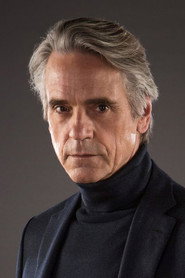 Jeremy IronsCharles Swann
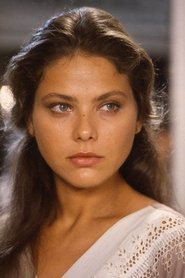 Ornella MutiOdette de Crécy
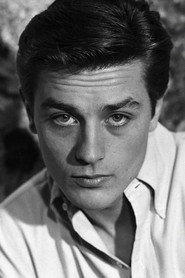 Alain DelonBaron de Charlus
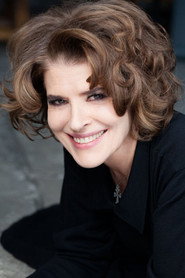 Fanny ArdantDuchesse de Guermantes
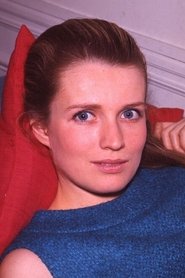 Marie-Christine BarraultMadame Verdurin
 Anne BennentChloé
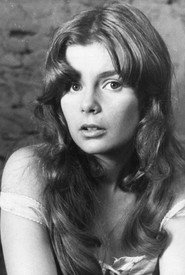 Nathalie JuvetMadame Cottard
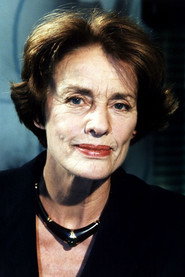 Charlotte KerrBordellchefin

- Philippine PascalMadame Gallardon
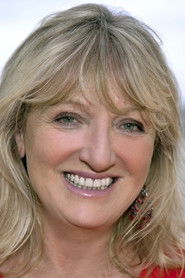 Charlotte de TurckheimMadame de Cambremer
- Nicolas BabyYoung Jew
Directing
- Volker SchlöndorffDirector
Writing
- Marcel ProustNovel
- Jean-Claude CarrièreWriter
- Marie-Hélène EstienneWriter
- Peter BrookWriter
Production
- Caroline HuppertCasting
- Marie-Christine D'AragonCasting
- Romain BrémondCasting
- Margaret MénégozExecutive Producer
- Eberhard JunkersdorfProducer
- Martin WiebelProducer