
Film
The House on 92nd Street
A taut 1945 spy thriller about American counterintelligence hunting Nazi agents in New York City. Shot partly on location with documentary urgency, it feels like watching actual espionage unfold rather than movie heroics. Essential viewing for anyone curious about how thrillers looked before they became cartoonish, and a fascinating historical artifact about Cold War paranoia's first spark.
Should you watch it?
Watch it if you enjoy procedural thrillers that treat paperwork, surveillance and patient legwork as the drama, delivered in a crisp, cool, newsreel-flavored manner.
Skip it if you want suspense built on character or romance, since this one keeps its people at arm's length and its focus on the investigation's methods.
What it asks of you: A close ear for names and procedure, a brisk eighty-eight minutes, and a dry narrator who rarely lingers on feeling.
Not sure? Find tonight's pick in a minute.
If you liked this
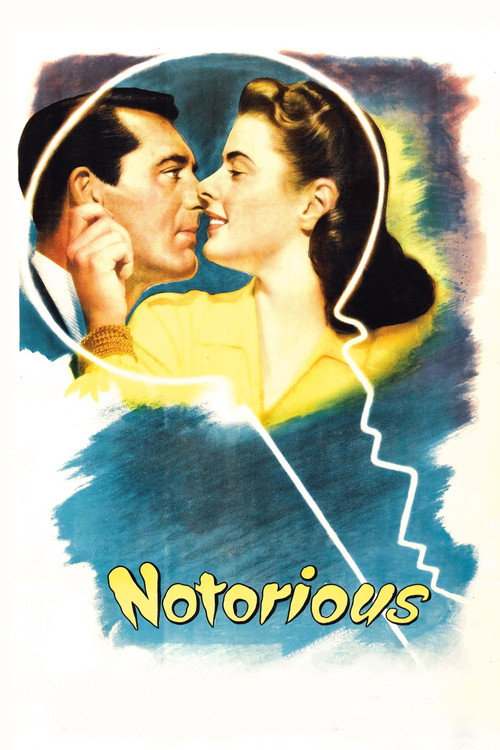
Notorious1946
Hitchcock's masterpiece of espionage and seduction, where moral ambiguity and romantic tension bind the thriller together. A story about infiltration told with pure cinematic brilliance.
But The middle section sags slightly, and it's slower than modern audiences expect. Some plot mechanics feel dated.
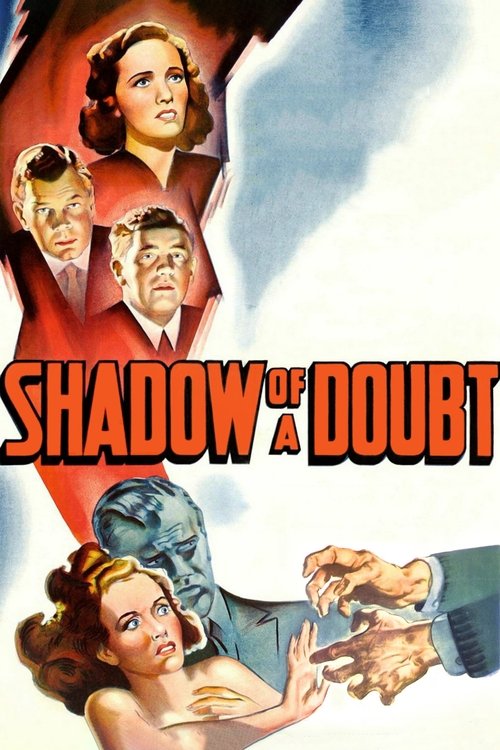
Shadow of a Doubt1943
Hitchcock's own favorite among his films. Small-town America discovers evil at home through meticulous suspense. A deeply American story about innocence shattered, beautifully constructed.
But It's a psychological thriller without action sequences. The pacing is deliberate, which some find tedious.
The Third Man1949
Vienna after WWII, moral corruption, and a mystery that deepens with every answer. Graham Greene's screenplay and Carol Reed's direction create the definitive postwar thriller—atmospheric, intelligent, perfectly acted.
But It's a slow burn that demands patience. The zither score is iconic but divisive, and the cynicism runs deep.

Not sure tonight? Get a pick in a minute, starting from The House on 92nd Street
The wildcard
Something you would not have found on your own.
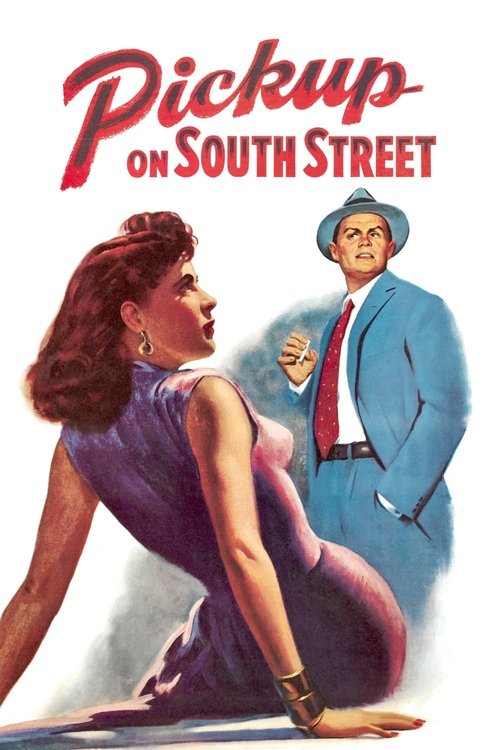
Pickup on South Street1953
Both are location-shot American thrillers where espionage machinery chews up ordinary civilians; both treat spycraft as unglamorous work done by tired professionals in their own backyard.
Sam Fuller's stripped-down spy-versus-pickpocket thriller shot on Manhattan streets. Communist agents, petty criminals, and a moral code nobody expected in a B-picture. Raw, fast, obsessed with American grit over German espionage, but the DNA is identical: ordinary people caught in Cold War machinery.
But It's visually rough and morally complicated about sex work and police brutality. The anticommunist paranoia is real, which some find dated or distasteful.
More like this (8)
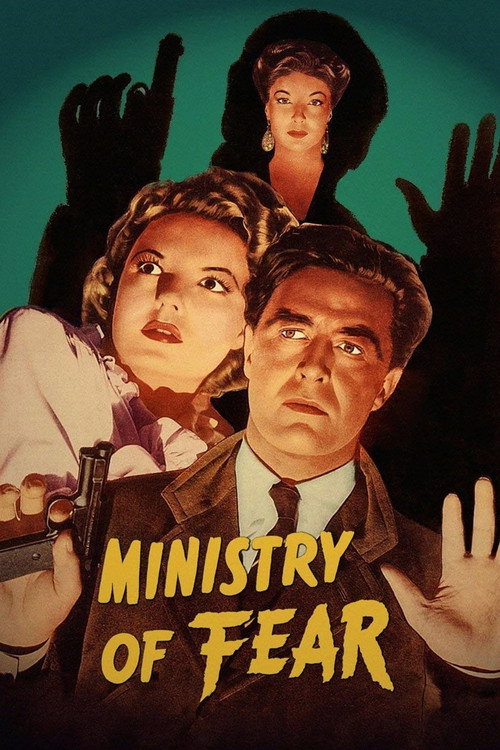
Ministry of Fear1944
Fritz Lang's paranoid espionage drama set in wartime Britain. Atmosphere of creeping dread, a protagonist caught in forces beyond his control, and visual storytelling of unmatched power.
But The plot is deliberately convoluted. It's more interested in mood than clarity, which frustrates some viewers.
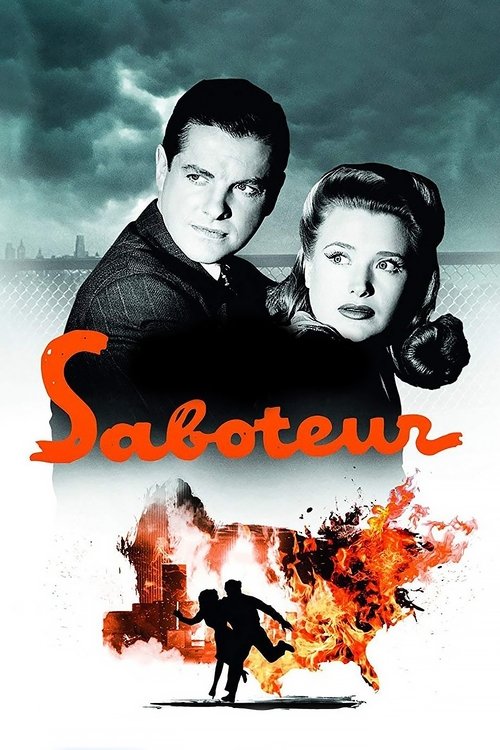
Saboteur1942
Hitchcock's take on being wrongly accused while Nazis operate freely in America. Cross-country chase with genuine danger and a final sequence that still stings.
But The script is thinner than his best work, and some supporting characters veer toward caricature.
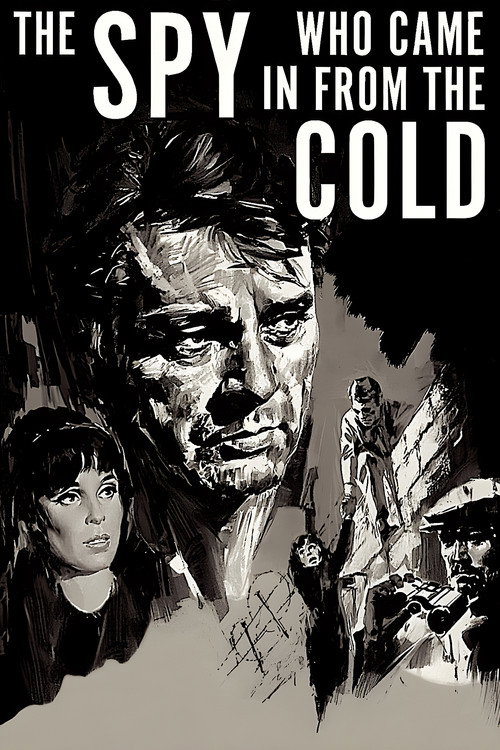
The Spy Who Came In from the Cold1965
le Carré's first adaptation: grim, unglamorous Cold War espionage where loyalty is a liability and victory tastes like ash. A corrective to Bond in every way.
But It's bleak and slow. There's no fun to be had, and the protagonist is someone you'll actively dislike.
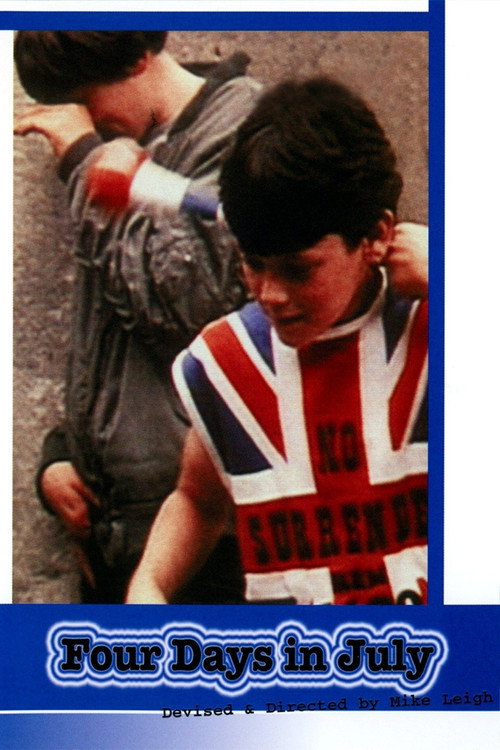
Four Days in July1984
Mike Leigh's precise dissection of two Northern Irish families preparing for the Orange Order parade. Social realism applied to political tension with devastating humanity and dark comedy.
But It's entirely dialogue-driven and focuses on everyday interaction rather than plot. The political context might alienate those unfamiliar with it.
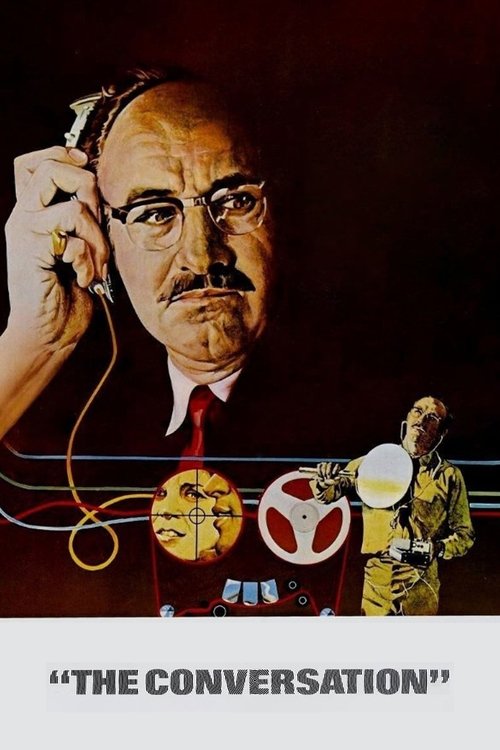
The Conversation1974
Coppola's paranoid masterpiece about surveillance technology and moral responsibility. Gene Hackman as a surveillance expert who discovers he may have helped arrange a murder. Terrifyingly prescient.
But Long stretches are experimental and repetitive. The ending troubles viewers who want catharsis.
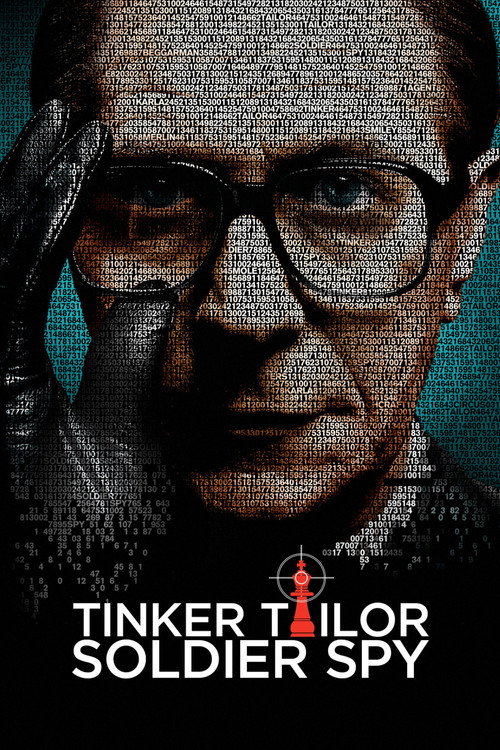
Tinker Tailor Soldier Spy2011
le Carré's Cold War mole hunt adapted with visual sophistication and glacial tension. Gary Oldman as a sphinx; every scene a chess move. Intelligence as bureaucratic, unglamorous work.
But Deliberately oblique and slow. The plot is genuinely difficult to follow, and the film refuses to hold your hand.
The Lives of Others2006
Both center on state surveillance systems hunting enemies within; both suggest that spycraft reveals the moral corruption of the state before any military action can.
East German surveillance state told through a Stasi agent whose monitoring of a dissident playwright awakens his conscience. Meticulous, morally complex, and devastatingly human. The inverse perspective: a spy learning to regret the system he served.
But It's a slow, introspective study of moral awakening. There's minimal action, and the ending is quietly tragic rather than victorious.

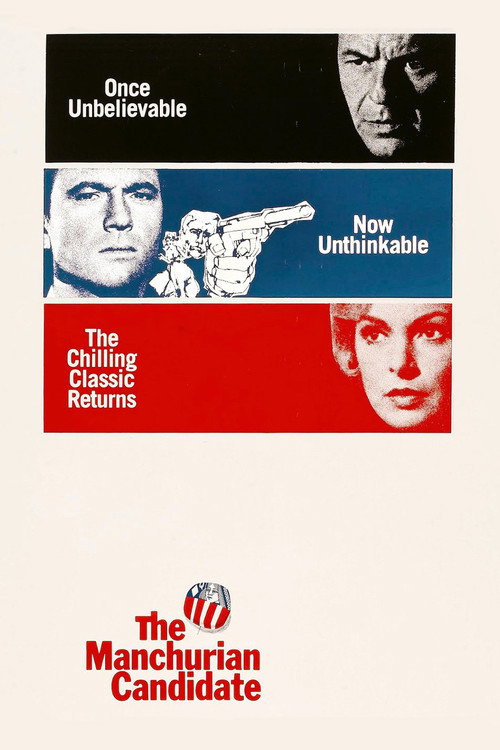
The Manchurian Candidate1962
Both explore the postwar American terror of hidden enemies; this one suggests the real conspiracy isn't external but woven into America's own political system.
Condon's black-comedy nightmare about brainwashing, embedded agents, and American political machinery. Funny, sick, genuinely frightening, and insane in the best way. It takes the postwar spy paranoia that House on 92nd Street embodies and lets it run screaming into satire.
But The tonal shifts are jarring. It's angry and sick in ways that still feel transgressive; some find it manic rather than brilliant.
People
Cast
 William EytheBill Dietrich
 Lloyd NolanAgent George A. Briggs
 Signe HassoElsa Gebhardt
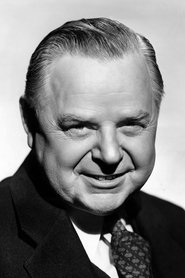 Gene LockhartCharles Ogden Roper
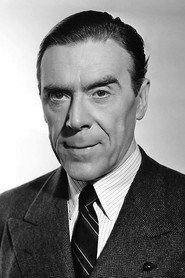 Leo G. CarrollCol. Hammersohn
- Lydia St. ClairJohanna Schmidt
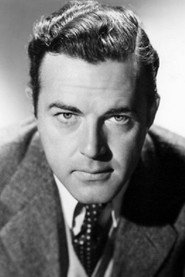 William Post Jr.Walker
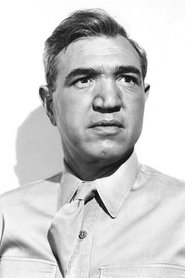 Harry BellaverMax Cobura
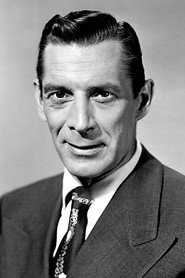 Reed HadleyNarrator (voice)
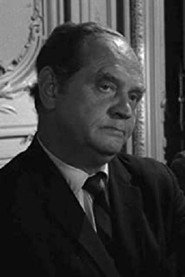 Kenneth KonopkaSaboteur
- Bruno WickAdolf Lange
- Harro MellerConrad Arnulf
Directing
- Henry HathawayDirector
Writing
- Barré LyndonScreenplay
- Charles G. BoothScreenplay
- John Monks Jr.Screenplay
- Charles G. BoothStory
Production
- Louis De RochemontProducer
- Gertrude KingstonResearch Assistant
- Frances C. RichardsonResearcher