
Film
Lost Highway
- Noir mystery
- Very dark
- Strange
David Lynch's fever dream about identity, guilt, and desire. A man becomes someone else—literally—and the film follows both versions through a maze of neo-noir violence and sexual obsession. Hypnotic, disorienting, visually stunning. For people who want cinema that feels like a nightmare you can't quite remember.
Should you watch it?
Watch it if you love David Lynch's dream logic, where mood and sound carry meaning more than plot, and you don't mind being left to puzzle over it.
Skip it if you need a story that resolves neatly, since this one stays deliberately slippery, often cold, and asks for patience across its long running time.
What it asks of you: Long at 134 minutes, it moves at a hypnotic, unhurried pace, shifts its tone without warning, and rewards close attention rather than easy following.
Not sure? Find tonight's pick in a minute.
If you liked this
Mulholland Drive2001
Another Lynch narrative that fractures and reforms itself. A woman arrives in LA chasing a dream, and the film becomes a hall of mirrors about ambition, love, and the self. Equally beautiful and cruel.
But It's 147 minutes of mounting dread with no clear resolution. If you need answers, this will frustrate you deeply.

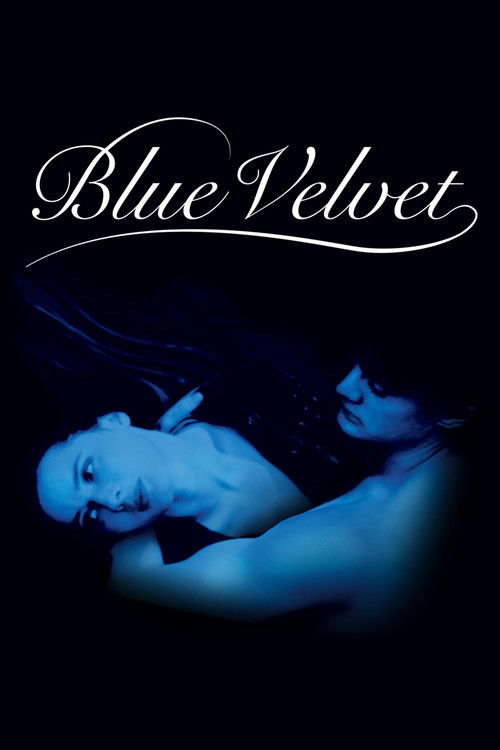
Blue Velvet1986
Lynch's masterpiece about the dark underbelly beneath small-town Americana. It has the same hallucinatory mood as Lost Highway but tighter pacing and even more disturbing sexual power games.
But Contains genuine graphic violence and sexual assault played entirely straight. It's difficult in ways that aren't fun.
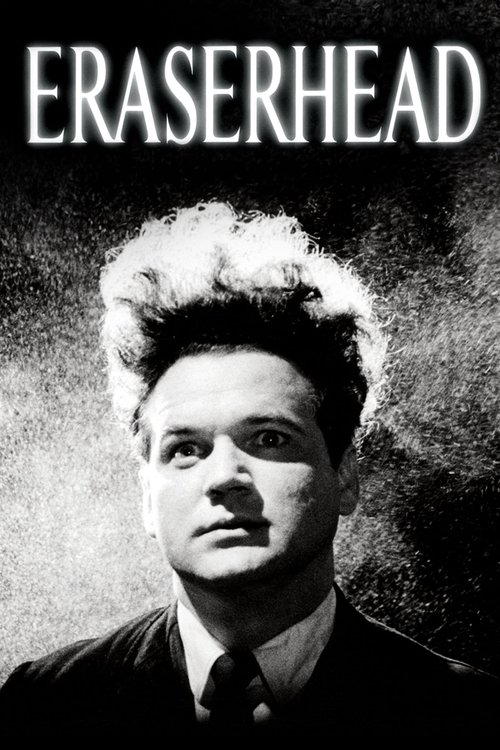
Eraserhead1977
Lynch's debut is even weirder: a man watches his world collapse into body horror and industrial nightmare. Shot in black and white, it's pure mood and texture. Essential viewing for understanding where Lost Highway comes from.
But No plot, almost no dialogue, deliberately incomprehensible. It's 89 minutes of visual assault that some people find genuinely unwatchable.
Not sure tonight? Get a pick in a minute, starting from Lost Highway
The wildcard
Something you would not have found on your own.
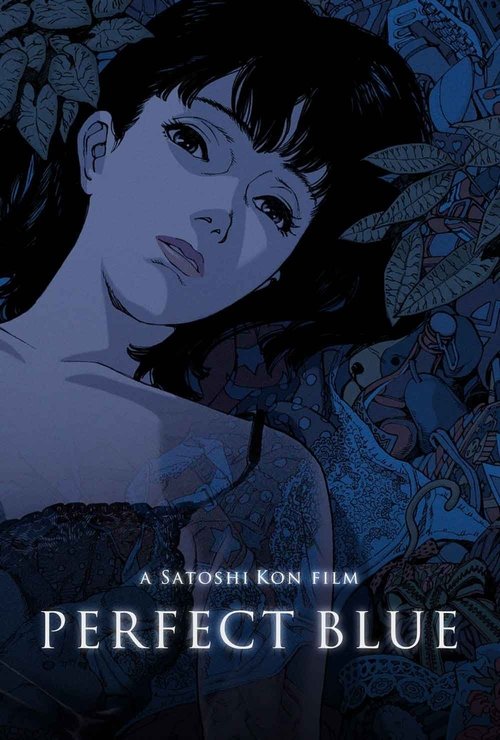
Perfect Blue1998
Both films ask: if you perform a version of yourself long enough, which one is real? Both use surveillance and voyeurism as structural metaphors for identity.
Satoshi Kon's anime from the same year. A pop idol quits to act, and her identity fragments across obsession, performance, and delusion. It's visually startling and psychologically devastating—proof that Lost Highway's themes work in any medium.
But It's animated, which will put some people off. It's also brutally violent toward women in ways that demand a strong stomach.
More like this (7)
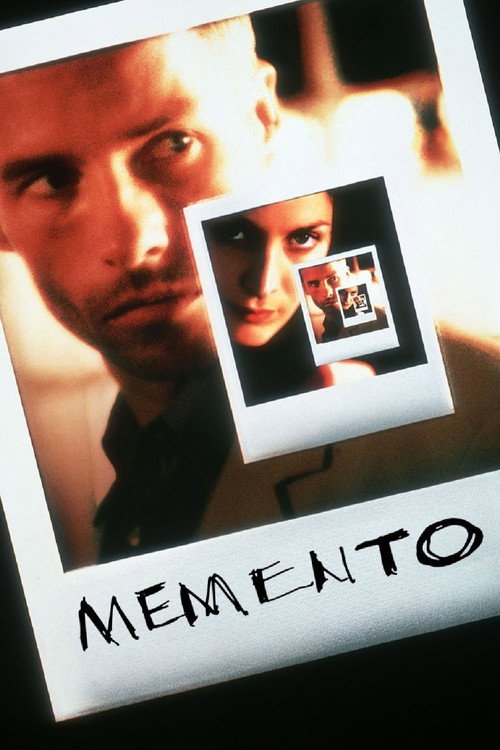
Memento2000
Nolan's puzzle-box thriller about a man with no memory chasing his wife's killer. Like Lost Highway, it uses narrative structure itself as the subject—confusion is the point, not a bug.
But The backwards chronology can feel gimmicky. Some people find it exhausting rather than revelatory.
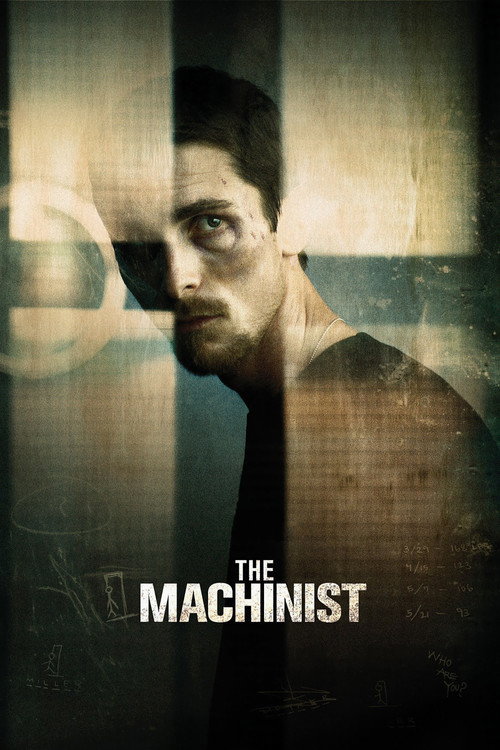
The Machinist2004
A man slowly disintegrates through insomnia and guilt. It has Lost Highway's sense of reality cracking under psychological pressure, with Christian Bale's skeletal performance as the emotional anchor.
But Relentlessly bleak with minimal narrative payoff. If you watch it expecting clarity, you'll feel cheated.
The Twilight Zone1959
The spiritual predecessor to Lynch's sensibility. Each episode twists reality in small, perfect ways. Start with 'The Killing Bottle' or 'The Midnight Sun'—they have the same dreamlike dread.
But Some episodes are dated or clumsy. You're hunting through 154 episodes for the gold.

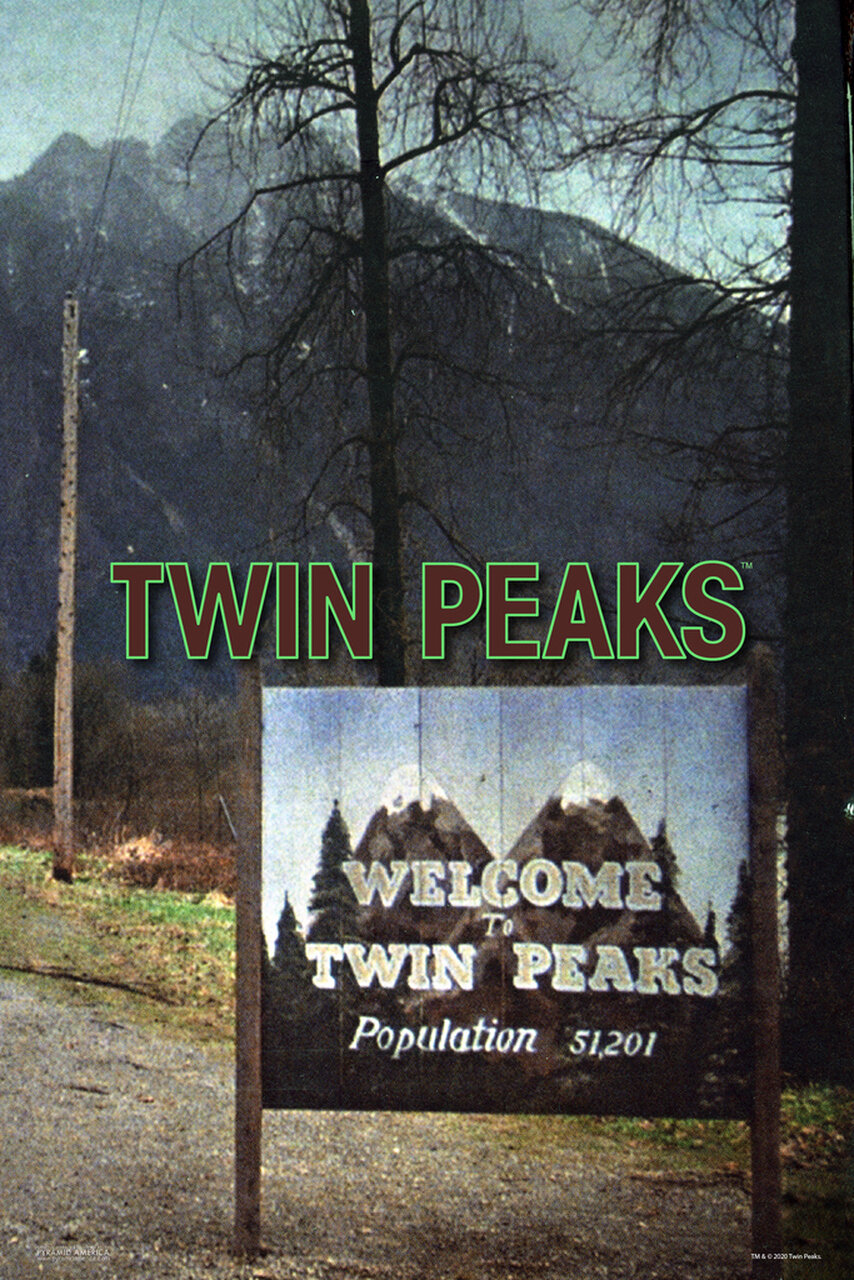
Twin Peaks1990
Lynch's TV masterpiece and essential context for Lost Highway. A murder opens a portal into the town's collective nightmare. Seasons 1-2 are unmissable. Season 3 (2017) is even weirder and more ambitious.
But The middle stretch of Season 2 sags badly. And Season 3 demands patience—it's 18 hours of pure Lynch with minimal plot momentum.
Synecdoche, New York2008
Kaufman's direction debut: a theatre director builds a replica of New York inside a warehouse, collapsing the boundary between fiction and life. It has Lost Highway's sense of reality folding in on itself.
But It's aggressively ambitious and often impenetrable. The ending will either shatter you or bore you.

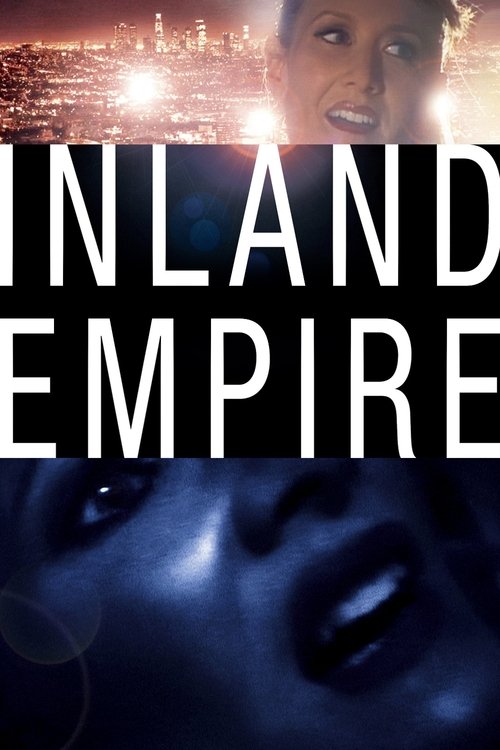
Inland Empire2006
Lynch's longest, strangest film. Three hours of actresses, shadows, and fractured narrative. It's Lost Highway's DNA taken to its extreme. Laura Dern is extraordinary.
But It's genuinely difficult to watch. Nearly wordless for stretches, shot on video, deliberately ugly. Only for devoted Lynch viewers.
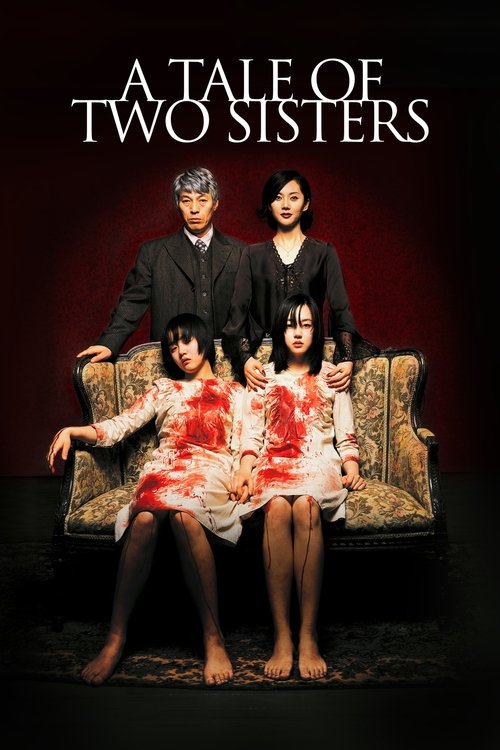
A Tale of Two Sisters2003
Both use horror imagery to explore guilt and trauma. Both make the audience complicit in misreading events. Both suggest that unreliable narration isn't a flaw—it's the truth of consciousness itself.
Kim Jee-woon's masterpiece. Two sisters return home and reality starts folding. It looks like a ghost story, reads like a psychological drama, and functions as a Rorschach test. Devastatingly sad in ways Lynch never quite is.
But It's deliberately withholding. You have to work to find the emotional core, and some viewers feel it's hiding rather than revealing.
People
Cast
 Patricia ArquetteRenee Madison / Alice Wakefield
 Bill PullmanFred Madison
 Balthazar GettyPete Dayton
 Robert BlakeMystery Man
 Robert LoggiaMr. Eddy / Dick Laurent
 Michael MasseeAndy
 Natasha Gregson WagnerSheila
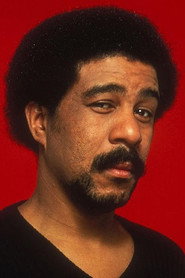 Richard PryorArnie
 Gary BuseyBill Dayton
 Lucy ButlerCandace Dayton
 Jack NancePhil
 Jack KehlerGuard Johnny Mack
Directing
- David LynchDirector
- Scott CameronFirst Assistant Director
- Cori GlazerScript Supervisor
- Simone FarberSecond Assistant Director
- Adam RosenSecond Second Assistant Director
Writing
- Barry GiffordWriter
- David LynchWriter
Production
- Elaine J. HuzzarCasting
- Johanna RayCasting
- Ed MorrisExecutive Consultant
- Julie DuvicLocation Manager
- Deepak NayarProducer
- Mary SweeneyProducer
- Tom SternbergProducer
- Cynthia WiseProduction Accountant
- Karen R. SachsProduction Manager
- Sabrina S. SutherlandProduction Supervisor
- Deepak NayarUnit Production Manager