
Film
Sled Dogs
A documentary examining the aftermath of the Iditarod sled dog race, investigating what happens to the animals when the competition ends and the tourists leave. It's a rigorous, unsentimental look at welfare practices within an industry that celebrates endurance while often neglecting care. For anyone who loves dogs, admires athletes, or questions the human cost of spectacle.
Should you watch it?
Watch it if you want a plainspoken look at what happens to working animals once the spectacle is over, and you don't need the film to soften its questions.
Skip it if you want a story with a clear arc or a lot of cinematic variety; its 82 minutes stay in one sober register and one set of questions, which may feel heavy going.
What it asks of you: Roughly eighty minutes of patient footage that lingers, unhurried and often unsparing, with no need to know the sport beforehand.
Not sure? Find tonight's pick in a minute.
If you liked this
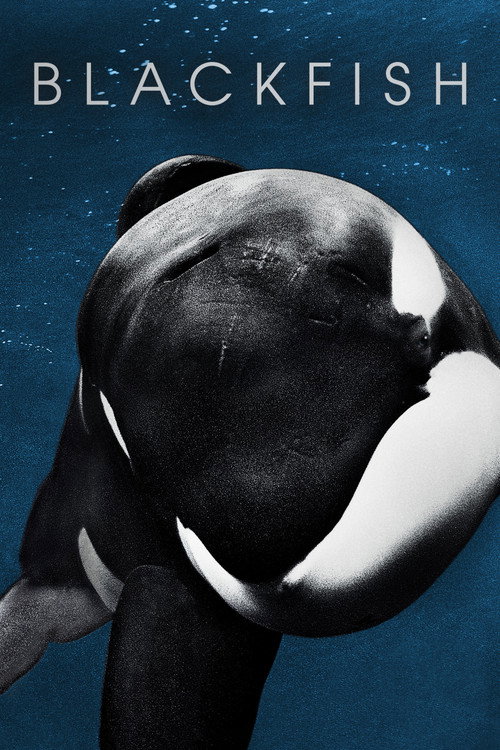
Blackfish2013
Like Sled Dogs, it examines an industry built on animal performance and prestige, revealing the gap between public narrative and behind-the-scenes reality. Gripping investigative work with real consequences.
But Some will find it heavy-handed in its messaging, and SeaWorld's counter-arguments, however weak, might leave you wanting more direct engagement with the other side.
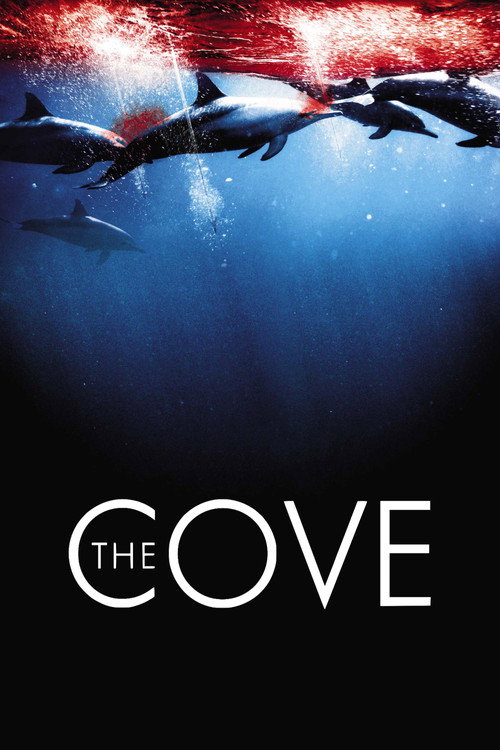
The Cove2009
Another documentary about an exploitative animal practice that seems normal to locals. Sharp, propulsive filmmaking that turns outrage into investigation and investigation into action.
But The activism can feel sanctimonious to some viewers, and it presents one culture's practices as universally wrong without deep cultural context.
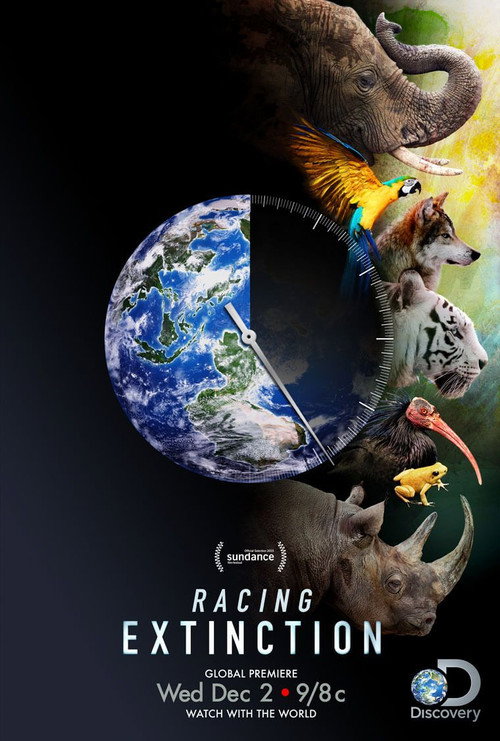
Racing Extinction2015
Documents a global crisis through the lens of competition and spectacle—how our desire to win or display often blinds us to harm. Visually ambitious and emotionally compelling.
But Covers such vast ground that individual stories can feel rushed, and the scope sometimes overwhelms rather than clarifies.
Not sure tonight? Get a pick in a minute, starting from Sled Dogs
The wildcard
Something you would not have found on your own.
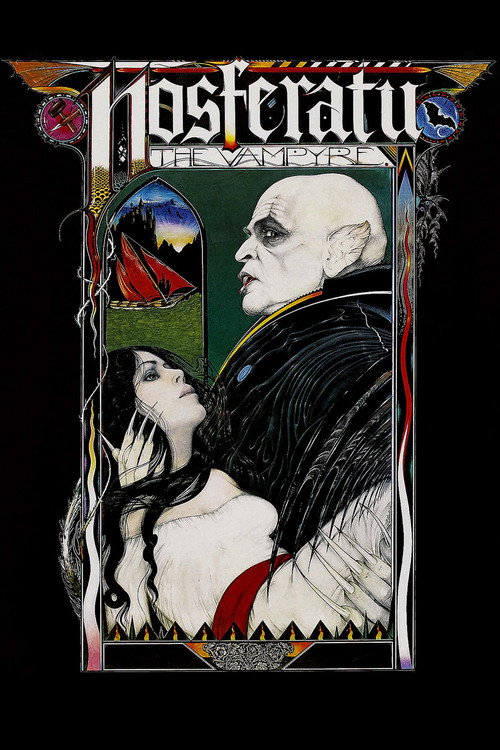
Nosferatu the Vampyre1979
Both documents the use of animals in human spectacle and profit; Herzog's film makes you complicit in that use simply by watching it.
Werner Herzog's remake uses animal actors—real rats, real owls, real snakes—as central to its atmosphere and meaning. It's a meditation on exploitation and suffering built into cinema itself. Watching it after Sled Dogs creates a strange conversation about what we use animals for, and what cinema costs.
But A Gothic vampire film, not a documentary. If you came for facts and investigation, the baroque atmosphere and slow pace might frustrate. It's elliptical where Sled Dogs is direct.
More like this (7)
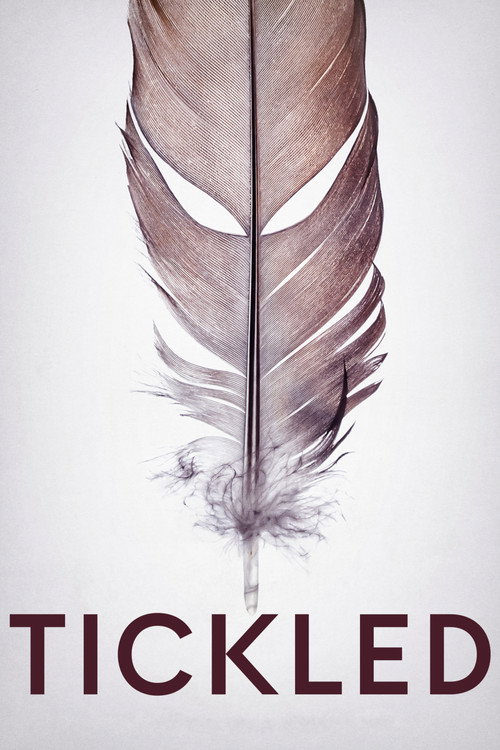
Tickled2016
Starts with a bizarre niche sport and becomes a layered investigation into coercion, privacy, and the weird ways competitive activity can mask darker exploitation. Gripping and strange.
But The subject matter—competitive tickling—will test your patience before the real story emerges. Takes time to justify itself.
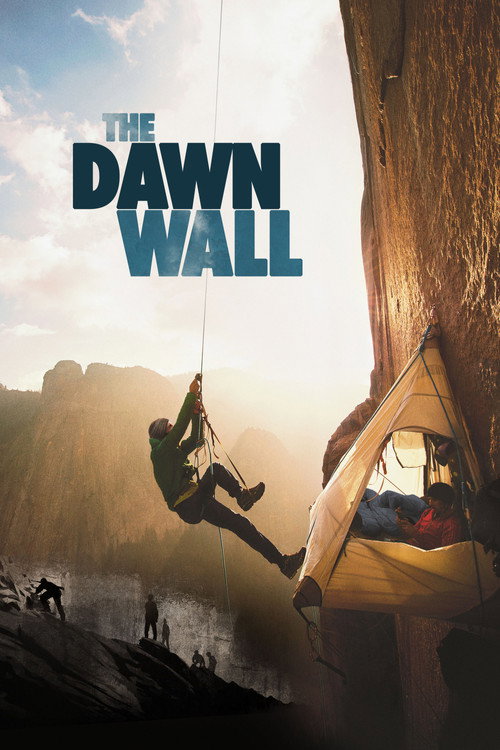
The Dawn Wall2017
A beautiful documentary about two climbers attempting an impossible feat. Shares Sled Dogs' interest in whether human ambition justifies animal or personal cost, but frames it through achievement.
But More celebratory of the pursuit than critical of it. If you want interrogation rather than inspiration, this might feel too affirmative.
Fyre2019
An industry built on spectacle and sold through gorgeous lies, with workers and locals bearing the actual cost. Slick, entertaining, and fundamentally about who pays for glamour.
But Focuses heavily on fraud rather than systemic welfare issues. If you want animal advocacy specifically, this pivots too far into startup culture.

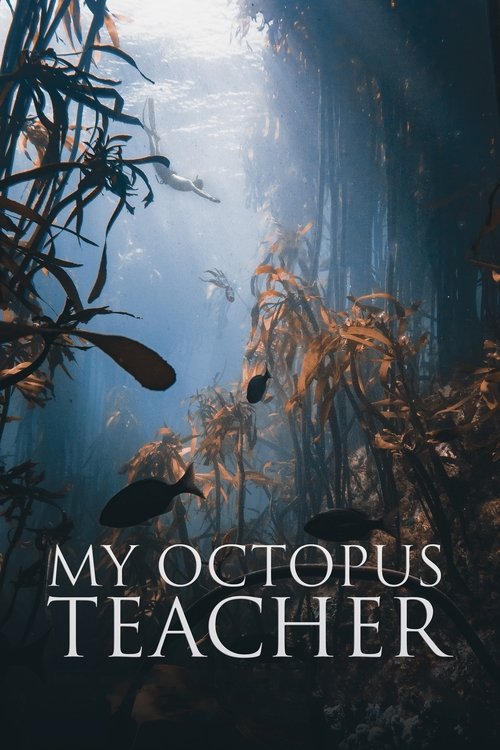
My Octopus Teacher2020
A meditation on relationship between human and animal, patience, and what we owe to creatures we claim to care about. Slower, more poetic than Sled Dogs, but with similar ethical weight.
But Very quiet and introspective. If you want hard-hitting investigation and anger, this peaceful approach might feel evasive.
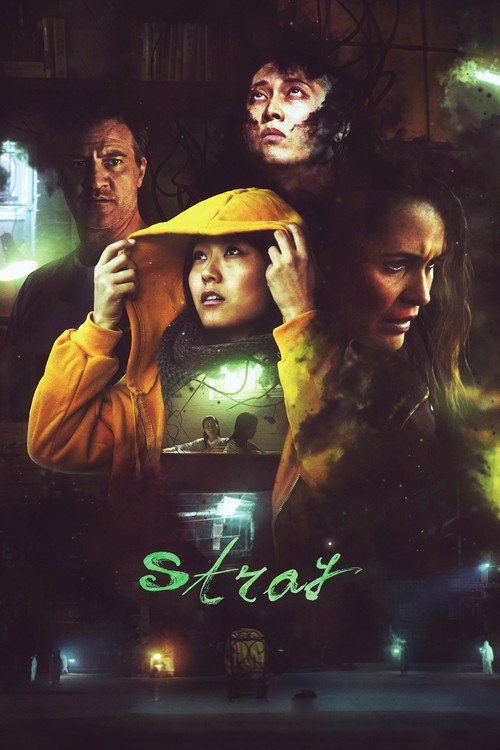
Stray2019
Follows street dogs in Istanbul without narration or agenda, letting the viewer draw conclusions about care, survival, and who counts. Unusual structure; compassionate without being sentimental.
But The lack of narrative drive and explicit argument makes it slow. Some will find it pretentious or feel it avoids the harder questions.
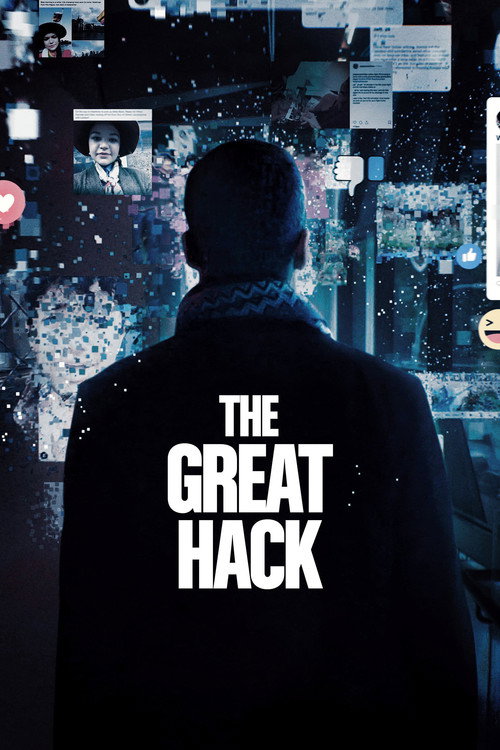
The Great Hack2019
Both expose how we're comfortable with systems we don't see. One uses animals; one uses people. Same indifference, different scale.
It shares Sled Dogs' structure—a hidden, normalized system revealed through investigation—but operates in data rather than flesh. Shows how industries profit from exploitation without anyone seeing it happen. Crisp, modern, urgent.
But More abstract than Sled Dogs. Data breaches and voter manipulation won't generate the same visceral response as animal suffering, and some find it harder to care about invisible harm.
The Act of Killing2012
Both reveal the gap between how systems justify themselves and what they actually do. One operates through competition; one through nationalism. Both show ordinary people normalizing the extraordinary.
An Indonesian documentary that asks perpetrators of mass violence to reenact their crimes. It's about how we justify atrocity through spectacle and narrative. Haunting, necessary, and structurally unique. Sled Dogs asks 'what justifies this?'—this film asks 'how do people live with themselves after atrocity?' and finds horrifying answers.
But Extremely heavy. Based on real mass murder and genocide. The reenactments are surreal and disturbing. It's serious cinema for serious viewing, and the length (150 minutes) demands real commitment.

People
Directing
- Fern LevittDirector
Writing
- Michael AllcockWriter