
Film
Mad God
- Dark fantasy
- Cosmic horror
- Very dark
- Strange
Mad God is Phil Tippett's apocalyptic fever dream: 84 minutes of stop-motion horror without dialogue, following a silent assassin through grotesque underworlds populated by tortured souls and writhing abominations. It's hypnotic and deeply unsettling, a descent into visual nightmares that feel handmade and disturbingly intimate. For viewers who want cinema to unsettle them.
Should you watch it?
Watch it if you love handmade stop-motion worlds where texture and decay carry the meaning, and you don't need a plot to hold you as long as the images keep turning up new horrors.
Skip it if you want a story you can follow or some relief, since it is relentless, mostly wordless and brutal, with gore and cruelty that rarely let up.
What it asks of you: Eighty-odd minutes of patience with almost no explanation, a slow accumulation of grotesque, hand-built images that you take in rather than follow.
Not sure? Find tonight's pick in a minute.
If you liked this
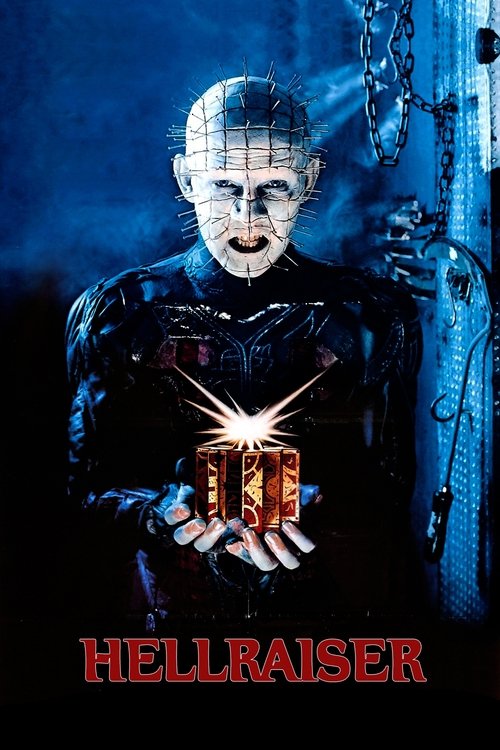
Hellraiser1987
Clive Barker's debut channels similar cosmic horror and bodily transgression through practical effects. Both films treat suffering as visually baroque and almost beautiful. A masterpiece of atmosphere over explanation.
But The plot moves deliberately and won't hold your hand. Extreme body horror and torture imagery—this isn't decorative, it's the point.
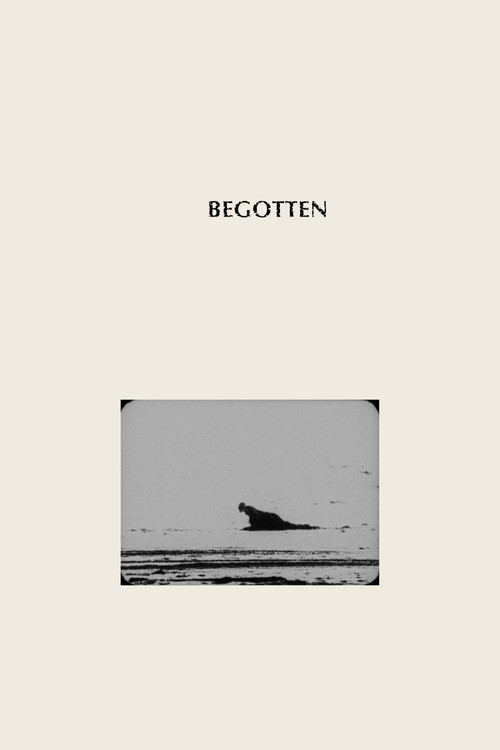
Begotten1991
E. Elias Merhige's experimental film shares Mad God's silent, monochromatic nightmare logic. Handmade, cryptic, and genuinely haunting. Both feel like fever visions rather than stories. Essential viewing for lovers of visual horror.
But Extremely obscure and deliberately obscurantist. No conventional narrative or character arc. Long stretches with almost nothing happening except dread.
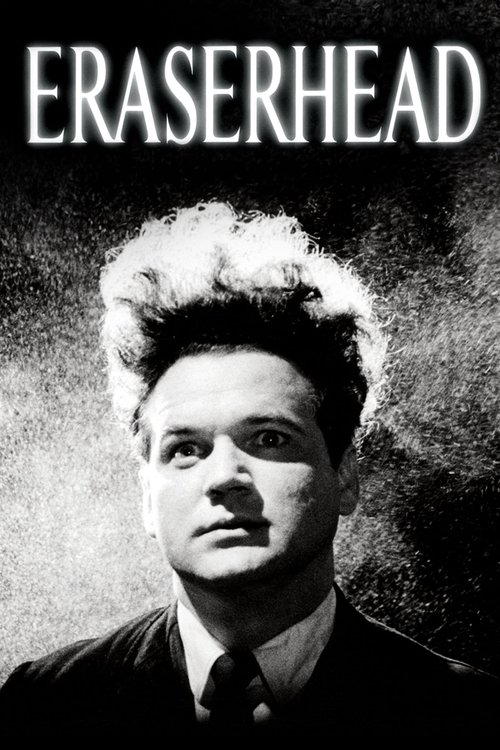
Eraserhead1977
Lynch's surreal industrial nightmare has the same DNA: grotesque practical effects, no dialogue explaining itself, a journey through hellish spaces that feel personal and archetypal. Both mess with your sense of reality.
But Abrasively strange and sometimes tedious. The first viewing often feels like punishment rather than entertainment. Requires patience and acceptance of confusion.
Not sure tonight? Get a pick in a minute, starting from Mad God
The wildcard
Something you would not have found on your own.
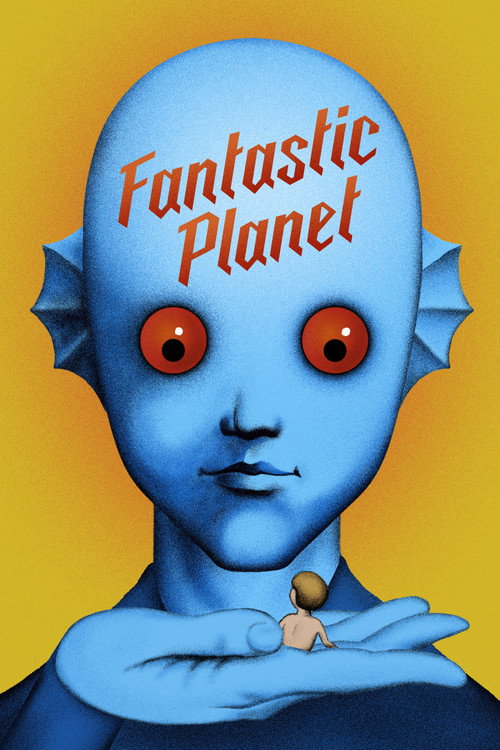
Fantastic Planet1973
Both use handcrafted animation techniques to make the audience feel small and lost in spaces designed by alien logic. Both trust weirdness over narrative.
Alain Renais' sci-fi animé shares Mad God's use of animation for cosmic horror rather than adventure. Stop-motion and drawn animation in service of the genuinely alien and disturbing. A vision from another continent and era that feels equally nightmare-sourced.
But Czech-French co-production, philosophically abstract, almost no conventional plot. The beauty of the visuals can't entirely offset that it's sometimes static and remote.
More like this (7)
The Cabinet of Dr. Caligari1920
The granddaddy of German Expressionist horror, all warped angles and nightmare logic. Mad God inherits its DNA: expressionistic visuals over realism, dread as the driving force, visual composition as meaning-making.
But Silent and very old. The pacing and acting styles are historical artifacts. You're watching a museum piece, which requires a different kind of engagement than modern cinema.

Nosferatu1922
Murnau's vampire film has Mad God's visual obsession: every frame composed to maximize unease and strangeness. Both are silent, both use distortion and shadow as character. Pure cinema, no crutches needed.
But Very old, very slow. The vampire is barely in it. If you want action or conventional horror beats, this is contemplative and oblique.

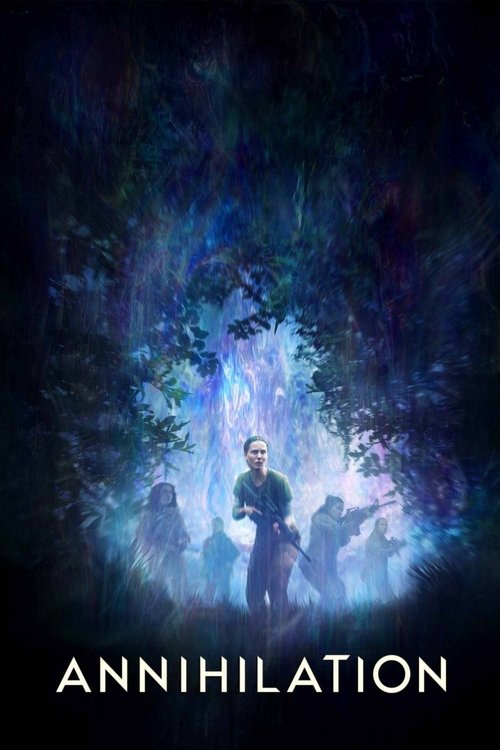
Annihilation2018
Alex Garland's sci-fi horror has the same sense of trespassing into spaces that don't obey known rules. Gorgeous, grotesque, and deeply wrong. Both trust visual storytelling and cosmic dread over easy answers.
But Deliberately mysterious and unsatisfying as plot. The ending explains almost nothing. Some viewers find this brilliant; others find it frustrating.
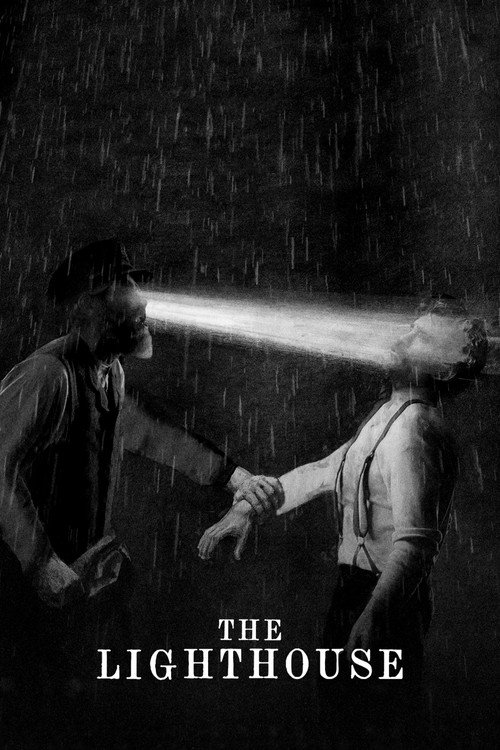
The Lighthouse2019
Robert Eggers' black-and-white nightmare is all practical craft and visual obsession. Two men descending into madness in a confined space. Both films feel like they were made by someone channeling something dark and personal.
But Extremely dense, weirdly paced, often incoherent. The sound design is harsh and unpleasant. It's more endurance test than entertainment.
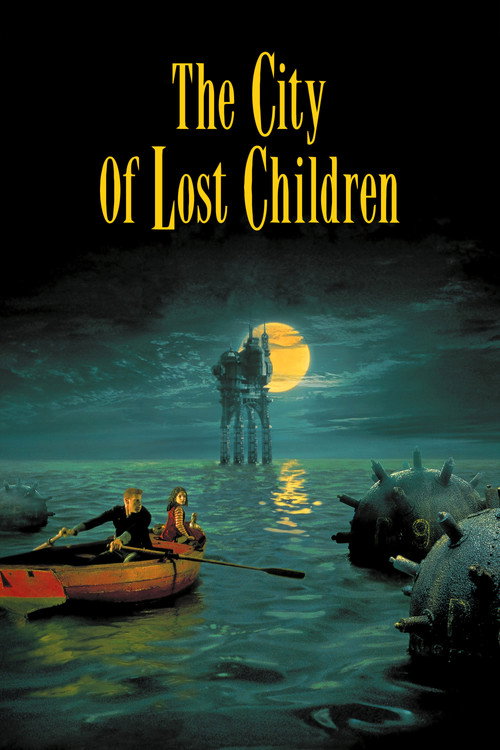
The City of Lost Children1995
Jeunet and Caro's steampunk fairytale shares Mad God's commitment to grotesque practical design and nightmare logic. A journey through a wrecked world populated by the grotesque and tragic. Visually extraordinary.
But French, deeply mannered, sometimes precious. The whimsy can feel forced. If you prefer straightforward storytelling, this baroque approach will exhaust you.
Mulholland Drive2001
Both are handmade visions of hell that feel personal and obsessive. Both treat narrative coherence as less important than emotional and visual truth. Both will haunt you in ways you can't quite articulate.
Lynch's three-hour LA nightmare is live-action where Mad God is animated, but both are fever dreams about ambition, creation, and worlds falling apart. Utterly hypnotic. The most rewatchable nightmare ever filmed.
But Nearly indecipherable plot that splits halfway through. Lynch refuses to resolve anything. Many viewers leave angry rather than satisfied, even when they admired it.

La Haine1995
Both are uncompromising descents into hellworlds. Both use their chosen medium (animation versus handheld realism) to make alienation physical. Both end in places you didn't expect and wouldn't choose.
Mathieu Kassovitz's black-and-white French film about three young men in the suburbs is radically different: minimalist, contemporary, raw. But it shares Mad God's commitment to despair as visual language and refusal to comfort the viewer. A masterpiece of social nightmare.
But No fantastical elements or monsters—the horror is real and political. Some find that bleakness more punishing than any monster. French dialogue and period-specific references may feel distant.

People
Cast
 Alex CoxLast Man
 Niketa RomanNurse / Witch
 Satish RatakondaSurgeon
 Arne HainSurgeon / Alchemist / Witch
 Jake FreytagAssassin
- David LauerAssassin / Alchemist / Zombie
- Hans BrekkeAssassin
- Tom GibbonsAlchemist
- Harper TaylorAnarchist
- Brynn TaylorAnarchist
 Brett FoxwellVictim
- Harper GibbonsCaged Monkey
Directing
- Phil TippettDirector
Writing
- Phil TippettWriter
Production
- Allison TorresAssociate Producer
- Corey RosenAssociate Producer
- Dennis MurenAssociate Producer
- Fleur DraganAssociate Producer
- Ken BirdwellAssociate Producer
- Ken RogersonAssociate Producer
- Tetsuya IshibashiAssociate Producer
- Colin GeddesExecutive Producer
- David BerryExecutive Producer
- Gary MundellExecutive Producer
- Josh SobelExecutive Producer
- Jules RomanExecutive Producer
- Katarina GligorijevicExecutive Producer
- Lisa CookeExecutive Producer
- Sanjay DasExecutive Producer
- Phil TippettProducer
Recommended by
The Nightmare Before Christmas, Fantastic Planet, Comic-Con Episode IV: A Fan's Hope, Batman: The Brave and the Bold, Creature Comforts, The Machine Girl, Inferno Cop, The Transformers: The Movie