
Film
The Great Gabbo
A 1929 sound film about a ventriloquist whose dummy becomes his psychological prison. Erich von Stroheim gives a magnetic, unhinged performance as a man whose grip on reality frays as he hides behind his wooden partner. Visually inventive and genuinely unsettling, it's a portrait of obsession that still feels modern.
Should you watch it?
Watch it if you are drawn to early talkies and to stories where a performer's vanity and theatrical excess curdle into something sadder, and you don't mind a stagy, mannered style.
Skip it if you want the snap of modern sound design or a brisk pace, since the early microphone staging is static and the stage-bound scenes move slowly.
What it asks of you: Settle in for ninety-four minutes of backstage talk, rehearsal and performance, with long unhurried takes that let the performances sit and grow uncomfortable.
Not sure? Find tonight's pick in a minute.
If you liked this
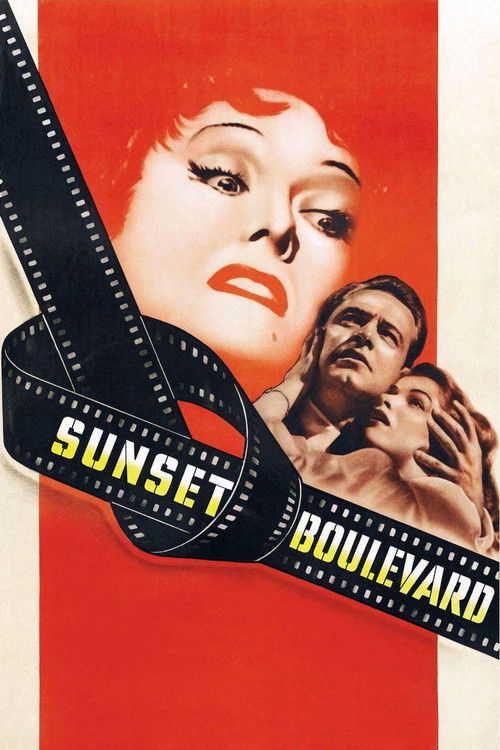
Sunset Boulevard1950
A Hollywood insider's descent into delusion and dependency, with a protagonist who's equally trapped by his own mythology. Gloria Swanson's performance has the same magnetic unraveling that von Stroheim brings here.
But Slower paced than modern films, and Swanson's final act veers into operatic territory that won't work for everyone.
M1931
Fritz Lang's masterpiece about obsession and the mask we wear. Like Gabbo, it's a psychological thriller dressed as genre entertainment, visually inventive and deeply disturbing about the mind breaking.
But The subject matter—a child murderer—is heavy and unrelenting. It's not an easy watch, even now.

The Cabinet of Dr. Caligari1920
German Expressionism at its peak: warped sets, psychological horror, and a protagonist whose sanity is the actual battleground. The visual language influenced everything that came after, including Gabbo.
But The acting style is theatrical and the pacing glacial by modern standards. You have to meet it on its own terms.

Not sure tonight? Get a pick in a minute, starting from The Great Gabbo
The wildcard
Something you would not have found on your own.
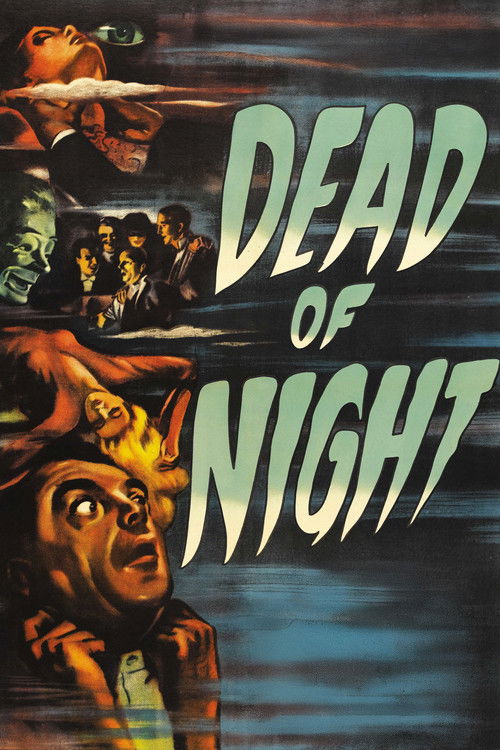
Dead of Night1945
Both films make the dummy/object into a psychological character. Both understand that obsession doesn't need supernatural help to be terrifying—the mind can do all the work.
A British anthology that opens with a ventriloquist and his dummy—and the dummy is absolutely the scarier thing in the frame. It understands, like Gabbo does, that the dummy can become a vessel for everything you're afraid of. The wraparound structure makes it a fever dream.
But Anthology films are uneven by design. Some segments don't work. The final act goes full horror, which might be tonal whiplash if you're expecting psychological drama.
More like this (8)
Nosferatu1922
F.W. Murnau's vampire film is pure atmosphere and dread. Like Gabbo, it uses a single obsession—the vampire's pull—to unravel everything else. Hypnotic and eerie in ways CGI can't touch.
But It's silent, and some viewers find vampire films dated. The pacing is deliberate, almost trance-like.

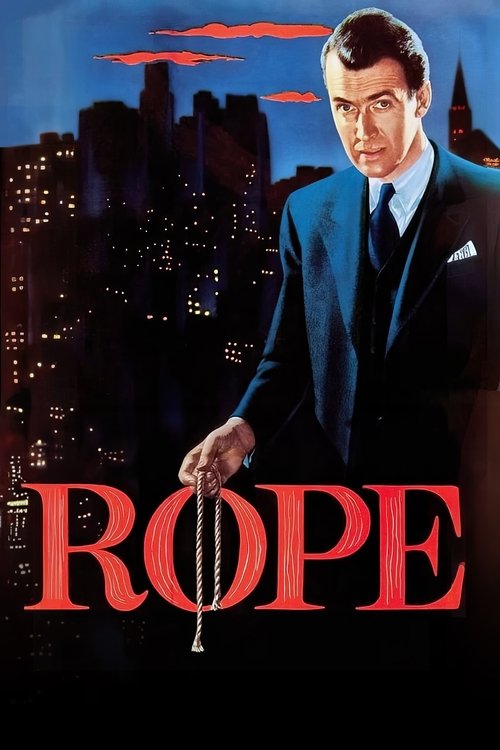
Rope1948
Hitchcock traps you in a single room with two men whose crime is eating them alive. It has Gabbo's claustrophobia and psychological pressure, but weaponizes it for maximum tension. Brilliantly constructed.
But The twist isn't complex, and if you know Hitchcock's methods you'll see the mechanics. Some find the real-time gimmick more admirable than moving.
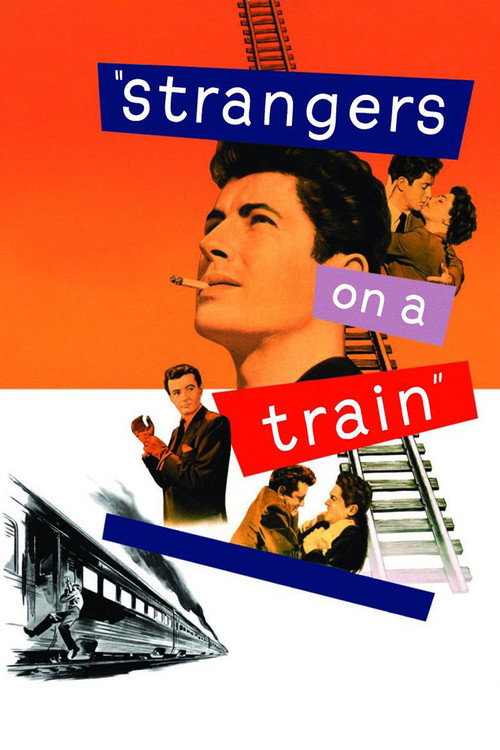
Strangers on a Train1951
Hitchcock again, but here the obsession is twisted and shared. Robert Walker's psychopath has the same magnetic wrongness as von Stroheim's Gabbo—charming and terrifying at once.
But The plot requires you to accept some pretty big coincidences. It's a contrivance, and some viewers resent that.
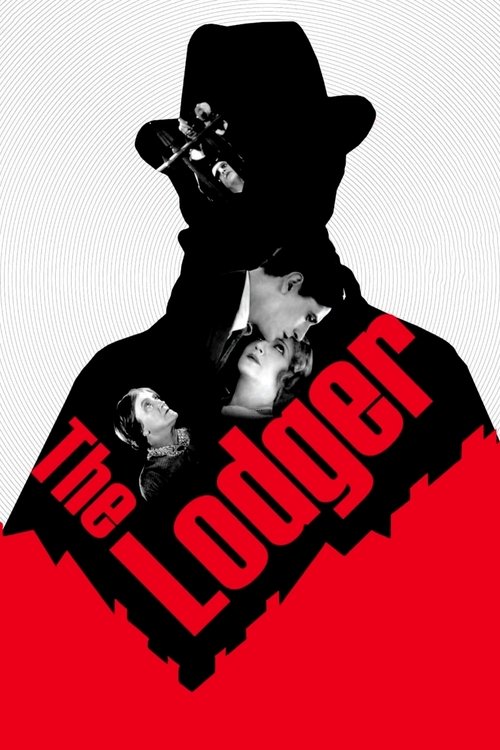
The Lodger: A Story of the London Fog1927
Hitchcock's breakthrough: a landlady suspects her mysterious tenant is Jack the Ripper. Psychological paranoia, visual innovation, and the question of whether your fear or reality is the real threat.
But It's silent, and the climax has dated special effects that undercut the tension somewhat.
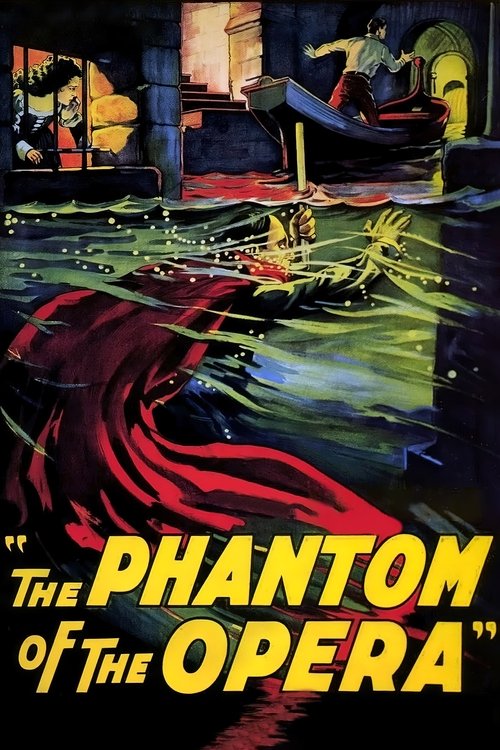
The Phantom of the Opera1925
Lon Chaney's masked obsessive is another trapped soul destroyed by his own nature. Gorgeous production, genuinely eerie, and Chaney's physicality carries scenes that would fail on dialogue alone.
But The romantic subplot is earnest in a way that can feel cloying. The film stops for musical numbers that don't always land.
Häxan1922
A documentary-essay-horror hybrid about witchcraft and madness. It has Gabbo's surreal atmosphere and interest in the mind breaking, but from a completely different angle. Visually stunning and genuinely weird.
But It's not a narrative; it's a mood piece. If you need plot momentum, this will frustrate you. The imagery can be grotesque.

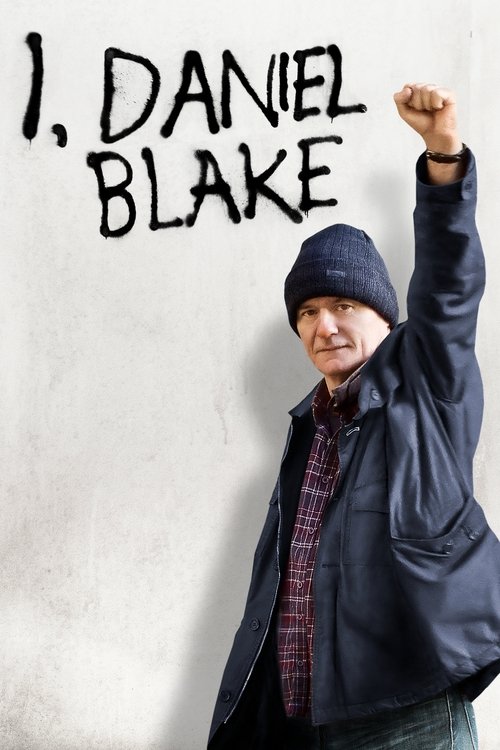
I, Daniel Blake2016
Both are about men who lose the ability to express themselves—one through psychological fracture, one through bureaucratic erasure. Both make that silencing the actual horror.
Ken Loach's film about a man trapped by systems he can't navigate, losing his voice and agency. Like Gabbo, it's about a person who becomes unable to speak for himself, and how that silence breaks him. It's modern, it's heartbreaking, and it operates on genuine emotional stakes.
But It's a social-realist drama with no score and no catharsis. If you're watching for entertainment, this will feel like work. It can feel like a sermon.
Mulholland Drive2001
Both films use cinema's language—the dummy as stand-in, performance, doubling—to show a consciousness splintering. Both suggest that if you hide behind something long enough, you disappear into it entirely.
David Lynch's Hollywood nightmare is structured like a mind breaking in real time. Like Gabbo, it's about identity fragmenting, performance eating reality, and the line between the person and the mask becoming invisible. It's visually gorgeous and genuinely unsettling.
But It's deliberately obscure and doesn't resolve neatly. If you need answers, you'll be frustrated. The middle section is slow and can feel like a slog.

People
Cast
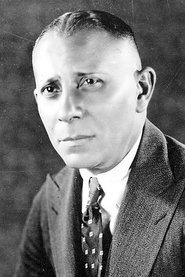 Erich von StroheimGabbo
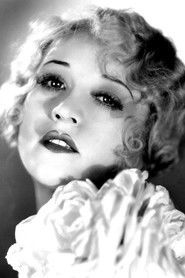 Betty CompsonMary
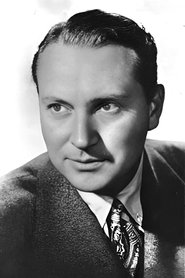 Donald DouglasFrank
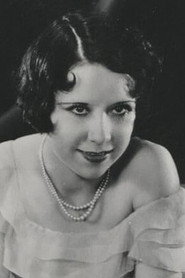 Marjorie KaneBabe
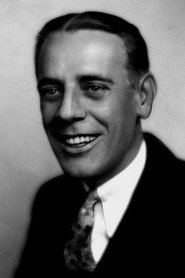 Earl BurtnettOrchestra Leader
- George GrandeeOtto (voice) (uncredited)
- Bo Peep KarlinDancer (uncredited)
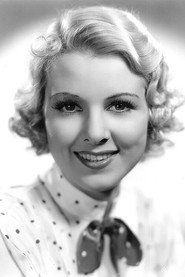 Rosina LawrenceDancer (uncredited)
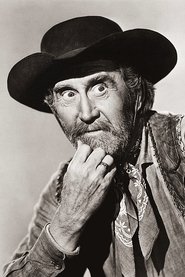 Eddy WallerVaudevillian (uncredited)
Directing
- James CruzeDirector
Writing
- Hugh HerbertDialogue
- King ZanyLyricist
- Lynn CowanLyricist
- Ben HechtStory
Production
- Henry D. MeyerExecutive Producer
- Nat CordishExecutive Producer
- James CruzeProducer
- Vernon KeaysProduction Manager