
Film
Angels in the Outfield
Other titles called Angels in the Outfield: the 1951 film.
- Fantasy
- Light-hearted
A foster kid's prayers summon an angel to help his last-place baseball team win the pennant—a shot at redemption all around. It's earnest family fantasy that treats its magical premise seriously while keeping things light. For anyone who believes sports movies work best when they're about something deeper than the game itself.
Should you watch it?
Watch it if you enjoy gentle, old-fashioned sports comedies where a kid's sincere faith and a hopeless ballclub make the heart do the heavy lifting, much like the warm, earnest baseball pictures of its era.
Skip it if you want a sharp, fast-moving comedy; this one takes its time with sentiment, and its jokes land softly rather than with punch, so the mood can feel sleepy.
What it asks of you: It runs about an hour and forty-three minutes at an easy, unhurried pace, and it wants you to settle in and root for a team that starts out terrible.
Not sure? Find tonight's pick in a minute.
If you liked this
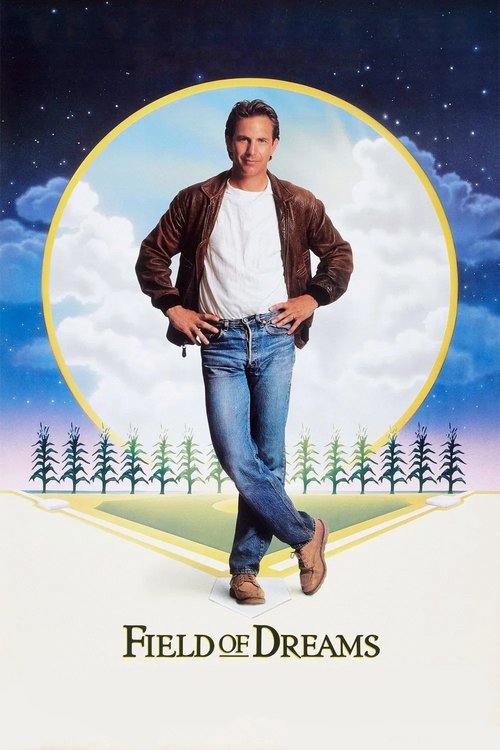
Field of Dreams1989
Baseball as a conduit for faith, loss, and second chances. It shares Angels in the Outfield's conviction that sports can be genuinely transcendent—that the game matters because what it represents matters.
But Moves slowly and leans hard on sentiment. If you want plot momentum over metaphor, this will feel like watching grass grow.
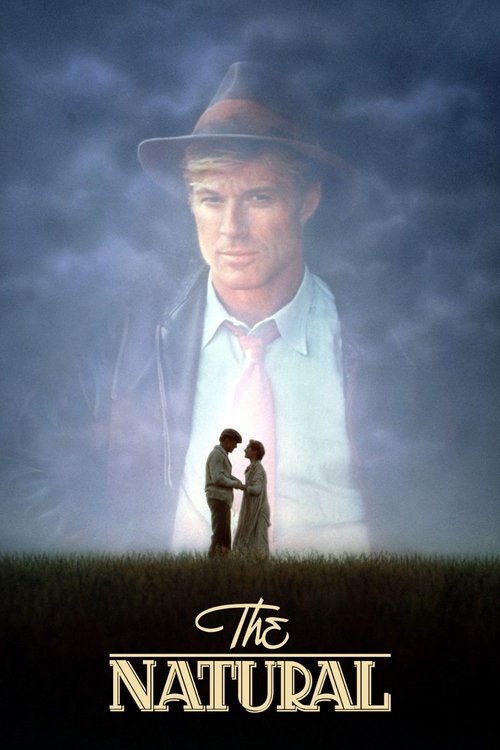
The Natural1984
A washed-up ballplayer gets a second chance with a magic bat. Same belief in redemption through baseball, same willingness to blur the real and the mythic, same gorgeous cinematography of the game.
But Darker and more cynical than Angels—the magic comes with a real price. Some find it ponderous.
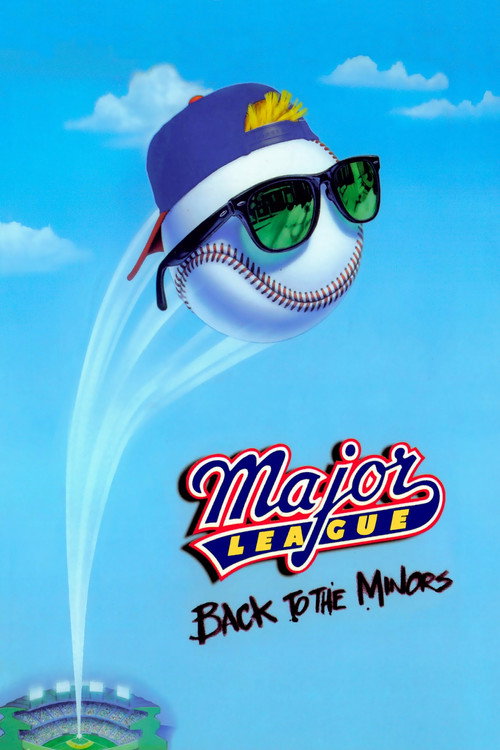
Major League: Back to the Minors1998
A scrappy underdog team defies expectations and wins. It's got the same scrappy-team energy and the same faith that misfits can exceed what anyone expects of them, but delivered with sharp comedy.
But Trades magic for grit and banter. If you want the supernatural element, this is pure baseball strategy and locker-room humor.
Not sure tonight? Get a pick in a minute, starting from Angels in the Outfield
The wildcard
Something you would not have found on your own.
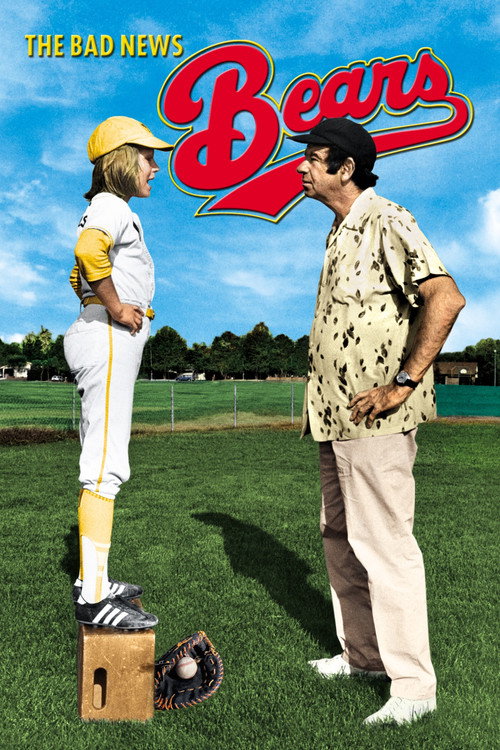
The Bad News Bears1976
Both argue that sport is redemptive, but flip who needs saving—Angels: the father through the son; Bears: the adult through the children.
A hungover coach somehow teaches a ragtag youth team real skill and belief. It's the exact same shape as Angels—incompetent authority figure, misfit kids, a sport, redemption—but flipped: the coach is the lost soul the kids save, not the other way around.
But Grittier and funnier, with adult problems (drinking, divorce) that never sentimentalize. The ending doesn't wrap everything in light.
More like this (8)
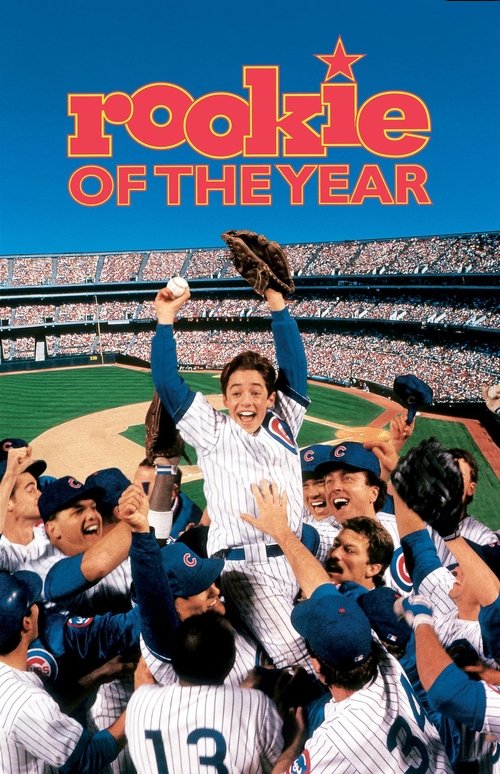
Rookie of the Year1993
Another young hero, another magical baseball solution (a broken arm that pitches impossibly fast), another underdog Chicago team. Nearly identical in tone and target audience—made the same year, basically the same DNA.
But It's slighter. Faster, sometimes funnier, but the emotional depth doesn't match.
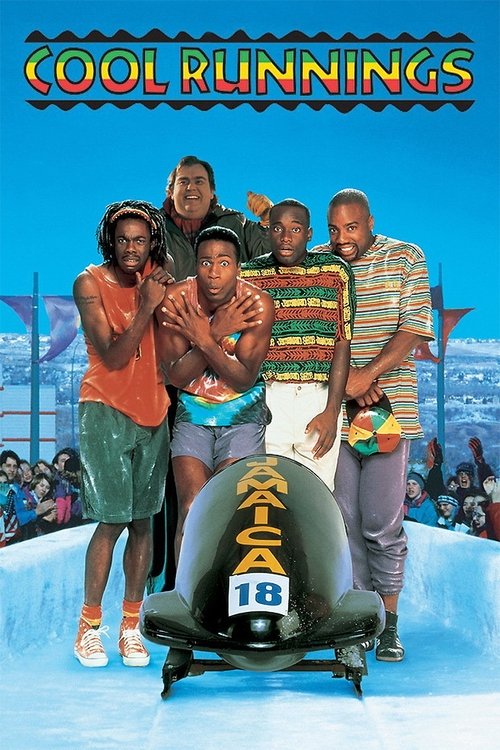
Cool Runnings1993
Underdogs against impossible odds, belief triumphing over circumstance, found-family bonds. The sport is different but the engine is identical: misfits who shouldn't work together learning to trust each other.
But Veers toward broad comedy in places. The sentiment can feel earned or manipulative depending on your mood.
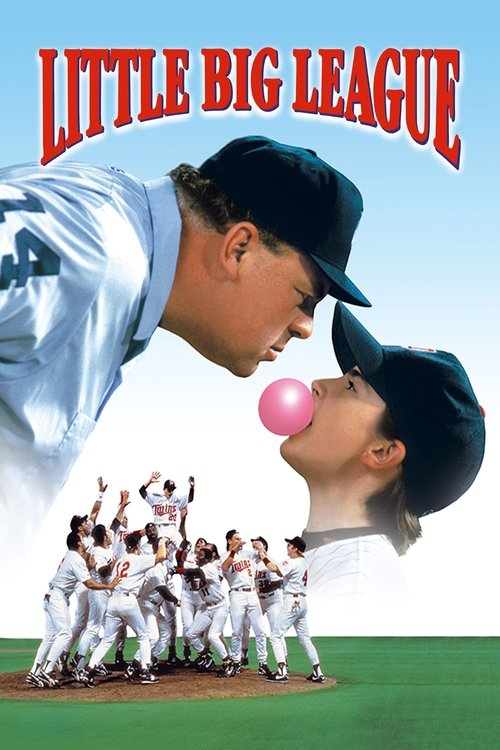
Little Big League1994
A kid inherits a baseball team and has to lead grown men. Same year as Angels, same magical-realism approach to baseball, same faith in youth and innocence.
But Thinner plot and less memorable performances. Feels like it was made quickly to capitalize on the same moment.
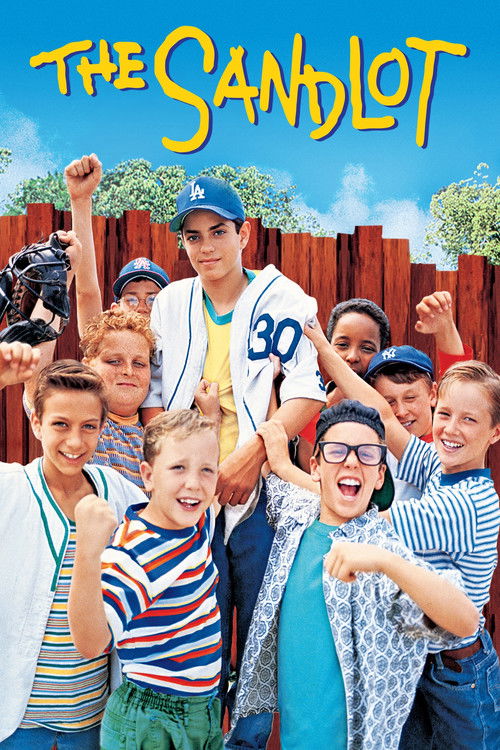
The Sandlot1993
Kids, baseball, and the mythology kids build around the game. Nostalgic and funny, it shares Angels' understanding that baseball matters most when it's personal and small-scale.
But Pure nostalgia play. If you didn't grow up loving baseball, the reverence might feel overwrought.
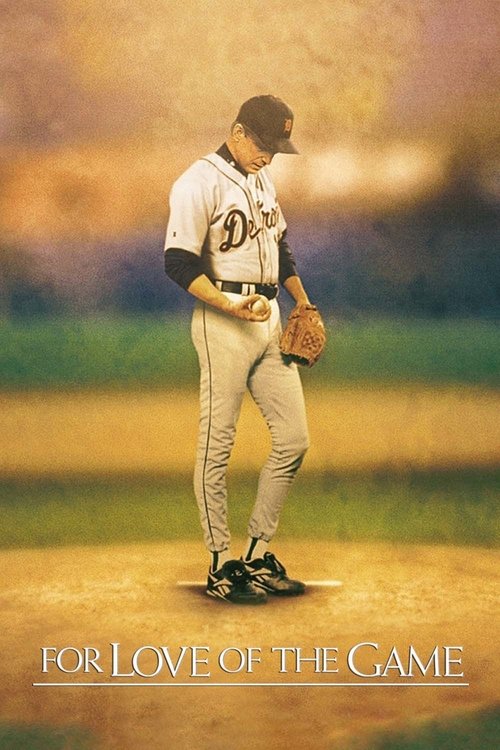
For Love of the Game1999
A veteran pitcher's last chance at redemption through one perfect game. Same spiritual approach to baseball as Angels, same belief that one moment can save a life.
But Melodramatic and long. Kevin Costner at his most earnest, which reads as self-parody to some viewers.
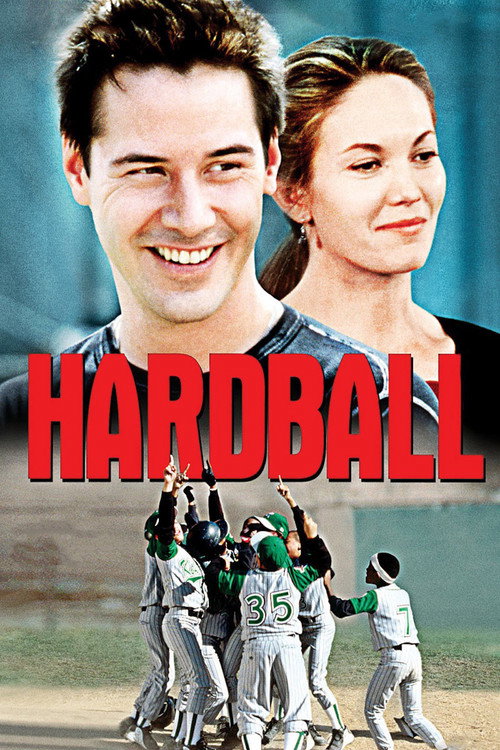
Hardball2001
A mentor guides a struggling team of kids toward belief in themselves. It's got the same mentor-figure structure and the same idea that baseball can be transformative for foster children and boys without fathers.
But Darker and more heavy-handed about poverty and loss. The fantasy elements are replaced by social realism, which some find more depressing than uplifting.
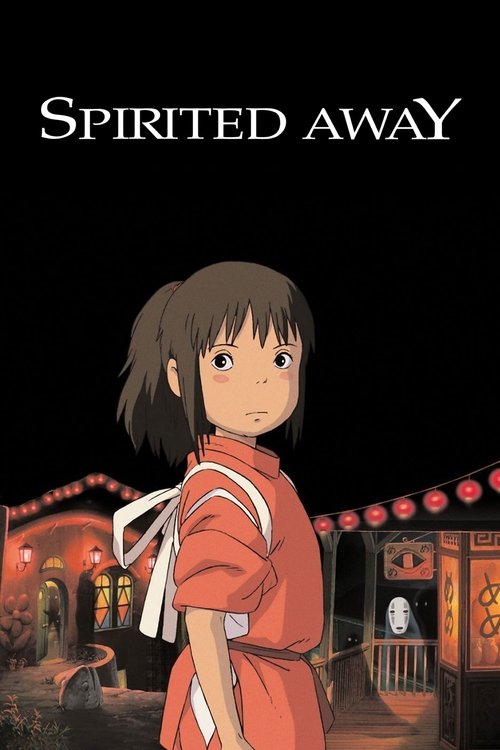
Spirited Away2001
Both trust that children can see and act on spiritual truths adults have forgotten. Both are fantasy without irony—they mean what they say about magic.
A child's faith and kindness in an overwhelming magical world. The same fantasy logic—a world operates on emotional and spiritual rules, not physics; a kid's stubborn belief saves everyone around them. Gorgeously, oddly moving.
But Japanese anime feature, very long, surreal. Nothing looks like real life. If you want recognizable sentiment, this abstracts it into something stranger.
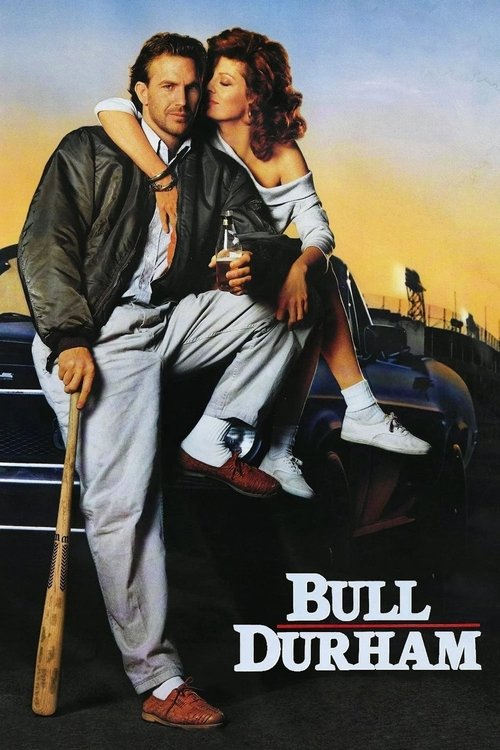
Bull Durham1988
Both center on a baseball mentor-student bond, but Bulls Durham argues for acceptance of limits while Angels argues for faith in miracles. They're the same story from opposite philosophical poles.
Minor-league baseball, mentorship, and the wisdom that comes from accepting your own small life. It's about baseball as deeply as Angels is, but from the opposite end—an aging player teaching younger ones not to dream too big, but to love what's in front of you.
But Cynical where Angels is hopeful. It's funny and adult and about sex; if you want inspiration, you get irony instead.
People
Cast
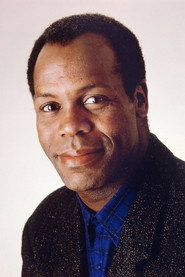 Danny GloverGeorge Knox
 Tony DanzaMel Clark
 Brenda FrickerMaggie Nelson
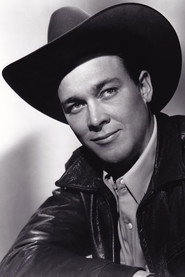 Ben JohnsonHank Murphy
 Joseph Gordon-LevittRoger
 Jay O. SandersRanch Wilder
 Taylor NegronDavid Montagne
- Milton Davis Jr.J.P.
 Christopher LloydAl the Angel
 Tony LongoTriscuit Messmer
 Neal McDonoughWhitt Bass
 Stoney JacksonRay Mitchell
Directing
- William DearDirector
- L. Dean Jones Jr.First Assistant Director
- Joanie BlumScript Supervisor
- Jay SmithSecond Assistant Director
- Sazzy Lee CalhounSecond Assistant Director
- Shannon WilsonSecond Assistant Director
- Irby SmithSecond Unit Director
- Robert J. MooneySecond Unit First Assistant Director
Writing
- Dorothy KingsleyScreenplay
- George WellsScreenplay
- Holly Goldberg SloanScreenplay
Production
- Barbara HarrisADR Voice Casting
- Holly Goldberg SloanAssociate Producer
- Richard H. PrinceAssociate Producer
- Pam DixonCasting
- Amy E. GerberCasting Associate
- Gary StutmanExecutive Producer
- Véronique VowellLocation Manager
- Irby SmithProducer
- Joe RothProducer
- Roger BirnbaumProducer
- Lark BerniniProduction Coordinator
- Richard H. PrinceProduction Manager
Recommended by
The Sandlot, The Mighty Ducks, Touched by an Angel, Air Bud, Like Mike, Rookie of the Year