
Film
Colors
Colors is a gritty 1988 cop drama that drops you into Los Angeles gang culture with unflinching intensity. Sean Penn and Robert Duvall play partners navigating turf wars where street colors mean everything. It's visceral and angry, powered by strong performances and Dennis Hopper's restless direction. For anyone who wants their crime stories raw and their moral questions messy.
Should you watch it?
Watch it if you want a gritty street-level cop picture where the texture of neighborhood, rivalry and daily routine carries the weight more than plot twists, and you enjoy a Penn and Duvall pairing that trades on restraint.
Skip it if you need quick pacing or a tidy resolution, since it lingers on patrol routine and rivalry and stays unsettled, and its violence is raw enough to feel heavy rather than thrilling.
What it asks of you: Two hours of patient, grimy observation with long stretches of talk and waiting between sudden bursts of violence, so settle in and let its mood build rather than expecting it to hurry.
Not sure? Find tonight's pick in a minute.
If you liked this
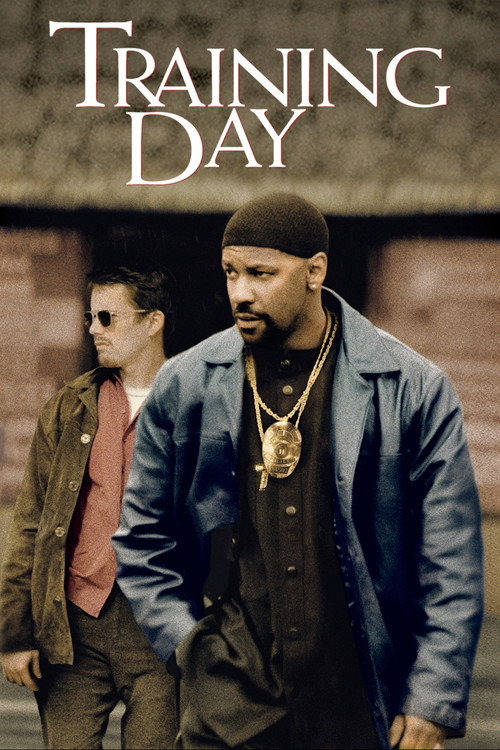
Training Day2001
Denzel Washington and Ethan Hawke navigate corruption and survival in South Central LA. Like Colors, it's about mentorship twisted by institutional rot, with a veteran cop showing a newcomer how the real game is played.
But The twist ending polarizes people, and some find Denzel's performance a bit much. It also moves into thriller territory rather than staying grounded.
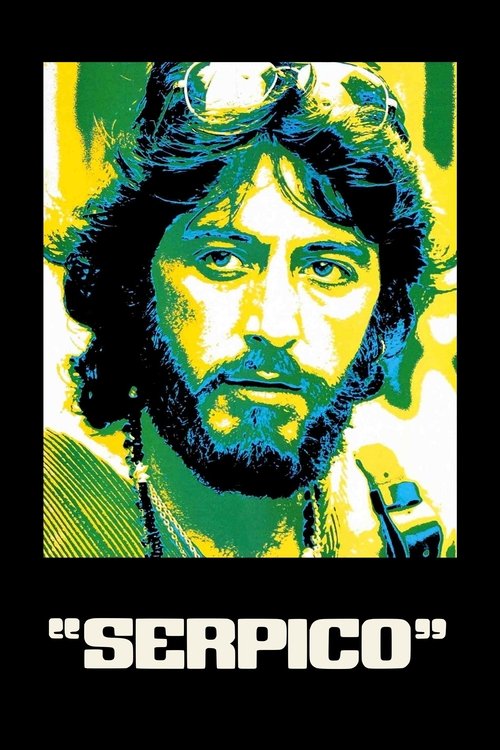
Serpico1973
Al Pacino as an idealist cop battling corruption from within. It shares Colors' refusal to let cops be simply good or bad, and its portrait of institutional pressure is as acute as Colors' portrait of street pressure.
But It's slower and more procedural than Colors. The 1970s pacing will feel glacial if you want immediate action.
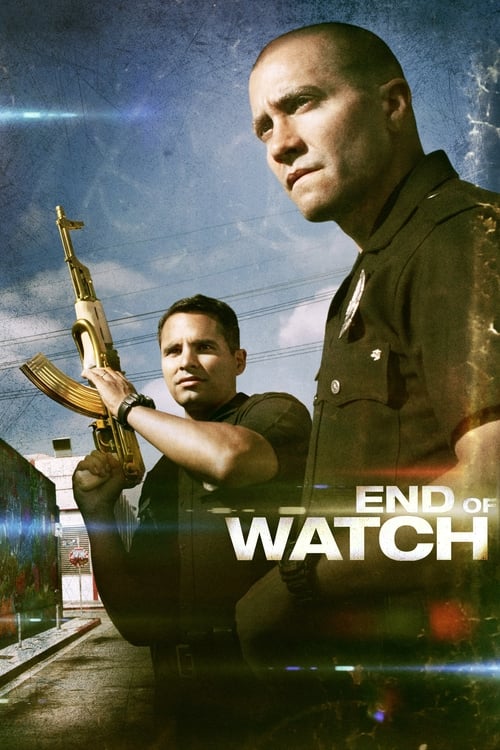
End of Watch2012
Two LA patrol cops navigate gang territory with genuine camaraderie. It captures the partnership dynamic at Colors' heart while exploring how ordinary cops survive extraordinary danger.
But The found-footage style isn't for everyone. Some scenes feel exploitative, and the emotional beats can feel manipulative.
Not sure tonight? Get a pick in a minute, starting from Colors
The wildcard
Something you would not have found on your own.
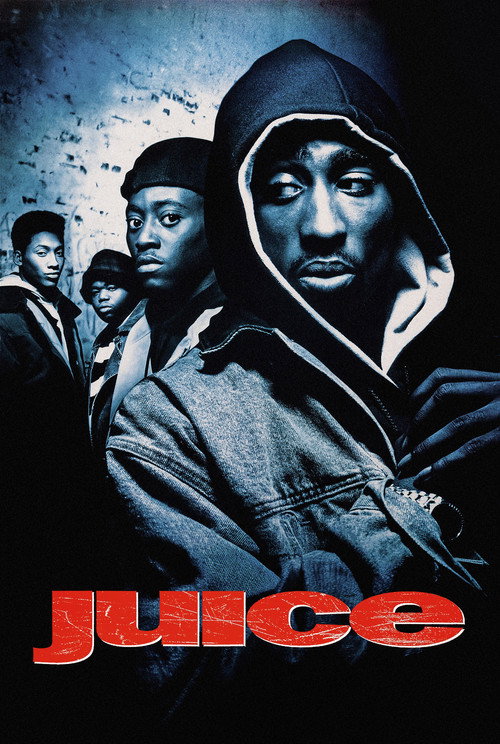
Juice1992
Where Colors watches gang culture from outside (the cop's eye), Juice watches it from inside with empathy. Both films refuse to simplify; both show how ideology and identity ensnare people who didn't choose their circumstances.
Four Harlem teenagers and a single night that destroys them. It's Colors from the gang's point of view, with genuine performances from Ice-T and Tupac. The camera loves its characters; the story doesn't.
But It's a first feature by Ernest Dickerson and feels youthful—sometimes raw in ways that feel unpolished rather than intentional. The pacing wobbles.
More like this (7)
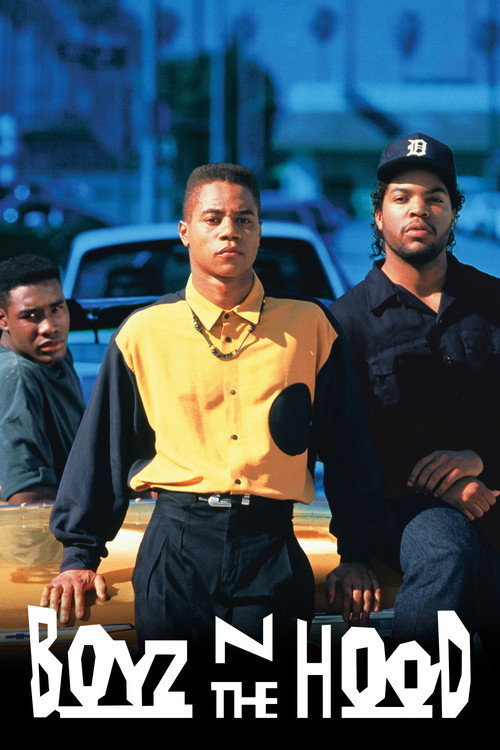
Boyz n the Hood1991
John Singleton's debut follows young men in South Central trying to escape gang cycles. It has Colors' documentary-like eye for detail and genuine affection for its characters alongside the danger.
But The dialogue can feel didactic, and Ice Cube's performance is uneven. Some of the social commentary lands heavy-handed.
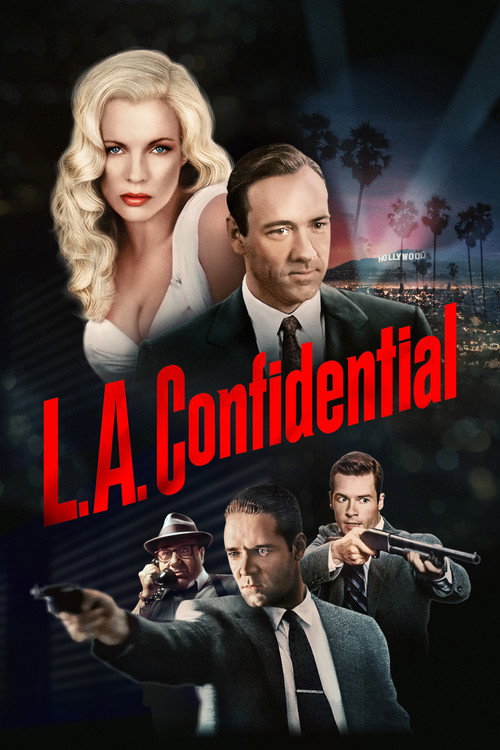
L.A. Confidential1997
Three cops in 1950s LA navigate corruption and violence with style and intelligence. Curtis Hanson's direction is crisp, and it shares Colors' fascination with how institutions corrupt from within.
But It's a noir procedural, not an action film. If you want intensity over elegance, this reads as distant.
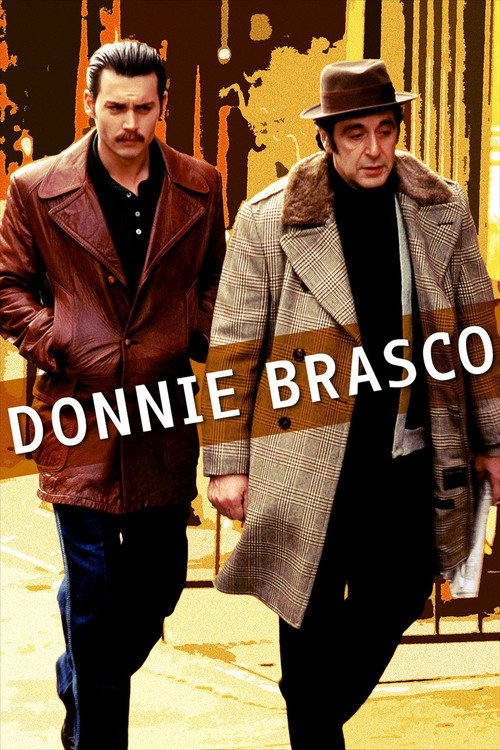
Donnie Brasco1997
Johnny Depp undercover in the mob, mentored by Al Pacino. The mentor-student dynamic and moral compromise echo Colors, with a focus on identity fracture under pressure.
But It's slower and more introspective. The crime world feels claustrophobic rather than sprawling, which loses some of Colors' scope.
A Prophet2009
Jacques Audiard's stunning film about a young man inside prison learning survival from elder cons. It has Colors' ruthless eye for hierarchies and the education of a newcomer in a violent world.
But It's French, subtitled, and 148 minutes. Prison films can feel oppressive rather than exhilarating.

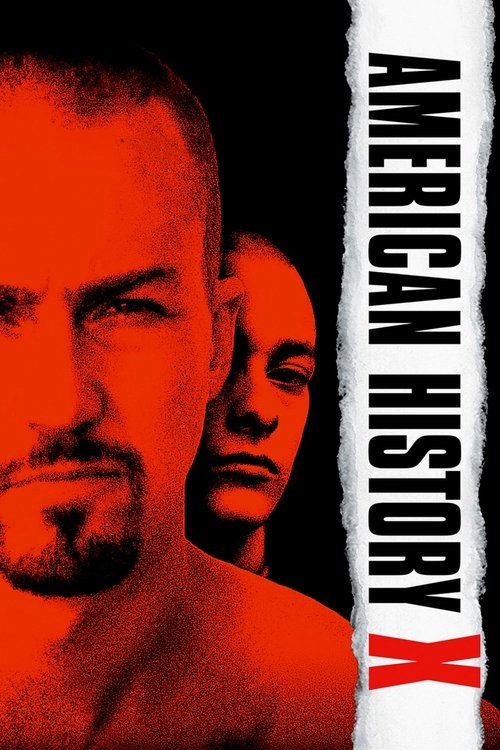
American History X1998
Edward Norton's transformation within a white supremacist gang, mentored by a charismatic leader. It's Colors' theme of indoctrination and ideology played out in a different subculture.
But It's heavy-handed and graphic. The film's moral stance can feel preachy, and some scenes are genuinely hard to watch.
La Haine1995
Both films use mentorship and class as their skeleton, but La Haine extends the social anger into something more formally ambitious. Colors is a thriller about systems; La Haine is a poem about them.
Mathieu Kassovitz's black-and-white masterpiece about three young men in the Paris banlieues, filmed with visual fury and love for its characters. It's Colors' DNA reimagined in urban poverty outside America, with deeper poetic ambition.
But It's French, subtitled, in black and white. The style is deliberately confrontational. If you want conventional narrative pleasures, this won't give them.

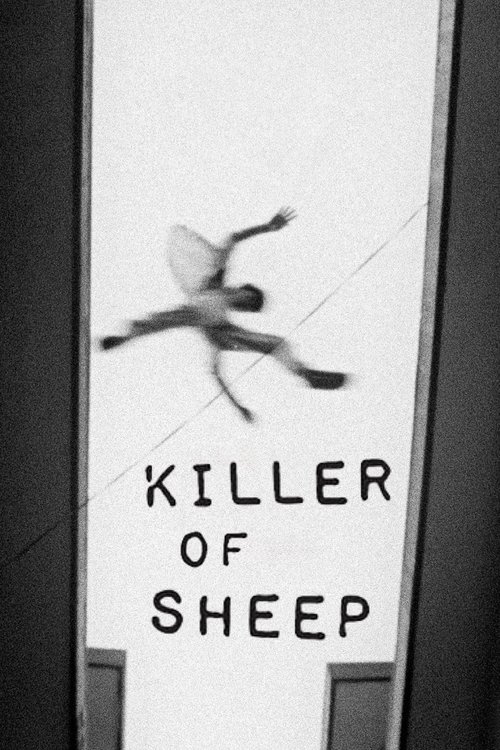
Killer of Sheep1978
Colors is about LA gang violence; Killer of Sheep is about the exhausted dignity of the people violence preys on. Both love their setting and characters. Colors shows us the danger; Burnett shows us the weight underneath it.
Charles Burnett's Watergate-era masterpiece: 83 minutes in South Central LA with a man who slaughters sheep at night, surrounded by life, music, and dignity. Utterly still, photographed like a Wyeth painting, with more feeling than most films achieve in twice the length.
But It's a 1970s art film. There's no plot, minimal dialogue, and it asks you to sit with loneliness and labor. It will feel glacially slow if you're hungry for drama.
People
Cast
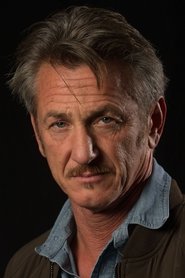 Sean PennDanny McGavin
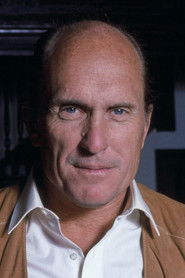 Robert DuvallBob Hodges
 María Conchita AlonsoLouisa Gomez
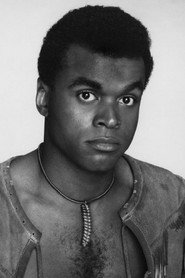 Randy BrooksRon Delaney
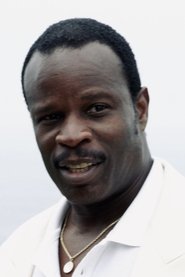 Grand L. BushLarry Sylvester
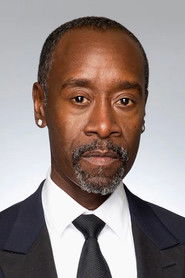 Don CheadleRocket
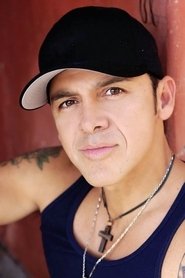 Gerardo MejíaBird
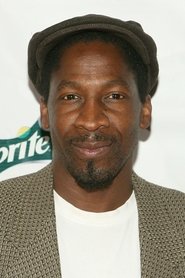 Glenn PlummerHigh Top
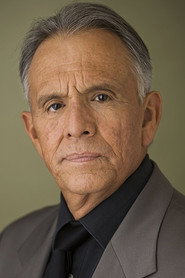 Rudy RamosMelindez
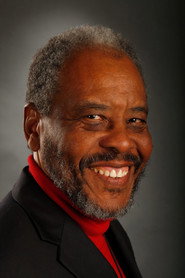 Sy RichardsonBailey
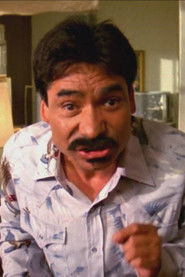 Trinidad SilvaFrog
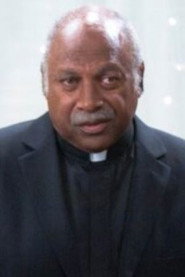 Charles WalkerReed
Directing
- Dennis HopperDirector
Writing
- Michael SchifferScreenplay
Production
- Lauren LloydCasting
- Robert H. SoloProducer