
Film
Grand Canyon
Lawrence Kasdan's ensemble portrait of 1990s Los Angeles, where six characters of different races and classes find their lives intersecting through accident, violence, and tentative connection. It's earnest, sprawling, occasionally clumsy, and completely committed to the idea that understanding across difference is possible—and necessary. For anyone who believes movies can actually change how people see each other.
Should you watch it?
Watch it if you like ensemble films that let big, uncomfortable questions about city life sit alongside small, wry moments of human absurdity, with characters who feel like neighbors you half-recognize.
Skip it if you want a tight plot that moves briskly toward a clear payoff, since this one wanders through many lives at a deliberate, talky pace and its 134 minutes can feel long.
What it asks of you: Patience for a sprawling, slow-building web of storylines that only gradually reveal how the characters connect, with a tonal mix that shifts between sober and sardonic.
Not sure? Find tonight's pick in a minute.
If you liked this
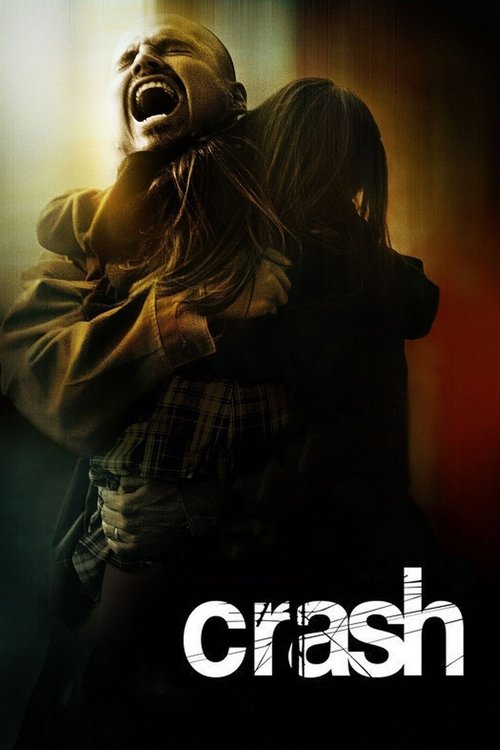
Crash2005
A more explicit, intersecting-storylines examination of Los Angeles racism and redemption. If you connected with Grand Canyon's ambitions, this pushes the envelope further—darker, faster, more jagged in structure.
But It's manipulative and heavyhanded in ways even Grand Canyon avoids. The coincidences feel engineered rather than felt, and the moral lectures can drown out character.
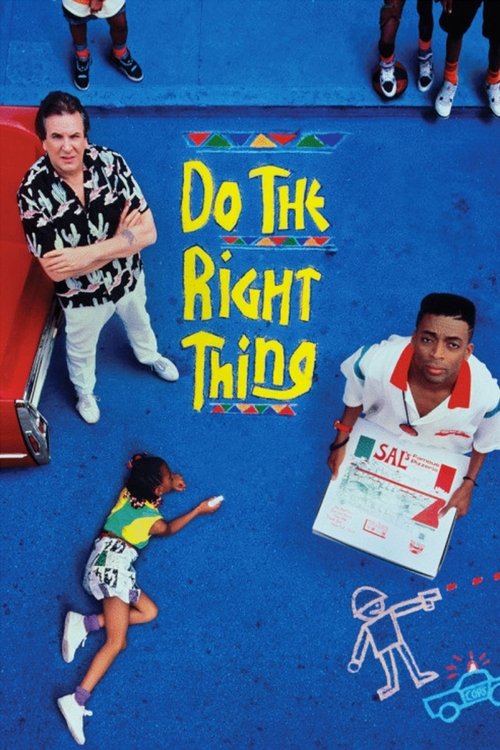
Do the Right Thing1989
Spike Lee's masterpiece about race, community, and a single day in Brooklyn. Funnier and more formally adventurous than Grand Canyon, with a moral clarity that doesn't shy from contradictions or anger.
But It's claustrophobic and deliberately provocative rather than reconciliatory. If you're watching Grand Canyon for comfort, this will challenge you instead.
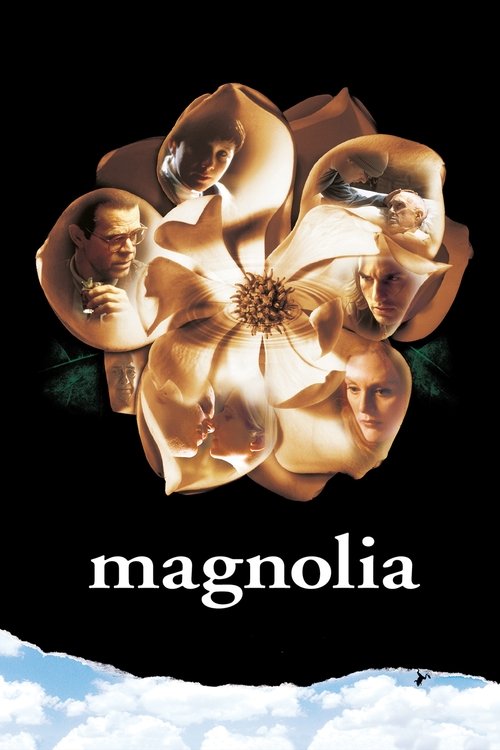
Magnolia1999
Another Los Angeles ensemble where strangers' lives collide. Paul Thomas Anderson goes deeper into despair and loneliness, with more formal invention and a spiritual dimension that's genuinely moving rather than well-meaning.
But It's three and a half hours, sometimes annoyingly pleased with itself, and the ending divides people sharply. Some find it profound; others find it a mess.
Not sure tonight? Get a pick in a minute, starting from Grand Canyon
The wildcard
Something you would not have found on your own.
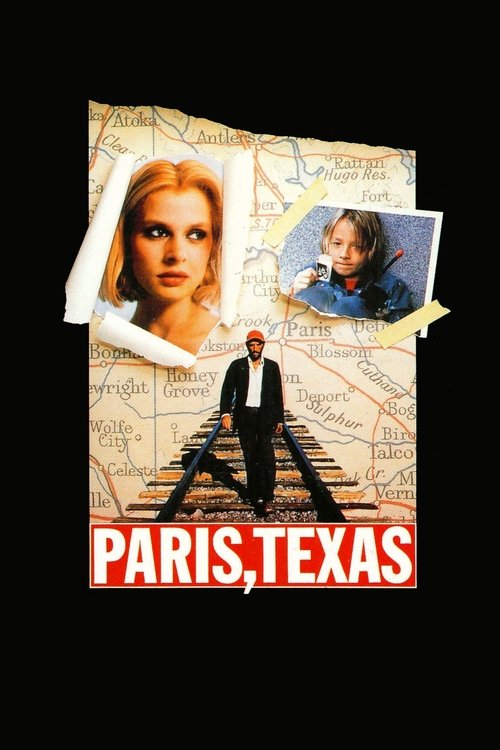
Paris, Texas1984
Both films center on damaged men learning to look at and acknowledge other people across chasms of class, race, or pain. Grand Canyon believes this is possible; Paris, Texas knows it might already be too late.
Wim Wenders' masterpiece about a man emerging from isolation to reconnect with his son and ex-wife. Like Grand Canyon, it's about men bridging impossible distances, but it's interior, mythic, and devastatingly sad rather than socially optimistic.
But It's slow, wordless stretches can feel glacial. Harry Dean Stanton's emotional minimalism will read as blank to some. The bleakness may undermine Grand Canyon's faith in reconciliation.
More like this (8)
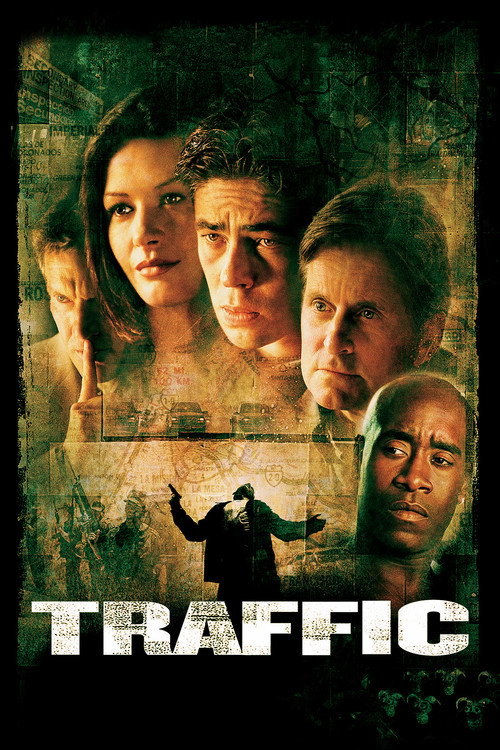
Traffic2000
Steven Soderbergh's multi-threaded examination of the drug war and institutional failure. Like Grand Canyon, it connects seemingly separate stories, but with more political teeth and formal elegance.
But The rotating cinematography can feel gimmicky. The scope is so broad it sometimes sacrifices character depth for plot machinery.
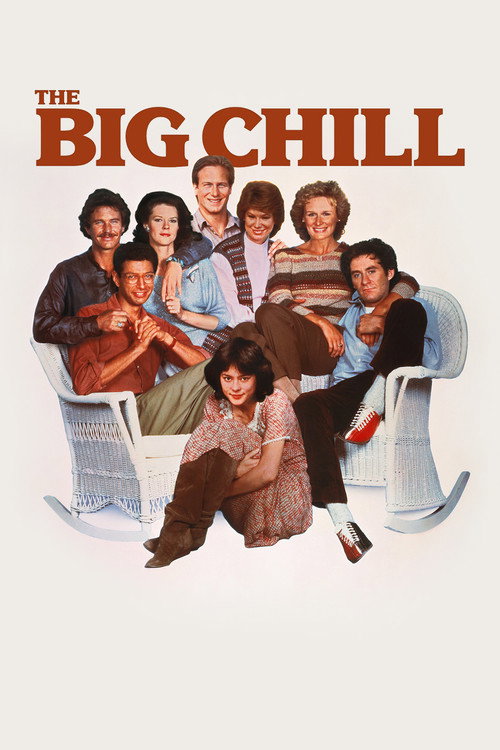
The Big Chill1983
An earlier American ensemble about friendship, race, and class, set among a weekend gathering of old friends. More comedic and bittersweet, less earnest, but working the same emotional muscles.
But It's thoroughly of the 1980s and rather smug about its own liberalism. The women are somewhat underwritten compared to the men.
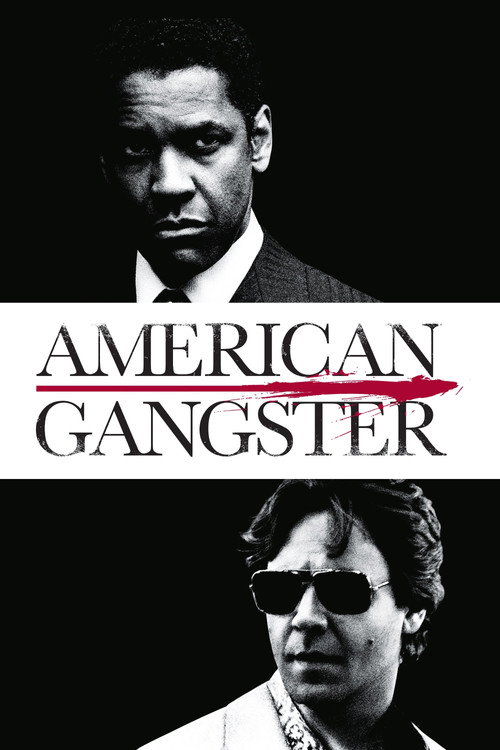
American Gangster2007
Ridley Scott's portrait of Harlem and corruption, tracking the complicated entanglement of a drug kingpin and a cop across decades. Grand Canyon-like in scope but grittier, less optimistic about human connection.
But At two hours forty minutes it occasionally meanders. Denzel Washington's morality is hard to parse, which may frustrate or intrigue depending on your mood.
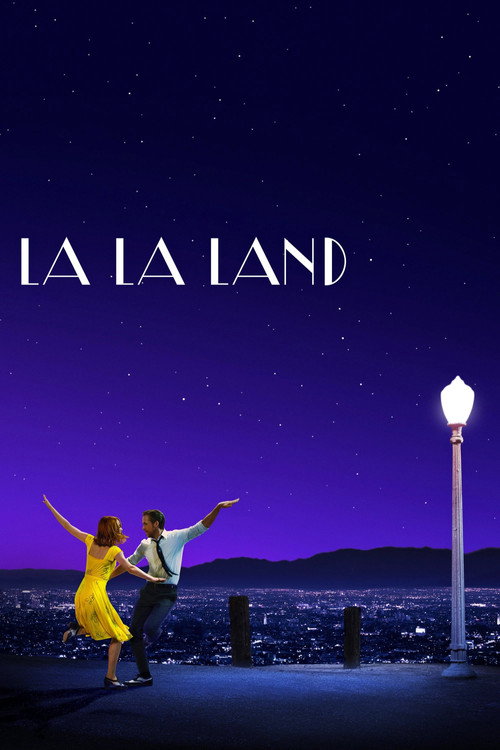
La La Land2016
Another Los Angeles love story built on the collision of different dreams and classes. More formally audacious and bittersweet, about people who can't quite help each other despite wanting to.
But The whimsy can feel saccharine. If you watch Grand Canyon for its social conscience rather than romance, this will feel like a step backwards.
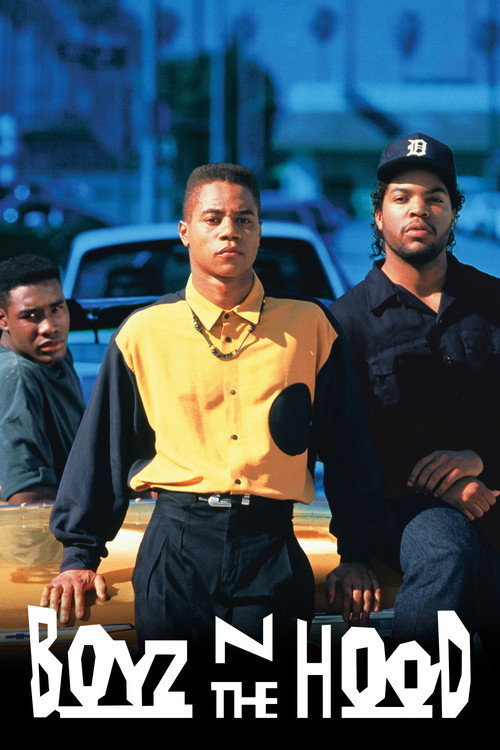
Boyz n the Hood1991
John Singleton's portrait of South Central Los Angeles, released the same year. Tighter, angrier, more focused on intergenerational trauma and what it means to escape or survive your geography.
But It's more bleak than Grand Canyon, with less faith in cross-racial friendship. The optimism is harder-won and colder.
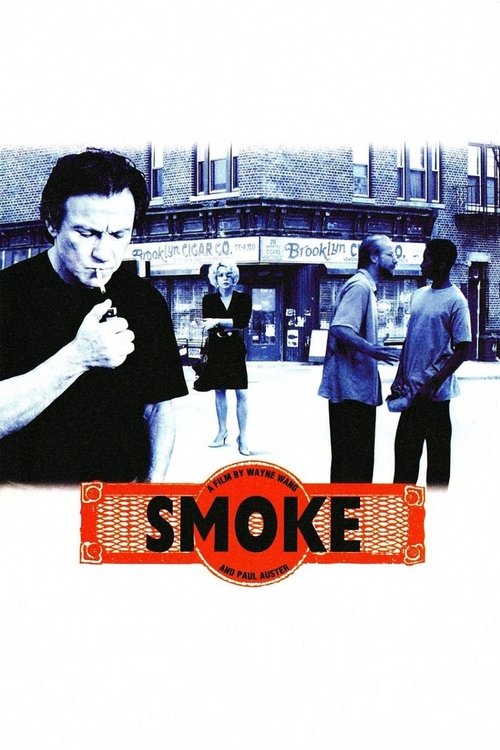
Smoke1995
Wayne Wang and Paul Auster's chamber piece about regulars in a Brooklyn cigar shop. Like Grand Canyon, it's about strangers becoming community, but more intimate, more literary, less preachy about its themes.
But It's quiet and digressive. If you want sweep and drama, this is a smallish story told in a small room, and some will find that boring.
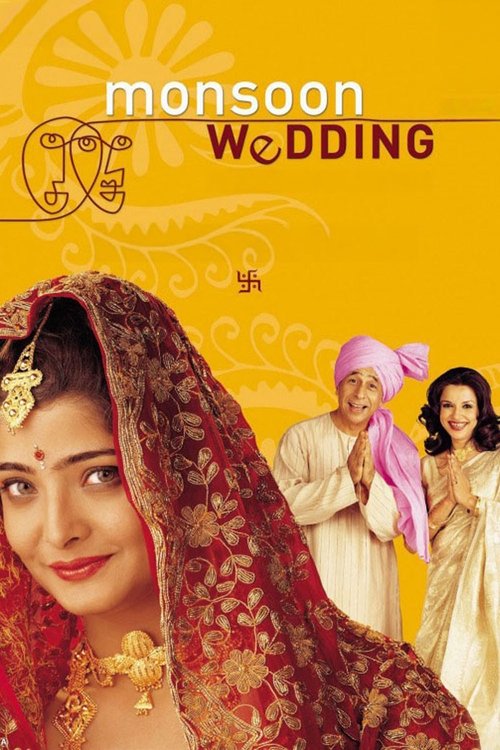
Monsoon Wedding2001
Both films believe that proximity—whether accidental or ceremonial—can force human beings into genuine relationship. Both use humor and warmth alongside darker truths. Both trust ensemble structure to argue for communal hope.
Mira Nair's kaleidoscopic Indian wedding story uses ensemble chaos and a single event to explore class, tradition, and how strangers become family. Like Grand Canyon, it's fundamentally optimistic about connection across difference, but with far more joy and visual richness.
But The tonal whiplash from comedy to family violence is sharp and sometimes jarring. Its multicultural optimism, while genuine, can feel a bit polished and airbrushed.
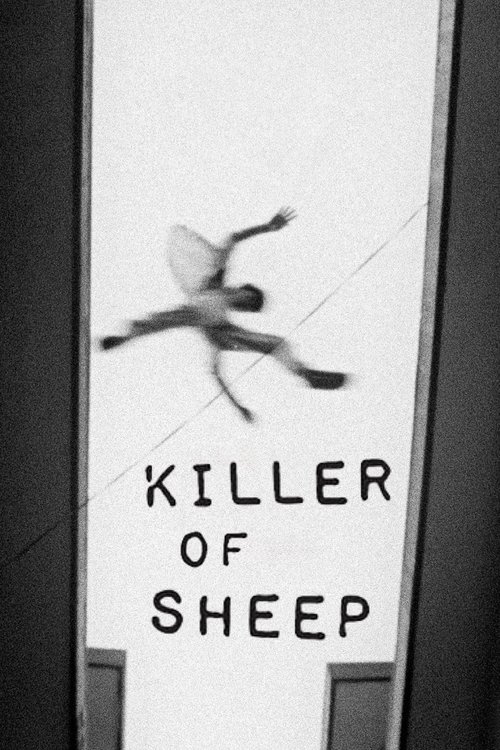
Killer of Sheep1978
Where Grand Canyon imports white characters into the Black neighborhood to learn empathy, Killer of Sheep simply shows us the interior life of the people Grand Canyon might see from the outside. Burnett's film is what Grand Canyon's good intentions point toward: the humanity already there, needing no permission to be seen.
Charles Burnett's experimental, poetic portrait of a Black family in Watts, Los Angeles—making it geographically and spiritually the predecessor to Grand Canyon. Shot on 16mm, it finds beauty and dignity in economic hardship without sentimentality.
But There's almost no conventional plot. It's a collage of moments, images, and silences. If you need narrative momentum or cathartic resolution, this will feel frustratingly elusive.
People
Cast
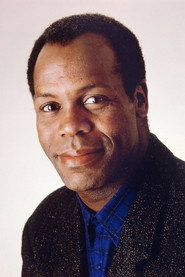 Danny GloverSimon
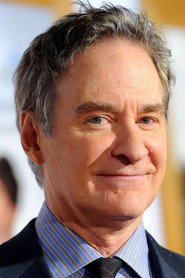 Kevin KlineMack
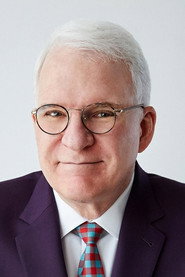 Steve MartinDavis
 Mary McDonnellClaire
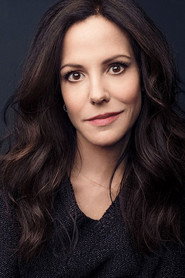
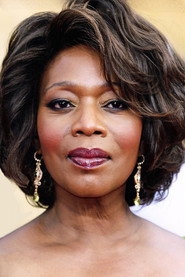 Alfre WoodardJane
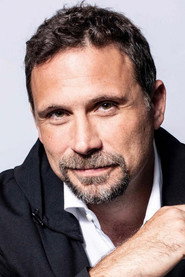 Jeremy SistoRoberto
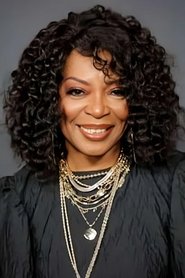 Tina LiffordDeborah
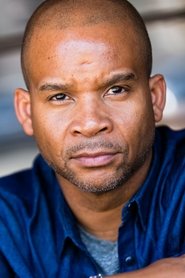 Patrick MaloneOtis
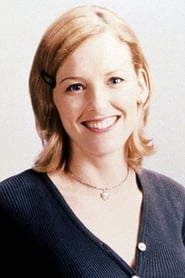 Sarah TriggerVanessa
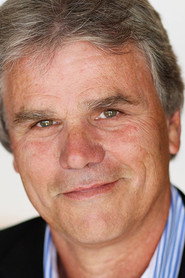 Randle MellThe Alley Baron
- Destinee DeWaltKelley
Directing
- Lawrence KasdanDirector
- Anne RappScript Supervisor
Writing
- Lawrence KasdanWriter
- Meg KasdanWriter
Production
- Barbara HarrisADR Voice Casting
- Meg KasdanAssociate Producer
- Ron Stacker ThompsonAssociate Producer
- Jennifer ShullCasting
- John PanzarellaLocation Manager
- Steph BensemanLocation Manager
- Charles OkunProducer
- Lawrence KasdanProducer
- Michael GrilloProducer