
Film
The Big Chill
Seven college friends reunite for a weekend after their friend's suicide, and over wine and music they excavate their past selves, their compromises, and what they've become. It's funny and sad in the same breath, full of long conversations that feel like eavesdropping on your own regrets. Wise, melancholy, the kind of film that makes you want to call everyone you've lost touch with.
Should you watch it?
Watch it if you love ensemble talk-driven films where the pleasure is in watching old friends bicker, confide and circle their own disappointments over a long, music-soaked weekend.
Skip it if you want plot momentum, since very little happens beyond conversation, and the nostalgic 1960s-era reminiscing may feel self-indulgent if you did not come of age with these people.
What it asks of you: Settle in for about105 minutes of mostly interior talk, unhurried and reflective, with a wry melancholy that rewards patience more than any sudden turn.
Not sure? Find tonight's pick in a minute.
If you liked this
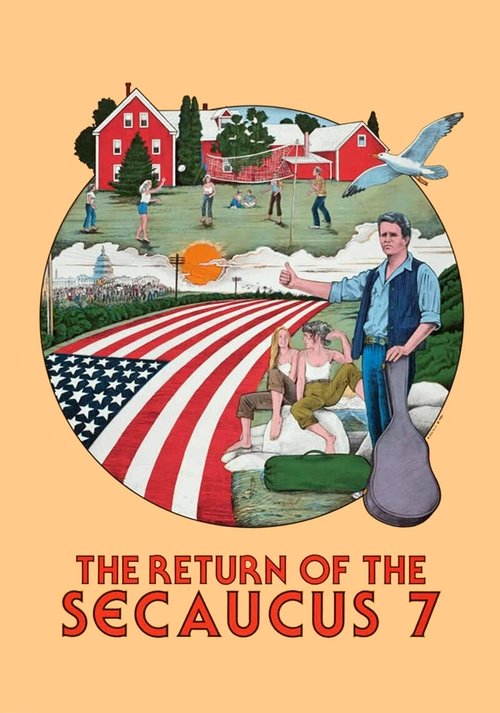
Return of the Secaucus Seven1980
John Sayles' spiritual predecessor about seven friends gathering after years apart. Same DNA—intimate, funny, painfully honest about how people change. A film that trusts conversation to carry drama.
But Shot on a modest budget with a non-professional cast; the production values feel spare and sometimes rough. Some scenes meander without obvious narrative purpose.
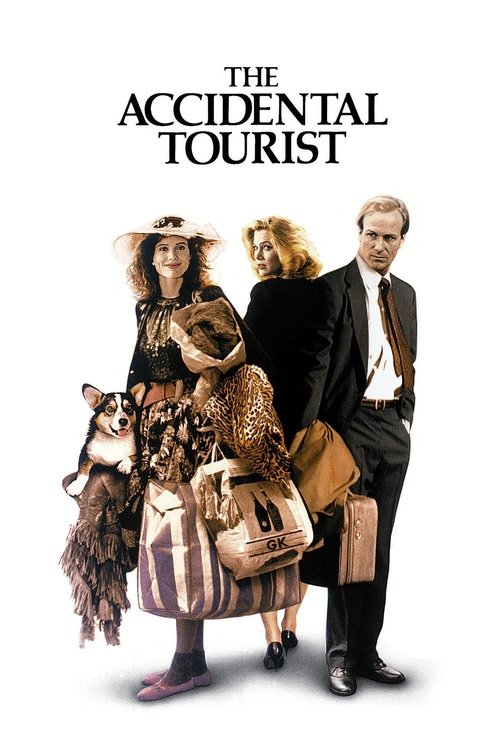
The Accidental Tourist1988
William Hurt and Kathleen Turner navigate heartbreak and disconnection after tragedy. Tender, funny, about people learning to live again. Same wry tone, same attention to how grief hides in ordinary moments.
But A quieter film than you might expect. Doesn't build toward grand emotional climaxes; it lives in the small, awkward spaces instead.
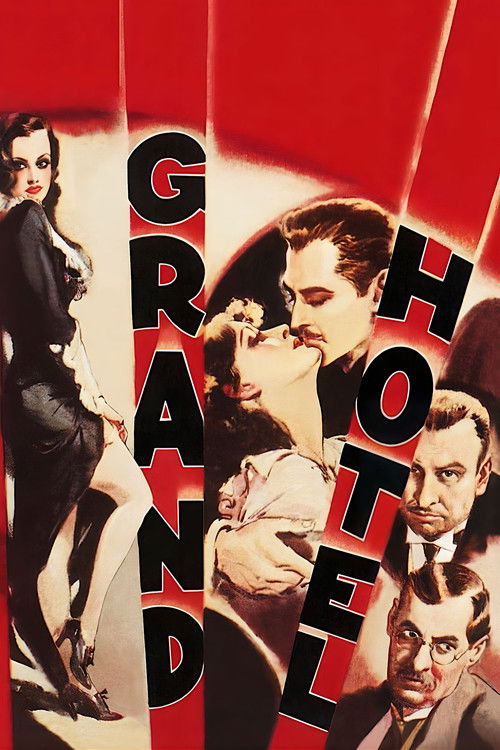
Grand Hotel1932
An ensemble of glamorous misfits trapped in one location for a weekend, their lives intersecting and colliding. The template for all ensemble dramas. Pure observation of human contradiction and desire.
But Made nearly fifty years before The Big Chill; the style is very much of its era. Moves at a different pace than you're probably used to.
Not sure tonight? Get a pick in a minute, starting from The Big Chill
The wildcard
Something you would not have found on your own.
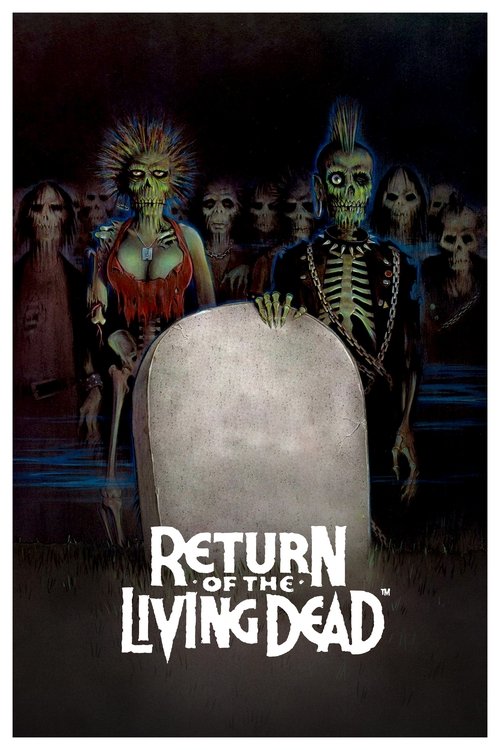
The Return of the Living Dead1985
Both films from the Reagan era grapple with a generation watching their ideals calcify. The Big Chill does it through wine and regret; this one through metaphor and gore. Same spiritual despair, opposite language.
A zombie film that trades apocalyptic horror for dark comedy and genuine melancholy about America, waste, and the feeling that everything is falling apart. The same era, same anxiety underneath the genre costume. Shot through with a kind of despairing wit.
But It's a horror-comedy with body horror and splatter effects. If you want sophisticated drama, not punk-rock horror pastiche, this will feel like a tonal wrong turn.
More like this (8)
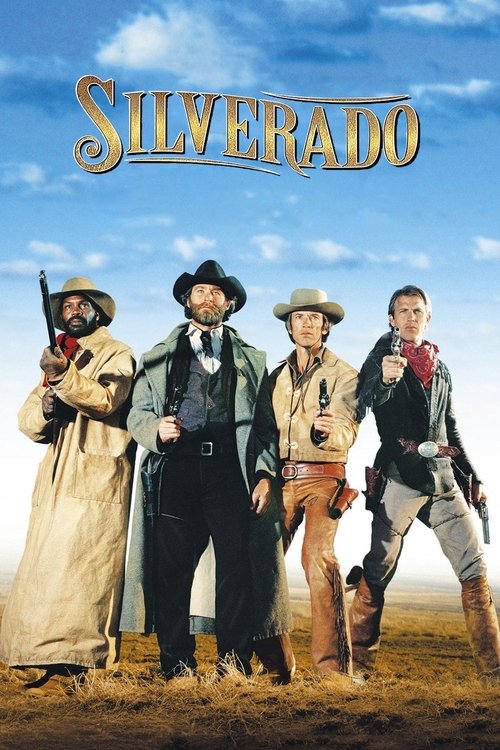
Silverado1985
A joyous western about four drifters with shared history banding together. Same ensemble warmth, same feeling that the camaraderie matters more than the plot. Lawrence Kasdan directed both films.
But It's a conventional western in structure and spirit. If you want contemporary adult drama, this pivots toward adventure and genre pleasures instead.
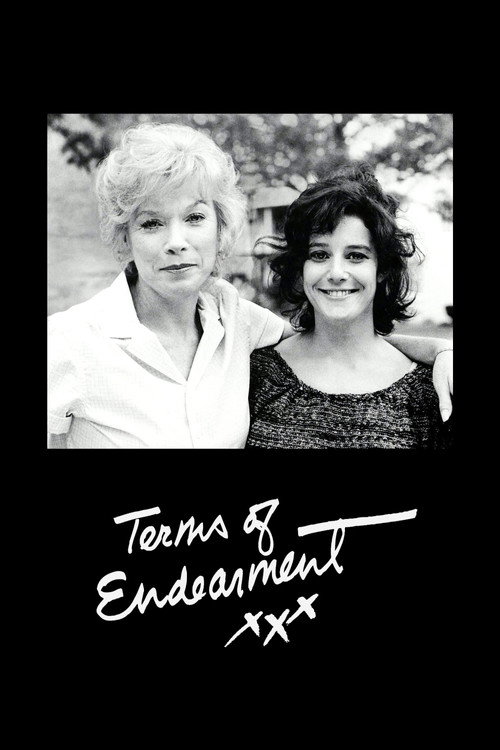
Terms of Endearment1983
Released the same year, same emotional sophistication. Multiple generations, multiple perspectives on love and family, all held together by relationships that don't fit easy categories.
But Considerably more sentimental and plot-driven. Moves toward melodrama in the third act rather than staying with ambiguity.
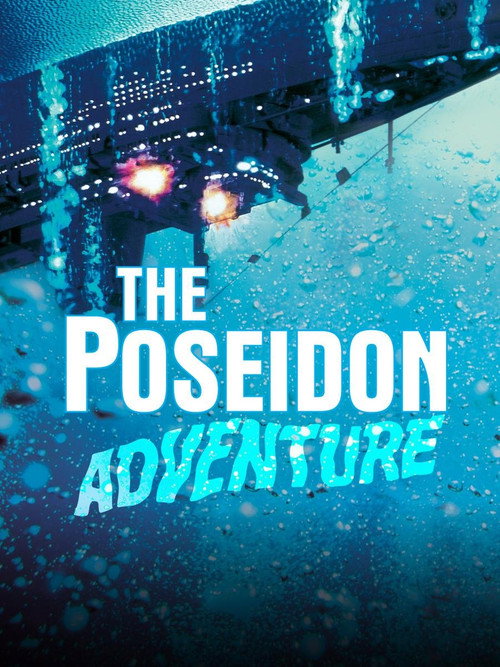
The Poseidon Adventure1972
A disaster film built around an exceptional ensemble cast trapped by circumstance, forced to depend on each other. Focus on the group dynamic and human nature under pressure.
But It's fundamentally a spectacle film about survival. The tone is urgent and forward-moving, not reflective or leisurely.
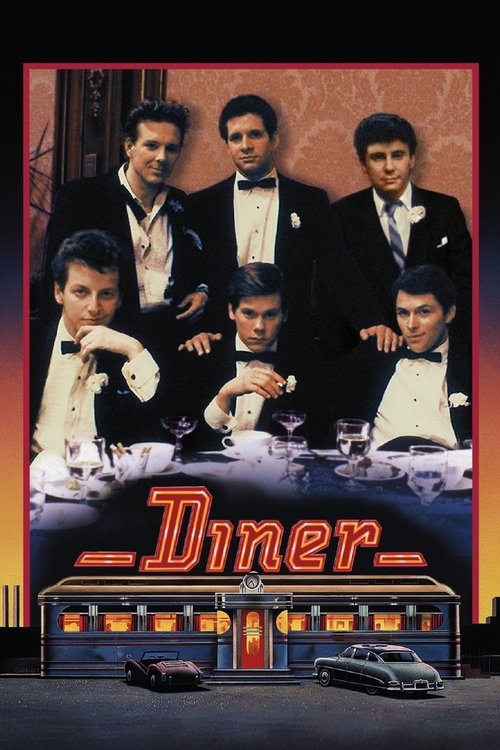
Diner1982
Barry Levinson's ensemble piece about a group of men drifting through their thirties, talking about nothing and everything. Captures that same feeling of friends trying to hold onto who they were.
But Set among men in Baltimore; the world and concerns are narrower. Also more scattered in structure—less a unified narrative than overlapping conversations.
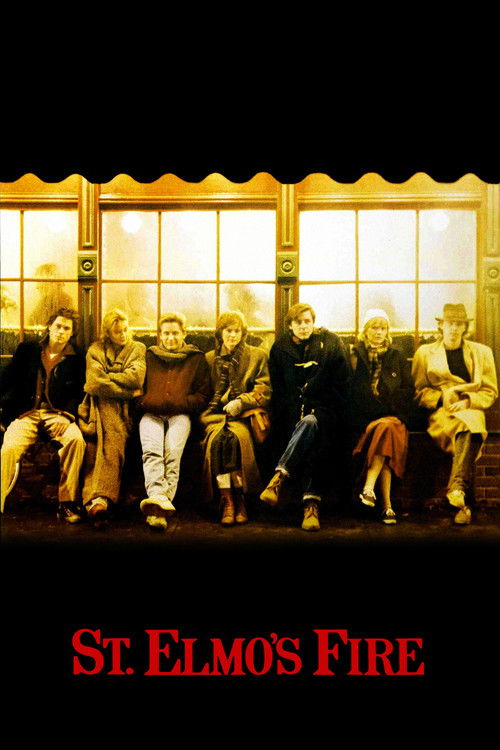
St. Elmo's Fire1985
Seven recent college graduates navigate adulthood and friendship in the years immediately after. Same generational anxiety, same cocktail of comedy and genuine sadness about growing up.
But More of a commercial product with a softer edge and higher melodrama. The emotional moments can feel a bit calculated compared to The Big Chill's naturalism.
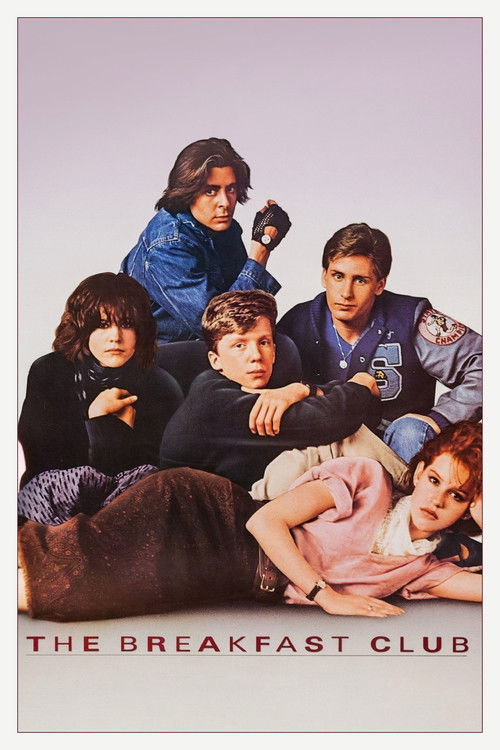
The Breakfast Club1985
Five teenagers trapped together for a day, confessing and connecting. John Hughes' gift for capturing real vulnerability beneath the high school comedy. Ensemble that feels like eavesdropping on actual conversation.
But A teen film with different stakes and a different moral universe. Much more earnest; less interested in the ironies that come with actual adulthood.
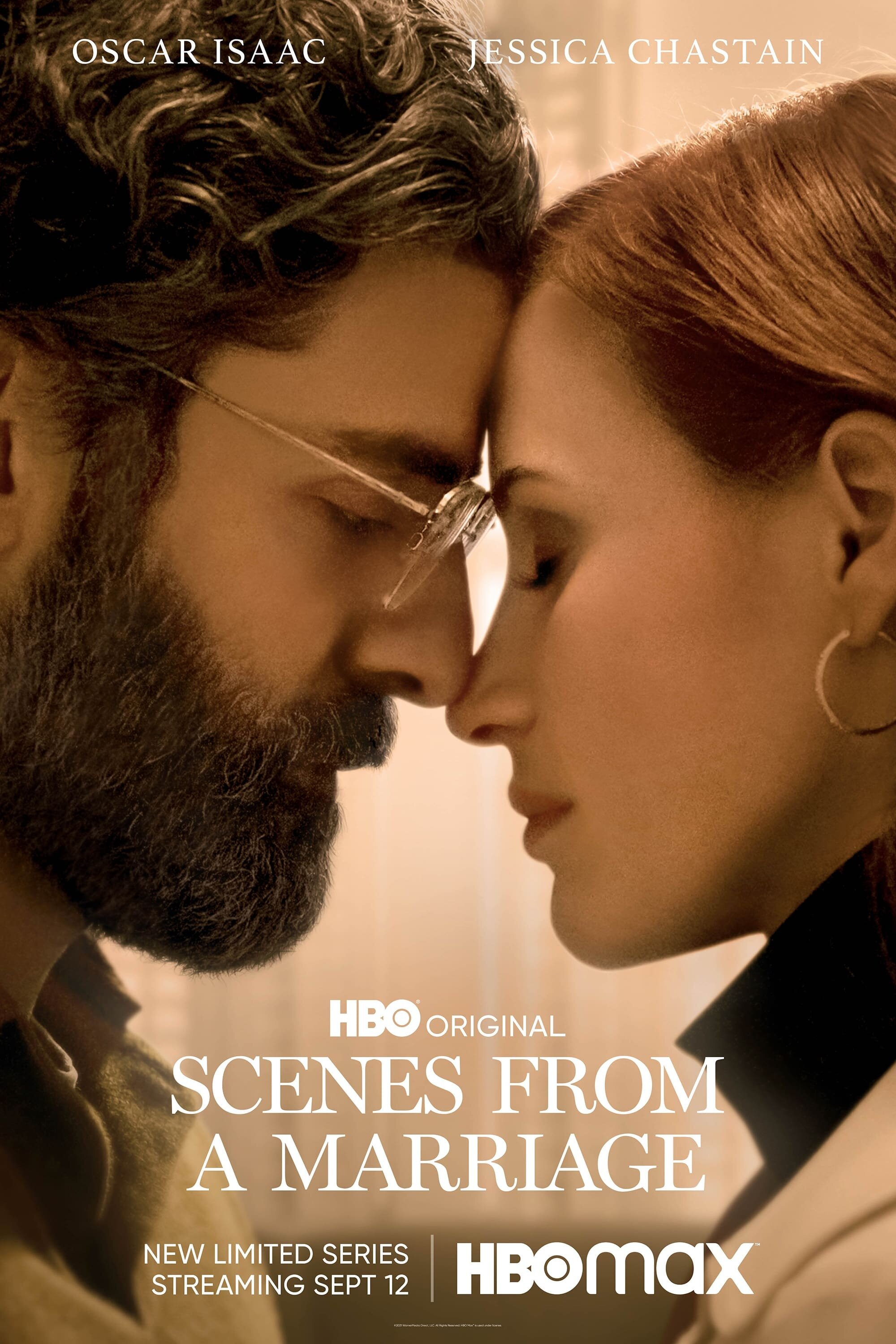
Scenes from a Marriage2021
Both are fundamentally about the gap between how we imagine our lives and how they actually unfold. Bergman's about marriage; The Big Chill is about friendship. Same engine—disappointment, connection, the search for meaning in the personal.
Bergman's six-part chamber piece about a marriage dissolving and reforming. Extended, intimate sequences of two people talking themselves into and out of feeling. The ancestor of all prestige television about relationships.
But Swedish, from 1973, and very slowly paced. Bergman doesn't move the camera much or cut quickly. Requires patience and a certain temperament to sit with discomfort.
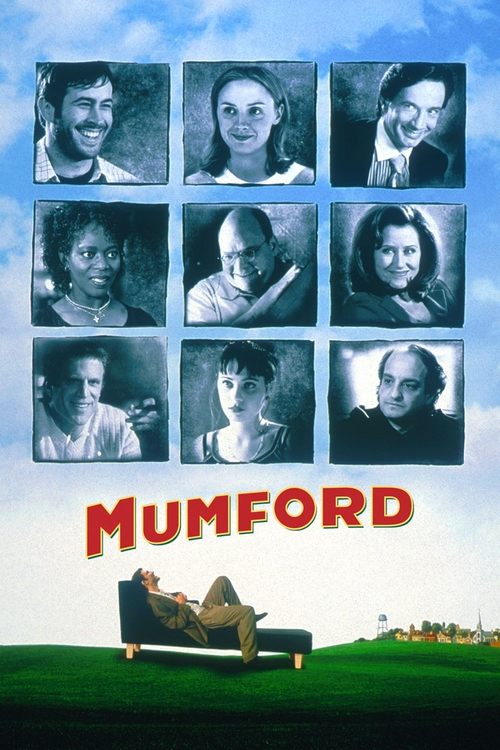
Mumford1999
Same director, same conviction that the real drama lives in what people say to each other when they're not performing. Not about plot events but about the stories we tell ourselves. A return to the same emotional country from a different angle.
Lawrence Kasdan directed this too—a film about a small town's secrets and connections, built on conversation and psychological observation. A therapist arrives in a town and becomes entangled in everyone's lives. It's funny and sad and weirdly searching.
But Made sixteen years after The Big Chill and it shows—the style feels more '90s polished and careful. Less raw. For some, a minor work by a major director; for others, underseen and overlooked.
People
Cast
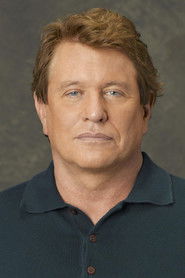 Tom BerengerSam Weber
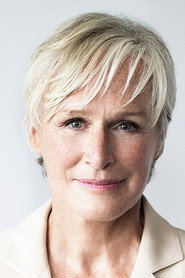 Glenn CloseSarah Cooper
 Jeff GoldblumMichael Gold
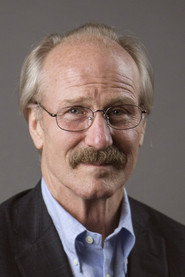 William HurtNick Carlton
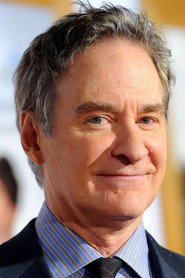 Kevin KlineHarold Cooper
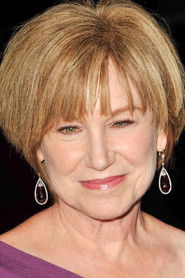 Mary Kay PlaceMeg Jones
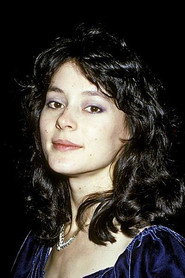 Meg TillyChloe
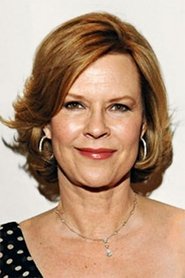 JoBeth WilliamsKaren Bowens
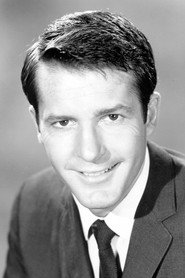 Don GallowayRichard Bowens
- James GillisMinister
- Ken PlacePeter the Cop
 Jon KasdanHarold and Sarah's Son
Directing
- Lawrence KasdanDirector
- Michael GrilloFirst Assistant Director
- Pamela AlchScript Supervisor
- Dan HeffnerSecond Assistant Director
- Stephen P. DunnSecond Assistant Director
Writing
- Barbara BenedekWriter
- Lawrence KasdanWriter
Production
- Wallis NicitaCasting
- Deborah LucchesiCasting Coordinator
- Lawrence KasdanExecutive Producer
- Marcia NasatirExecutive Producer
- Michael ShambergProducer
- Elise RohdenProduction Coordinator
- Barrie M. OsborneUnit Production Manager
Recommended by
Diner, Terms of Endearment, City Slickers, Cougar Town, Grand Canyon, Peter's Friends, A Wedding, One Day, St. Elmo's Fire, The Prince of Tides, The Best Man, Return of the Secaucus Seven, Moonlight Mile, Eulogy, One True Thing, Feast of Love, The Four Seasons, The Hotel New Hampshire