
Film
Peter's Friends
A reunion of six university friends at a country manor reveals how a decade has splintered their shared dreams. Warm and melancholic by turns, it's a character study dressed as a comedy, interested in the gap between who we wanted to be and who we've become. For anyone who's felt the sting of seeing old friends change, or stayed the same.
If you liked this
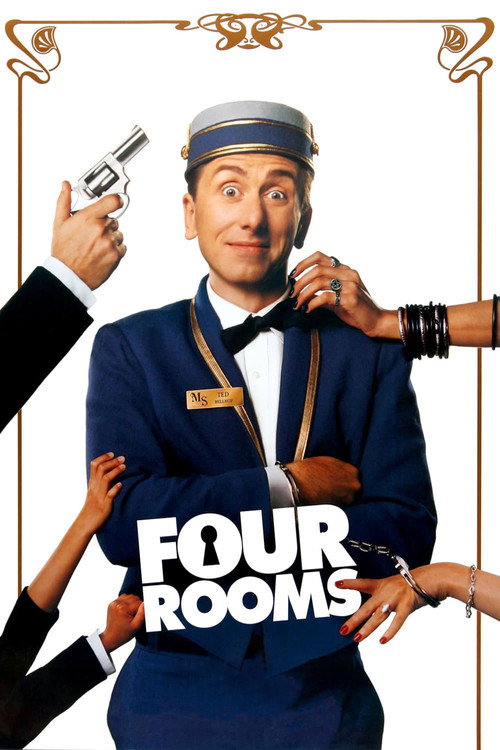
Four Rooms1995
A ensemble cast navigates a single night in a hotel with wit and chemistry. Like Peter's Friends, it's really about watching people collide and reveal themselves through dialogue and small, loaded moments.
But The framing device (a bellhop's night) feels thinner than the reunion setup, and the tonal shifts are less confident. It can feel scattered where Peter's Friends feels purposeful.
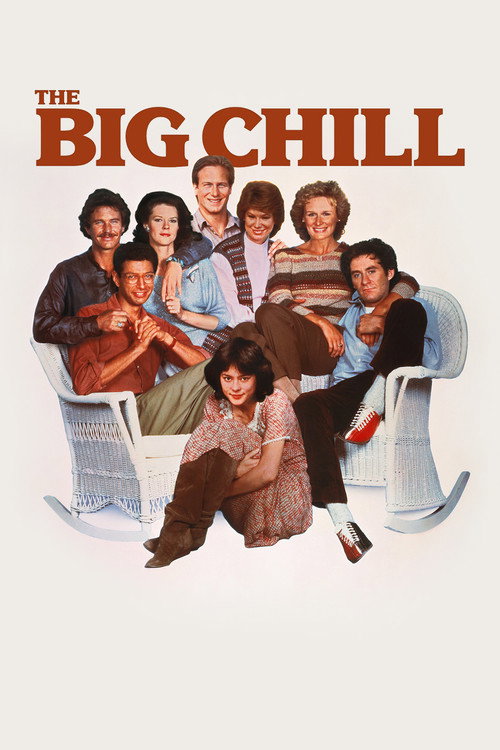
The Big Chill1983
The template Branagh was working from: a group of college friends reunite after a tragedy, forced to confront how life has disappointed or changed them. It has that same bittersweet warmth and sharp dialogue about growing up.
But It's more focused on the central mystery, less interested in the comedy. If you want laughs over introspection, this tilts harder toward the latter.
Enchanted April1991
Emma Thompson again, in another ensemble piece about people renting a villa and discovering themselves and each other. Sunnier in tone, but built on the same foundation of character revelation and gentle, earned emotional moments.
But It's quieter and more romantic than Peter's Friends. There's less sharp dialogue and more soft focus. Some find it too slight.

Not sure tonight? Get a pick in a minute, starting from Peter's Friends
The wildcard
Something you would not have found on your own.
Ikiru1952
Both are about people at the threshold: the moment when you can no longer pretend your life is what you wanted, and must decide whether to change it or live with the choice you've made.
A bureaucrat discovers his life has been performance and emptiness, and must decide what he actually wants before it's too late. It has Peter's Friends' core belief: that the life you're living is a choice, and you get one chance to examine it honestly.
But It's Japanese cinema from 1952, subtitled and formally rigorous. Where Peter's Friends is a drawing room comedy, this is existential and grave. It will move you in a very different register.

More like this (8)
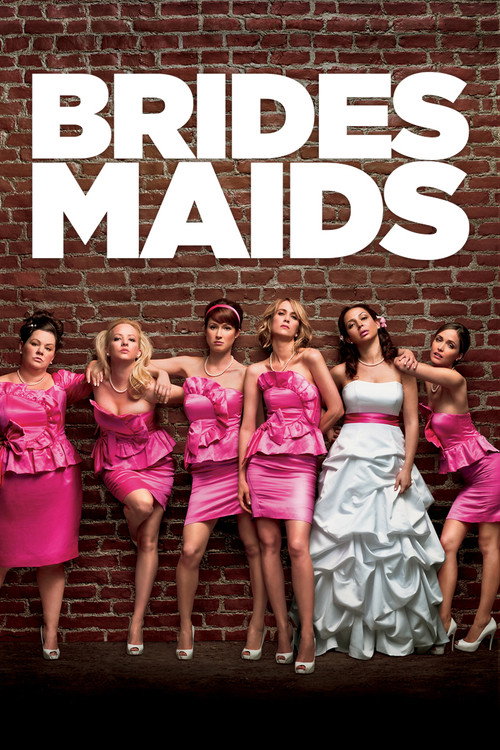
Bridesmaids2011
Modern ensemble comedy that cares genuinely about its characters and lets them be messy, flawed, and funny without punching down. It has Peter's Friends' understanding that you can be both comedic and heartfelt about the same person.
But The tone is broader and louder. It's cruder, faster-paced, and less interested in sitting quietly with its people. Different sensibility entirely.
Love Actually2003
Another Christmas gathering of interconnected people navigating love, disappointment, and friendship. Sprawling where Peter's Friends is intimate, but shares the interest in how people hurt and sustain each other.
But It's sentimental in a way that doesn't always earn it. The sheer number of storylines means none get the depth of attention that Peter's Friends gives its six. Feels engineered where this feels observed.

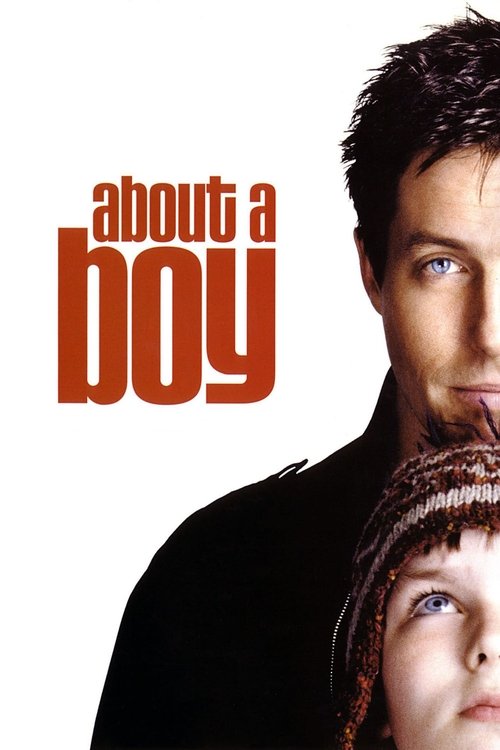
About a Boy2002
A character study about a man forced by circumstance to care about people, to grow up, to see his own emptiness. It has Peter's Friends' warmth and its refusal to let anyone off the hook, character-wise.
But It's really about one man's arc with a boy and a woman. The ensemble piece you might expect never quite arrives. More of a coming-of-age story than a reunion drama.
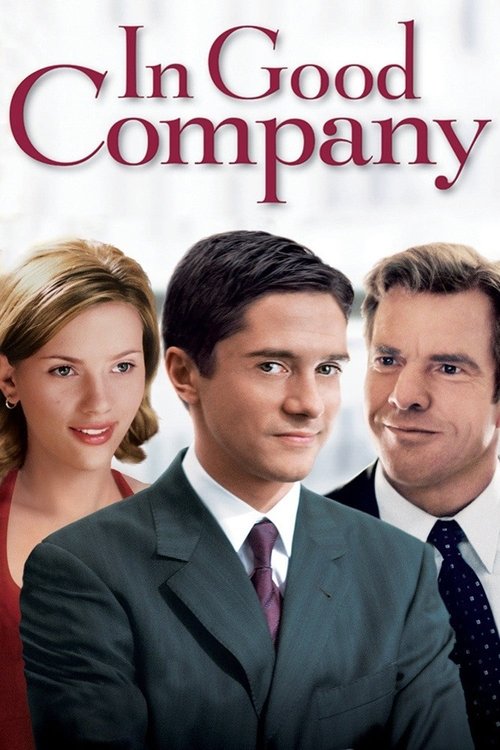
In Good Company2004
A workplace ensemble that treats its characters with real affection and lets comedy emerge from character rather than gags. Similar belief that people are interesting enough without a high-concept plot.
But Workplace dynamics aren't as resonant as old friendships. The film is slighter overall, and the emotional payoff is less earned. It aims lower.
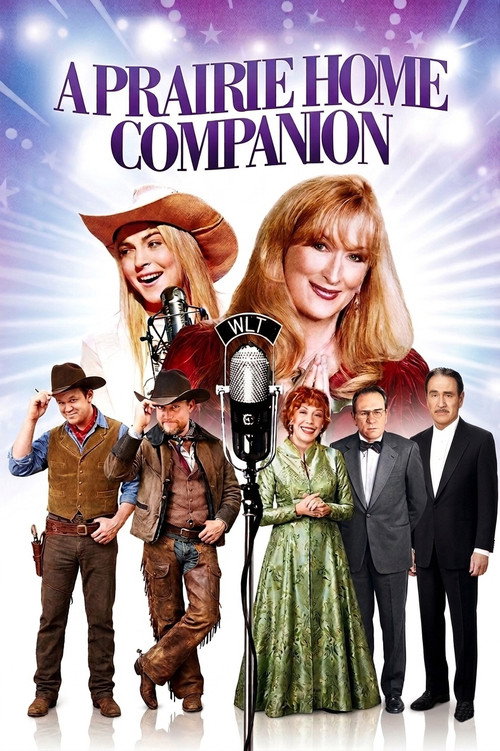
A Prairie Home Companion2006
An ensemble at the end of something, looking back and forward. Altman's film is more theatrical and strange, but shares Peter's Friends' interest in how people perform and reveal themselves in the same space over time.
But It's experimental in ways Peter's Friends never attempts. Some sequences are nearly avant-garde. It can feel indulgent, and the plot barely exists.
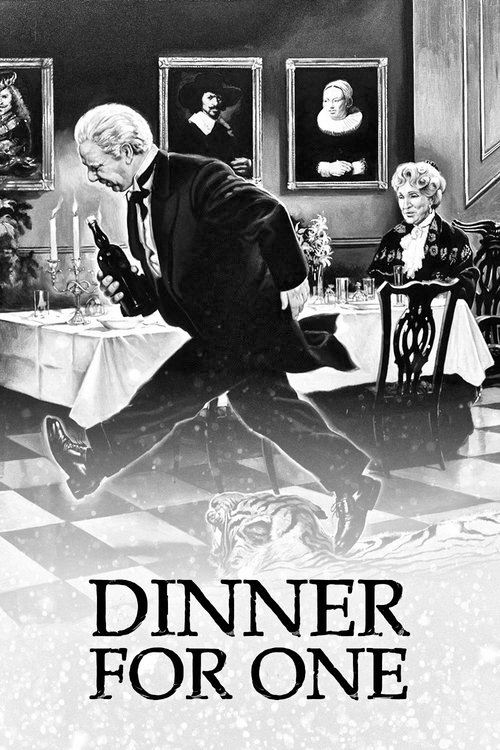
Dinner for One1963
A deceptively simple character study about performance, loneliness, and the stories we tell ourselves. Minimal and perfect. If you loved how Peter's Friends lets you read a person across a scene, this distills that to its essence.
But It's only eighteen minutes. It's in black and white, made in the 1960s, and almost entirely without dialogue. A very different beast, and may feel too strange or austere for your mood.
Synecdoche, New York2008
Both use a reunion or gathering to ask: who did we say we'd be? Who did we become? Can we ever really see each other across that distance? But where Peter's Friends finds quiet grace, this finds only uncertainty.
A theater director's elaborate reunion/retrospective becomes a meditation on whether we can ever really know each other, or if we're all just performing versions of ourselves. It's as interested in the gap between people as Peter's Friends, but infinitely more anxious about it.
But It's bewildering and difficult. The plot barely exists, the tone is unstable, and it ends in a place of genuine despair rather than comfort. Utterly different in register and ambition. Some find it pretentious.

Stalker1979
Both ask what happens when people gather and remove the masks they wear in ordinary life. But where Peter's Friends finds that revealing—funny, sad, human—Stalker finds it terrifying and irreducible. Different conclusion, same question.
Three men travel through a mysterious zone toward a door that supposedly grants wishes. It's a meditation on desire, disappointment, and whether we'd even recognize what we want if we found it. It has Peter's Friends' interest in what happens when people are forced into honesty.
But It's a long Soviet science fiction film, glacially paced, in black and white. Almost no plot. Philosophical and demanding. If you want emotional release and character intimacy, this is the opposite: slow, cold, and distant.

People
Cast
 Kenneth BranaghAndrew Benson
 Stephen FryPeter Morton
 Emma ThompsonMaggie Chester
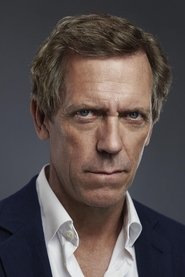 Hugh LaurieRoger Charleston
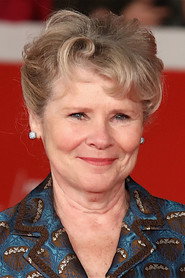 Imelda StauntonMary Charleston
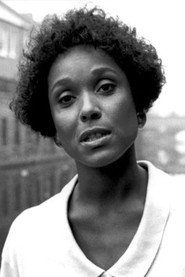 Alphonsia EmmanuelSarah Johnson
 Rita RudnerCarol Benson
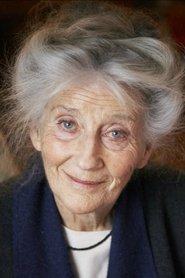 Phyllida LawVera
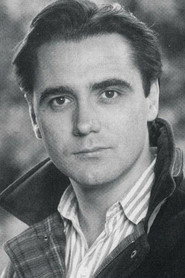 Tony SlatteryBrian
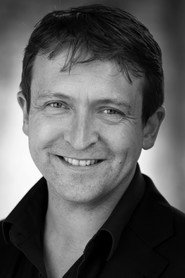 Alex LowePaul (aged 17)
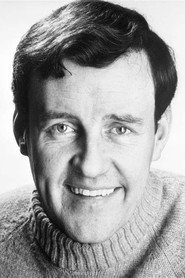 Richard BriersLord Morton
- Alex ScottPaul (aged 7)
Directing
- Kenneth BranaghDirector
- Christopher NewmanFirst Assistant Director
- Keith YoungSecond Assistant Director
- Carl OpreyThird Assistant Director
Writing
- Martin BergmanWriter
- Rita RudnerWriter
Production
- Martin BergmanCo-Producer
- David ParfittDelegated Producer
- Stephen EvansExecutive Producer
- Kenneth BranaghProducer
- Tim HarveyProduction Designer
- Mark CooperProduction Supervisor