
Film
Christmas, Again
A small, quiet film about seasonal trauma and the people who anchor us. Noel arrives in New York to sell Christmas trees as he does every year, but this time without his girlfriend—and unravels. It's a study of depression that refuses easy answers or redemption arcs, watching instead how small kindnesses and human friction wear grooves into damaged lives.
Should you watch it?
Watch it if you like quiet, shaggy character studies where a lonely man's bad days are observed without fuss, and where the warmth comes from odd, unpolished company rather than sentiment, somewhat in the loose, observational spirit of early Mumblecore.
Skip it if you need a clear plot engine or a steady stream of incident, since much of its 79 minutes is drifting conversation and sales-floor routine that some viewers will find slack or aimless.
What it asks of you: Patience with a slow, low-key rhythm and a willingness to sit with an uncomfortable protagonist; it is short, unhurried, and plays its emotional beats quietly rather than loudly.
Not sure? Find tonight's pick in a minute.
If you liked this
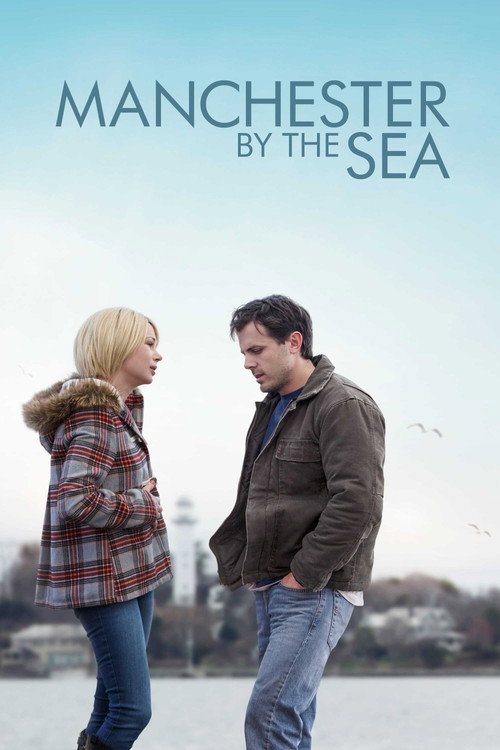
Manchester by the Sea2016
Alike in its refusal to perform grief, showing instead the daily business of carrying loss—how trauma lives in silences and small moments, how people fail and try anyway. Kenneth Lonergan understands the shape of this film.
But Very slow, sometimes uncomfortably so. The sadness is not resolved; it's survived. That can feel punishing in a cinema.
The Florida Project2017
Both orbit economic precarity and displacement, observing how people in free-fall still find moments of connection and purpose. Sean Baker finds tenderness in struggle without making struggle beautiful.
But Fragmented, with long stretches of just watching. The ending will upset you if you're not already upset.

A Ghost Story2017
A meditation on grief, time, and what we leave behind. Like *Christmas, Again*, it takes something seemingly simple—a man, a house, a ghost—and uses it to excavate loneliness and the ways we fail to connect.
But Very abstract and very sad. Some will find it pretentious; others will find it the saddest thing ever made. There's little middle ground.

Not sure tonight? Get a pick in a minute, starting from Christmas, Again
The wildcard
Something you would not have found on your own.
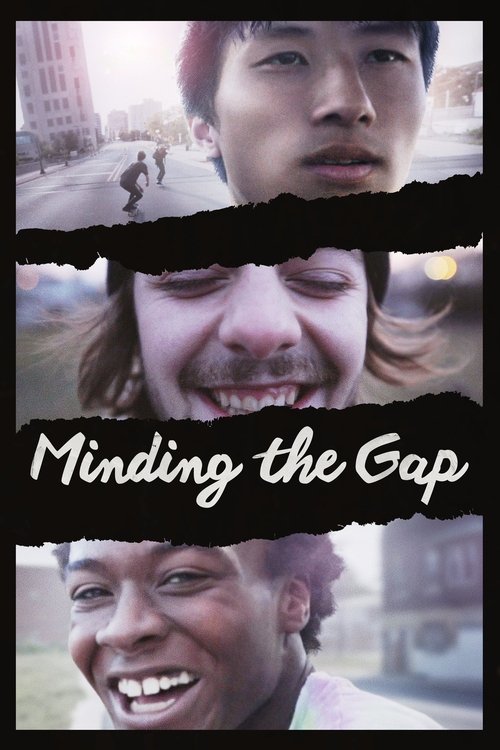
Minding the Gap2018
Both use small, familiar ritual—selling trees, skateboarding—as the real subject, which is actually loneliness and how we fail people we love.
Bing Liu's documentary about skateboarding, friendship, and trauma in a rust-belt city is formally and thematically inventive—it uses sport and joy as a language for grief and masculinity in crisis. Like *Christmas, Again*, it understands how people hold each other up without talking about it.
But It's a documentary about real abuse and violence. The final twenty minutes are intensely personal and upsetting in a way that won't feel safe.
More like this (8)
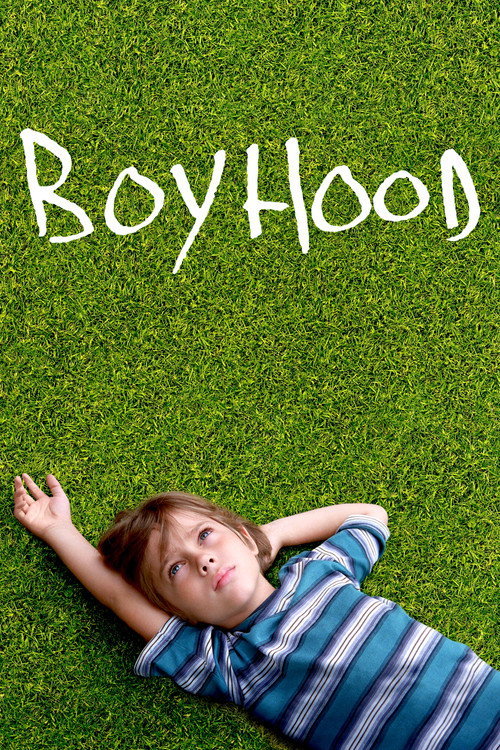
Boyhood2014
Both films trust observation over plot. Linklater films in real time, in real locations, letting you see how time and circumstance wear on people without narration or explanation.
But Three hours and forty minutes. Plotless, sometimes aggressively so. You have to want to sit with people just existing.
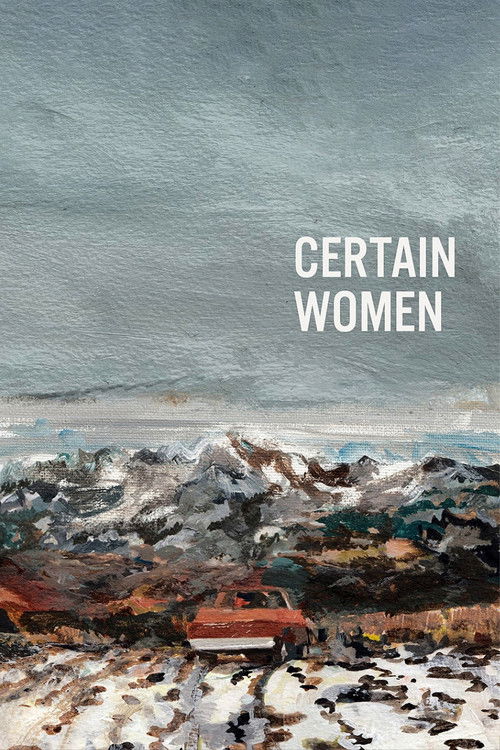
Certain Women2016
Kelly Reichardt's most intimate work—fractured stories of people failing to reach each other, finding small grace in small towns. The mood and the patience are cousins to *Christmas, Again*.
But Barely a story in the conventional sense. Some scenes just end. You either find it beautiful or boring.
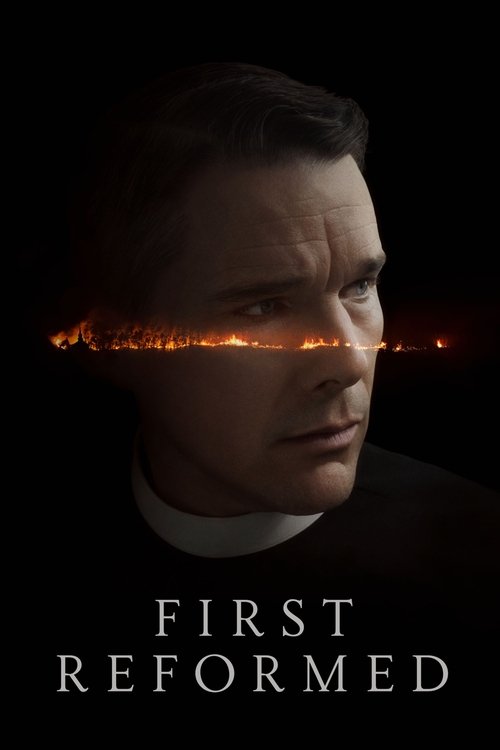
First Reformed2018
Paul Schrader examining despair, faith, and how thin the line is between them. A man in crisis who cannot be fixed by the film's end—very much in conversation with what this film is doing.
But Relentlessly bleak and sometimes difficult to watch. The theology won't speak to everyone. It moves like a prayer, not a narrative.
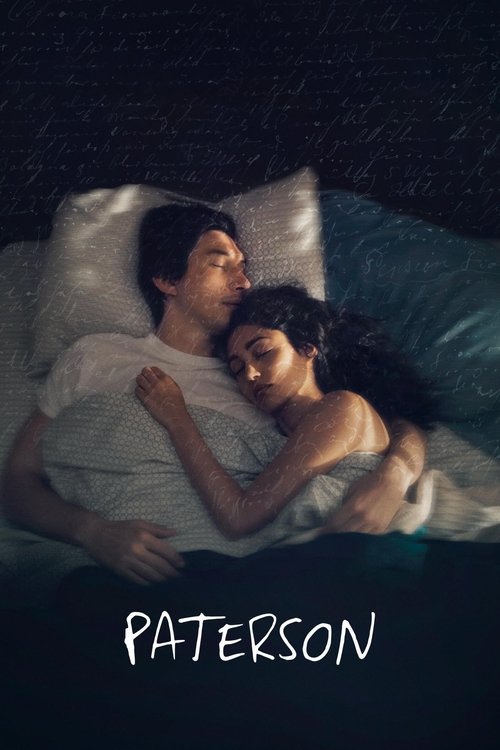
Paterson2016
Jim Jarmusch watching a bus driver move through his small, daily life with grace and attention. Both films are about people for whom a quiet existence is enough—until it isn't.
But Structurally repetitive by design. No climax, no twist. The simplicity can feel like nothing is happening.
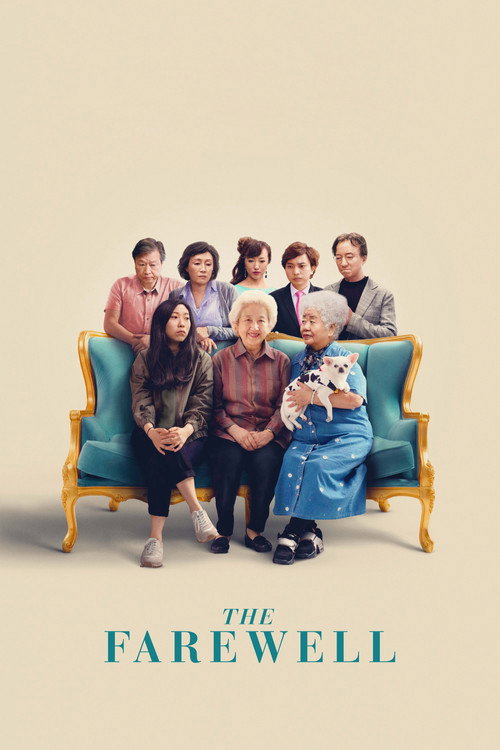
The Farewell2019
Lulu Wang observes grief and displacement through a family gathering, watching how people cope through silence, humor, and small acts of care. Warm where *Christmas, Again* is cold, but kindred in spirit.
But The emotional registers shift; some viewers find the tonal balance jarring. The ending might feel slight to those wanting catharsis.
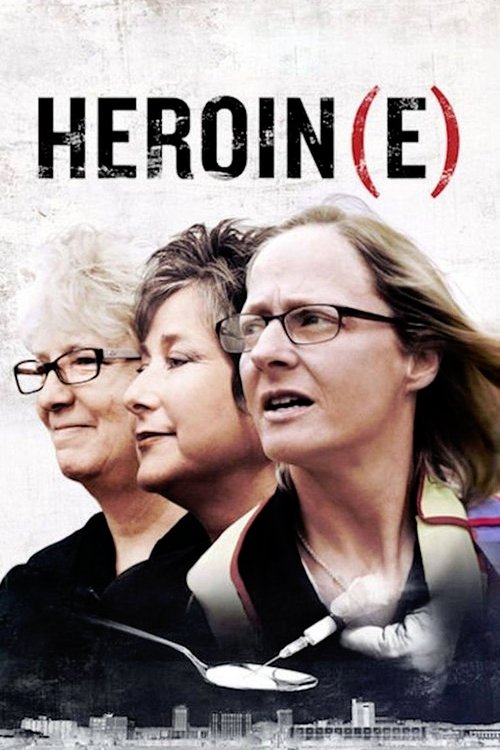
Heroin(e)2017
A documentary about addiction and recovery in West Virginia. It has the same unflinching look at how people survive economic collapse and personal breakdown, with genuine compassion for those who keep trying.
But Documentary footage of real suffering—addiction, overdose, poverty. Some sequences are hard. It's urgent and sometimes uncomfortably intimate.
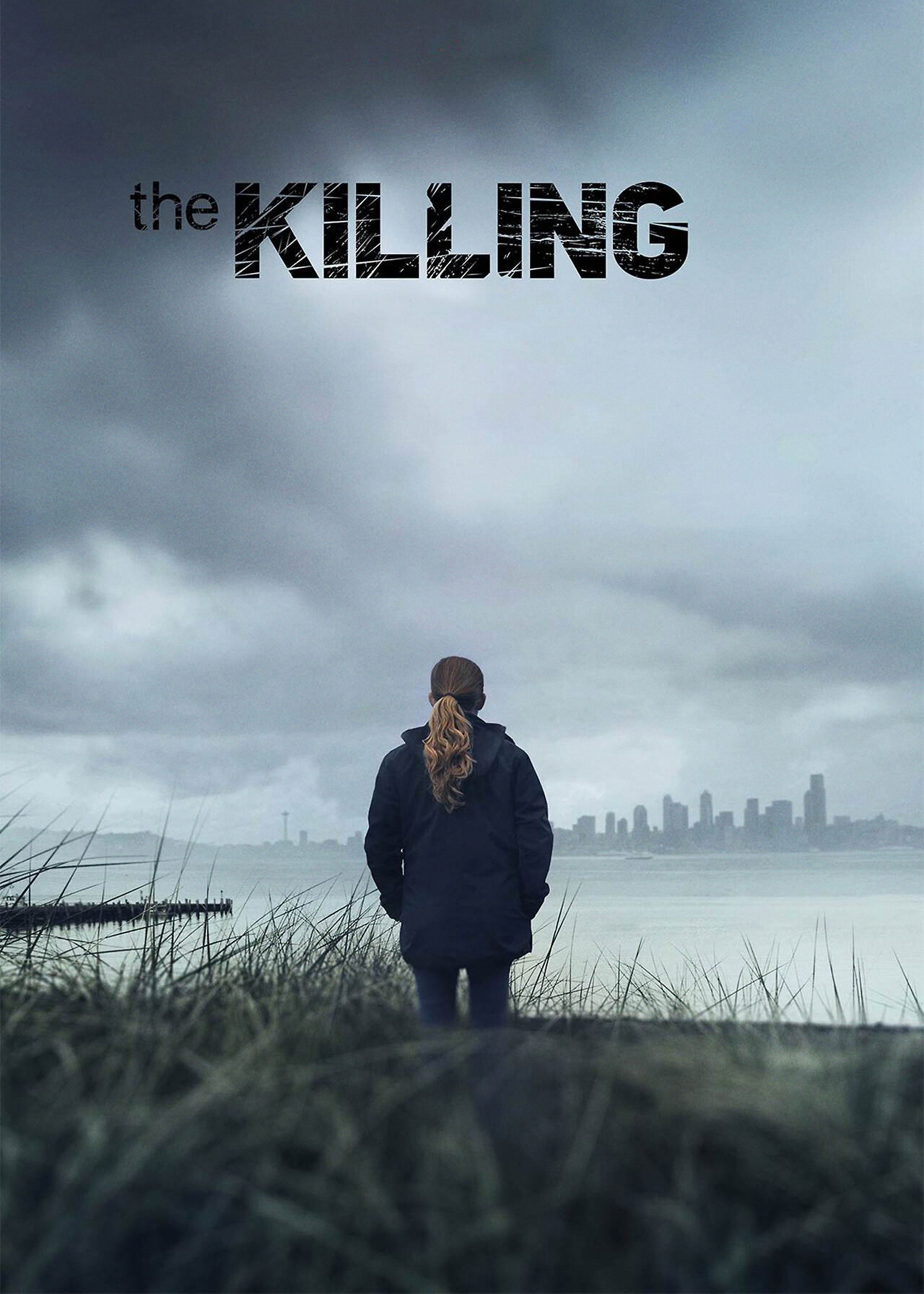
The Killing2011
Both films and shows know that what breaks people isn't always a single event—it's accumulation, the wearing-down of small failures and disconnections.
Sarah Lund investigating a murder in Copenhagen, but the crime is almost beside the point. *The Killing* is about the spaces between people, how investigation becomes obsession, how systems fail those who fall through them. The mood is closer to *Christmas, Again* than you'd expect from a thriller.
But Very dark and very long. It requires patience and tolerance for ambiguity. The serial format means three seasons of relentless competence and dread.
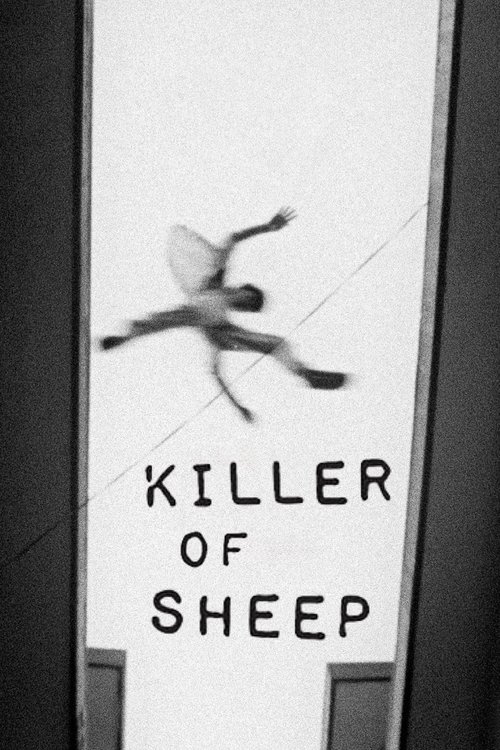
Killer of Sheep1978
Both are about men who do necessary work in America and find that work has hollowed them out. Both refuse to make their suffering beautiful or redemptive.
Charles Burnett's 1977 masterpiece about a Black slaughterhouse worker in Los Angeles who cannot escape the weight of his work or his circumstances. Shot in grainy black-and-white, it's a visual poem about economic violence and the impossibility of rest. Revolutionary in form and still singular.
But Nearly fifty years old and shot on 16mm in a deliberately experimental style—no traditional narrative, no score, just life. Not accessible in the way modern films are. Demands active viewing.
People
Cast
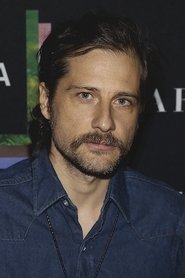 Kentucker AudleyNoel
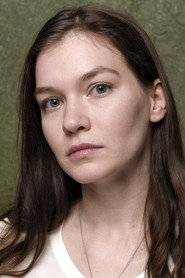 Hannah GrossLydia
- Jason SheltonNick
 Oona RocheRobin
 Caitlin MehnerCarrie
- Sam StillmanDerrick
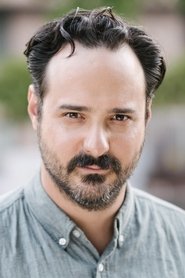 Craig ButtaBluetooth Man
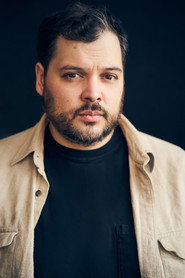 Jamie GranatoPunching Man
 Dakota GoldhorPlain Wreath Customer
 Yvonne GougeletObama Tree Lady
- Martin CourtneyHusband on Crutches
Directing
- Charles PoekelDirector
Writing
- Charles PoekelWriter
Production
- Eléonore HendricksAssociate Producer
- Eléonore HendricksCasting
- William PoekelExecutive Producer
- Charles PoekelProducer