
Film
The Town That Dreaded Sundown
- Serial killer
- Slasher
- Crime thriller
- Very dark
A 1976 true-crime horror film about the hunt for the Texarkana Phantom Killer, a real serial attacker from the 1940s. Grimy, procedural, and genuinely unnerving—it treats real violence with documentary seriousness while maintaining the texture of a fever dream. For viewers who want their horror rooted in actual dread, not gore or jump-scares.
Should you watch it?
Watch it if you enjoy slow, grubby true-crime chillers where the dread lives in the investigation and the long gaps between attacks, and you don't need much gore.
Skip it if you need brisk pacing or polished production values, since the film is talky, padded with procedural detail, and its low-budget look shows in every scene.
What it asks of you: At 86 minutes it is short, but it moves at a patient, documentary pace with long stretches of police legwork and a lot of restraint before the violence arrives.
Not sure? Find tonight's pick in a minute.
If you liked this
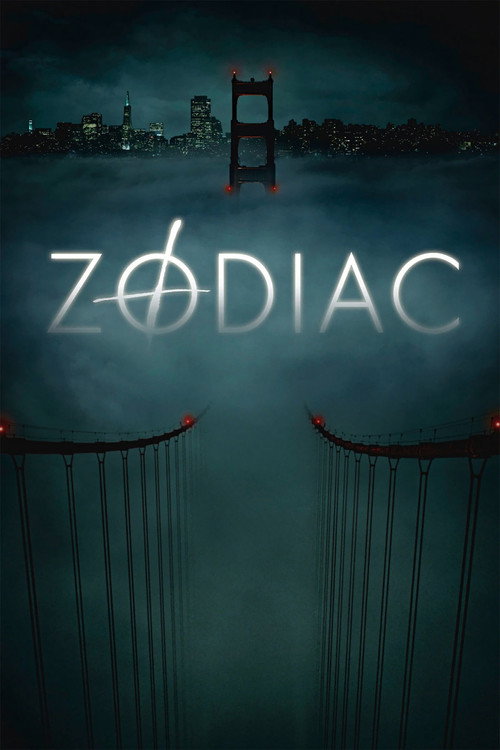
Zodiac2007
Fincher's meticulous procedural about obsessive cops chasing an uncatchable killer. It has the same grinding tension and refusal to sensationalize real horror that makes Sundown so effective.
But Slower than you'd expect for a thriller, with a deliberately unsatisfying ending that some find frustrating rather than haunting.
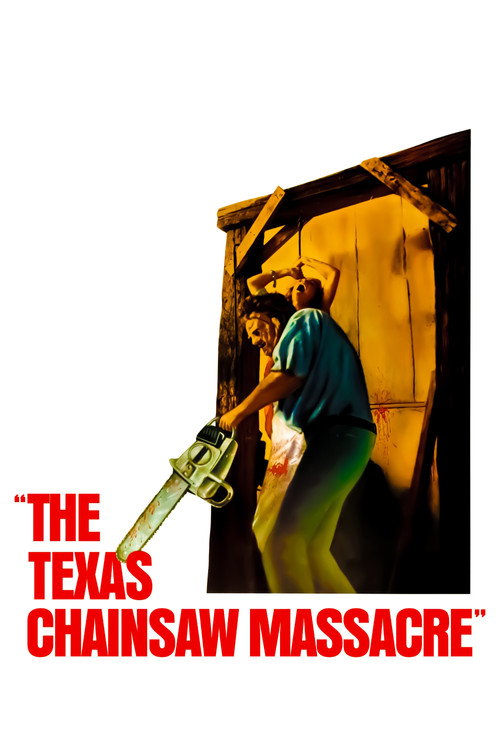
The Texas Chain Saw Massacre1974
Raw, urgent, made two years before Sundown and equally convinced that documentary realism is scarier than spectacle. Both are grounded in a specific place and a real ugliness.
But The shaky camera work and intentional roughness of the image puts some viewers off; it can feel harder to watch than films with better production values.
In Cold Blood1967
Capote's true-crime masterpiece adapted with the same commitment to unglamorous procedure and intimate cruelty. It's about real killers treated as human beings, not monsters.
But Quietly paced and sad rather than thrilling; the murders happen early, and the rest is aftermath and understanding, which feels slow if you want action.
Not sure tonight? Get a pick in a minute, starting from The Town That Dreaded Sundown
The wildcard
Something you would not have found on your own.
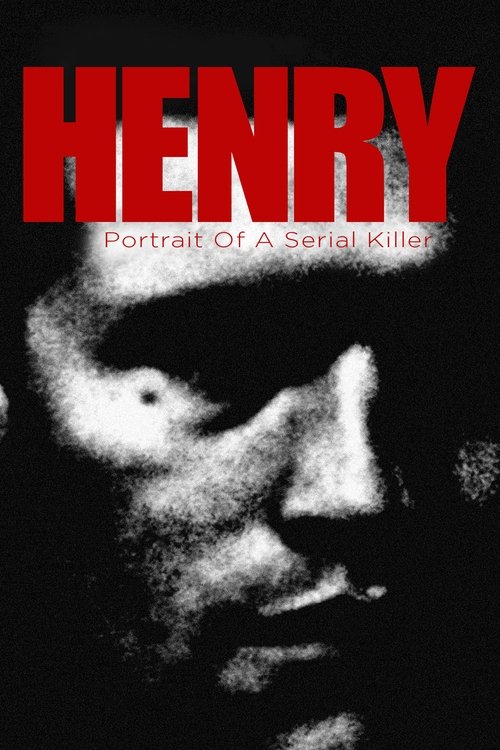
Henry: Portrait of a Serial Killer1986
Both films treat real serial killing as a local, banal fact rather than a spectacular event—but where Sundown is the hunt, Henry is the life. Same unflinching commitment, inverted focus.
John McNaughton's faux-documentary about a real killer, shot in grimy 16mm to look like found footage before that was a genre. It shares Sundown's commitment to unglamorous, procedural horror—but from the killer's perspective, not the cops'.
But Deliberately ugly, repetitive, and devoid of plot; it's as much an endurance test as entertainment, and some viewers find it morally queasy on principle.
More like this (7)
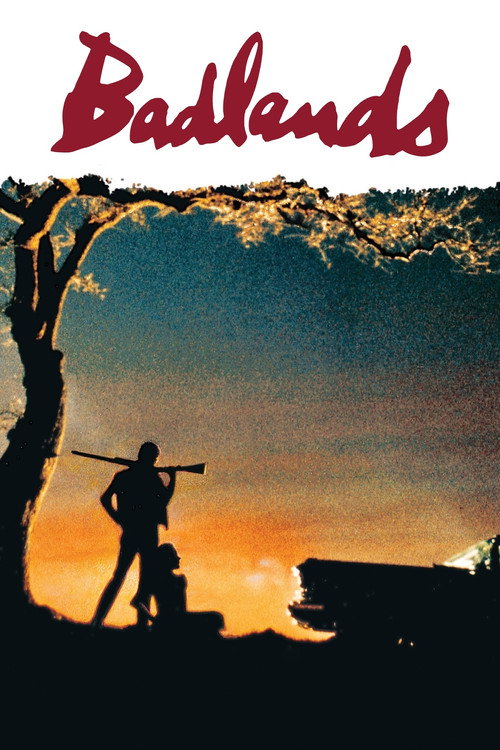
Badlands1973
Malick's lyrical take on young killers in the American landscape. Like Sundown, it captures a specific era and geography, and treats violence as something that ruptures beauty.
But The voiceover and dreamy visual style are very much Malick; if you find that pretentious or precious, the film will feel at odds with its own subject.
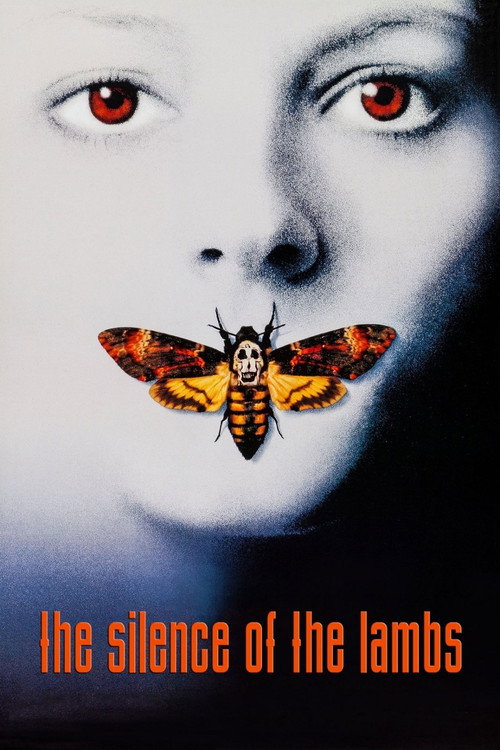
The Silence of the Lambs1991
The definitive modern serial-killer procedural, but grounded the same way—real police work, real psychology, real fear. Hopkins is unforgettable, but the film earns that by never letting him overshadow the hunt.
But Hannibal himself has become iconic to the point of parody; if you're only familiar with the memes, the film might feel less fresh than it actually is.
Memories of Murder2003
Bong Joon-ho's South Korean masterpiece about cops pursuing a serial killer in the 1980s. Procedural, tragic, funny, and brutal—it gets the texture of a specific time and place exactly right.
But Subtitled, and the detective work is slow and messy; it rewards patience more than it satisfies, and the ending is deliberately ambiguous.

Strangers in the Night2015
A BBC miniseries about a mysterious killer in a small English town, with the same commitment to atmosphere and procedural detail. It trusts silence and dread over explanation.
But British television pacing can feel glacial if you're expecting American momentum; some plot threads resolve unsatisfyingly or not at all.
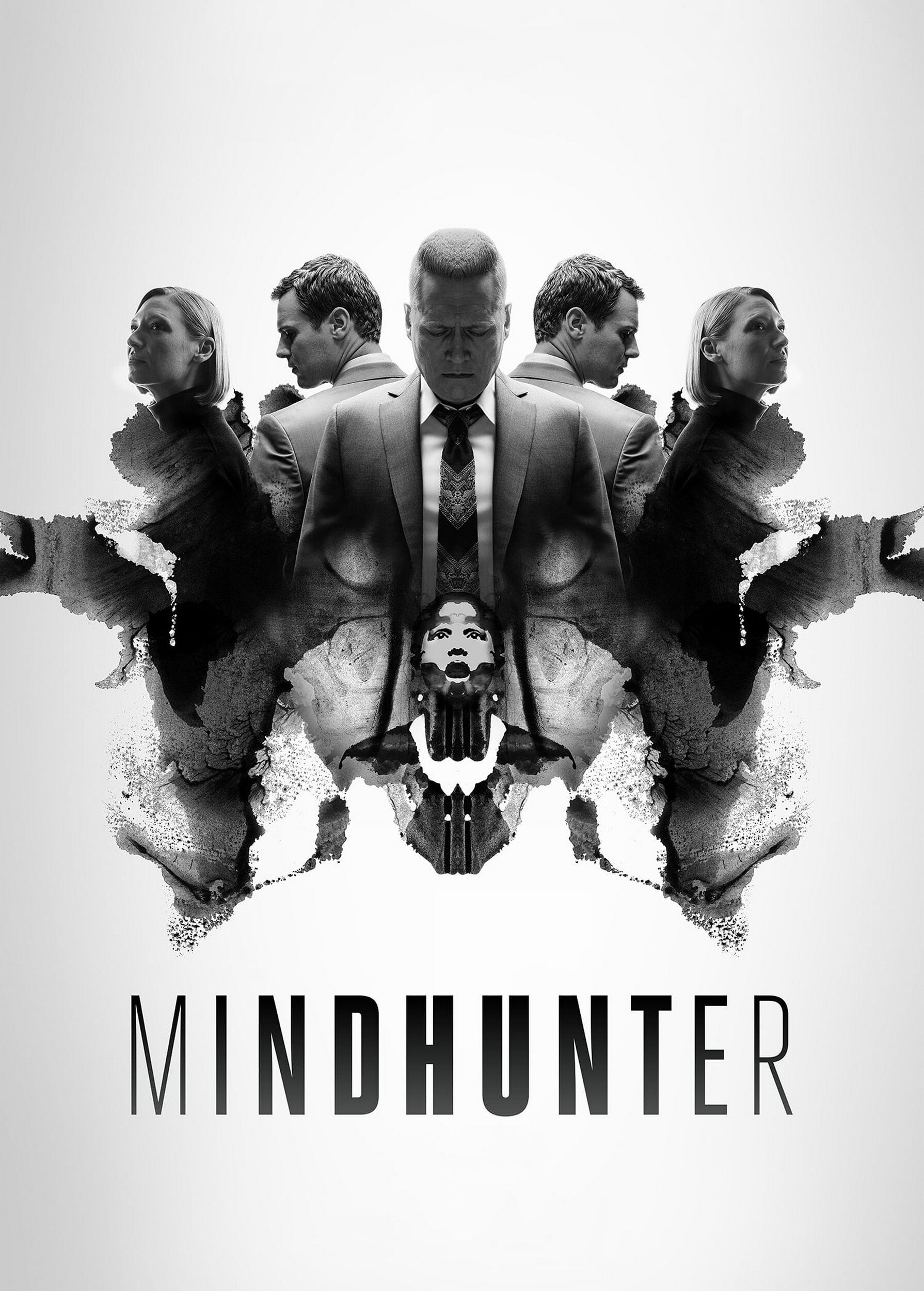
MINDHUNTER2017
Netflix's procedural about the birth of criminal profiling in the FBI. It has Sundown's interest in the copwork and psychology of hunting killers, and the same unglamorous honesty about violence.
But Season two loses momentum; the show was cancelled unresolved, so if you need closure, you'll be left hanging.
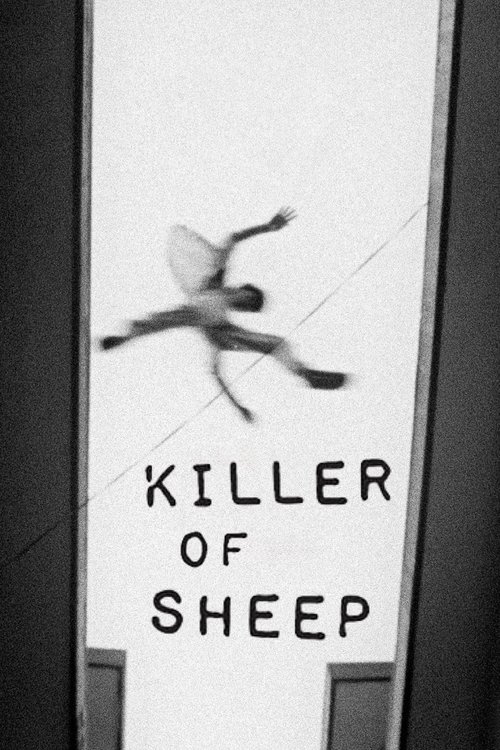
Killer of Sheep1978
Both films use a specific place and time to render violence and dread as texture rather than spectacle. Killer of Sheep makes the everyday monstrous; Sundown makes the monstrous local and mundane.
Charles Burnett's experimental documentary-fiction about an ordinary man working a slaughterhouse job in Watts. Black-and-white, fragmented, lyrical—it's about the quotidian horror of American life, not violent crime.
But There's almost no plot and no conventional drama; it's a series of scenes and moments that build mood. If you want narrative forward motion, you will be bored.
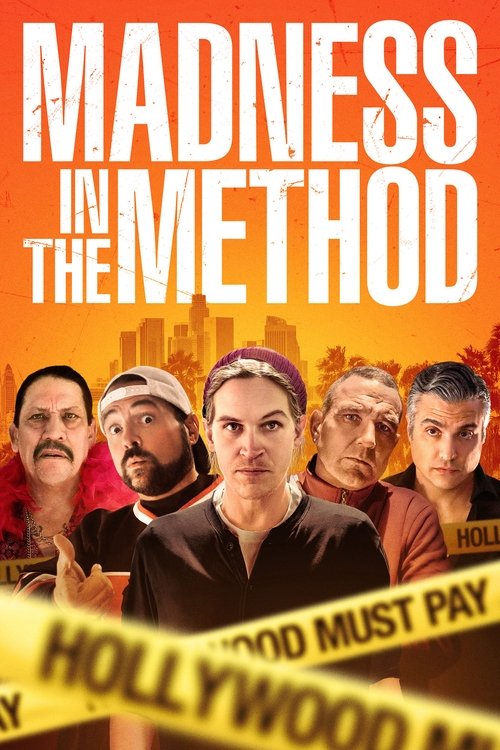
Madness in the Method2019
Sundown draws directly from the unsolved Texarkana Phantom case. The real thing—the uncertainty, the brazenness, the fact that nobody knows who did it—is the connection between them: one is an interpretation, one is the source of dread.
Actually: look for documentation of the 1946 Texarkana murders themselves. The real case is stranger than the movie—the killer was never caught, suspects have been debated for decades, and the actual police interviews are available. Understanding what Sundown adapted from reality makes it eerier.
But It's not entertainment; it's research. If you want to feel spooked by a movie, not unsettled by history, stick with the film.
People
Cast
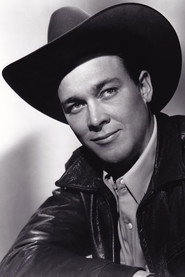 Ben JohnsonJD Morales
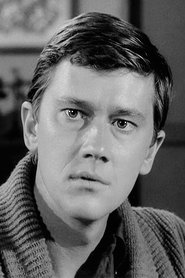 Andrew PrineNorman Ramsey
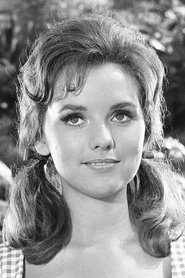 Dawn WellsHelen Reed
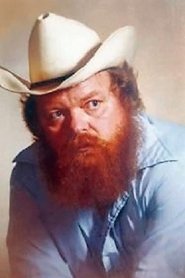 Jimmy ClemMal Griffin
- Jim CittyRJ Sullivan
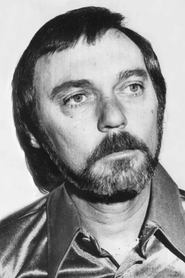 Charles B. PierceAC Benson
- Robert AquinoOtis Barker
- Cindy ButlerPeggy Loomis
- Christine EllsworthLinda Mae Jenkins
- Earl E. SmithDr. Kress
- Steve LyonsRoy Allen
- Joe CatalanottoEddie LeDoux
Directing
- Charles B. PierceDirector
- Barbara PryorScript Supervisor
Writing
- Earl E. SmithScreenplay
Production
- Thomas W. MooreAssociate Producer
- Samuel Z. ArkoffExecutive Producer
- Charles B. PierceProducer
- Ginger TantonProduction Assistant
- Lynn AndresProduction Assistant
- Bob GatesProduction Manager
Recommended by
Cropsey, My Bloody Valentine, Madman, Don't Go in the Woods, Winter Kill, Christmas Evil