
Film
Get Low
A 1930s Tennessee mystery-comedy about a reclusive hermit who emerges from the woods to orchestrate his own funeral—while still breathing. Duvall's performance anchors a film that feels like a tall tale told slowly, warm and strange, for people who love character studies that wear their eccentricity like Sunday clothes.
Should you watch it?
Watch it if you like a slow, sly drama with a dry sense of humor, where old men carry grief in their silences and a bit of folklore hangs over the whole thing like Tennessee humidity.
Skip it if you want the story to move briskly, since much of its pleasure is in long pauses, unhurried conversations, and characters who would rather not say what they feel.
What it asks of you: Around ninety minutes of patience, with a gentle, measured rhythm; it lingers on faces and small gestures, and its comedy arrives quietly rather than in punchlines.
Not sure? Find tonight's pick in a minute.
If you liked this
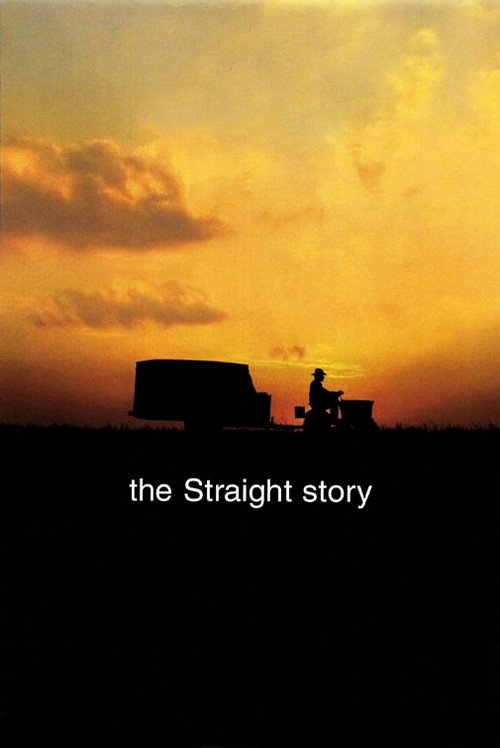
The Straight Story1999
Lynch directing a film about an elderly man on a tractor, moving through the Midwest with quiet dignity and curiosity. Same blend of Americana, gentle strangeness, and deep affection for its protagonist's interior world.
But It moves at the speed of a tractor. If you need plot momentum or dramatic conflict, you will find neither.
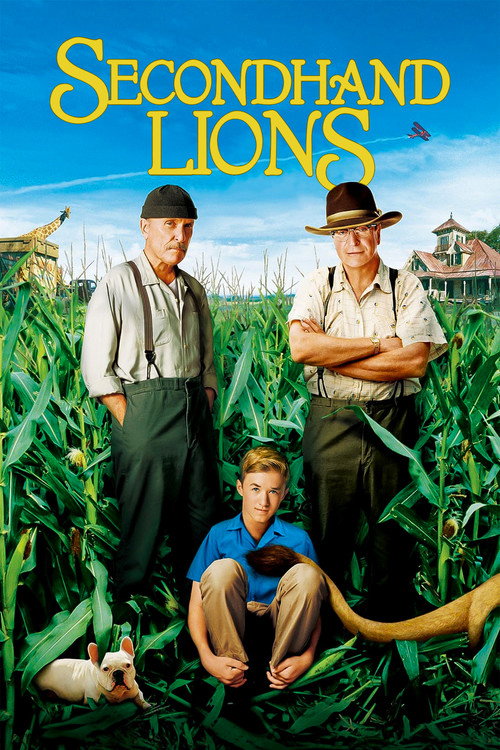
Secondhand Lions2003
Michael Caine and Robert Duvall as aging, eccentric brothers with mysterious pasts. Celebrates frontier legend, family secrets, and the gap between reputation and truth with similar warmth and humor.
But Leans harder into whimsy than Get Low does. The tone can feel calculated at moments.
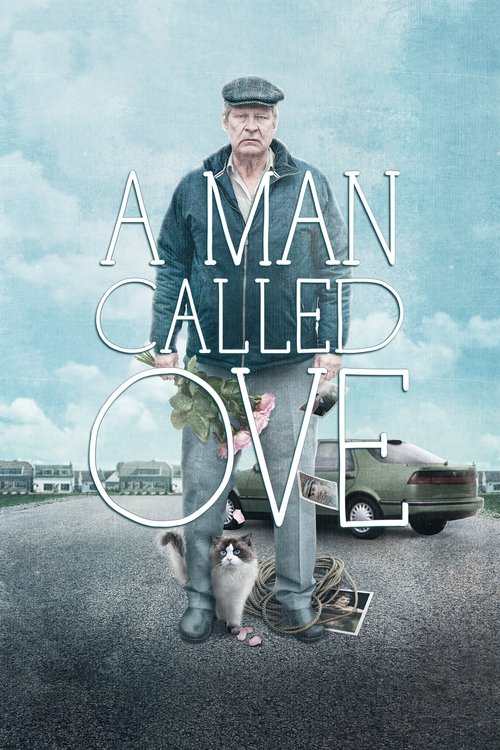
A Man Called Ove2015
Tom Hanks as a curmudgeonly widower revealed to be deeply human. Explores loneliness, redemption, and community with the same gentle excavation of a difficult man's interior life.
But The sentimentality is more visible here. Some scenes feel designed to make you cry rather than earned.
Not sure tonight? Get a pick in a minute, starting from Get Low
The wildcard
Something you would not have found on your own.
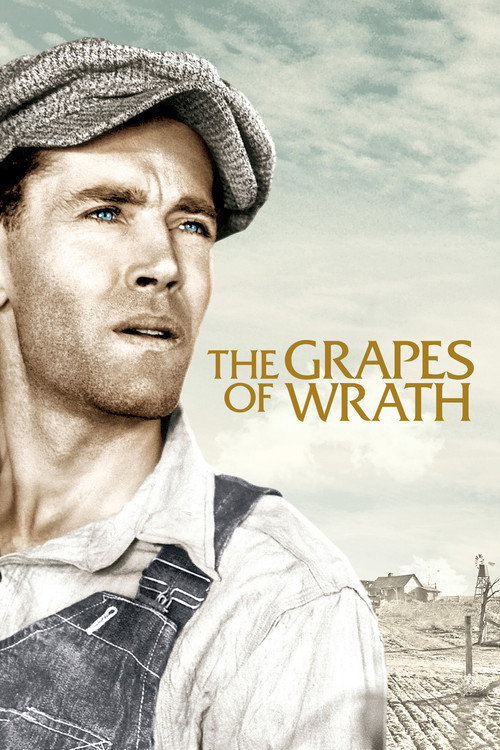
The Grapes of Wrath1940
Both use the Depression-era American landscape as moral backdrop; both center on a man stripped of everything, forced to reckon with what remains.
John Ford's Depression-era masterpiece about dispossession and community. Both films are rooted in a specific American moment and ask what dignity means when everything else is stripped away.
But It's a social epic, not a character study. The scope is vast and the tragedy is systematic rather than personal.
More like this (8)
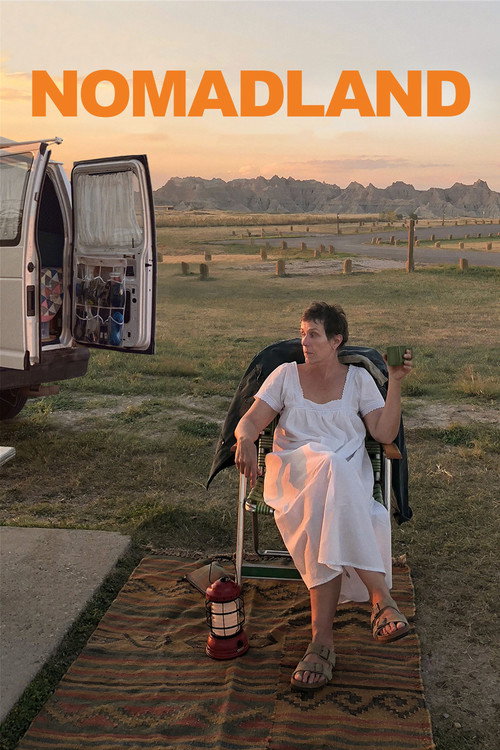
Nomadland2021
Chloé Zhao's portrait of an older woman living outside society's margins, making meaning from solitude and landscape. Shares the film's interest in people pushed to the edges and how they reclaim dignity.
But Considerably more austere in tone. The pace is glacial and there's almost no humor.
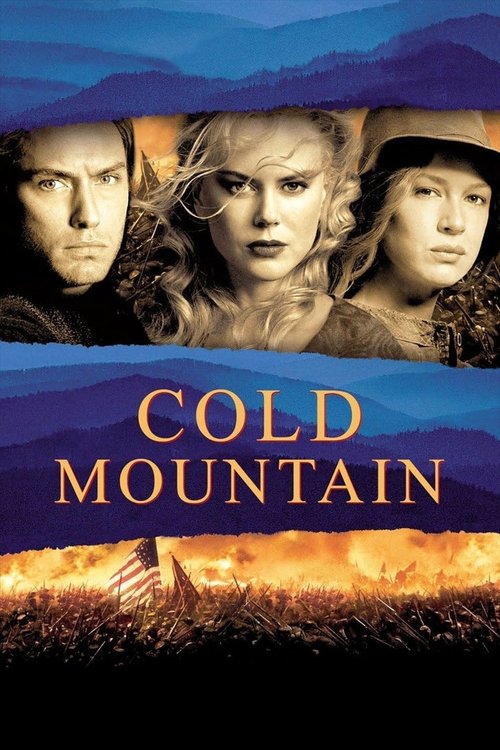
Cold Mountain2003
Jude Law and Nicole Kidman in a Civil War story rooted in mountain communities, loss, and the weight of secrets. Similar period atmosphere and fascination with how geography shapes character.
But It's a romance first, and much more conventionally dramatic. The scope is broader and less focused on interior mystery.
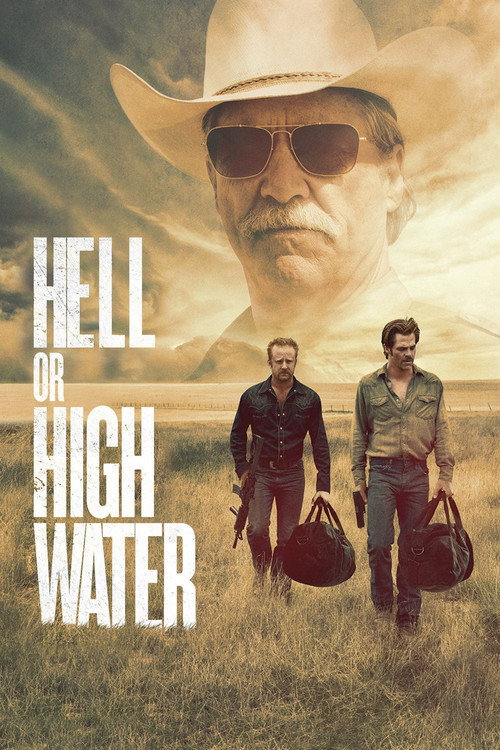
Hell or High Water2016
Two brothers enact a crime spree in modern Texas. Like Get Low, it's fundamentally about reputation, hidden motives, and the stories men tell themselves about who they are.
But It's a thriller. The violence is casual and the tone is cooler, less interested in the warmth of human connection.
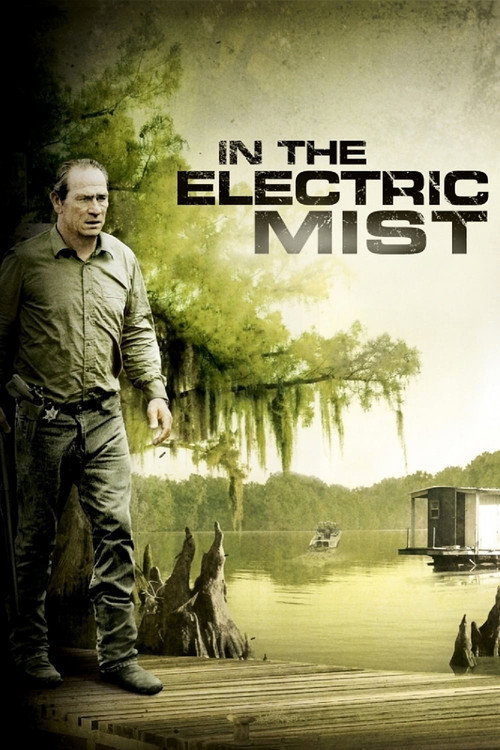
In the Electric Mist2009
Tommy Lee Jones as a Louisiana detective haunted by the past. Deep Southern Gothic atmosphere, mystery rooted in history and guilt, similar meditative pacing and moral weight.
But Adaptation from James Lee Burke; the plot is messier. Some viewers find it incoherent.
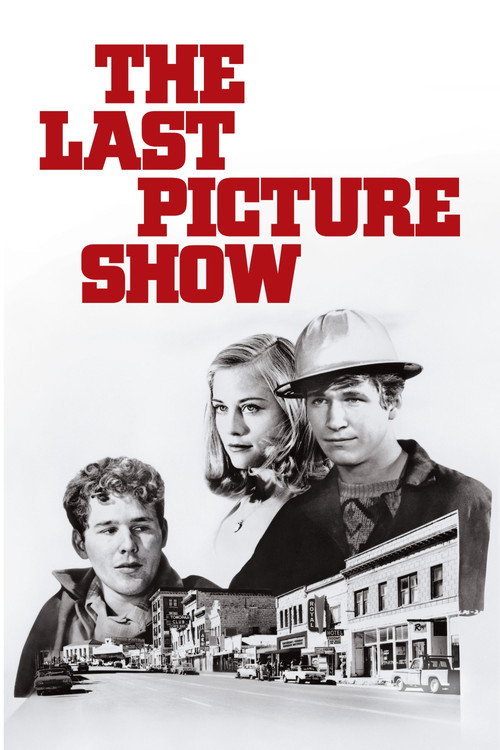
The Last Picture Show1971
Bogdanovich's elegy for small-town Texas in the 1950s, full of authentic characters and genuine affection for ordinary people navigating time and mortality.
But It's episodic and deliberately slack. Nothing builds to a climax; it's about the texture of a place fading away.
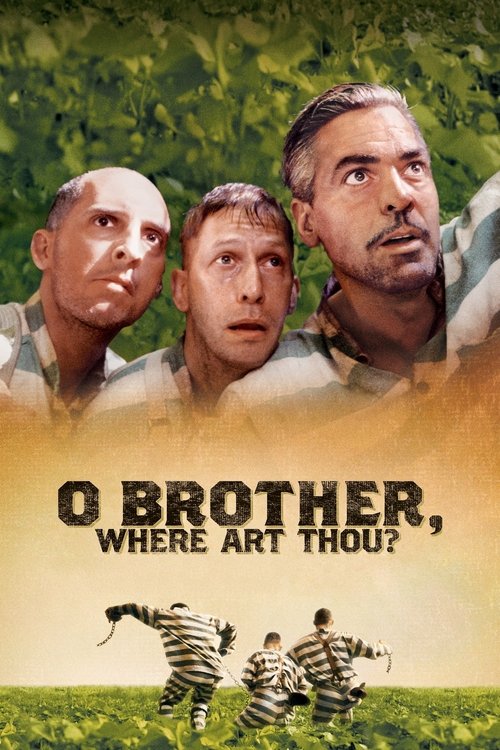
O Brother, Where Art Thou?2000
Coen Brothers' Depression-era romp through the South, folksy and theatrical, celebrating tall tales and Americana with the same yarn-spinning spirit and period detail.
But It's a comedy first—broader, more stylized, less interested in genuine emotional stakes than Get Low is.
My Octopus Teacher2020
Both are meditations on a solitary figure learning to connect with the world through slowness and attention. Same reversal: the hermit and the filmmaker both think they want to be alone until they don't.
A documentary about a man who spends a year filming an octopus in a South African kelp forest, becoming a study of solitude, connection, and the wisdom of patient observation.
But It's a nature documentary. If you expect plot or dialogue or human conflict, you'll be frustrated by what this actually is.

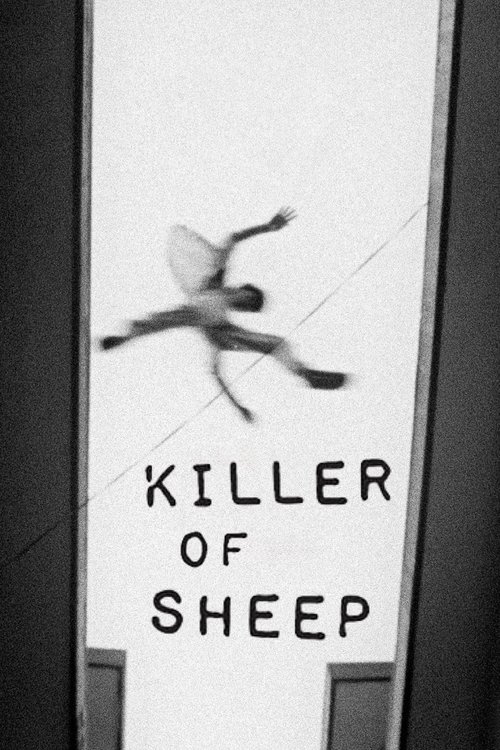
Killer of Sheep1978
Both are character studies that prize mood and interiority over narrative. Both find dignity and strangeness in ordinary men living at society's edge, and both trust the audience to sit with silence.
Charles Burnett's poem-like portrait of a man working in a slaughterhouse in Watts, Los Angeles. No plot, just texture—the weight of daily life, small moments of grace, humanity in the margins.
But Shot in grainy black-and-white on no budget. It's radically slow and demands to be felt rather than followed. Many will find it inaccessible.
People
Cast
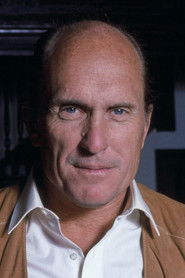 Robert DuvallFelix Bush
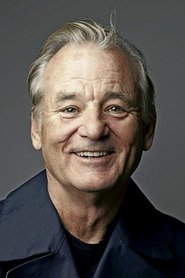 Bill MurrayFrank Quinn
 Sissy SpacekMattie Darrow
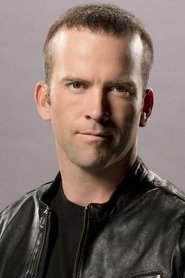 Lucas BlackBuddy
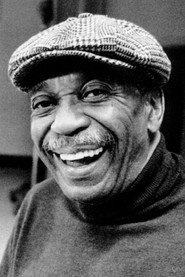 Bill CobbsRev. Charlie Jackson
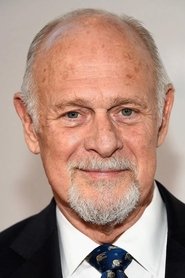 Gerald McRaneyRev. Gus Horton
 Scott CooperCarl

 Lori Beth SikesKathryn
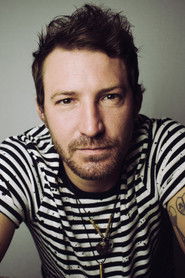 Linds EdwardsWKNG Announcer
 Andrea PowellBonnie
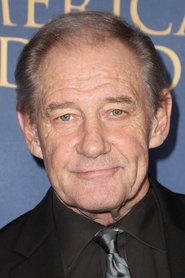 Danny VinsonGrier
Directing
- Aaron SchneiderDirector
Writing
- C. Gaby MitchellScreenplay
- Chris ProvenzanoScreenplay
Production
- Craig FincannonCasting
- Lisa Mae FincannonCasting
- Dariusz GąsiorowskiExecutive Producer
- David GundlachProducer
- Dean ZanuckProducer