
Film
Too Late to Die Young
A Chilean coming-of-age film set in a remote, drought-stricken community where three teenagers navigate first love and adolescent anxiety while an environmental threat looms. Unhurried and atmospheric, it captures the specific texture of growing up in isolation—boredom, desire, and creeping dread moving in equal measure. For viewers patient with mood over plot.
Should you watch it?
Watch it if you like coming-of-age films that linger on small hesitations and let a group of teenagers drift through long afternoons, with a growing sense of dread building offscreen.
Skip it if you need plot momentum, since very little happens in the way of incident and the pacing is glacial across its long runtime.
What it asks of you: Settle in for a little under two hours of unhurried scenes, where silences and sun-bleached landscapes carry as much weight as the dialogue.
Not sure? Find tonight's pick in a minute.
If you liked this
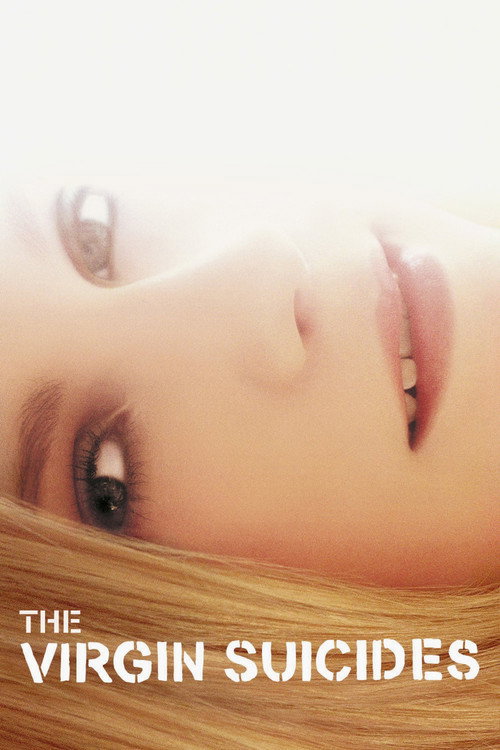
The Virgin Suicides2000
Sofia Coppola's dreamy, melancholic portrait of teenage girls in crisis. Like *Too Late*, it builds dread through atmosphere and observation rather than incident, finding strangeness in suburban confinement.
But The pacing is glacial and the narrative deliberately obscure. If you need clarity and momentum, this will frustrate you.
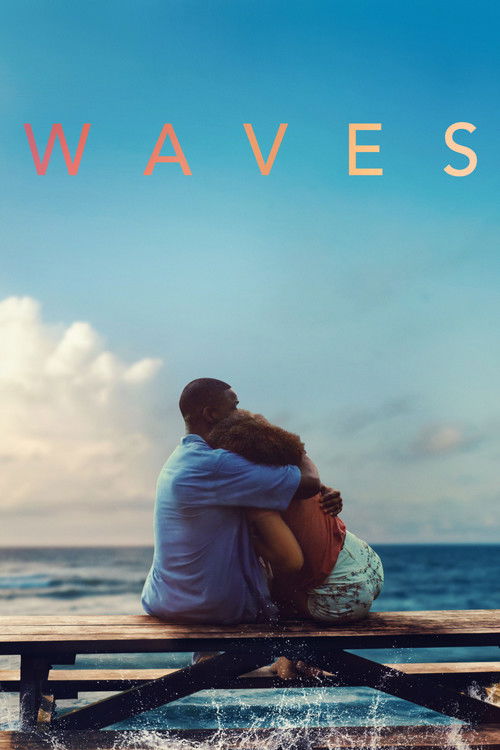
Waves2019
A South Florida family drama that catches adolescent intensity and the way small moments detonate into larger ruptures. Visually rich and emotionally precise about teenage feeling.
But The tone shifts severely in the second half. Some find the tonal whiplash jarring rather than affecting.
Moonlight2016
Intimate, lyrical filmmaking about growing up in difficult circumstances. It shares *Too Late*'s commitment to quietness, sensory detail, and the inner lives of young people others might overlook.
But Plot in the traditional sense barely exists. It's three moments in one life, which can feel slight if you're watching for narrative momentum.

Not sure tonight? Get a pick in a minute, starting from Too Late to Die Young
The wildcard
Something you would not have found on your own.
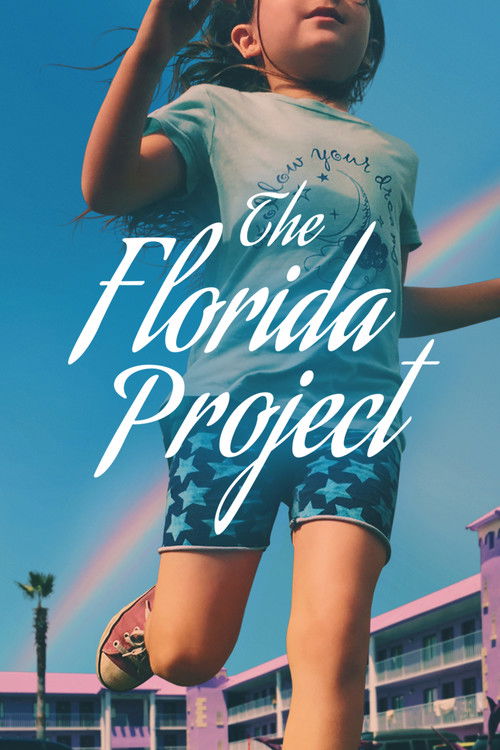
The Florida Project2017
Both use children's perspectives to make adult crisis visible without explaining it. The threat is environmental or economic, not dramatic, and the real story is how kids sense danger they can't yet name.
Sean Baker's film about childhood on the economic margin, seen through the eyes of kids whose parents are barely holding on. Radiant and devastating, it captures the same blend of wonder and encroaching catastrophe.
But It's set in motel poverty and doesn't look away from hardship. The brightness of the cinematography can feel cruel rather than compassionate to some viewers.
More like this (5)
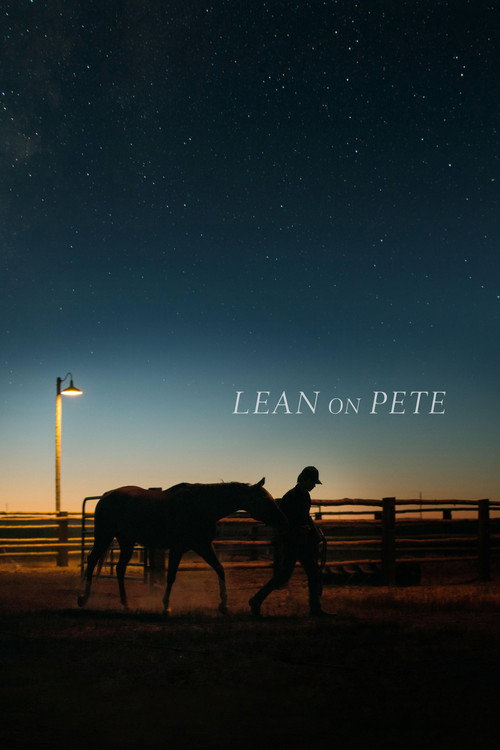
Lean on Pete2018
Andrew Haigh's understated road film about a boy and a horse. Like this film, it trusts silence and landscape to carry emotional weight, and finds tenderness in isolation.
But The restraint can read as emptiness. It demands you meet it halfway; it won't meet you.
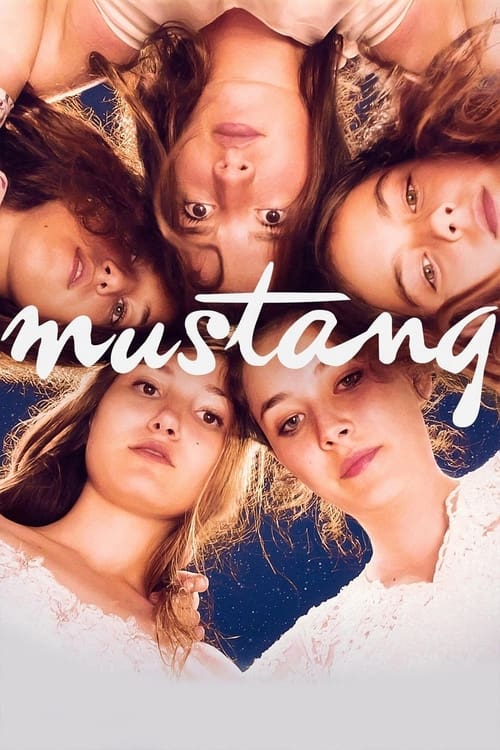
Mustang2015
Five Turkish sisters in enforced captivity, framed with the same visual precision and dread that hangs over *Too Late*. Both films use confined spaces and limited freedom as their real subject.
But The ending is bleak. If you need resolution or hope, you won't find it here.
The Farewell2019
Lulu Wang's film about family and mortality, made with a similar attention to the specific weight of cultural and emotional contexts. Warm but never sentimental.
But It's quieter and less overtly dramatic than its subject might suggest. Some viewers expect more catharsis.

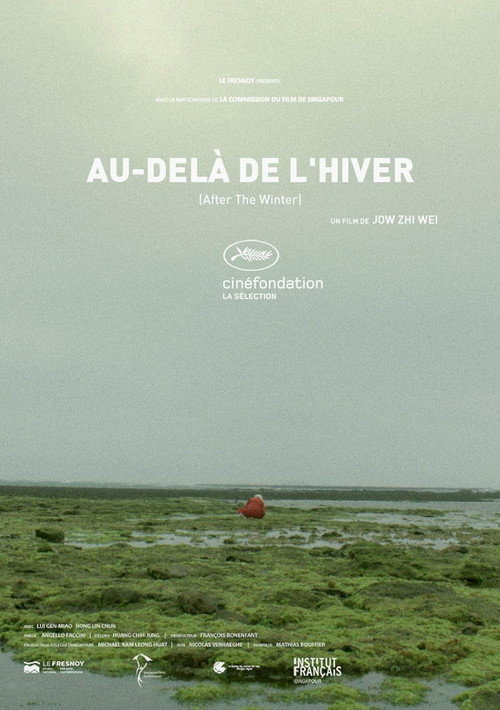
After the Winter2013
An intimate portrait of a teenager and his grandfather in post-hurricane Puerto Rico. Like *Too Late*, it's about waiting, watching, and the weight of circumstance pressing down.
But Not much happens. If drama requires conflict or plot, this will seem like nothing.
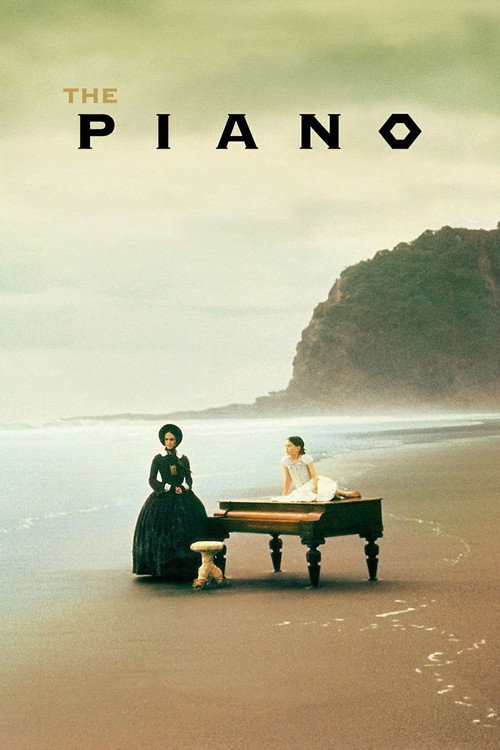
The Piano1993
Both films use beautiful, hostile landscapes and confinement as the engine of their drama. What threatens the characters in *Too Late*—drought, isolation, enclosure—becomes almost erotic in Campion's hands, but it's the same pressure.
Jane Campion's masterpiece about desire, isolation, and what happens when a woman (or by extension, anyone) refuses the world's terms. Remote New Zealand landscapes, coded sexuality, and the electrifying moment when repression breaks.
But It's visually stylized in ways that can feel mannered. Also: it's about sexual tension and contains scenes of coercion that some find difficult to watch.
People
Cast
 Demian HernándezSofia
- Antar MachadoLucas
- Magdalena TótoroClara
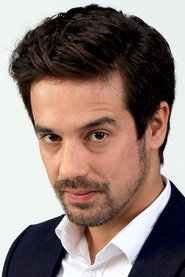 Matías OviedoIgnacio
- Andrés AliagaRoberto
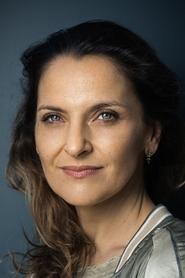 Antonia ZegersElena
- Mercedes MújicaCarmen
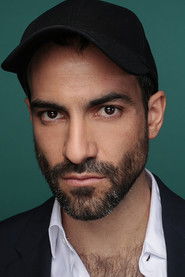 Gabriel CañasCristobal
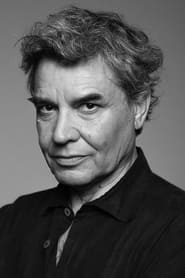 Alejandro GoicCarlos
 Eyal MeyerJaime
 Cecilia RaineroJulia
 Michael SilvaRaúl
Directing
- Dominga SotomayorDirector
- Juan Francisco RosasFirst Assistant Director
- Casandra CamposScript Supervisor
- Ignacia IlabacaSecond Assistant Director
Writing
- Dominga SotomayorScreenplay
- Marietta von Hausswolff von BaumgartenScript Consultant
- Miguel MachalskiScript Consultant
Production
- Alejandro WiseAssociate Producer
- Nicolás San MartínAssociate Producer
- Inti BrionesCo-Producer
- Lisette KelderCo-Producer
- Rosa Martínez RiveroCo-Producer
- Stienette BosklopperCo-Producer
- Violeta BavaCo-Producer
- Daniel PechExecutive Producer
- Omar Zúñiga HidalgoExecutive Producer
- Sophie MasExecutive Producer
- Martin BohtePost Production Coordinator
- Daniel PechProducer
- Dominga SotomayorProducer
- Omar Zúñiga HidalgoProducer
- Rodrigo TeixeiraProducer
- Sophie MasProducer
- Jaime GaeteProduction Assistant
- Mapi KoscinaProduction Assistant
- Anne-Lise KontzPublicist