
Film
Han Gong-ju
- Drama
- Very dark
Han Gong-ju is a South Korean portrait of trauma and silence. A 17-year-old girl arrives at a new town carrying a secret wound, moving through daily life with careful composure while something terrible festers beneath. Director Lee Su-jin captures the quiet dread of suppression: how shame hollows you out, how community cruelty compounds suffering. It's necessary and harrowing.
If you liked this
A Prophet2009
Haunting French prison drama about a young man forced to survive in a closed system. Like Han Gong-ju, it observes how trauma reshapes identity and power when there's nowhere to run. Mesmerizing.
But Demanding pace and a lot of screen time with morally compromised characters. You have to sit with ugliness.

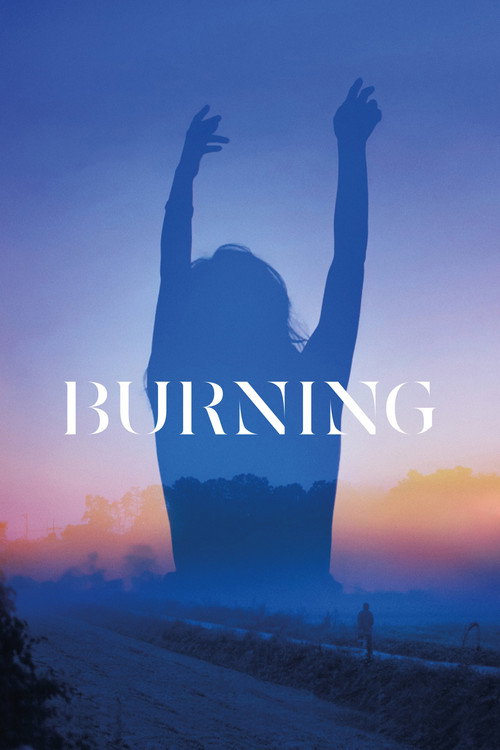
Burning2018
Slow-burn South Korean mystery about class, envy, and hidden violence. Shares Han Gong-ju's atmosphere of dread underneath ordinary surfaces and its refusal to comfort you with neat answers.
But Nearly three hours long and the plot withers beside the mood. If you need things to happen, you'll fidget.
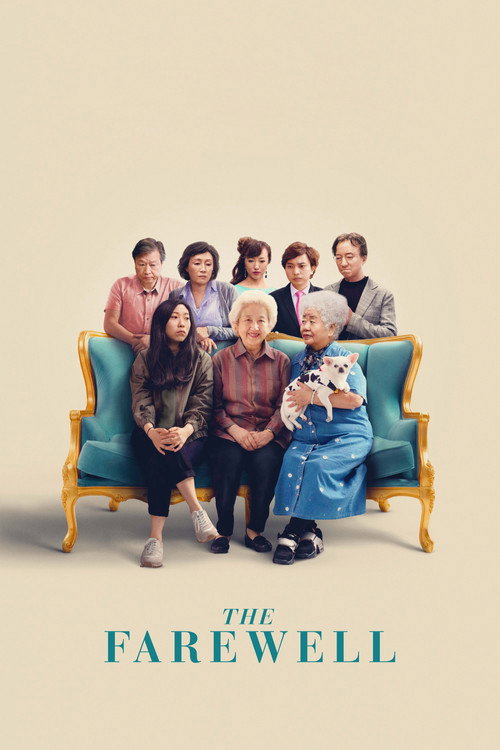
The Farewell2019
A young woman returns to family secrets and generational silence. Blends dark comedy with genuine sorrow. Like Han Gong-ju, it's about how much we carry alone and what happens when the weight breaks.
But The tonal mix won't work for everyone. Some find the humour undercuts the gravity; others find it essential.
Not sure tonight? Get a pick in a minute, starting from Han Gong-ju
The wildcard
Something you would not have found on your own.
Come and See1985
Both trust the camera to linger on emotional damage without diagnosing or resolving it. Both understand that some wounds don't heal in a film's runtime.
A 14-year-old Soviet boy's journey through WWII's horrors in what many call cinema's most unflinching portrait of trauma. Han Gong-ju is about how violence hollows the interior self; this is what that hollowing looks like when the violence is external and inescapable.
But Graphic war atrocities. Operatic suffering. The final 20 minutes are deliberately unwatchable—not in an artsy way, in a 'this is what trauma does' way. Only watch if you're prepared for devastation.

More like this (7)
Moonlight2016
Three-chapter portrait of a boy growing up Black and queer in Miami, each haunted by what he can't say. Shares Han Gong-ju's visual poetry about inner pain and the damage of silence.
But Elliptical and impressionistic rather than plot-driven. It moves at the speed of feeling, not narrative.

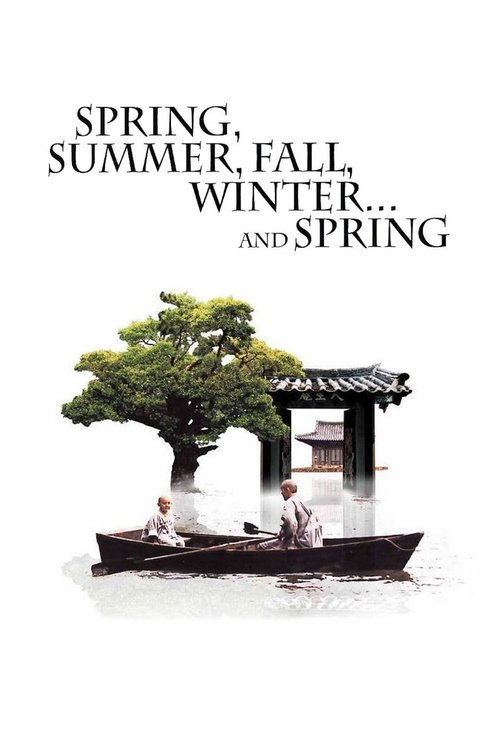
Spring, Summer, Fall, Winter... and Spring2003
South Korean meditation on cycles, transgression, and spiritual reckoning set on an isolated lake temple. Like Han Gong-ju it trusts visual storytelling over exposition and treats shame as theology.
But Extremely slow. Very abstract. The payoff is philosophical rather than emotional, which some find distant.
Under the Skin2014
Scarlett Johansson drifts through Scotland in a film about desire, predation, and unknowability. Both films use landscape and surface calm to suggest psychological horror happening just out of frame.
But Glacial and avant-garde. Long sequences without dialogue. If you want conventional storytelling, this isn't it.

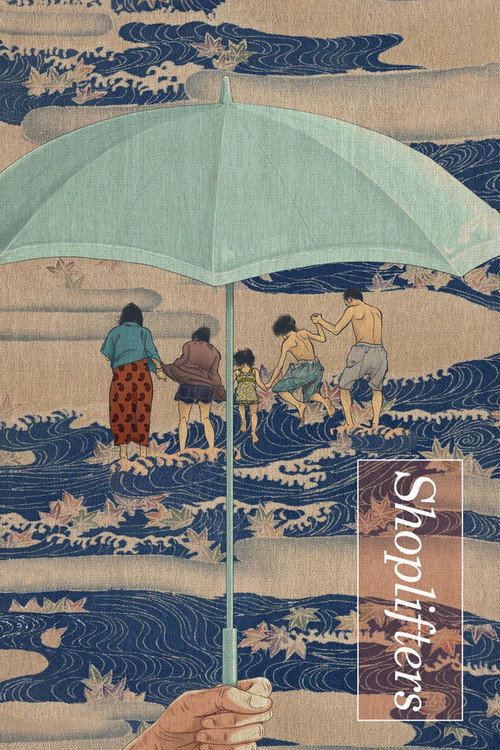
Shoplifters2018
Japanese masterpiece about a found family held together by theft, secrets, and desperate love. Like Han Gong-ju, it reveals how social systems fail children and how trauma binds people to silence.
But The pacing is deliberately flat, which some find meditative and others find frustrating. Its compassion for bad choices won't satisfy everyone.
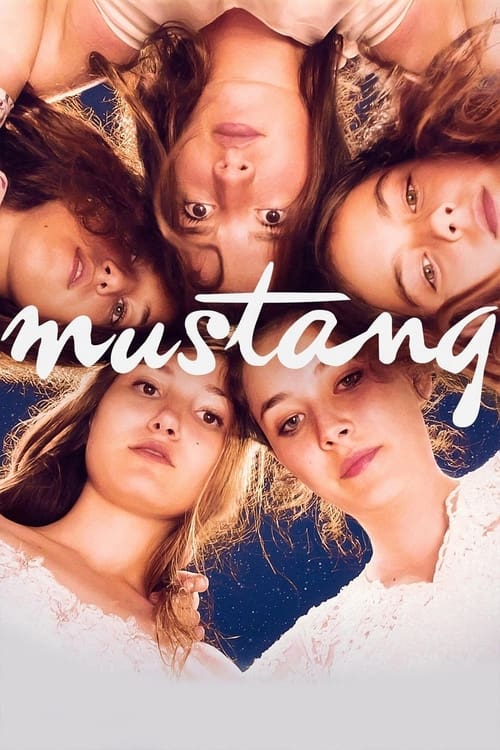
Mustang2015
Turkish portrait of five sisters imprisoned by family honour. Like Han Gong-ju it documents how societies trap women through shame and what happens when you refuse to be silent.
But Suffocating by design. The claustrophobia and forced compliance can feel punishing rather than illuminating.
The Act of Killing2012
Both are about how communities protect those who caused harm and how that protection silences victims. Both refuse easy moral comfort.
Documentary where Indonesian death-squad leaders re-enact their own atrocities. Impossible as that sounds, it's about the same thing as Han Gong-ju: how perpetrators and victims live alongside unspeakable things, how societies choose amnesia, how shame metastasizes.
But It's a documentary about genocide re-enacted by the perpetrators. The moral vertigo is deliberate. Some will find it exploitative or too clever.

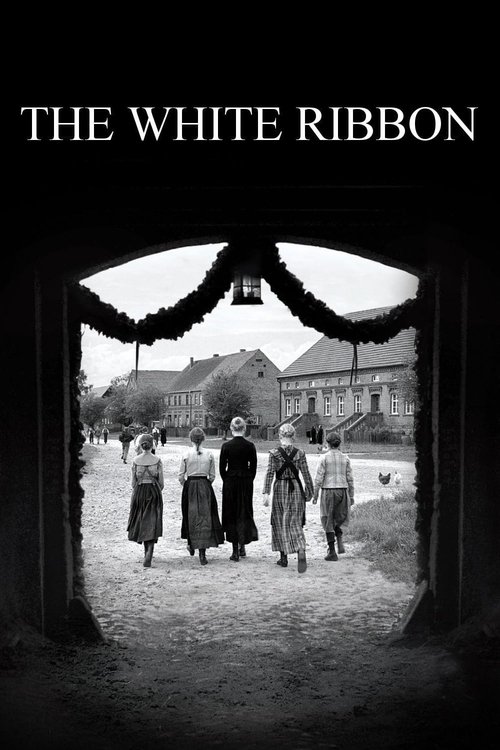
The White Ribbon2009
Both films are more interested in the psychology of silence than in solving what happened. Both suggest that the real horror is how easily communities become complicit.
Haneke's black-and-white German mystery about hidden cruelty in a village before WWI. Like Han Gong-ju, it suggests that evil nests in silence and propriety, and that trauma ripples through entire systems.
But Three hours of accumulating dread with no plot resolution and no catharsis. It's a mood masquerading as a story. You have to be okay with ambiguity as the whole point.
People
Cast
 Chun Woo-heeHan Gong-ju
 Jung In-sunEun-hee
 Kim So-youngHwa-ok
 Lee Young-ranMs. Lee
 Kwon Beom-taekChief of Police Substation
 Jo Dae-heeLee Nan-do
 Kimchoi Yong-joonDong-yoon
 Kim Hyun-joonMin-ho
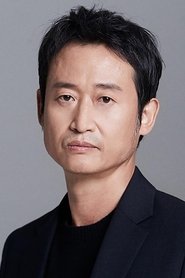 Yoo Seung-mokHan Gong-ju's Father
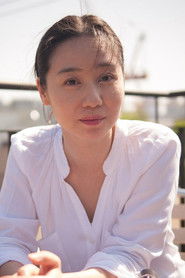 Seong Yeo-jinHan Gong-ju's Mother
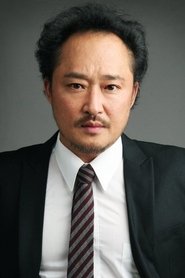 Kim Jung-palOwner of Animal Hospital
 Dong Hyun-baeSwimming Instructor