
Film
The Violent Years
- Street-gang crime
- Very dark
A 1956 B-movie about teenage girls who turn to violent crime—armed robbery, assault, vandalism—while their negligent parents remain oblivious. It's a cautionary exploitation film that takes itself seriously, blending genuine social anxiety about youth, parental failure, and juvenile delinquency with moments of unintentional absurdity. A time capsule of mid-century moral panic.
If you liked this
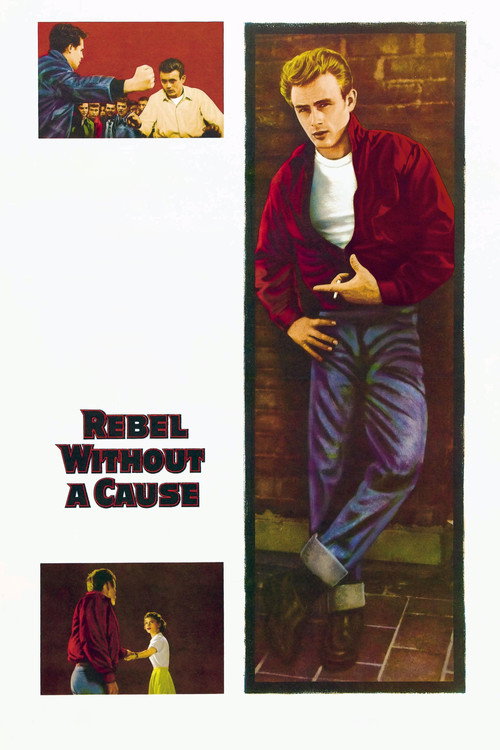
Rebel Without a Cause1955
The definitive teen rebellion film, but with actual artistry: Dean's tortured vulnerability, Ray's visual sophistication, and a genuine engagement with parental neglect as the root of teenage alienation.
But The pacing feels theatrical now, and the resolution is neater than real life. Some find Dean's performance mannered rather than moving.
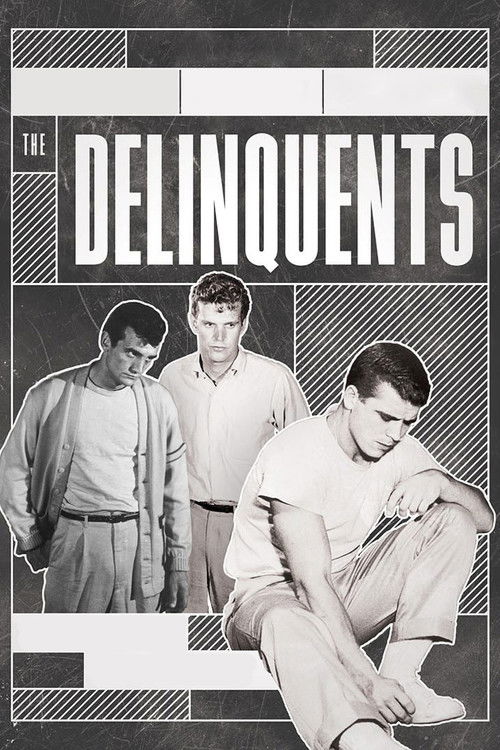
The Delinquents1957
Another B-side exploitation film about teenage crime, but made with real craft and moral ambiguity. It doesn't wink at the camera the way later films do—it genuinely fears and pities its subjects.
But It's deliberately unglamorous and slow-burning. The acting is uneven, and the film's seriousness can feel quaint now.
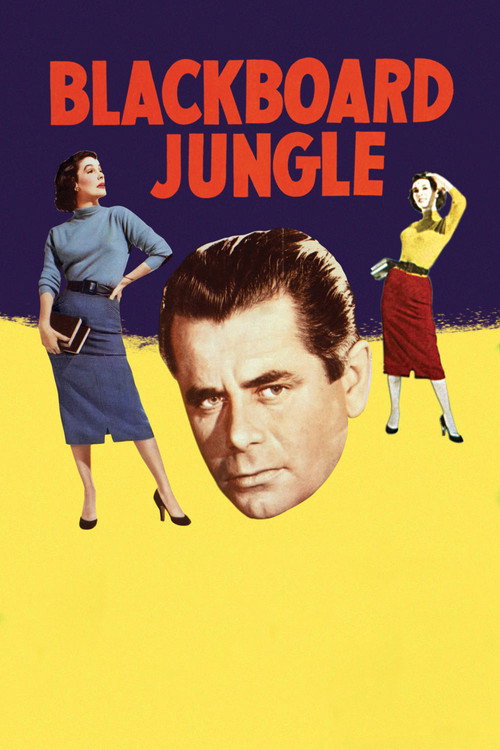
Blackboard Jungle1955
A classroom drama where juvenile delinquency is treated as tragedy rather than titillation. Glenn Ford is magnificent as a teacher trying to reach kids in a system designed to fail them. Real anger underneath.
But Some scenes feel didactic, and the film's solutions are more hopeful than convincing. It's preachy, but it means well.
Not sure tonight? Get a pick in a minute, starting from The Violent Years
The wildcard
Something you would not have found on your own.
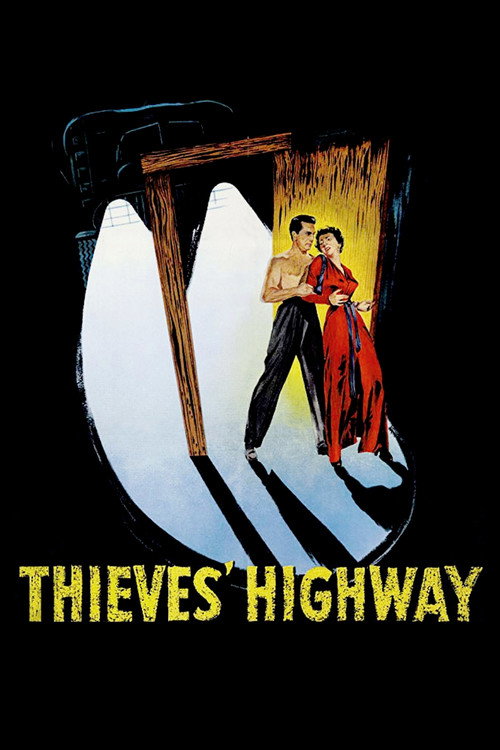
Thieves' Highway1949
Both films blame parental failure and social neglect for youth criminality, but Dassin traces it to economic injustice rather than moral weakness—a darker and more structurally honest framework.
Jules Dassin's neorealist take on criminality—not a morality play, but a portrait of a society that crushes human decency. It's about the systems that create crime, not the criminals themselves. Moral sophistication that '56 couldn't quite manage.
But It's deliberately bleak and offers no comfort. The narrative is fragmented. It's a slow burn, and some find it emotionally punishing rather than engaging.
More like this (7)
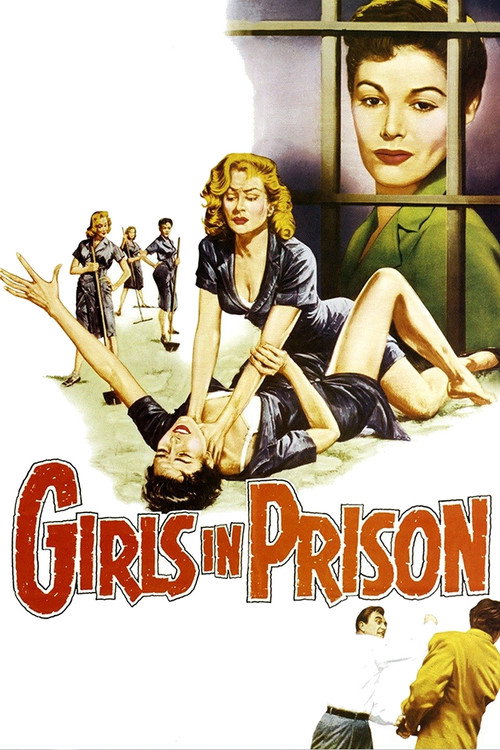
Girls in Prison1956
A women's prison drama made the same year, with the same B-movie earnestness and similar anxieties about female criminality. Surprisingly sympathetic to its characters' circumstances.
But The plot is straightforward and predictable. The production values are negligible. It's purely effective on tone.
The Asphalt Jungle1950
John Huston's heist masterpiece. A crime film that treats criminals as fully human—flawed, desperate, understandable. The template for every heist story since, made when the form was still new.
But It's a man's world through and through. Women are accessories. The pacing is deliberate, which modern viewers sometimes find slow.

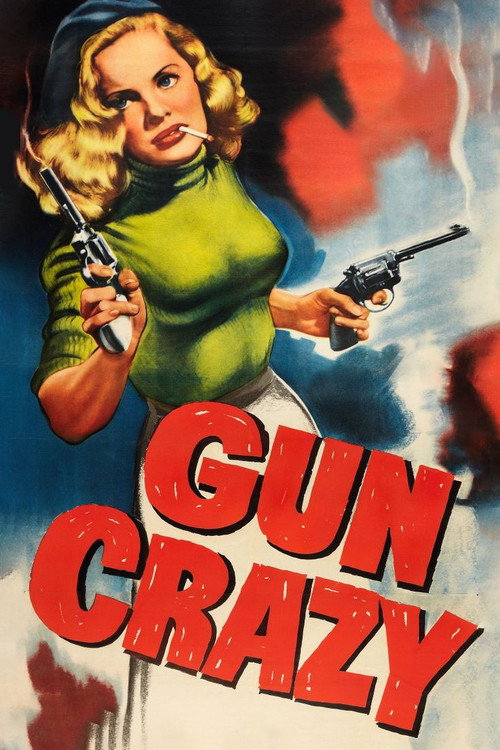
Gun Crazy1950
A couple on a crime spree, made with real stylistic verve and genuine danger. Influenced every lovers-on-the-lam film that followed. Bonnie and Clyde didn't invent this; this did.
But The plot is thin. Some of the early exposition feels stage-bound. It's short and doesn't overstay its welcome, which some find unsatisfying.
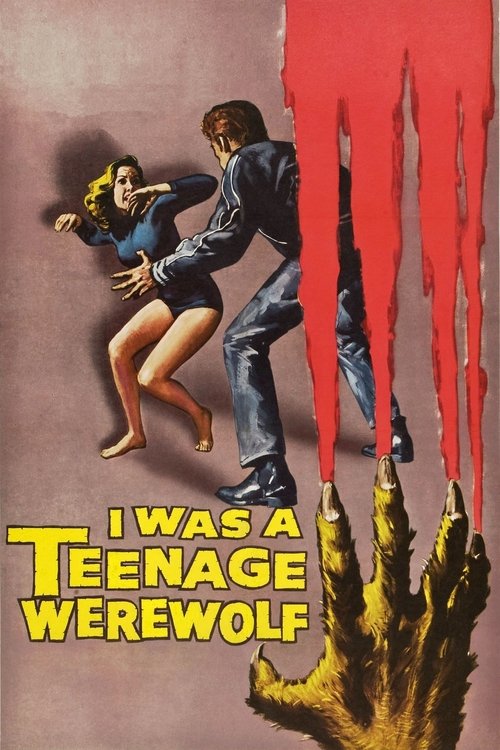
I Was a Teenage Werewolf1957
Another '50s teen panic film, but it channels anxiety into genre rather than realism. Tonally bizarre—genuinely eerie despite its risible concept. Proves the era's fears were deeper than the surface suggested.
But It's half-baked in plot terms. The werewolf stuff is clearly an allegory, which can feel heavy-handed. Some find it more silly than scary.
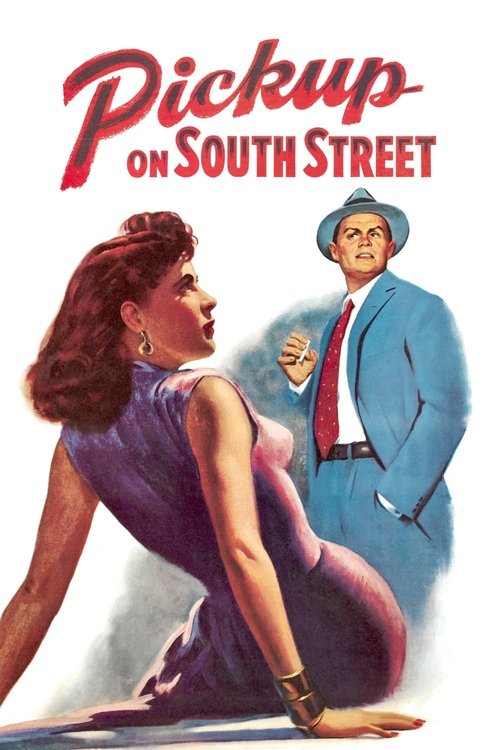
Pickup on South Street1953
Fuller's street-level noir about petty criminals and Cold War paranoia. The violence is casual and consequential. The city feels real in a way most films of the era don't. Gripping and unsentimental.
But The politics are muddled now. The plot mechanics feel dated. It's uninterested in psychology—everything is surface and action.
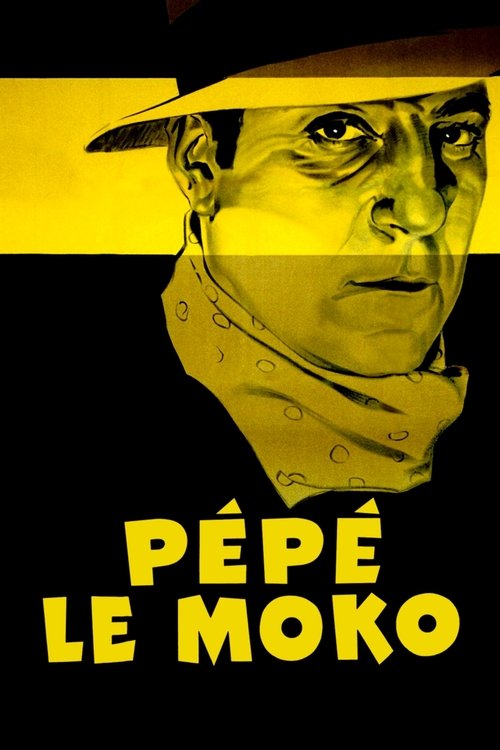
Pépé le Moko1937
Both treat criminals as products of their circumstances rather than moral aberrations, but Pépé does it with actual poetry. A chance to see where the B-movie formula came from in the hands of someone who elevated it.
A French crime film made nearly two decades before The Violent Years, where a criminal is human, sympathetic, and doomed by forces larger than himself. Infinitely more sophisticated about crime and desire, but animated by the same pulp energy.
But It's in French and subtitled. It moves at a different pace than American films—European pacing, which some find slow. The print quality varies.
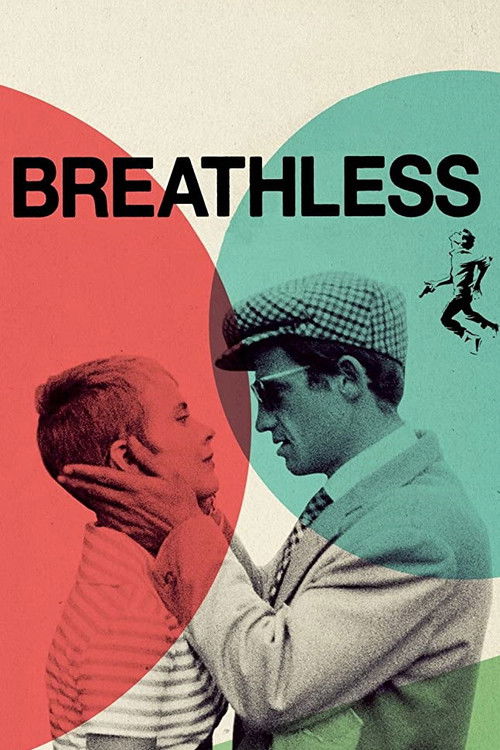
Breathless1960
Both feature young people committing petty violence out of a kind of thrill-seeking alienation, but Godard understands that alienation as existential and beautiful rather than moral failure—the register shift is total.
Godard's reckless, formally radical take on the couple-on-the-run story. It rewrites the rules of cinema itself while telling a story about petty crime and doomed youth. Fast, funny, desperate, and genuinely dangerous.
But It's willfully fractured and digressive. The jump cuts and tonal shifts alienate viewers expecting conventional narrative. It's an intellectual experiment as much as a film.
People
Cast
 Jean MoorheadPaula Parkins
 Barbara WeeksJane Parkins
- Art MillanCarl Parkins
- Theresa HancockGeorgia
- Joanne CangiGeraldine
- Gloria FarrPhyllis
 Glenn CorbettBarney Stetson
- Lee ConstantSheila
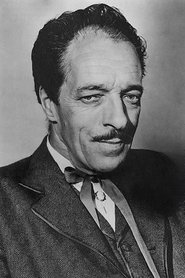 I. Stanford JolleyJudge Raymond Clara
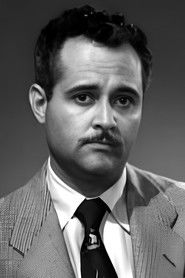 Timothy FarrellLt. Holmes
- F. Chan McClureDet. Artman
- Bruno MetsaManny
Directing
- William MorganDirector
Writing
- Edward D. Wood Jr.Writer
Production
- William MorganAssociate Producer
- Roy ReidProducer
Recommended by
The Young Savages, H.M.S. Defiant, Motorpsycho!, The Delinquents, Gun Girls