
Film
Synesthesia
Synesthesia is a five-minute animated film that translates electronic sound into pure visual motion. Michel Gagné visualizes Gheorghe Costinescu's 1973 electronic composition through flowing geometric forms, exploring how sound and image can merge into a single experience. It's meditative, abstract, and best watched with full attention and good speakers.
If you liked this
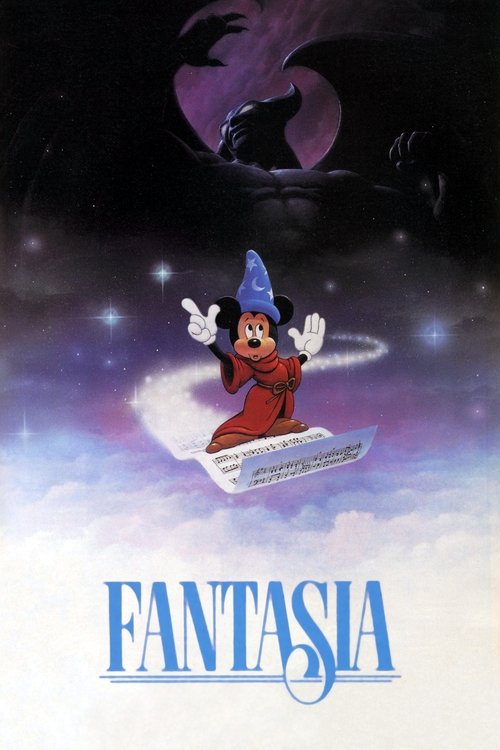
Fantasia1940
Disney's classical orchestral sequences paired with animation set the gold standard for sound-to-image translation. Watching Leopold Stokowski's music move across the screen influenced everything that followed, including Synesthesia.
But At 125 minutes, it's demanding. Some segments feel dated, and the pacing is uneven by modern standards.
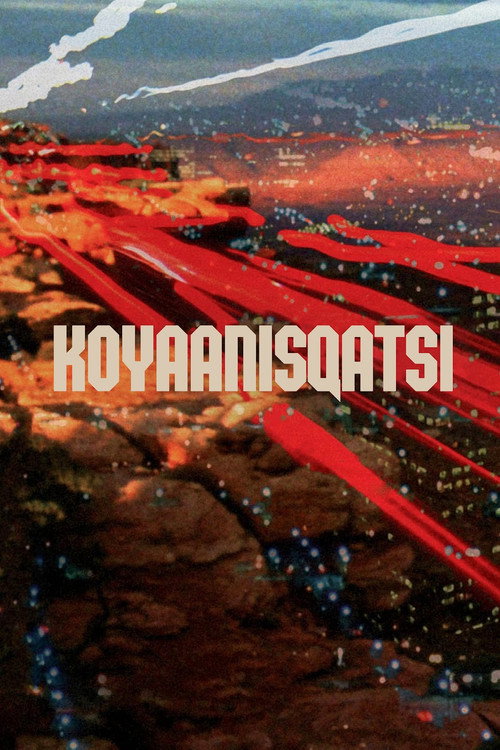
Koyaanisqatsi1983
Godfrey Reggio and Philip Glass create a 87-minute meditation on image and sound in perfect synchrony. No dialogue, no plot—just the hum of civilization matched to hypnotic visuals. The closest sibling to what Synesthesia attempts.
But The repetitive philosophy can feel pretentious. If you need narrative momentum, this will feel static and slow.
Paprika2006
Satoshi Kon animates dreams and music with dizzying colour and fluid motion. The synesthetic energy is constant—shapes respond to sound, reality warps with emotion. A masterclass in using animation for pure sensation.
But The narrative is complex and sometimes incoherent. The sensory overload exhausts some viewers rather than delighting them.

Not sure tonight? Get a pick in a minute, starting from Synesthesia
The wildcard
Something you would not have found on your own.
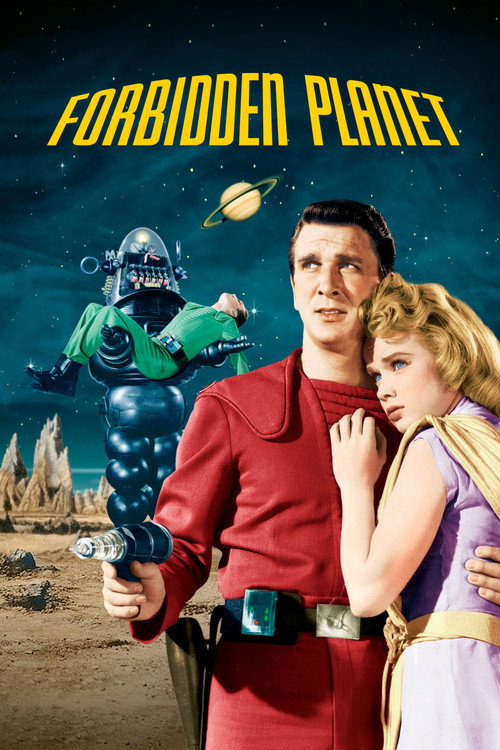
Forbidden Planet1956
Both films prove that electronic sound, new and unfamiliar, creates a unique synesthetic response—the listener's brain has no acoustic reference point, so it surrenders entirely to the visual interpretation.
The Krell machine's howling electronic score by Bebe and Louis Barron was the first synthesizer music in cinema. The soundscape feels alien because it literally was—no acoustic instruments. Synesthesia's true ancestor.
But It's a 1950s sci-fi B-movie with trite plot and stiff acting. The dated effects and silly alien costumes undercut the audio's power.
More like this (7)
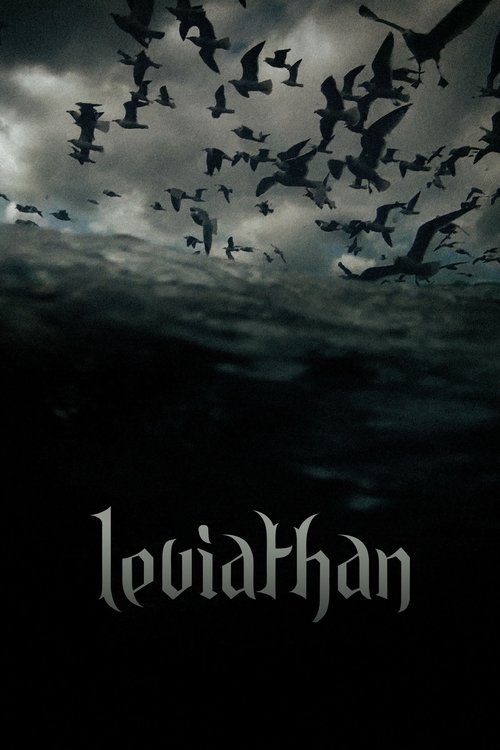
Leviathan2013
Lucien Castaing-Taylor and Véréna Paravel film a fishing vessel in grainy, disorienting motion, paired with nautical sound design. Abstract and immersive in ways that parallel Synesthesia's approach to abstraction.
But It's deliberately difficult and vertiginous. Many find it unwatchable rather than experimental.
An Optical Poem1938
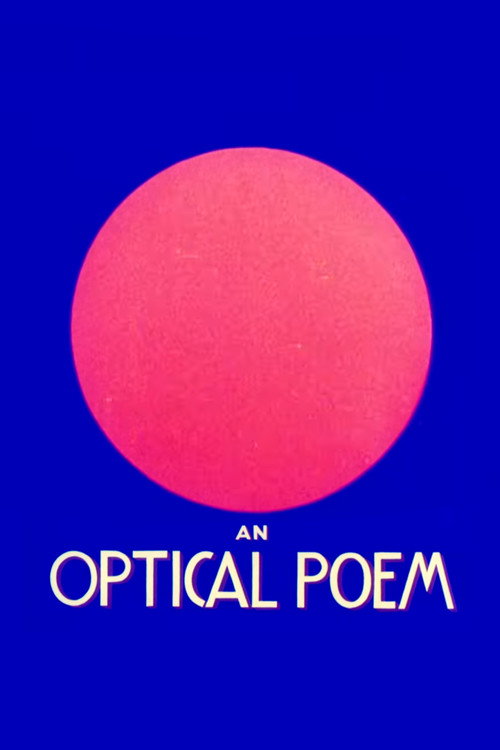
Oskar Fischinger's two-minute abstract film pairs geometric shapes with Liszt's Hungarian Rhapsody No. 2. A direct predecessor to Synesthesia, proving the concept worked before computers existed.
But The colour palette is muted and the animation feels dated. You may miss the sophistication if you watch on a small screen.
Chungking Express1994
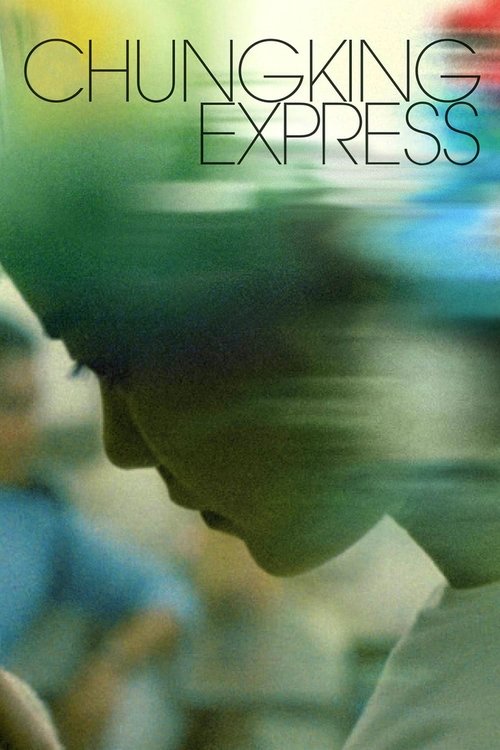
Wong Kar-wai synchronizes visual style, editing rhythm, and sound design so tightly that you feel the music's pulse in every frame. A love story told through image-sound harmony rather than plot.
But The romantic melodrama may feel overwrought. The colour grading is so specific it can look garish on some screens.
Annihilation2018
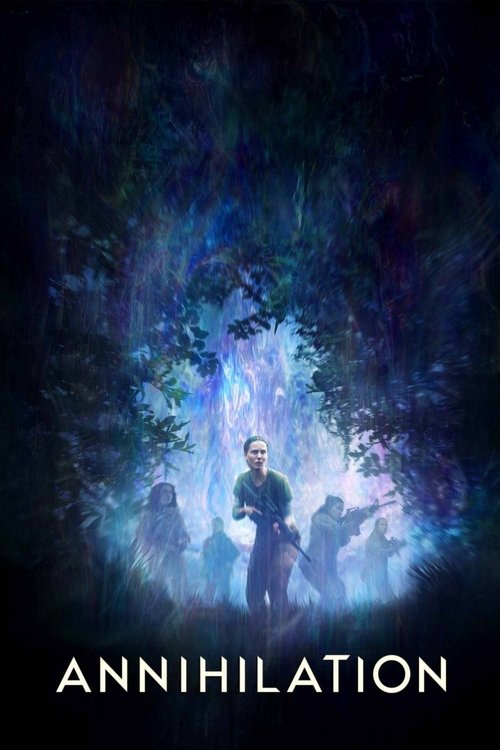
Rob Hardy's sci-fi film uses sound design and visual abstraction to convey an alien landscape. The shimmer and hum of the Shimmer create a synaesthetic space where colour and drone feel indivisible.
But The pacing is glacial and the ending feels incomplete. Many viewers want clearer answers than it provides.
The Holy Mountain1973
Jodorowsky stages surreal tableaux backed by Alejandro Jodorowsky's own soundscapes. Bizarre and unhinged, but it shows how animation's cousin—practical surrealism—reaches for the same synesthetic goal.
But It's aggressively bizarre and sometimes repellent. The dialogue is pretentious and the pacing seems intentionally chaotic.

Daydream Nation2011
Both were created by artists primarily trained in visual art or music, not film. They treat the screen as an instrument rather than a narrative surface.
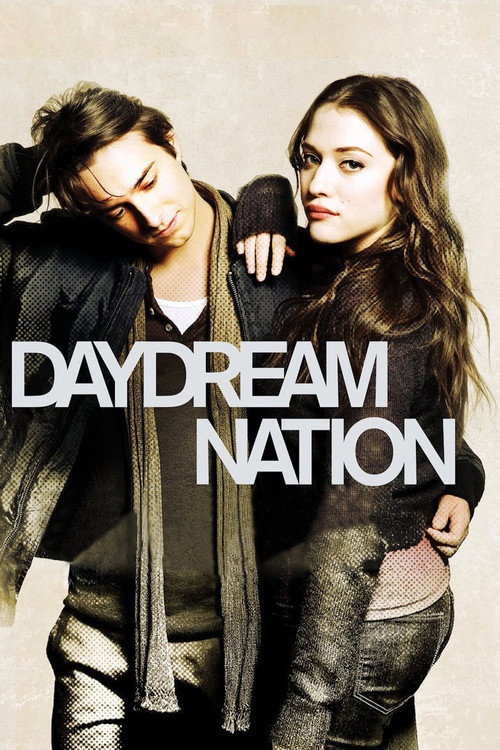
This avant-garde experimental video series treats animation as pure sonic art. It's fractured, digital, and built around how electronic glitch sounds shape the image. Completely different medium, same obsession.
But It's almost impossible to find legally and barely documented. The work is obscure even by experimental standards, and often feels more like a composition than a film.
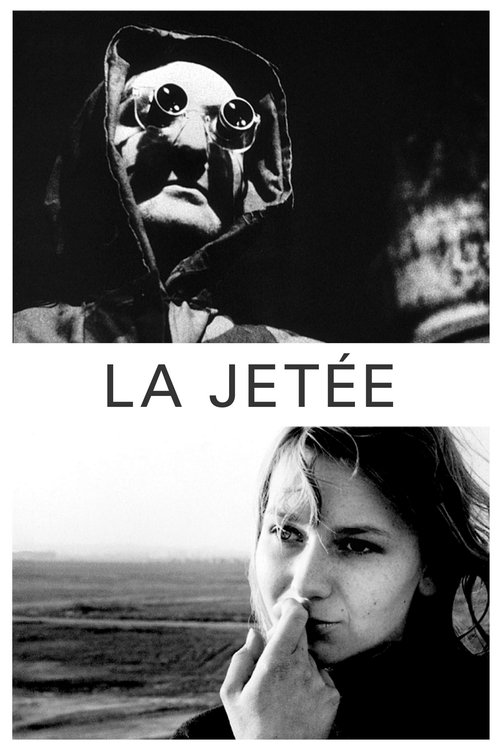
La Jetée1962
Both prioritize the fusion of sound and image over plot. The narrative (if any) exists only to justify the synesthetic experience; the experience is the point.
Chris Marker builds an entire science-fiction film from still photographs and a piercing electronic score by Chris Newman. The mind fills motion between frames while sound drives time itself forward. Pure image-sound storytelling.
But It's 28 minutes of mostly static images. For viewers who need movement and action, it feels like watching a slideshow.
People
Directing
- Michel GagnéDirector