
Film
Come Back to Sorrento
A two-minute animated film set to the Neapolitan song "Funiculi Funicula." A man plays the melody on an instrument when a helicopter suddenly intrudes on his reverie. It's a brief, whimsical piece that plays with the tension between pastoral serenity and modern disruption, capturing a moment of longing interrupted by reality.
If you liked this
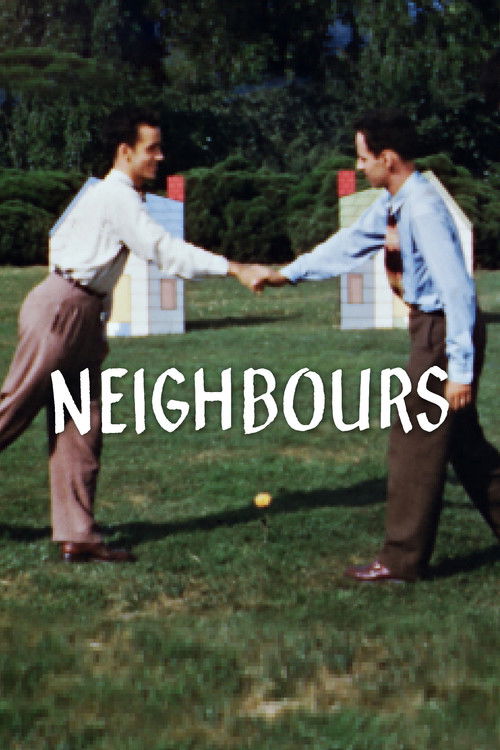
Neighbours1952
Norman McLaren's stop-motion masterpiece about two men fighting over a flower, using rapid-cut animation and physical comedy to explore how quickly civility collapses into chaos and absurdity.
But It's only five minutes long, and the anarchic violence—though cartoonish—might feel blunt if you prefer subtle humour or narrative development.
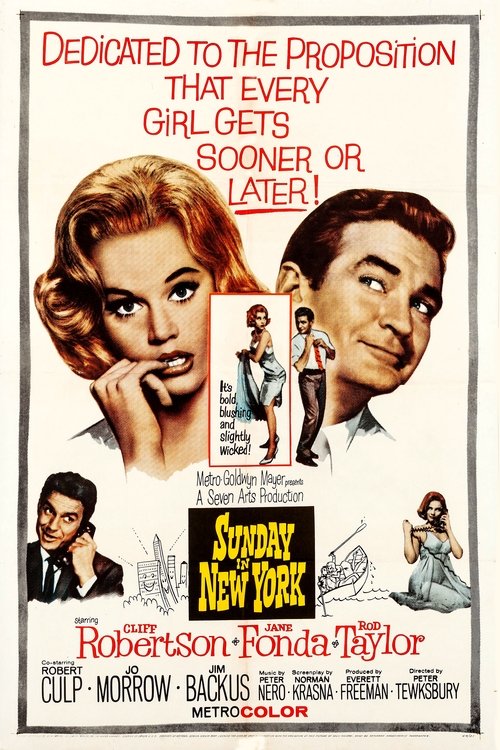
Sunday in New York1963
A romantic comedy about a woman questioning her life choices during a single Sunday in the city. It captures the specific melancholy of nostalgia and the collision between dream and reality.
But The gender politics feel dated, and the plotting is sometimes slight—it relies heavily on charm and mood rather than dramatic momentum.
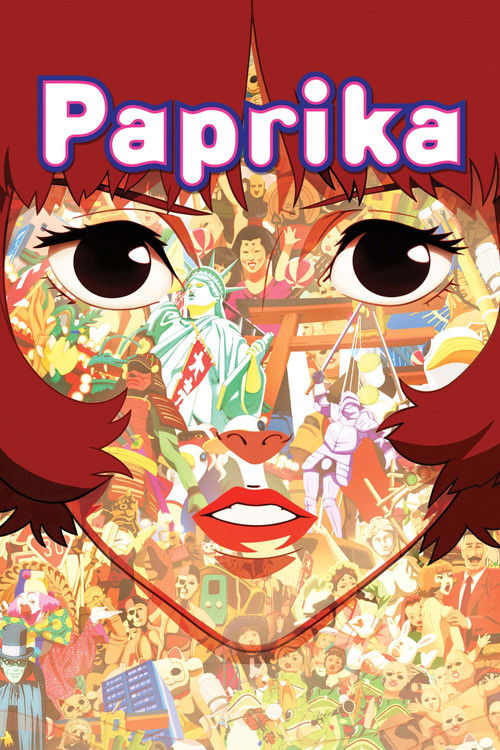
Paprika2006
Satoshi Kon's dazzling animated film about dreams bleeding into reality, built on the same collision between intimate desire and external chaos that defines *Come Back to Sorrento*.
But Its visual abundance and layered narrative can feel overwhelming; some find the pacing bewildering rather than exhilarating.
Not sure tonight? Get a pick in a minute, starting from Come Back to Sorrento
The wildcard
Something you would not have found on your own.
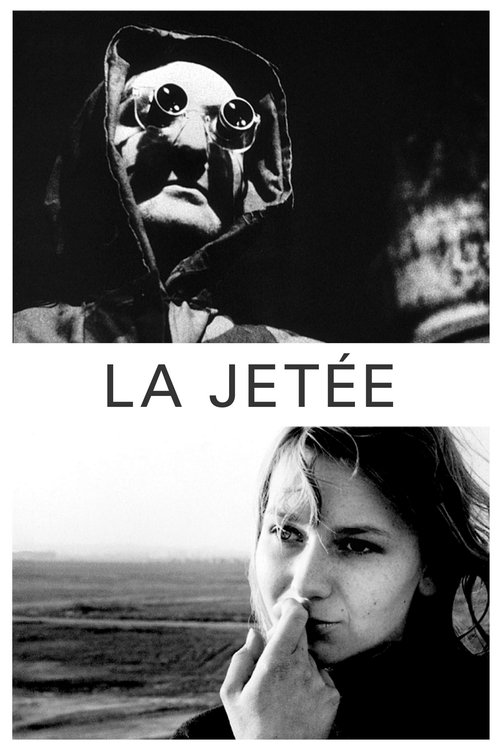
La Jetée1962
Both are brief animated-adjacent works that pit intimate human longing against external forces; both use surrealism to explore how memory and desire shape us.
Chris Marker's sci-fi masterpiece told almost entirely through still photographs and narration. A man sent through time becomes obsessed with a memory—the film asks what we cling to when everything else is taken.
But It's not quite animation and not quite live-action; the static image technique is hypnotic for some and tedious for others. No conventional dialogue.
More like this (7)
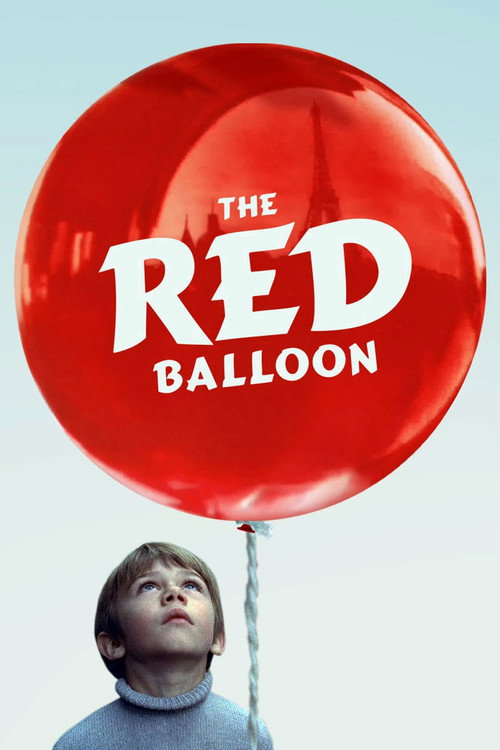
The Red Balloon1956
Albert Lamorisse's live-action poetic short about a boy and a magical balloon drifting through Paris. Pure whimsy paired with genuine melancholy about loss and the ordinary world's indifference to magic.
But It's gentle to the point of weightlessness, and if you prefer plot or dialogue, this meditative approach will feel thin.
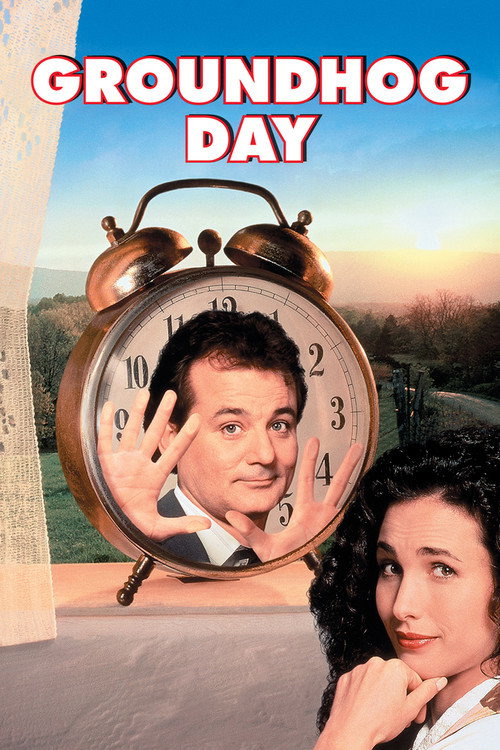
Groundhog Day1993
Bill Murray trapped in repeating days is a meditation on longing, the past, and whether we can ever truly escape our circumstances. Funny and increasingly philosophical about memory and desire.
But The second act drags if you're only there for the comedy, and some of the magical-realism mechanics are never fully explained.
In the Mood for Love2000
Wong Kar-wai's exquisite film about two neighbours who discover their spouses are having an affair. Dense with longing, nostalgia, and the ache of what cannot be acted upon.
But Plot barely exists; it moves through mood and repetition. If you need forward momentum or emotional catharsis, the elliptical style will frustrate.

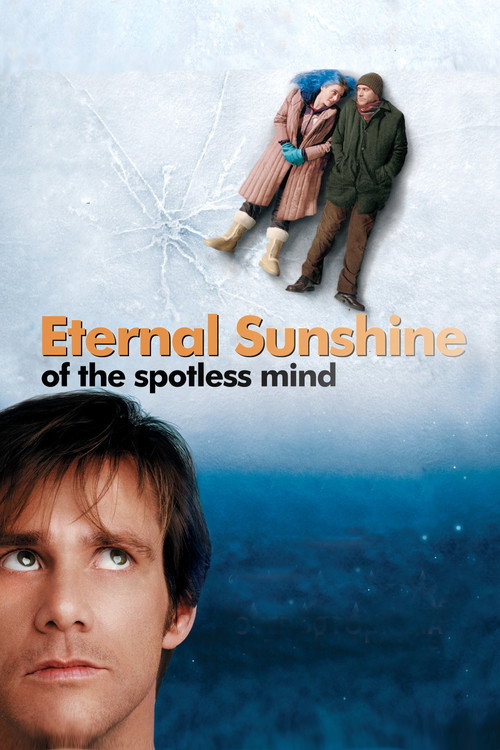
Eternal Sunshine of the Spotless Mind2004
A man has memories of his ex-lover erased, then realizes mid-procedure he doesn't want to forget. It's about how we romanticize the past and how nostalgia, however painful, makes us who we are.
But The fractured timeline and melancholy tone can feel emotionally draining, and the philosophical questions it raises don't resolve neatly.
Tokyo Story1953
Ozu's masterpiece about aging parents visiting their son in Tokyo, watching a world that has moved on without them. Quietly devastating meditation on transience and the gap between what was and what is.
But Shot almost entirely in stasis with minimal camera movement, it will feel static or boring if you're expecting conventional drama or pace.

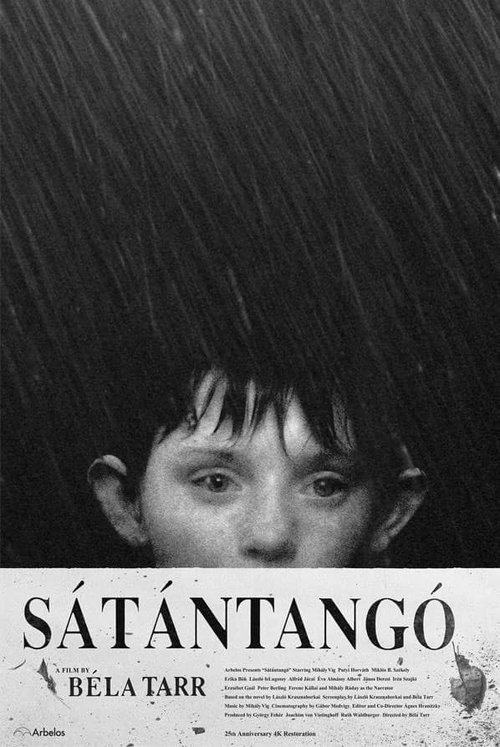
Satantango1994
Where *Sorrento* is two minutes of interruption, *Satantango* stretches that moment of disruption into an entire world—both use formal constraint (brevity or duration) to explore how little control we have.
A seven-hour Hungarian black-and-white film set in a bleak housing project where a con man arrives promising salvation. Hypnotic, methodical, and philosophically profound about futility and the human need for meaning.
But Seven hours of slow tracking shots, minimal dialogue, and deliberately paced despair. It requires total commitment and rewards patience with existential heaviness, not catharsis.
Night and Fog1956
Both are short films using music, visual contrast, and the intrusion of reality to explore how we hold onto the past—but *Night and Fog* asks what it means to remember when remembering itself becomes complicit.
Alain Resnais's 31-minute documentary about Auschwitz, moving between colour footage of present-day ruins and archival material. A meditation on how memory fails us, how beauty persists beside horror, how history becomes abstraction.
But It's about genocide; the juxtaposition of pastoral and atrocity is intentional and devastating. This is not entertainment, and approaching it casually disrespects its subject.

People
Directing
- Georgi DumanovAssistant Director
- Donyo DonevDirector
Writing
- Georgi YordanovScript Editor
- Donyo DonevWriter
Production
- Yanaki KitsovHead of Production