
Film
The Matrix Revolutions
The Matrix Revolutions concludes the original trilogy with an exhausted final stand: humanity defending Zion while Neo confronts Agent Smith in a war that's less about triumph and more about sacrifice. It's darker, slower, and philosophically murkier than its predecessors. For those who need closure and can tolerate ambiguous victory.
Should you watch it?
Watch it if you are the kind of viewer who wants the Matrix trilogy's mythology pushed to its loudest, most operatic extreme, and you don't mind the philosophy getting shouted over the battle noise.
Skip it if you loved the earlier films' quiet philosophy, because this one trades that for a long, relentless siege with the volume turned all the way up.
What it asks of you: About two hours nine minutes of near-constant combat, with quieter story beats squeezed between long set pieces; it asks for patience through talky stretches and gloomy, rain-soaked imagery.
Not sure? Find tonight's pick in a minute.
If you liked this
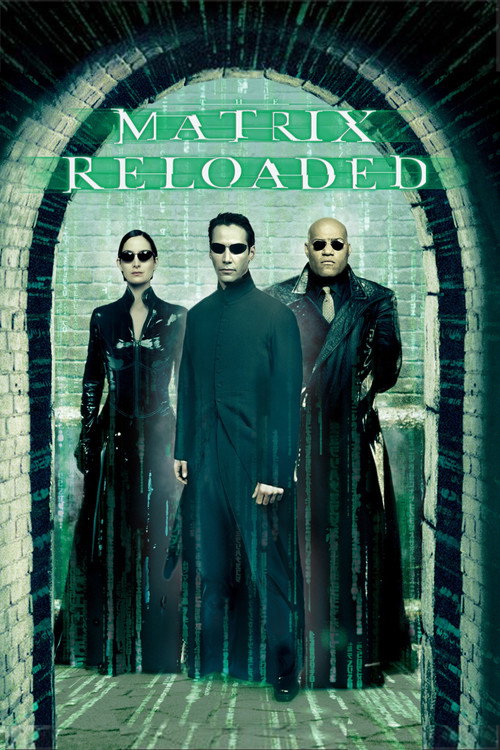
The Matrix Reloaded2003
The direct predecessor completes the narrative setup Revolutions pays off. It expands the mythology, introduces the real world's stakes, and sets every domino Revolutions knocks down. Essential context.
But Bloated, philosophically pretentious, and the highway scene overshadows everything else. You'll spend half the runtime wanting it to get on with it.
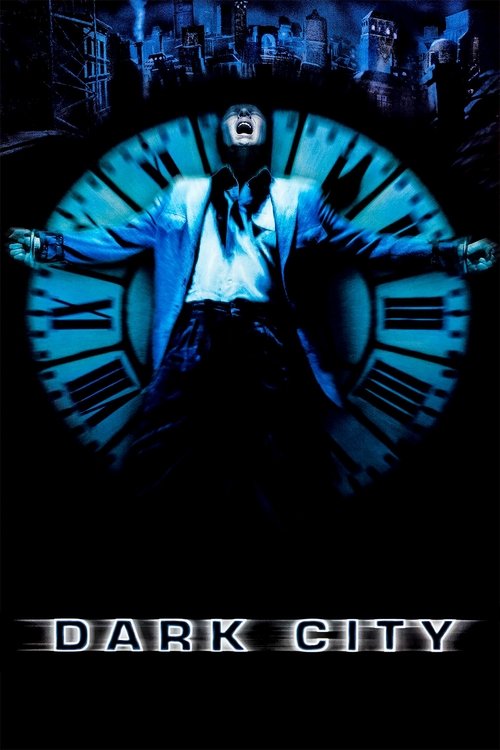
Dark City1998
A noir-soaked sci-fi mystery about reality, identity, and shadowy forces controlling a city. It shares Revolutions' mood of creeping dread and the same question: what's real when perception is weaponized?
But Deliberately obscure and dreamlike. If you want answers handed to you clearly, this film actively resists that.
Dune2021
Epic sci-fi about burden, destiny, and the cost of saving worlds. Like Revolutions, it's less interested in spectacle than in the moral weight of being chosen. Visually gorgeous too.
But Deliberately paced and inconclusive—it's only half the story. Some find it slow; others find that meditative.

Not sure tonight? Get a pick in a minute, starting from The Matrix Revolutions
The wildcard
Something you would not have found on your own.
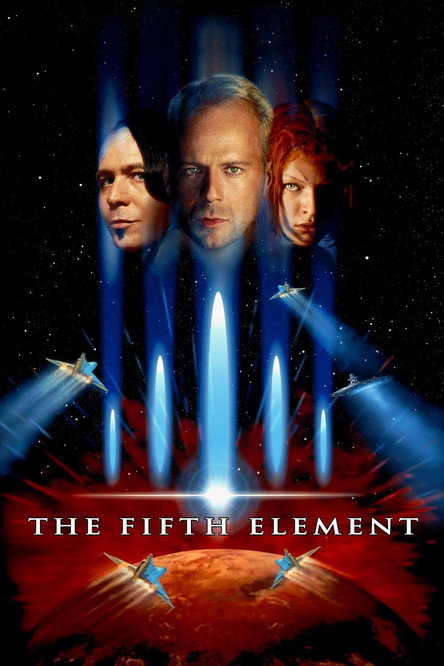
The Fifth Element1997
Both films feature chosen heroes confronting cosmic-scale threats while wrestling with determinism and free will, but Revolutions is ascetic and Fifth Element is voluptuous. Watching them back-to-back shows how the same philosophical questions can be dressed in opposite registers.
A maximalist space opera that inverts everything Revolutions does: where Revolutions is restrained and philosophical about destiny, Fifth Element is baroque and joyful. Yet both ask what it means to be chosen and whether individuals matter. Seeing the opposite approach to the same question is illuminating.
But It's a Luc Besson fever dream—operatic, weird, occasionally incomprehensible. If you want restraint, this is the opposite.
More like this (7)
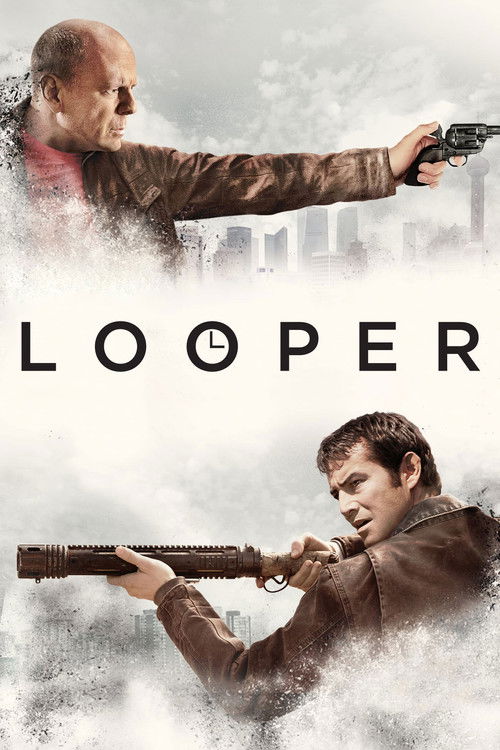
Looper2012
A time-travel thriller about inevitability and sacrifice that refuses easy answers. Like Revolutions, it asks what you'd give up to stop a war, and means the question seriously.
But Grim and violent in ways that undercut the action. You don't leave this feeling victorious.
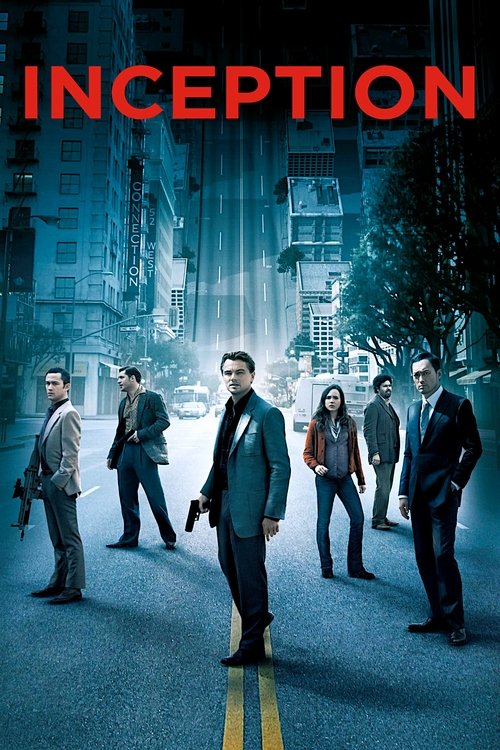
Inception2010
A heist thriller inside a dream, built on the same question: what's real? Shares Revolutions' ambitious scope and willingness to let the climax be philosophically weird rather than conventionally climactic.
But Labyrinthine plot and exposition-heavy. You may spend the whole film rewinding to understand what just happened.
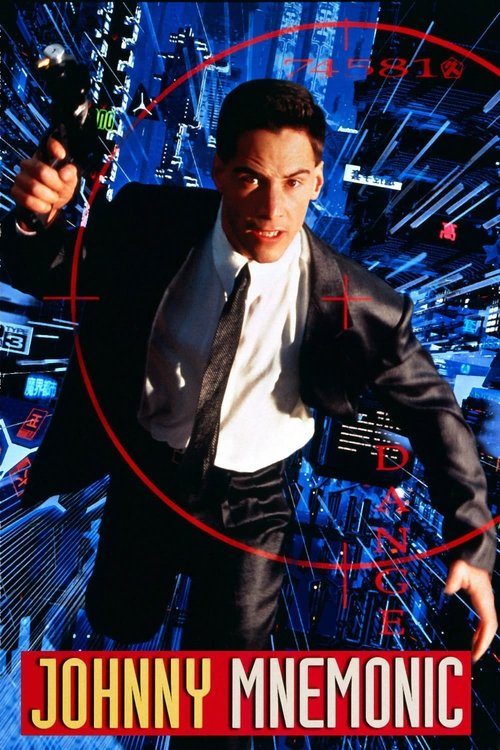
Johnny Mnemonic1995
An early cyberpunk Keanu film about digital consciousness and corporate control. It's trashy and weird in ways that show the DNA of where The Matrix came from before it got respectable.
But Genuinely bad in places. It's campy in a way Revolutions never quite permits itself to be.
The Peripheral2022
A science fiction thriller about connection across time, identity, and the cost of connection. It has Revolutions' willingness to make the story smaller and more intimate than the enormous stakes suggest.
But Only one season so far. It's dense and demands your full attention; casual watching won't work.

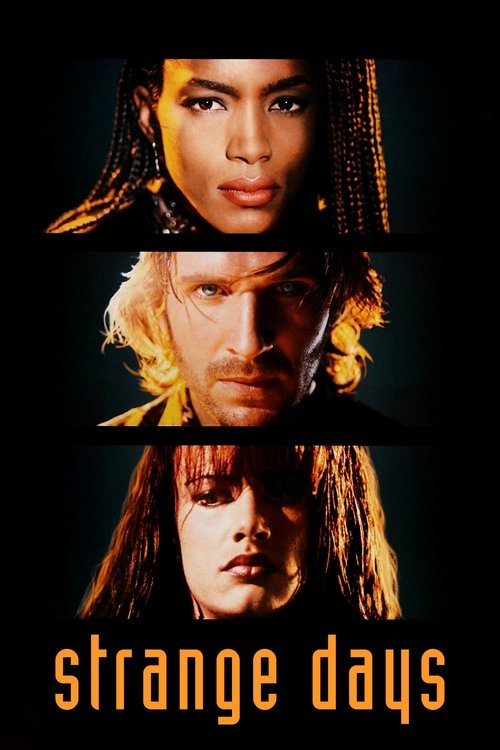
Strange Days1995
A cyberpunk noir about artificial experience and reality fracturing. It's visually prescient, philosophically grounded, and trades Revolutions' spectacle for something murkier and more disturbing.
But Very 90s, very slow-burn, and deeply pessimistic about technology and human nature. Not comforting.
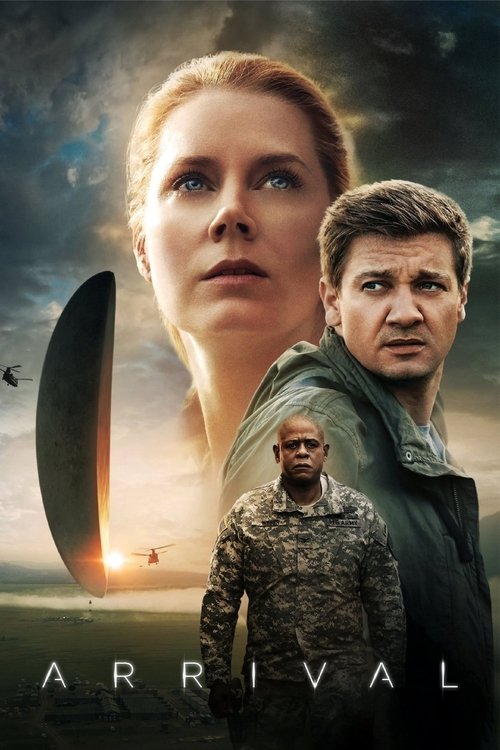
Arrival2016
Both films suggest that true contact with the alien—whether artificial intelligences or extraterrestrials—transforms the one who understands it. Both end not with triumph but with a kind of enlightened resignation.
A science fiction film about communication, time, and sacrifice that's quieter and more devastating than any action sequence. Like Revolutions, it trusts that understanding something changes you fundamentally, and that sometimes victory looks like loss.
But Meditative and cerebral. There are no fight scenes. If you're watching for the spectacle, you'll be bored within ten minutes.
Paprika2006
Both films use science fiction to explore what happens when the boundaries between digital and physical, dream and reality, self and other collapse completely. Both embrace confusion as part of the experience rather than treating it as a failure.
An anime film about reality fractured by technology, dreams invading waking life, and identity dissolving. Revolutions tried to visualize the digital and the real colliding; Paprika does it with pure animation and succeeds where CGI failed. Bewildering, gorgeous, and genuinely disorienting.
But Deliberately surreal and hard to follow. The plot is almost an excuse for visual spectacle. If you need a story you can summarize, you'll struggle.

People
Cast
 Keanu ReevesNeo
 Laurence FishburneMorpheus
 Carrie-Anne MossTrinity
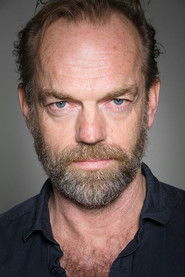 Hugo WeavingAgent Smith
 Jada Pinkett SmithNiobe
 Mary AliceThe Oracle
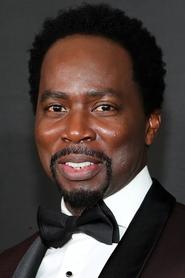 Harold PerrineauLink
 Collin ChouSeraph
 Harry LennixCommander Lock
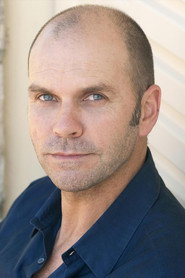 Ian BlissBane
 Lambert WilsonMerovingian
 Bruce SpenceTrainman
Directing
- James McTeigueAssistant Director
- Lana WachowskiDirector
- Lilly WachowskiDirector
- James McTeigueFirst Assistant Director
- Victoria SullivanScript Supervisor
- Claire RichardsonSecond Assistant Director
- Kimble RendallSecond Unit Director
- Toby PeaseSecond Unit First Assistant Director
Writing
- Lana WachowskiCharacters
- Lilly WachowskiCharacters
- Lana WachowskiWriter
- Lilly WachowskiWriter
Production
- Barbara HarrisADR Voice Casting
- Steve RichardsAssociate Producer
- Vicki PopplewellAssociate Producer
- Mali FinnCasting
- Shauna WolifsonCasting
- Daniel R. ChavezExecutive In Charge Of Post Production
- Bill DraperExecutive In Charge Of Production
- Andrew MasonExecutive Producer
- Bruce BermanExecutive Producer
- Grant HillExecutive Producer
- Lana WachowskiExecutive Producer
- Lilly WachowskiExecutive Producer
- Henrie StrideExtras Casting Assistant
- Peter LawlessLocation Manager
- Joel SilverProducer
- Jacqueline KingProduction Coordinator
- Amanda CrittendenProduction Supervisor
- Gerald ScaifeProduction Supervisor
- Grant HillUnit Production Manager
- L. Dean Jones Jr.Unit Production Manager