
Film
Big Fish & Begonia
A Chinese animated fantasy about a magical being who falls in love with a human boy after he saves her life, only to discover that resurrecting him demands a devastating price. Stunningly painted with a dreamlike logic all its own, it's visually sumptuous but narratively oblique—less plot-driven than mood-driven, asking what we owe those we love.
If you liked this
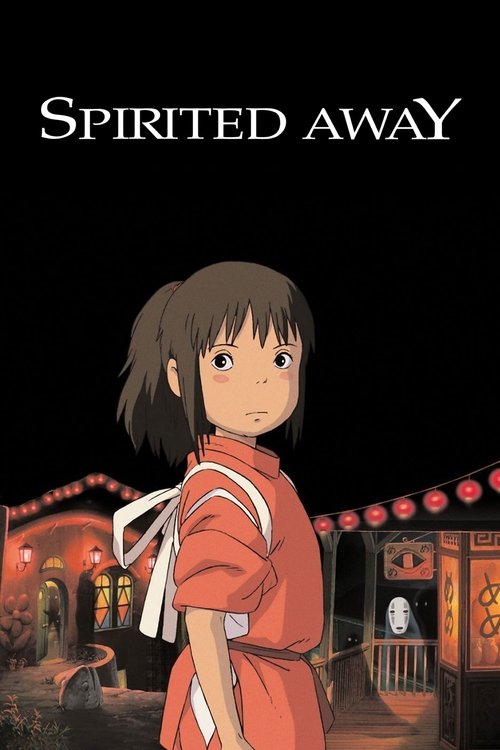
Spirited Away2001
A masterwork about a girl navigating a magical world with rules she must learn as she goes. Like Big Fish, it trusts you to understand through atmosphere and image rather than exposition, and rewards that trust absolutely.
But Nearly two and a half hours, no scene wasted but some viewers find the pacing meditative rather than propulsive. Requires patience.
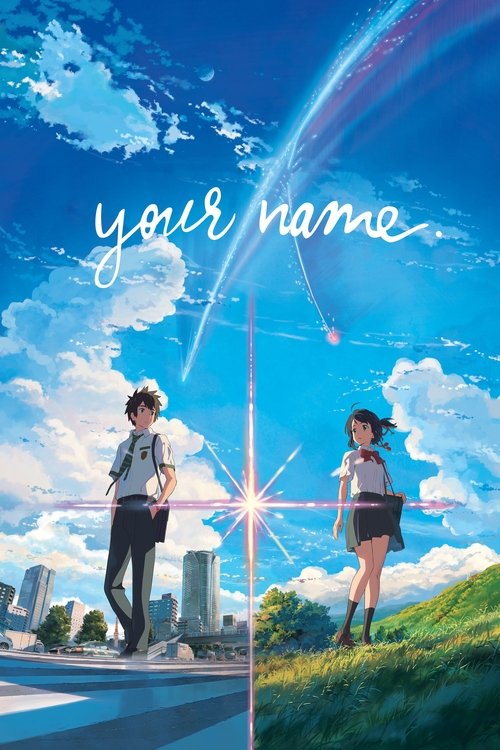
Your Name.2016
Released the same year, this Japanese animated romance also weaves magical realism with devastating emotional stakes. The visual craft is extraordinary and the central conceit—two people mysteriously connected—carries genuine heartbreak.
But The plot is more conventionally satisfying than Big Fish's, which some find comforting and others find predictable. Less ambiguous.
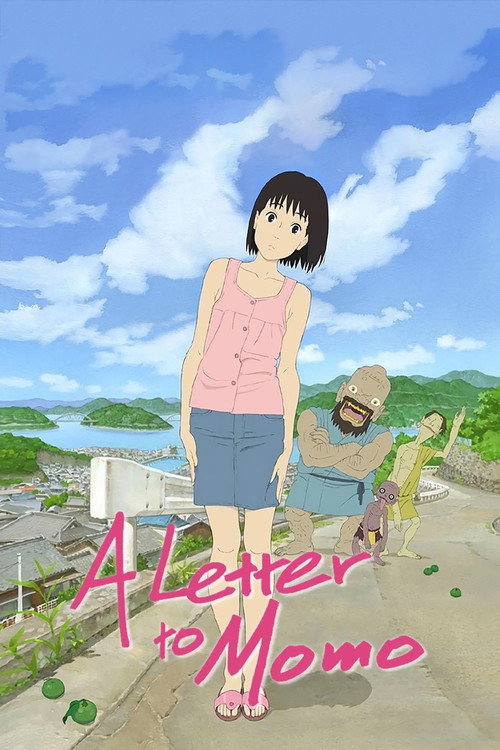
A Letter to Momo2012
A quietly devastating Japanese film about a girl grieving her father's death, visited by supernatural beings. Shares Big Fish's willingness to let magic exist without fully explaining it, and the same tender melancholy about loss and growing up.
But Very slow. Very sad. The animation is lovely but not as vivid as Big Fish. It accumulates power through stillness rather than spectacle.
Not sure tonight? Get a pick in a minute, starting from Big Fish & Begonia
The wildcard
Something you would not have found on your own.
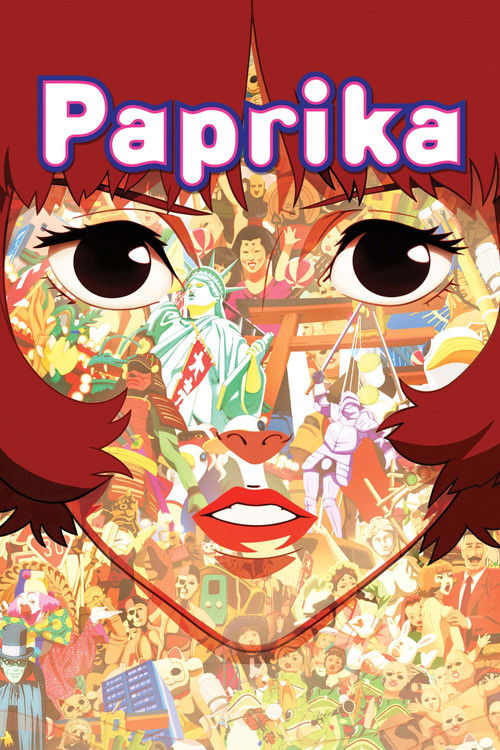
Paprika2006
Both films surrender plot clarity to achieve a more truthful emotional register. Magic here isn't a plot device—it's a language for feelings that realistic storytelling can't quite touch.
Satoshi Kon's acid-trip animation about dreams bleeding into reality. It shares Big Fish's visual logic—impossible physics, emotional truths told through color and movement rather than dialogue, and the same sense that magic operates by dream-rules, not reason.
But Genuinely disorienting. The plot is secondary to the experience, and that experience can feel chaotic. Not a story you watch; it washes over you. Some find that exhausting rather than exhilarating.
More like this (8)
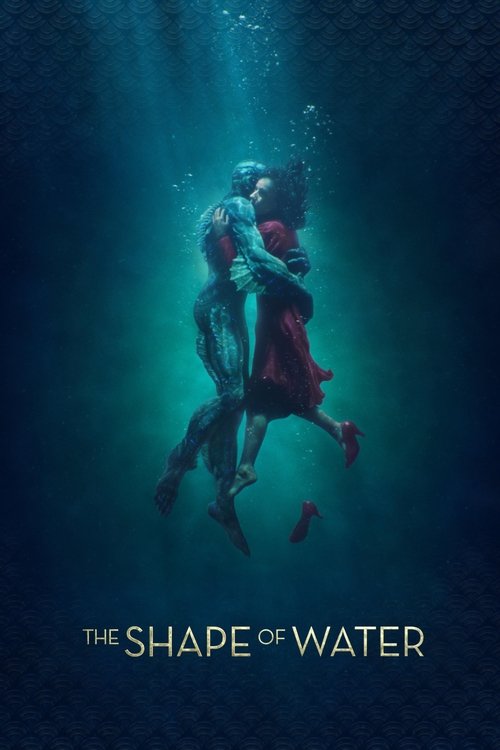
The Shape of Water2017
A live-action film with the same core story: a woman falls in love with a creature from another realm, defying the rules of her world to save him. Guillermo del Toro's visual poetry and the actor's wordless performance create comparable magic.
But It's a different beast—sexier, more overtly political, set in a concrete 1960s rather than a dreamscape. Less mysterious. Easier, in some ways.
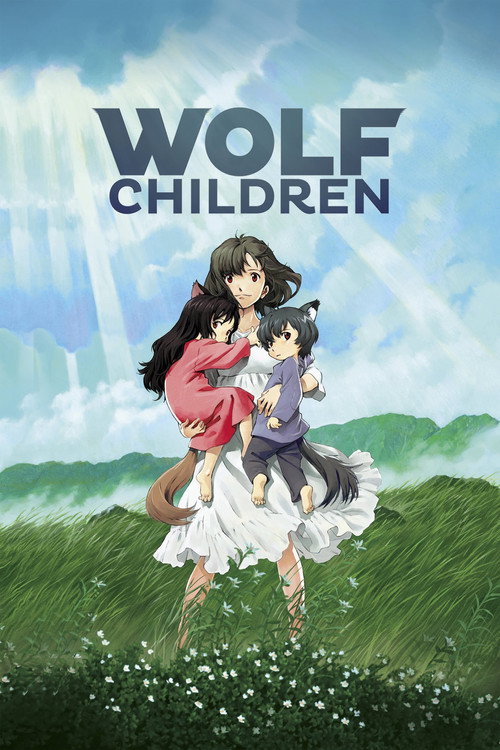
Wolf Children2012
Mamoru Hosoda's masterpiece about a mother raising two children who can transform into wolves. Gorgeously drawn, emotionally mature, and fundamentally about the sacrifices love demands—exactly Big Fish's theme, just from the parent's perspective.
But More grounded than fantastical, which means the magic feels like it matters more. Some find that realism heavier than escapism. No vortex, no cosmic stakes.
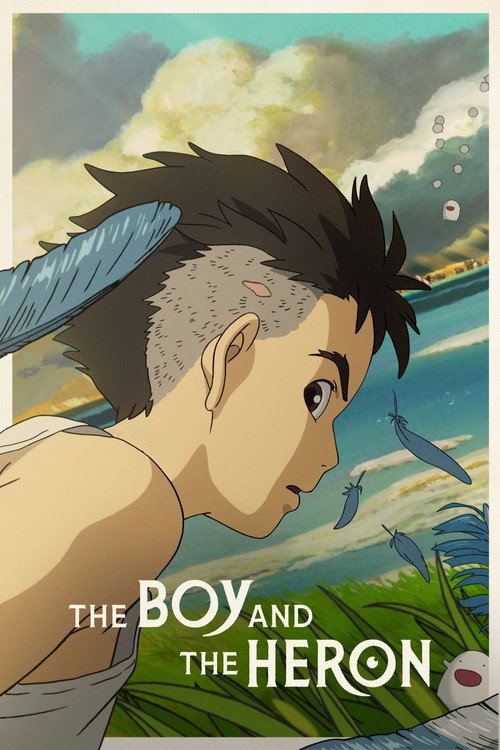
The Boy and the Heron2023
Miyazaki's recent film about a boy entering a magical world to find his mother, animated with astonishing detail. Like Big Fish, it moves between worlds and asks what we're willing to sacrifice for love, with similar visual splendor.
But Deliberately cryptic in ways that some viewers find frustrating. The plot resists easy summary. Requires two viewings to piece together what happened.
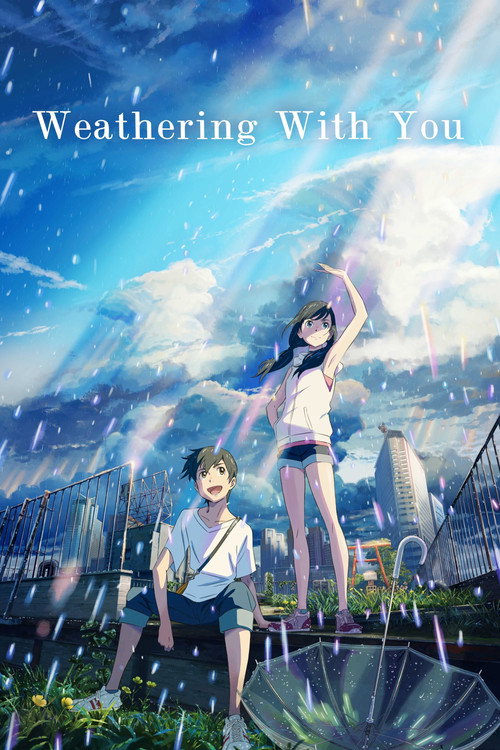
Weathering with You2019
Another Makoto Shinkai romance between humans and the magical. The animation is ravishing, the emotional arc is clear, and it shares Big Fish's obsession with how love disrupts the natural order of things.
But The romance is the whole story. If you're looking for complexity beyond 'they love each other,' you'll feel the seams. Prettier than deep.
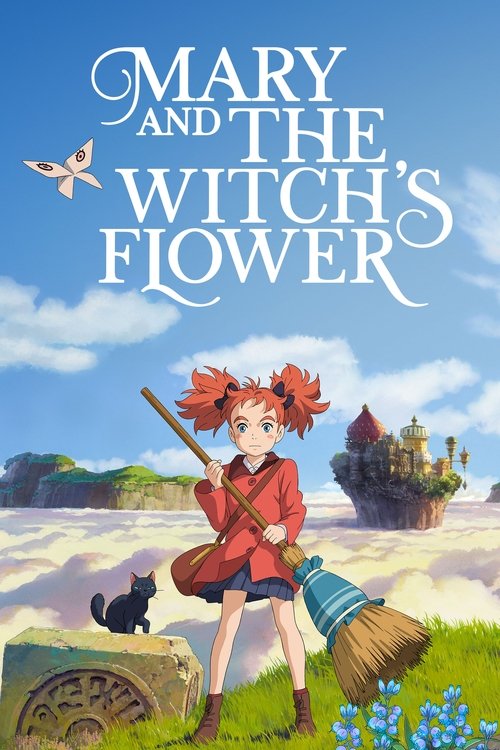
Mary and The Witch's Flower2017
A Studio Ponoc film (staffed with ex-Studio Ghibli animators) about a girl discovering magic. Lighter in tone than Big Fish but with comparable visual richness and the same sense of wonder about worlds just beyond our own.
But Significantly less emotionally complex. It's a fun adventure rather than a meditation on sacrifice and love. Shorter and breezier than you might want.
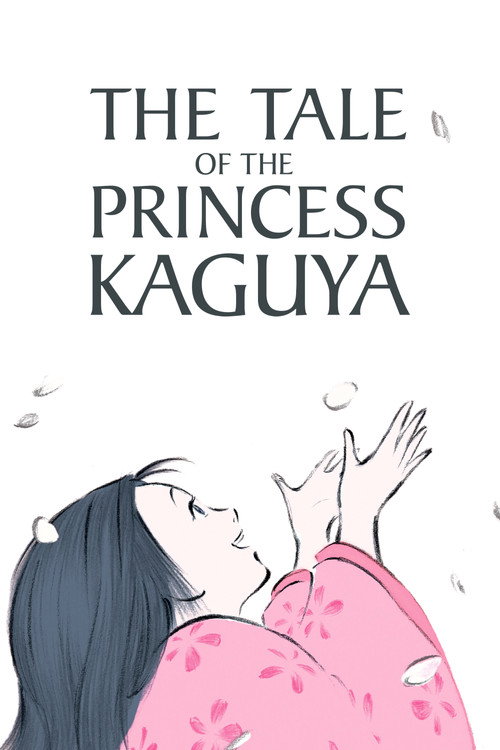
The Tale of The Princess Kaguya2013
Isao Takahata's final film, a Japanese legend about a girl who falls to Earth and must eventually return to the moon. The watercolor animation is singular, and it's another story about the cost of love across worlds, told with devastating grace.
But Slower and more contemplative than most animation. The hand-drawn, sketchy style won't appeal if you prefer finish and polish. Some find it too sad to revisit.
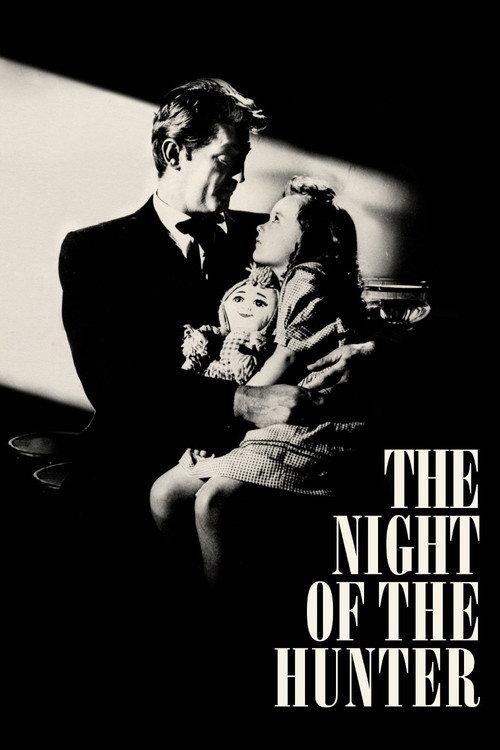
The Night of the Hunter1955
Both films are rooted in fairy tale structure rather than screenplay logic. The rules are those of old stories—sacrifice, transformation, the dangerous kindness of strangers—not realistic cause-and-effect. Both understand that folk tales tell truths realism misses.
Charles Laughton's one directed film, a noir fairy tale where a preacher pursues two children. Filmed like a Grimm Brothers story in black-and-white—Big Fish's spiritual ancestor, really. Same marriage of danger and beauty, same willingness to let folk-tale logic override realism.
But Made in 1955, in black-and-white, with theatrical performances that some find hammy. Terrifying rather than comforting, and the pacing won't satisfy modern expectations of plot momentum. Unsettling in ways that feel dated to some.
A Thousand And One Nights in Bohemia2011
Both films use animation to access emotional territories that live-action can't reach. Both are willing to let the logic of images (a hand reaching, water swallowing light) carry more weight than dialogue. Both understand that love is a kind of magic that costs something real.
A Spanish animated film adapted from Japanese manga, hand-painted, about a boy rescued from slavery and transported to another world. The animation is dreamlike and alive, and it's another story about love disrupting fate—but told sideways, from the perspective of the rescuer rather than the rescued.
But Obscure enough that you'll never have heard of it. Visually rich but narratively simple. The hand-painted style is gorgeous but uneven—some scenes are polished, others deliberately rough. Shorter than you'd want if you're hungry for story.
People
Cast
 Ji GuanlinChun (voice)
 Pan ShulanOld Chun (voice)
 Su ShangqingQiu (voice)
 Timmy XuKun (voice)
 King Shih-chiehLing Po (voice)
- Jiu'erKun's Sister (voice)
- Xang YuanyuanFeng (voice)
- Xue LifangChun's Father (voice)
 AjieZi Chisong (voice)
- Yang TingRat Woman (voice)
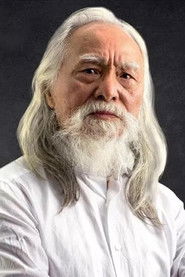 Wang DeshunPie (voice)
Directing
- Liang XuanDirector
- Zhang ChunDirector
Writing
- Liang XuanWriter
Production
- Yoo Jae-myungCo-Producer
- Liang XuanProducer
- Wang ChangtianProducer
- Zhang ChunProducer