
Film
Spin
- Action
- Dip in and out
A five-minute animated short where miniature toy soldiers perform an intricate, balletic choreography under the control of an unseen manipulator. It's a darkly satirical meditation on command, obedience, and the dehumanizing machinery of military hierarchy—told entirely through movement and visual metaphor, with no dialogue. For viewers who appreciate animation as pure form and meaning-making.
Should you watch it?
Watch it if you love animation that makes a single clever visual idea carry the whole thing, and you enjoy satire delivered through movement rather than dialogue.
Skip it if you want characters you can get attached to or a story with emotional build-up, since this is all surface, precision and a sharp point with little interior life.
What it asks of you: It runs only about five minutes, so it asks for a short, undivided glance, and its jabs land faster than they settle, so keep your attention on the motion.
Not sure? Find tonight's pick in a minute.
If you liked this
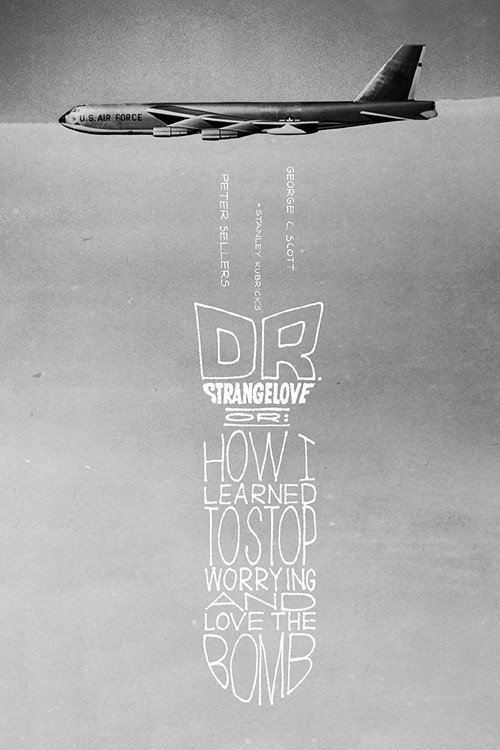
Dr. Strangelove or: How I Learned to Stop Worrying and Love the Bomb1964
Kubrick's masterpiece uses black comedy and visual precision to skewer military absurdity and the logic of total war. Like Spin, it finds horror and satire in the mechanical rituals of power.
But Nearly three hours, heavily reliant on period politics and nuclear-age anxiety. The pacing is glacial by design, which demands patience.
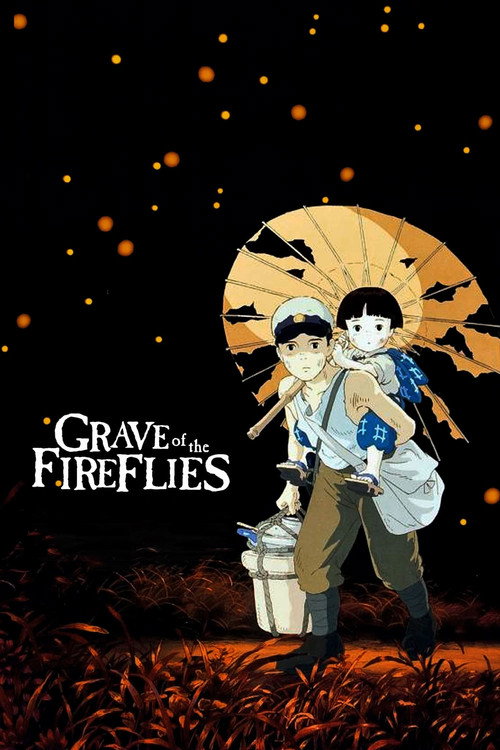
Grave of the Fireflies1988
Studio Ghibli's devastating animated feature transforms childhood and war into something mythic and heartbreaking. Both films use meticulous visual language to convey what words cannot about systems that consume the powerless.
But This is grief and loss in their purest forms. It will wreck you, and not in a cathartic way. Not a viewing to bounce back from.
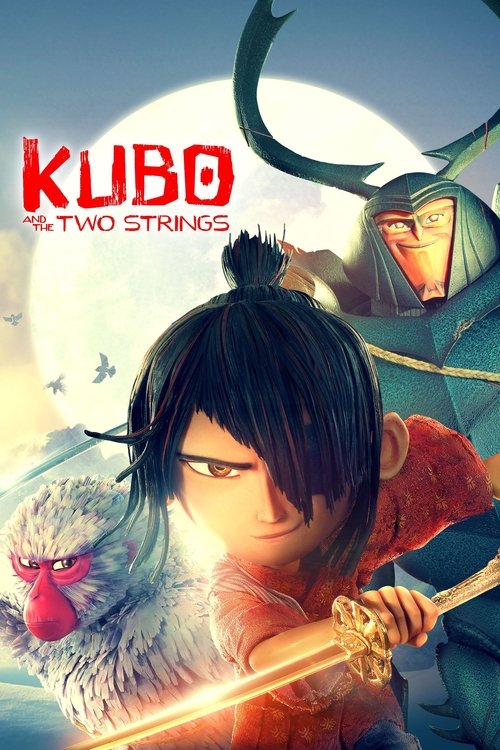
Kubo and the Two Strings2016
Stop-motion animation of extraordinary technical ambition, where every frame is choreographed like a dance. It shares Spin's understanding that animation itself can be a language of control, beauty, and resistance.
But The plot is fairly conventional hero-quest material. If you're coming for innovation in story rather than form, you might find it slight.
Not sure tonight? Get a pick in a minute, starting from Spin
The wildcard
Something you would not have found on your own.
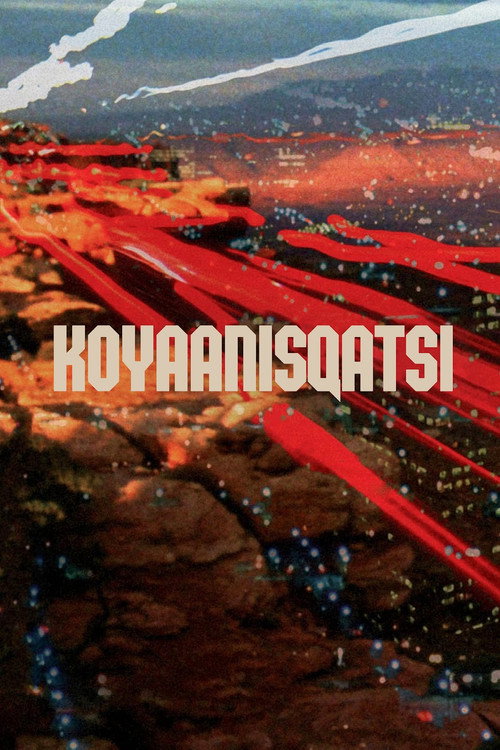
Koyaanisqatsi1983
Both films use movement and repetition as a language to critique systematic behavior—the difference is scale: Spin looks inward at the toy soldier, Koyaanisqatsi looks outward at civilization itself.
Godfrey Reggio's non-narrative experimental film observes human civilization as a system of intricate, accelerating choreography—viewed from outside like Spin's unseen manipulator. No dialogue, pure visual argument about order and entropy.
But Ninety minutes of mostly abstract imagery without plot or characters. If you need narrative or emotional identification, this will feel like punishment rather than cinema.
More like this (8)
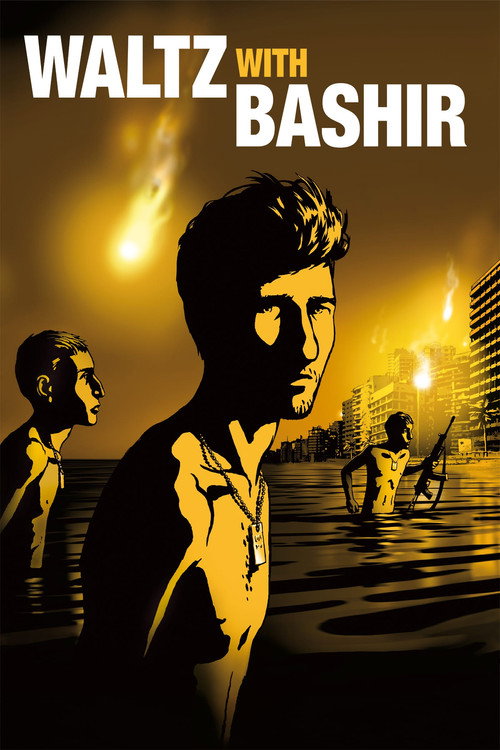
Waltz with Bashir2008
Rotoscoped animation investigating memory, trauma, and military violence. Like Spin, it weaponizes the beauty of movement to ask uncomfortable questions about complicity and command.
But A documentary about the 1982 Lebanon War. If you're looking for escapism rather than historical reckoning, this isn't it.
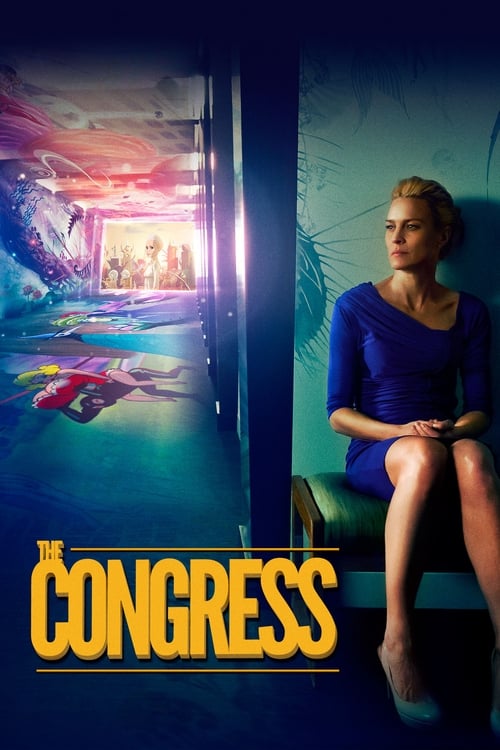
The Congress2013
Ari Folman's surreal, shape-shifting film about performance, control, and the commodification of identity. Shares Spin's fascination with puppetry and the uncanny spaces between the animated and the real.
But Deliberately abstract and often confusing. It resists coherent plot in favor of mood and visual language, which some find pretentious.
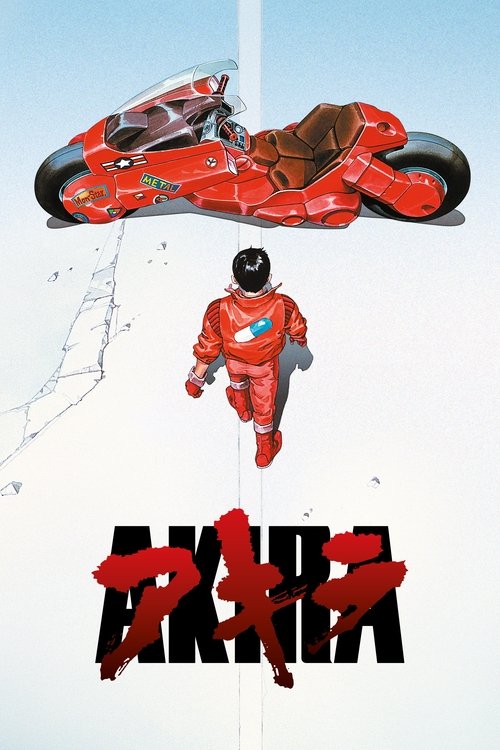
Akira1988
Landmark anime with mechanical precision in both animation and world-building. Its vision of systems of power and individual agency trapped within them echoes through Spin's miniature military.
But The third act veers into abstract sci-fi that many find incomprehensible. Also extremely violent in ways that can feel gratuitous.
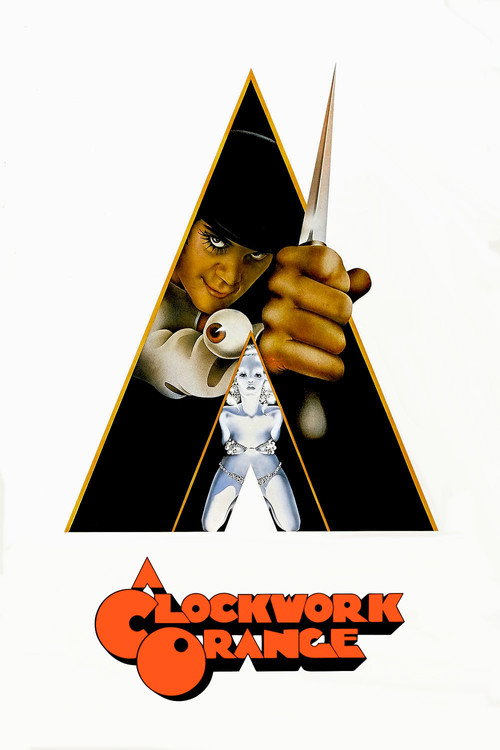
A Clockwork Orange1971
Kubrick again, now examining control through a different lens—the State's attempt to remake the individual through forced conditioning. The choreography of violence mirrors Spin's interest in movement as manipulation.
But Relentlessly bleak and difficult. The sexual violence is graphic and integral to the discomfort, not incidental. This is a film that punishes watching.
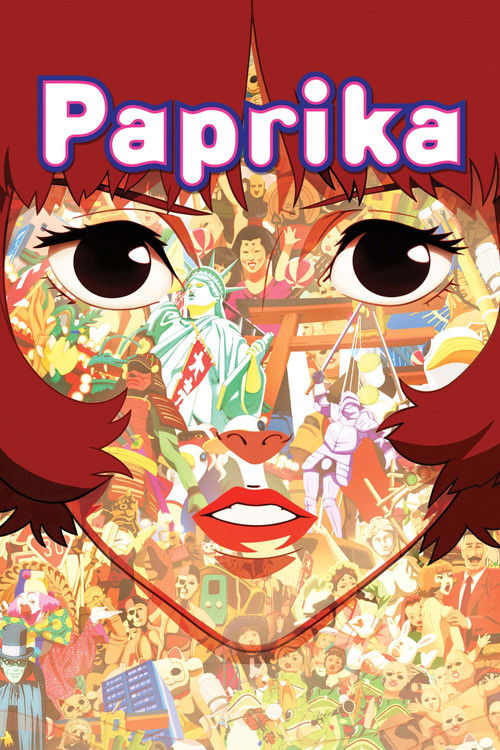
Paprika2006
Satoshi Kon's hallucinatory anime about the collapse of boundaries between dream and reality, control and chaos. Hypnotic animation that moves like Spin's soldiers—determined, precise, yet somehow alive.
But The narrative fractures deliberately and never fully resolves. If you need plot clarity, you'll feel cheated. Also heavily Japanese in its cultural references.
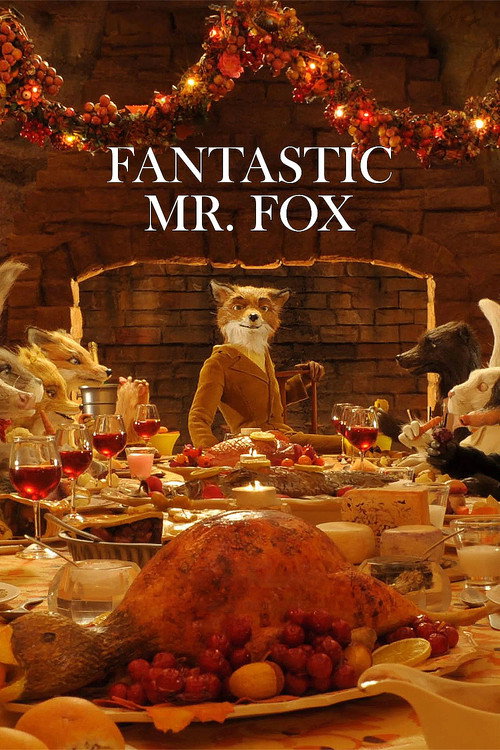
Fantastic Mr. Fox2009
Wes Anderson's stop-motion film uses rigid formal control—symmetrical framing, meticulous design—to tell a story about wildness and defiance. The form and content are in conversation in ways that parallel Spin's concerns.
But Aggressively mannered and twee. If Anderson's aesthetic feels like style overwhelming substance to you, this will confirm it.
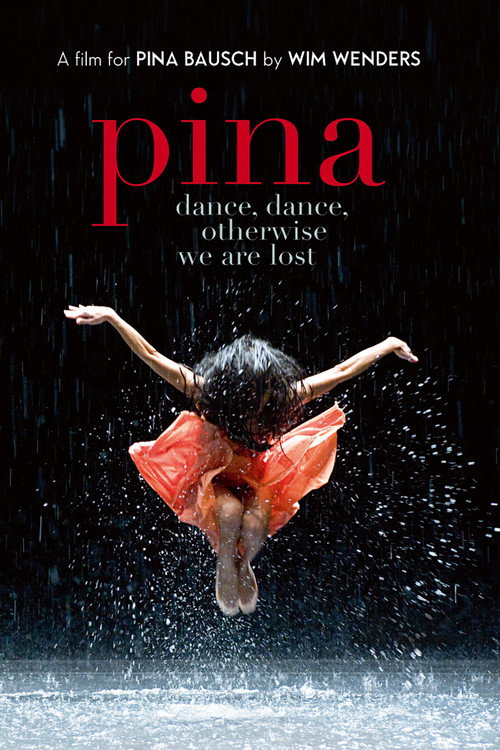
Pina2011
Both are fascinated by the body as text, and what happens when precise physical discipline becomes a language. Spin shows soldiers imprisoned by choreography; Pina shows humans liberated by it.
Wim Wenders' 3D film about choreographer Pina Bausch treats dance as a form of pure meaning-making, with bodies in disciplined motion expressing what cannot be spoken. The mirror image of Spin's rigid soldiers discovering freedom through form.
But It's essentially a documentary-essay about modern dance. If you're indifferent to dance as an art form, the film has very little else to offer you.
Come and See1985
Spin abstracts military violence into formal choreography; Come and See strips away all abstraction to show its cost. Watching both is to understand war twice—once as system, once as flesh.
Elem Klimov's Soviet war film is perhaps cinema's most unflinching account of what war does to a human being. Shot with unbearable realism, it's the emotional opposite of Spin—but both are about how systems consume individuals.
But One of the most difficult films ever made. It depicts atrocities against children with graphic specificity. Not metaphorical, not literary—real suffering rendered in detail designed to break you.

People
Directing
- Max HattlerDirector
Writing
- Max HattlerWriter
Production
- Amiel RouxAdministration
- Elsa ChevallierAdministration
- Noémie JardinAdministration
- Max HattlerAssociate Producer
- Nicolas SchmerkinProducer