
Film
Heavy Traffic
- Coming-of-age
- Strange
Ralph Bakshi's 1973 animated feature is a messy, profane love letter to New York City's underbelly. Part autobiography, part fever dream, it follows a struggling cartoonist navigating his chaotic apartment, street violence, and creative ambition. Drawn in Bakshi's signature rotoscope style—live action traced into animation—it feels like fever, not film. Abrasive, unpolished, unforgettable.
Should you watch it?
Watch it if you want animation that treats the gutter-level underside of city life as raw material, with Bakshi's rotoscoped figures moving through it like a sketchbook come alive.
Skip it if you need your animation cheerful or your comedy clean, because this is crude, sexually frank and sour about nearly everyone in it, and it wears its ugliness on purpose.
What it asks of you: Seventy-seven minutes of episodic, talky wandering through grime, so settle into its rhythm rather than chasing a plot.
Not sure? Find tonight's pick in a minute.
If you liked this
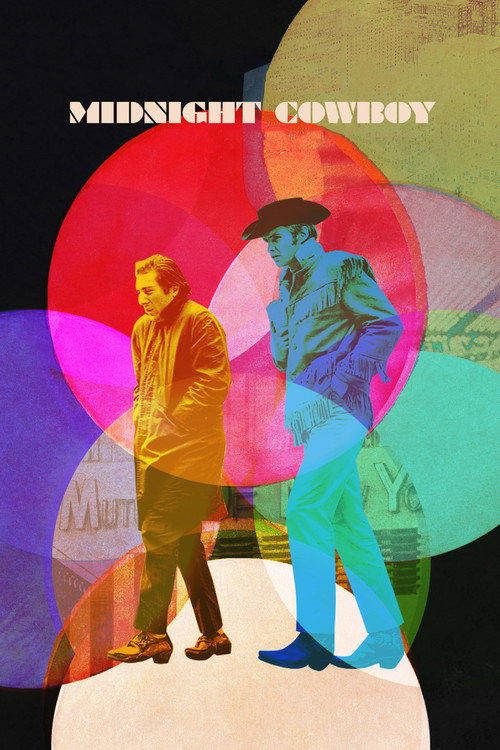
Midnight Cowboy1969
Gritty, unflinching portrait of survival in 1970s New York. Like Heavy Traffic, it finds dark beauty in urban squalor and marginal lives. Midnight Cowboy won Best Picture; it's the bleak foundation Bakshi built on.
But Genuinely depressing throughout. The film doesn't offer escape or easy catharsis—it just shows you how people hurt each other.
Requiem for a Dream2000
Darren Aronofsky's visual assault shares Bakshi's refusal to look away from addiction and desperation. Both films use unconventional animation and editing to make the unwatchable hypnotic. Relentless intensity.
But It's exhausting by design. The film doesn't let you rest, and the ending leaves you hollowed out in a way some viewers find punishing rather than moving.

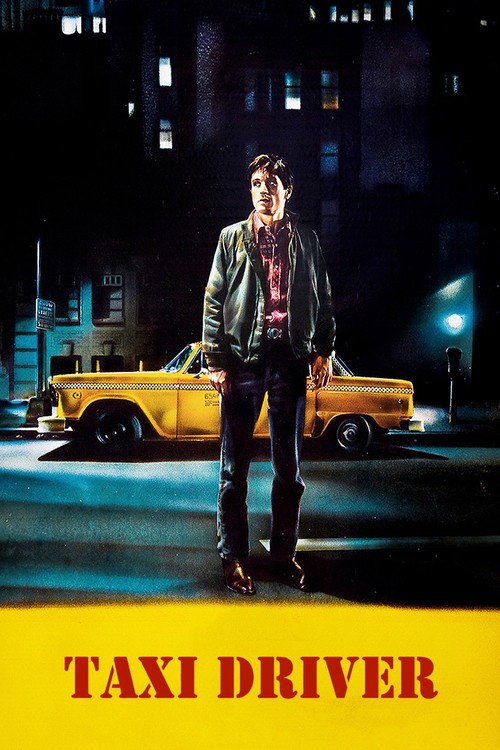
Taxi Driver1976
Scorsese's Travis Bickle and Heavy Traffic's protagonist are spiritual cousins—alienated men documenting a rotting city. Both films have that feverish, subjective quality where New York itself becomes a character in psychological breakdown.
But Slow and interior. If you're looking for plot momentum, this is a character study that demands patience with a man descending into isolation.
Not sure tonight? Get a pick in a minute, starting from Heavy Traffic
The wildcard
Something you would not have found on your own.
Memories of Murder2003
Both films refuse the audience a moral center. The protagonist draws himself into corners; the detective investigates a world that defeats investigation. Both end in exhaustion rather than clarity.
Bong Joon-ho's Korean serial killer procedural seems worlds away from Bakshi's New York chaos, but it shares the same moral murkiness: a film that trusts you to sit with ambiguity and corruption without resolution. Brilliant cinematography captures decay and entrapment.
But Slowburn investigation that won't satisfy if you want answers. The ending is deliberately unsatisfying—it's about systems that fail, not mysteries solved.

More like this (8)
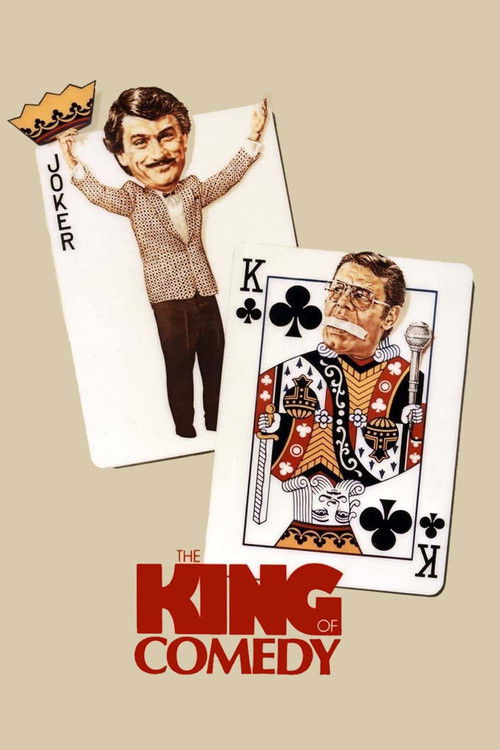
The King of Comedy1982
Another Scorsese vision of obsession and performance in a corrupted New York. Like Heavy Traffic, it's darkly funny about ambition eating itself. The comedy lands different—meaner—but the DNA is there.
But It's uncomfortable by intention. De Niro's Rupert is embarrassing to watch, and the film doesn't let you off the hook for cringing.
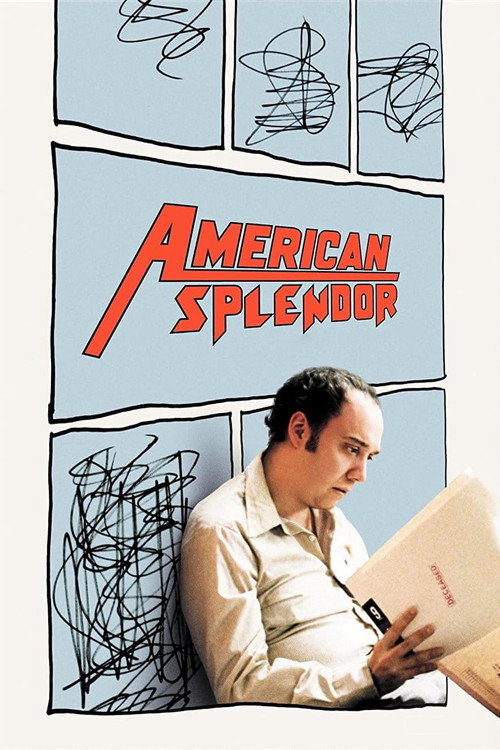
American Splendor2003
Live-action and animated sequences blur together to tell Harvey Pekar's story of a Cleveland file clerk turned comics artist. Same DNA as Heavy Traffic: a blue-collar nobody finding art in his own wreckage. Warmer, funnier.
But The mixing of live-action and animation might feel gimmicky if you're not already invested in Pekar's voice and perspective.
Synecdoche, New York2008
Kaufman's obsessed artist drowning in his own creation has the same delusional grandeur and NYC claustrophobia as Heavy Traffic. Both films are autobiographical nightmares disguised as art-world satire.
But Wilfully difficult and sometimes self-indulgent. The film demands interpretation but doesn't guarantee it rewards you for the work.

Paprika2006
Satoshi Kon's animated fever dream about reality bleeding into fantasy has Heavy Traffic's hallucinatory visual style and its obsession with drawing and creation. Dazzling and grotesque in equal measure.
But The rapid-fire imagery and nested narratives can feel chaotic. You have to surrender to it rather than follow it logically.

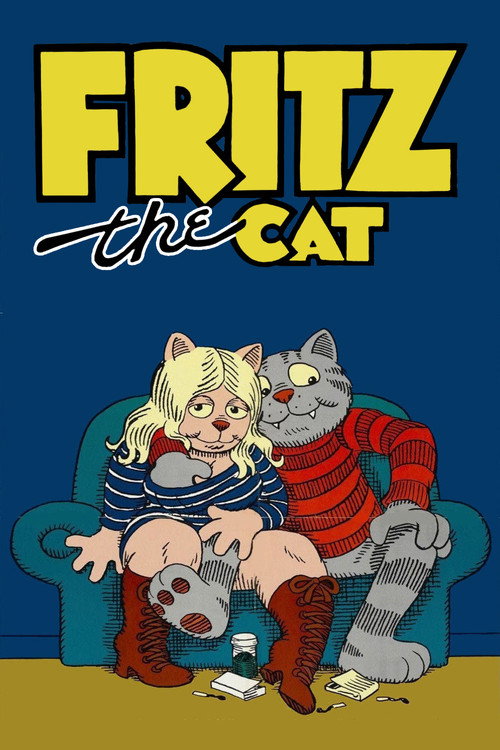
Fritz the Cat1972
Bakshi's own previous film—the first animated feature with an X rating. Same rotoscope technique, same sexual frankness, same New York grime. If you like Heavy Traffic's style, this is its immediate ancestor.
But The sexual content and satirical targets feel dated. The transgression has worn away, leaving what can feel like empty provocation.
Candy1968
Terry Southern's kaleidoscopic satire of American innocence lost. Dark, fragmented, berserk—shares Heavy Traffic's refusal to settle into conventional narrative. Cult classic with genuine weirdness underneath the provocation.
But It's a sixties psychedelic artifact that can feel more exhausting than enlightening. The satire lands unevenly, and length makes repetition a problem.

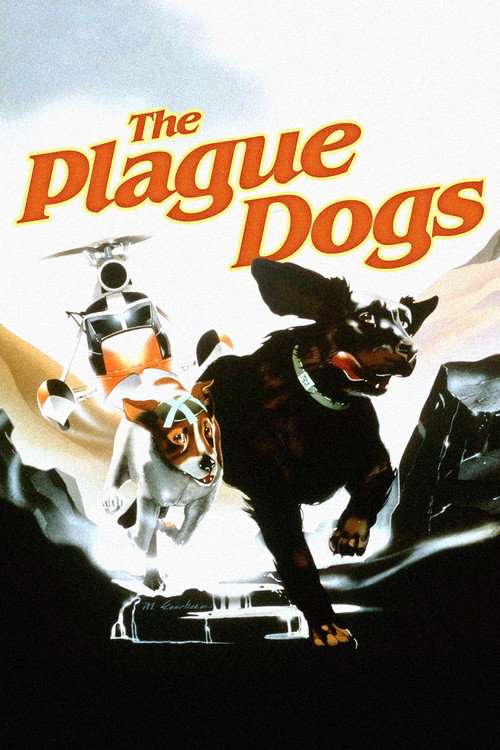
The Plague Dogs1982
Both use animation to document marginalized existence without sentiment. Heavy Traffic's street people and The Plague Dogs' hunted animals are refused dignity and rescue. Both artists trust animation with serious darkness.
Martin Rosen's animated feature about two lab dogs escaping into a hostile English landscape. Haunting, brutal, genuinely tragic—animation treated as a serious medium for adult despair. The rotoscope and hand-drawn work is stunning and desolate.
But It's depressing without any comedic relief. The film doesn't earn its bleakness with wisdom; it's just bleak. Also, animal suffering is a core theme—that's a hard watch.
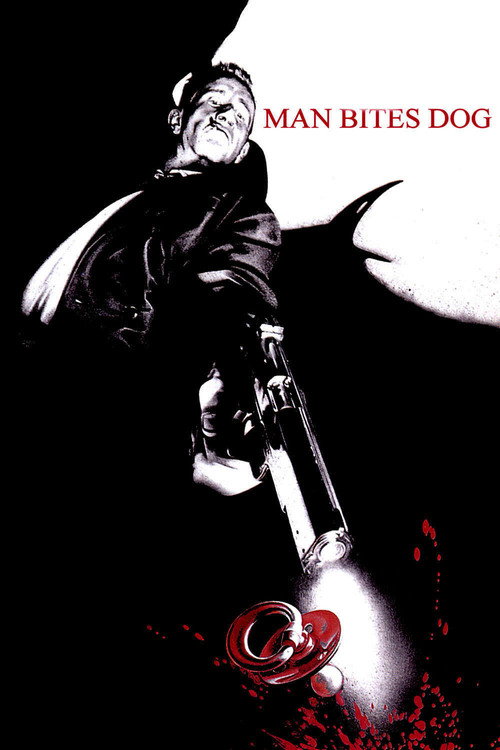
Man Bites Dog1992
Both are multimedia essays on the corruption of the observer. Bakshi draws what he sees; the Belgian film documents what it sees. Both argue that bearing witness to depravity taints the witness. The medium itself becomes complicit.
This Belgian mockumentary is a serial killer filmed as he commits murders, narrated by a documentary crew losing their morality. It's obscene, blackly funny, and structurally brilliant. Raw video aesthetic makes it feel contaminated, like Heavy Traffic's rotoscope.
But It's vile by calculation. The comedy comes from atrocity, and if you're looking for distance or moral judgment, the film offers none. Some viewers find it exploitative rather than satirical.
People
Cast
- Joseph KaufmannMichael Corleone
 Beverly Hope AtkinsonCarole
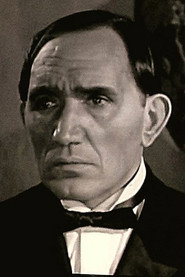 Frank De KovaAngelo "Angie" Corleone (voice)
- Terry HavenIda Corleone (voice)
 Mary Dean LauriaMolly (voice)
- Jacqueline MillsRosalyn Schecter (voice)
- Lillian AdamsRosa (voice)
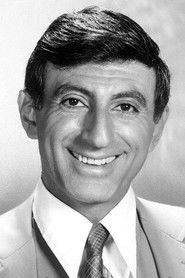 Jamie FarrArcade Owner
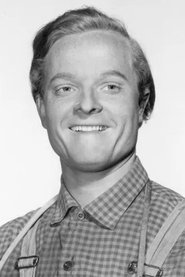
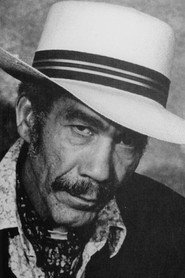 Charles GordoneCrazy Moe (voice)
 Michael Brandon(voice)
- Morton Lewis(voice)
Directing
- Ralph BakshiDirector
Writing
- Ralph BakshiScreenplay
Production
- Samuel Z. ArkoffProducer
- Steve KrantzProducer