
Film
Cosmopolis
Cosmopolis is David Cronenberg's deliberately strange, deliberately slow dissection of wealth, desire, and digital detachment. Robert Pattinson glides through Manhattan in a limousine while the city riots outside, having increasingly surreal conversations about money, sex, and mortality. It's hypnotic and alienating—a film that makes you feel the walls of a moving car, the weight of being untouchable. Not for everyone. Absolutely for the right person.
If you liked this
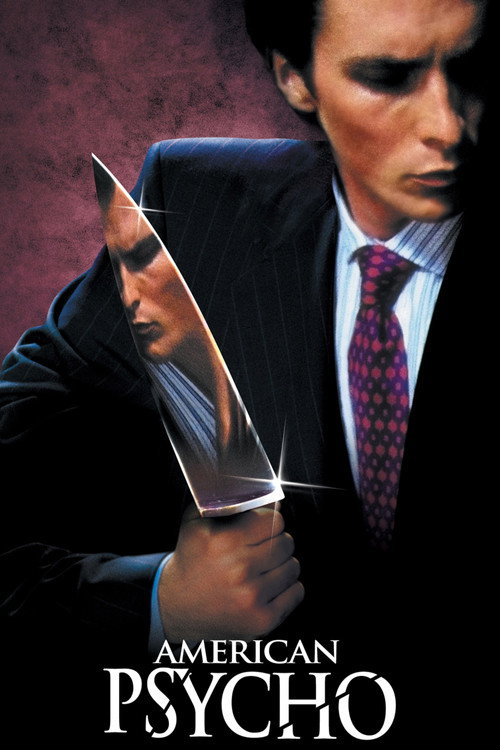
American Psycho2000
A savage portrait of a man so hollow that wealth and status are indistinguishable from performance and violence. Like Cosmopolis, it's obsessed with surface, money, and the void underneath. Sharper and darker.
But The satire is broad enough that it can feel obvious in places. Some find the protagonist too repellent to care about, even as a mirror.
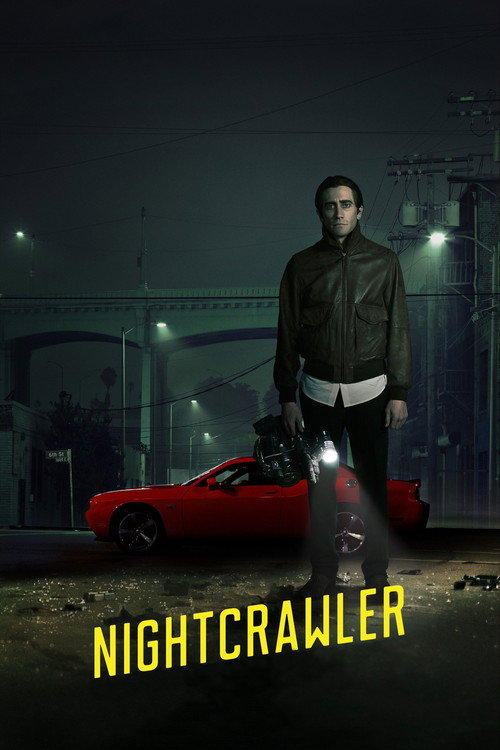
Nightcrawler2014
Jake Gyllenhaal as a man seduced by profit and spectacle, climbing and climbing until morality is invisible. It has Cosmopolis's fascination with how wealth and ambition calcify the soul, but in a way that feels urgent and modern.
But Relentlessly dark and claustrophobic. If you want catharsis or a comeuppance that lands, this will frustrate you.
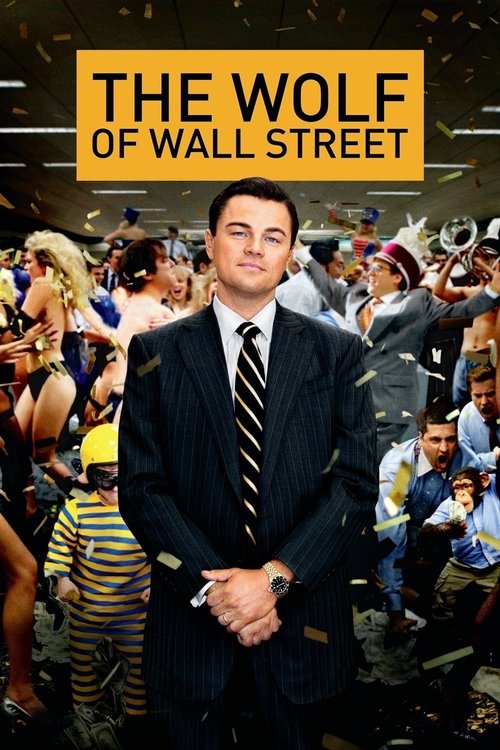
The Wolf of Wall Street2013
Scorsese's companion piece to Cosmopolis—also about a young billionaire in a bubble, also about the intoxication and rot of money. But where Cosmopolis is ice, this is fire. Both are essential.
But Three hours of excess can feel like excess itself. Some find it glorifies the very thing it's meant to critique.
Not sure tonight? Get a pick in a minute, starting from Cosmopolis
The wildcard
Something you would not have found on your own.
Shame2011
Both are films about wealthy men moving through cities, increasingly untethered from reality, their isolation rendered through precise, cold observation rather than melodrama.
Steve McQueen's portrait of a man whose wealth isolates him in plain sight, moving through Manhattan in a state of sexual and emotional compulsion. Like Cosmopolis, it's a film about untouchability, watching rather than connecting, the gap between surfaces and interior life.
But Sexually explicit and unflinching about addiction and emptiness. Relentlessly depressing. McQueen offers no redemption, no escape.

More like this (8)
Under the Skin2014
Like Cosmopolis, a film about an inhuman entity moving through a human landscape, observing and consuming. Hypnotic, opaque, more interested in mood and surfaces than plot. Haunting in a way that lingers for days.
But Very little happens. If you need narrative momentum or clarity, you will feel robbed.

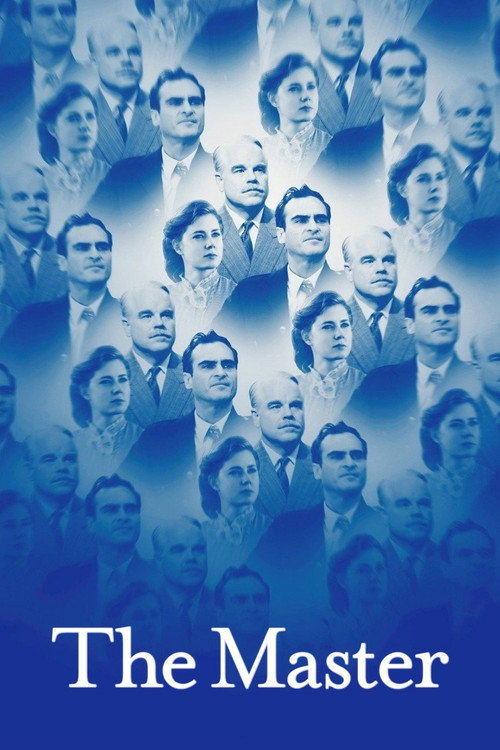
The Master2012
Two men in a room—or a car—locked in conversation and psychological warfare. Paul Thomas Anderson shares Cronenberg's interest in proximity as a form of control. Richly composed and deeply unsettling.
But It's about control and will rather than plot. The ending is deliberately unresolved. Some see genius; others see opacity masquerading as depth.
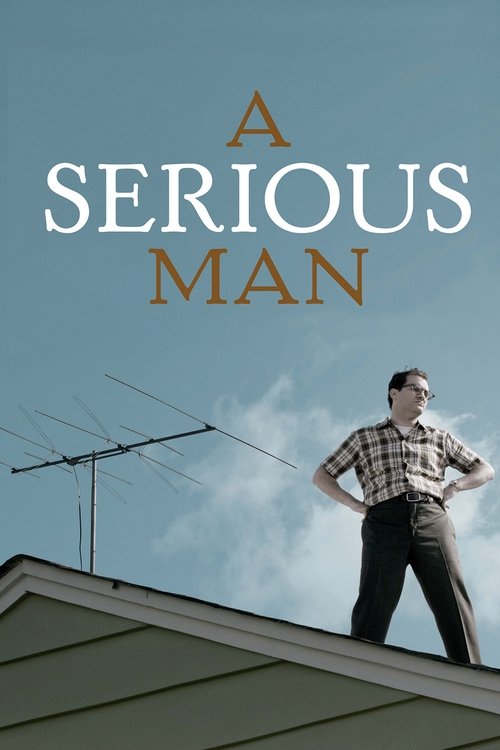
A Serious Man2009
The Coen Brothers turn a man's life into a fever dream where nothing connects and everything costs money. Cosmopolis has a similar sense of contemporary dread and absurdity, though this one is funny where Cosmopolis is cold.
But Bleak and fragmented, with a nihilistic streak that can feel punishing rather than illuminating.
Synecdoche, New York2008
Charlie Kaufman's chamber piece about a man trapped in his own architecture, unable to distinguish self from world. Like Cosmopolis, it's obsessed with surfaces, mortality, and the impossibility of connection through wealth or control.
But Deliberately confusing and symbolically dense. If you prefer clarity, you will find it exhausting.

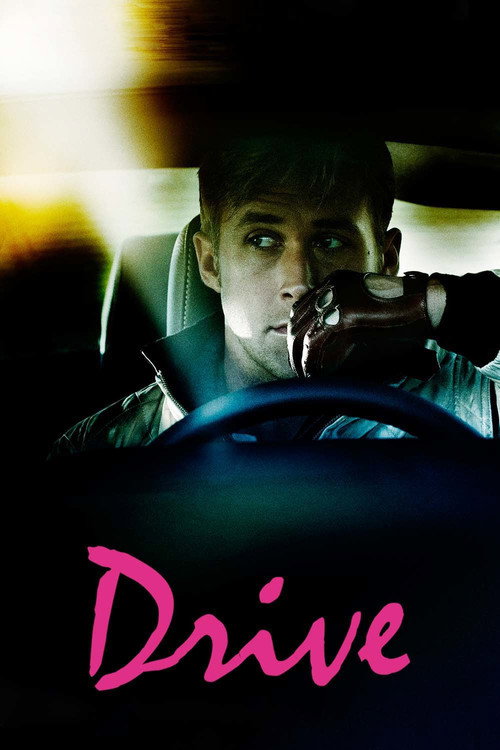
Drive2011
A film about isolation and surfaces, where a quiet man in a car observes the city. It shares Cronenberg's belief that style IS content, and that silence can speak louder than dialogue. Meditative and precise.
But Almost nothing happens for long stretches. The violence, when it comes, is sudden and brutal in ways that feel jarring.
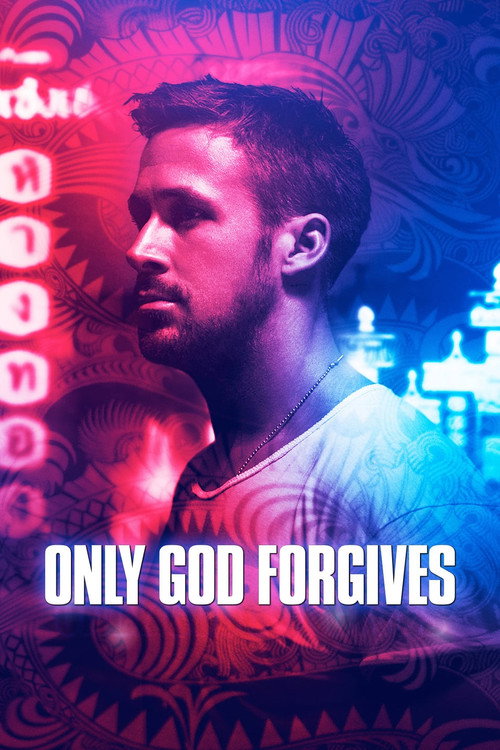
Only God Forgives2013
Nicolas Winding Refn's neon-soaked descent into a man's moral collapse. Another film about a wealthy man in a car, slowly losing his humanity. Visually stunning, philosophically bleak, utterly committed to its own strangeness.
But More interested in aesthetics than character. Some find it gorgeous; others find it empty.
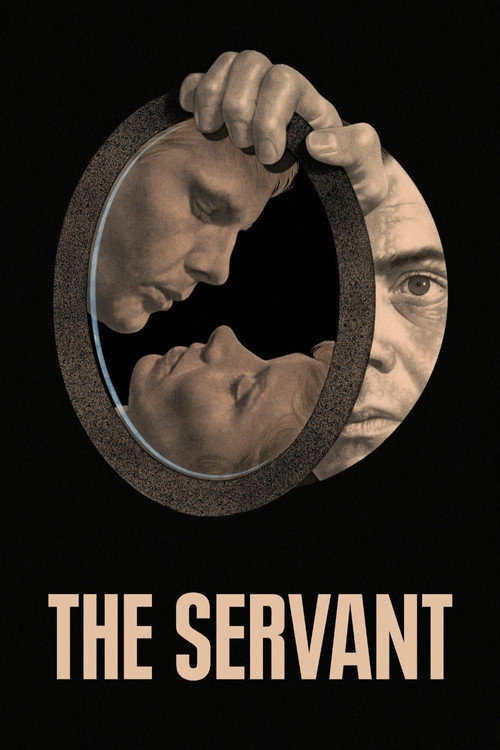
The Servant1963
Both films use confined spaces and servant-master dynamics to anatomize how wealth corrupts and imprisons. Both suggest that money is less about buying things than about control.
Joseph Losey's 1960s masterpiece about power, servitude, and the sexual currents beneath wealth. It prefigures everything Cronenberg does in Cosmopolis—the way money and desire become indistinguishable, the way a confined space (a townhouse, a limo) becomes a psychic battlefield.
But Made in black and white in 1963, it moves slowly and assumes patience. The sexual subtext is there in glances rather than acts.
Requiem for a Dream2000
Both films use New York as a character, and both are obsessed with how desire—for money, for connection, for escape—becomes a form of death in slow motion.
Darren Aronofsky's descent into compulsion and appetite—money, sex, drugs, food, attention. Like Cosmopolis, it's a film about people trapped in the logic of desire, moving in parallel but never connecting, the city as both promise and prison.
But Viscerally disturbing and formally punishing. The editing is relentless. It's meant to be difficult to watch, and it succeeds completely.

People
Cast
 Robert PattinsonEric Packer
 Juliette BinocheDidi Fancher
 Sarah GadonElise Shifrin
 Mathieu AmalricAndré Petrescu
 Jay BaruchelShiner
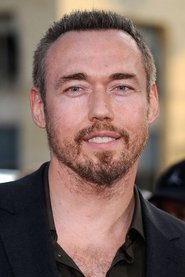 Kevin DurandTorval
 K'naanBrutha Fez
 Emily HampshireJane Melman
 Samantha MortonVija Kinsky
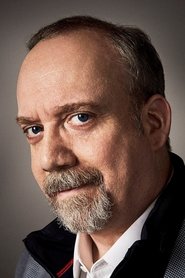 Paul GiamattiBenno Levin
 Patricia McKenzieKendra Hays
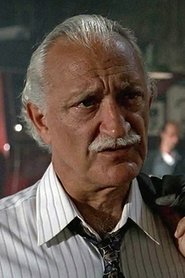 George TouliatosAnthony Adubato
Directing
- David CronenbergDirector
- Walter GasparovicFirst Assistant Director
- Dug RotsteinScript Supervisor
- Jack BoemSecond Assistant Director
Writing
- Don DeLilloNovel
- David CronenbergScreenplay
Production
- Zameret KleimanBackground Casting Director
- Deirdre BowenCasting
- Tovah SmallCasting Assistant
- Christopher RichardsCasting Associate
- Edouard CarmignacExecutive Producer
- Grégoire MelinExecutive Producer
- Renee TabExecutive Producer
- Walter GasparovicExecutive Producer
- Richard HughesLocation Manager
- David CronenbergProducer
- Martin KatzProducer
- Paulo BrancoProducer
- John GaskinProduction Accountant
- Joseph BocciaProduction Manager
- Melissa GirottiProduction Supervisor