
Film
Sin City: A Dame to Kill For
Sin City: A Dame to Kill For is a stylized noir thriller that weaponizes black-and-white cinematography and graphic novel visuals to tell interconnected stories of betrayal, lust, and violence in a corrupt metropolis. It's visually intoxicating and unapologetically pulpy—a film that revels in its own excess. Best for viewers who love hard-boiled storytelling and don't mind their morality murky.
If you liked this
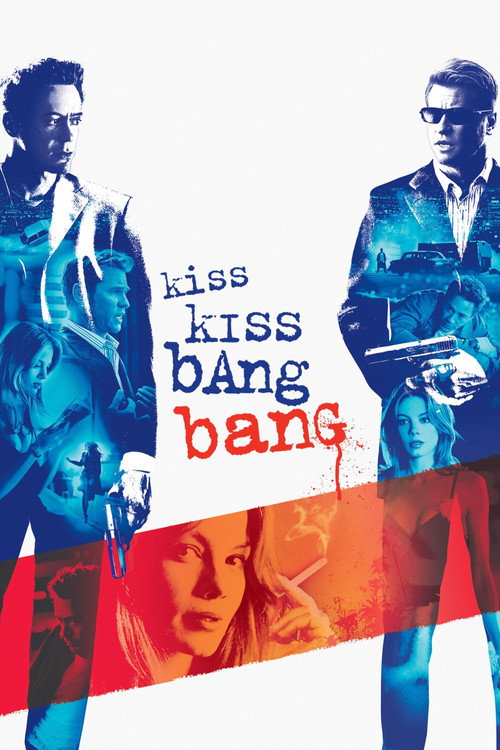
Kiss Kiss Bang Bang2005
Robert Downey Jr. and Val Kilmer bring wicked charm to a noir pastiche that's equally stylish and self-aware. It captures the same playful brutality and genre-bending energy without taking itself too seriously.
But The meta-textual humor and constant winking can feel exhausting if you're looking for something straightforward. Some find it tries too hard to be clever.
Drive2011
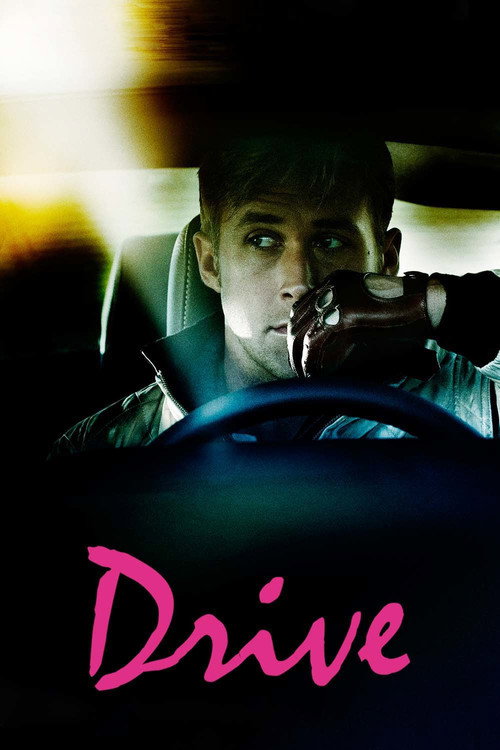
Nicolas Winding Refn creates a neon-soaked neo-noir that's deliberate and hypnotic. Like Sin City, it uses its visual language—silence, color, stillness—to convey menace and mood more effectively than dialogue.
But It moves at a glacial pace with minimal plot. If you want propulsive action and snappy dialogue, this methodical approach might feel pretentious or boring.
Miller's Crossing1990
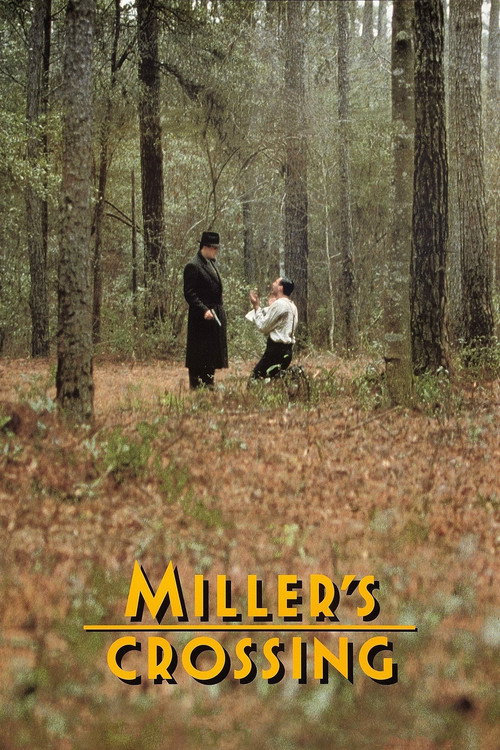
The Coen Brothers craft an intricate 1920s gangster film with visual precision, complex loyalties, and dialogue so punchy it crackles. Every frame is composed like a painting; every line is memorable.
But The plot is genuinely intricate—you need to pay close attention. Some find the stylization distances you emotionally from what should be high-stakes drama.
Not sure tonight? Get a pick in a minute, starting from Sin City: A Dame to Kill For
The wildcard
Something you would not have found on your own.
A Prophet2009
Both are visually composed like graphic novels and use every frame intentionally; both track antiheros who navigate violent hierarchies through cunning and survival. Sin City revels in style; A Prophet uses the same stylistic intensity to explore the soul-crushing costs of that survival.
Jacques Audiard's French-Algerian prison epic uses visual language—lighting, framing, color blocking—as expressively as Sin City does, but in the service of genuine psychological and moral transformation. It's a masterclass in how style can deepen character rather than distance from it.
But It's in French with subtitles. At nearly two and a half hours, it demands patience and complete engagement. It's also profoundly bleak.

More like this (7)
Brick2006
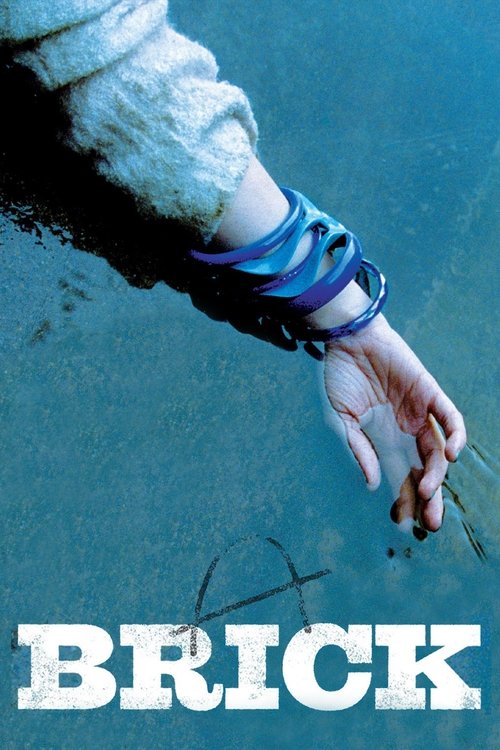
Rian Johnson transports hard-boiled noir dialogue and tropes into a high school setting with complete commitment. It's clever without being arch, violent without being gratuitous, and genuinely moving beneath the style.
But The affectation might feel precious. It's also a puzzle-box mystery that demands engagement; passive viewing leaves you adrift.
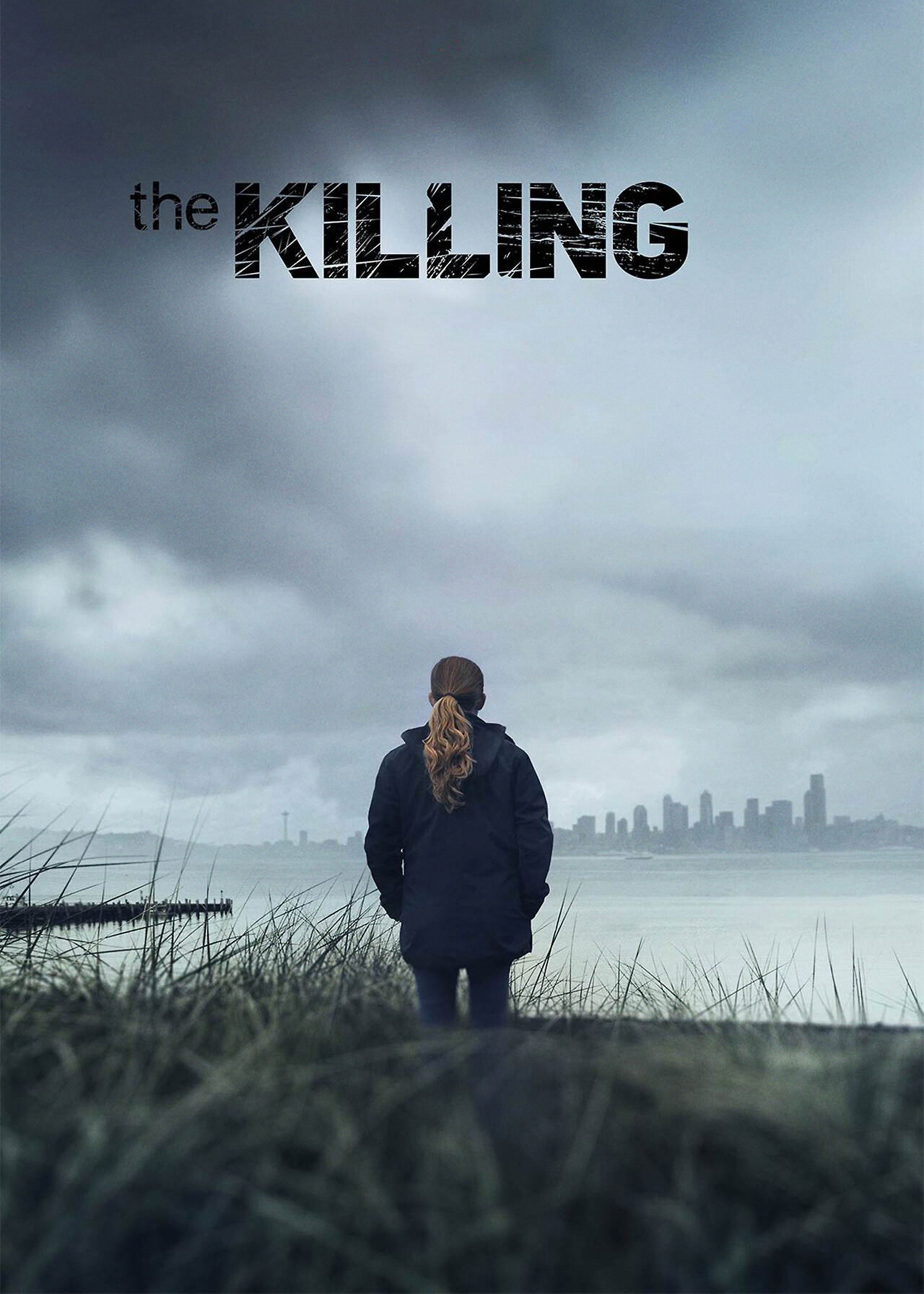
The Killing2011
This Danish crime series builds suffocating dread through meticulous procedural work. Every detail matters; the visual palette is deliberately bleak and grey, creating a moral murk that Sin City explores visually but this explores psychologically.
But It unfolds slowly across multiple seasons. If you prefer immediate gratification and clear resolutions, the glacial pacing and ambiguity will frustrate you.
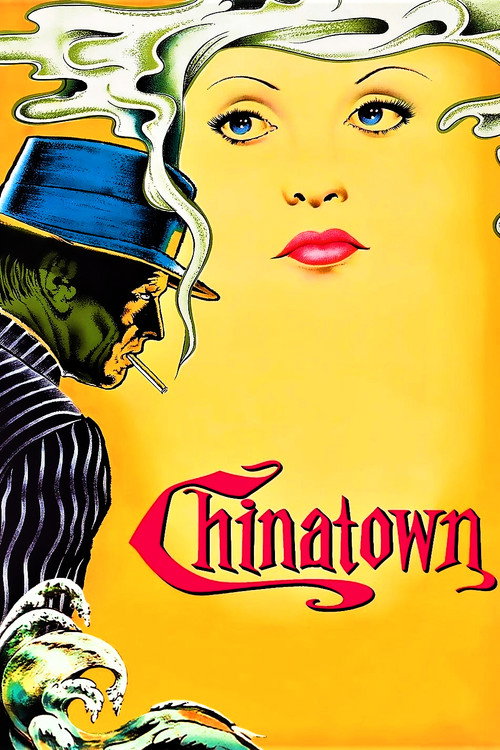
Chinatown1974
Roman Polanski's masterpiece is the ancestor of all neo-noir. Jack Nicholson and Faye Dunaway navigate a corrupt Los Angeles where everyone is compromised and nothing is clean. Perfect plotting, perfect performance.
But It's austere and fatalistic—there's no catharsis, only the slow recognition that the game is rigged. That bleakness can feel oppressive rather than satisfying.
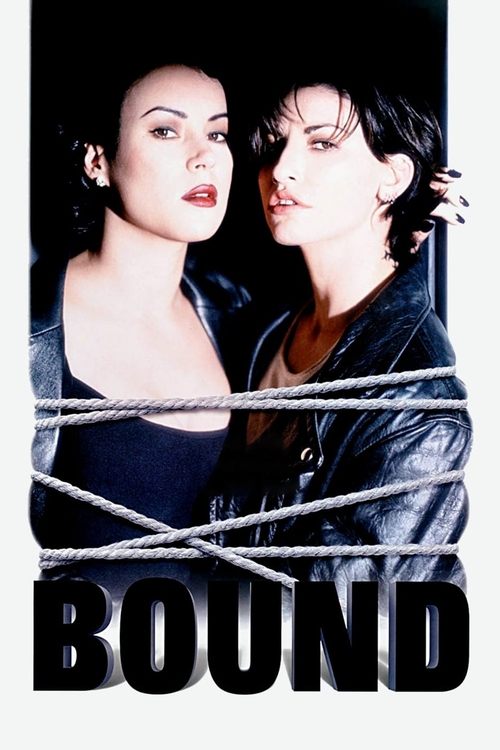
Bound1996
The Wachowskis' debut is a taut, visually inventive lesbian noir heist thriller. It plays with POV, color, and framing to create visual storytelling that's both formally clever and genuinely suspenseful. Criminally underrated.
But It's compact and economical—some want more meat on the bone. The sexual content and morally grey characters put off some viewers.
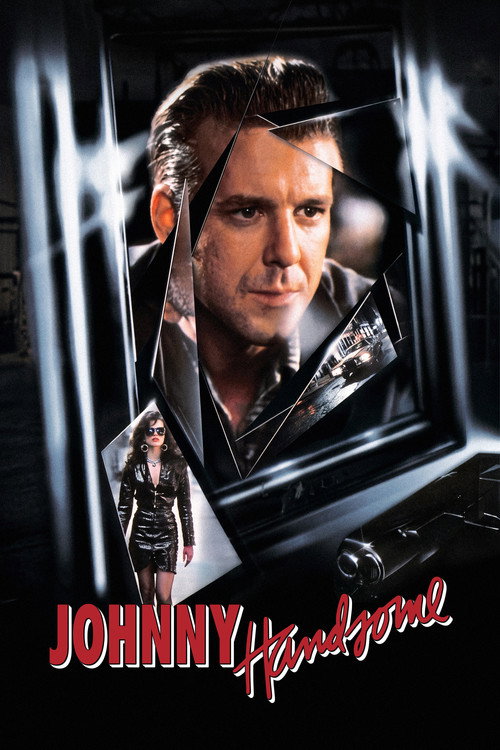
Johnny Handsome1989
Walter Hill directs a stylish revenge noir with Mickey Rourke (who appears in Sin City) as a criminal rebuilt by surgery who infiltrates the gang that wronged him. It's got kinetic energy, strong craft, and genuine personality.
But The premise is pulpy enough that it can veer into unintentional camp. By modern standards it feels dated, and the character work is minimal.
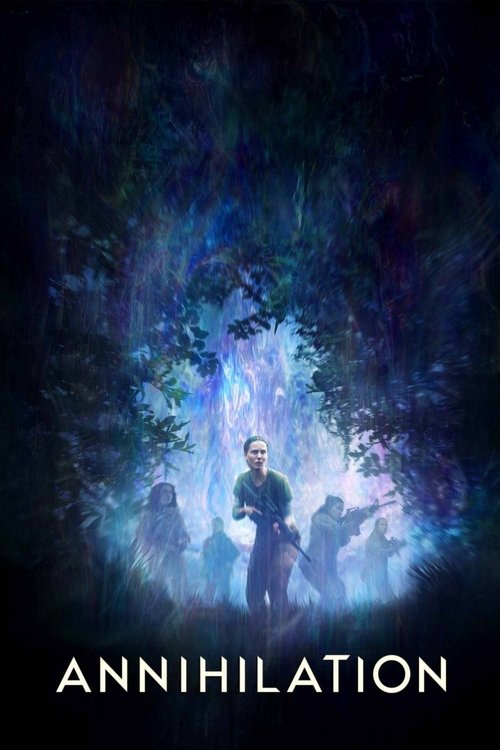
Annihilation2018
Both present visually stunning worlds where danger comes from within as much as without; both feature protagonists trapped by desire and circumstance; both use their distinctive visual language—Sin City's stark chiaroscuro, Annihilation's gorgeous unreality—to externalize internal corruption.
Alex Garland creates a science-fiction noir where a team of women enters an impossible landscape that distorts reality itself. It's gorgeous, hallucinatory, deeply unsettling—style and substance woven so tightly they're inseparable. Hypnotic and strange.
But It's oblique and meditative rather than straightforward. The ending is ambiguous and troubling. People expecting conventional narrative or heroic resolution will find it alienating.
Mulholland Drive2001
Both feature femmes fatales as central forces; both explore betrayal and the cost of desire in corrupt systems; but while Sin City wears its pulp proudly and clearly, Mulholland Drive uses the visual language of noir to investigate the illusory nature of narrative itself—a meta-commentary on the very stories Sin City tells so earnestly.
David Lynch's labyrinthine Hollywood noir deconstructs itself in real time—it's a betrayal story, a love story, and a critique of Hollywood mythology all at once. The cinematography is lush, the performances are devastating, and the narrative collapses in your hands as you watch.
But It's deliberately obscure and structurally fractured. If you watch it expecting a coherent plot, you'll leave angry. It requires and rewards multiple viewings and interpretation.

People
Cast
 Jessica AlbaNancy
 Bruce WillisHartigan
 Mickey RourkeMarv
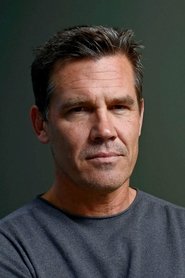 Josh BrolinDwight
 Joseph Gordon-LevittJohnny
 Eva GreenAva
 Rosario DawsonGail
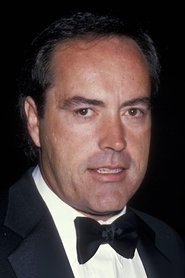 Powers BootheSenator Roark
 Dennis HaysbertManute
 Ray LiottaJoey
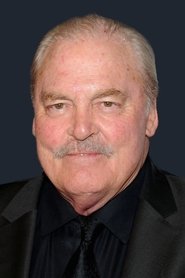 Stacy KeachWallenquist
 Jaime KingGoldie / Wendy
Directing
- Frank MillerDirector
- Robert RodriguezDirector
- Monika PetrilloScript Supervisor
Writing
- Frank MillerWriter
Production
- Mary VernieuCasting
- Bob WeinsteinExecutive Producer
- Frank MillerExecutive Producer
- Harvey WeinsteinExecutive Producer
- Aaron KaufmanProducer
- Alexander RodnyanskyProducer
- Mark C. ManuelProducer
- Robert RodriguezProducer
- Sergey BespalovProducer
- Stephen L'HeureuxProducer
- Nikki TaylorProduction Supervisor