
Film
Payback
Payback is a grimy neo-noir revenge thriller where Mel Gibson's Porter—scarred, broke, furious—works backward through the criminal underworld to punish the wife and partner who shot him and stole his score. It's stylish and vicious, shot in cool blues and grays, with a darkly comic edge. For anyone who wants their action mean-spirited and their hero genuinely unpleasant.
Should you watch it?
Watch it if you like lean revenge thrillers driven by a hard, unsentimental anti-hero and a grimy, nocturnal Chicago-style crime world where the violence is blunt and the wit is dry.
Skip it if you want a character who gets redeemed or a story with tidy moral lessons; this one is nasty, mean-spirited in places, and rough on the ears and nerves with its brutal, repeated beatings.
What it asks of you: It runs a brisk hundred minutes and rarely slows, so you need to be ready for hard edges, a cold protagonist, and violence that lands without much cushioning.
Not sure? Find tonight's pick in a minute.
If you liked this
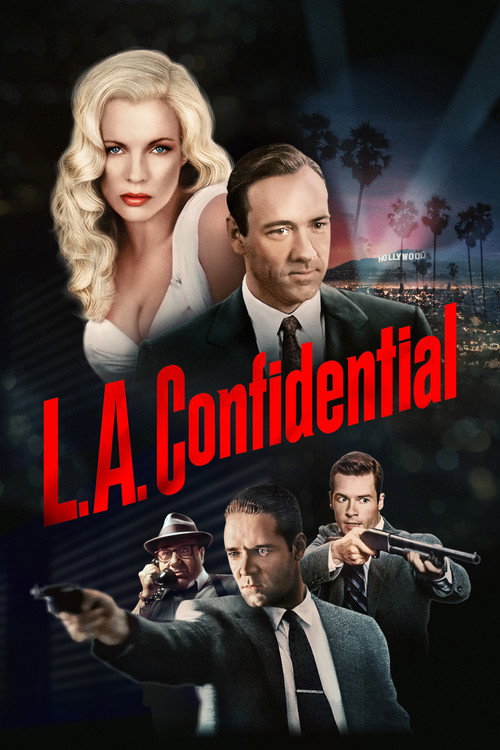
L.A. Confidential1997
Corrupt cops, intricate plotting, and a Los Angeles that feels like a character itself. Shares Payback's blend of noir atmosphere with propulsive thriller momentum and complex moral compromises.
But More ambitious and ensemble-focused than a pure revenge story, which means the pace can feel deliberate where Payback moves like a mugging.
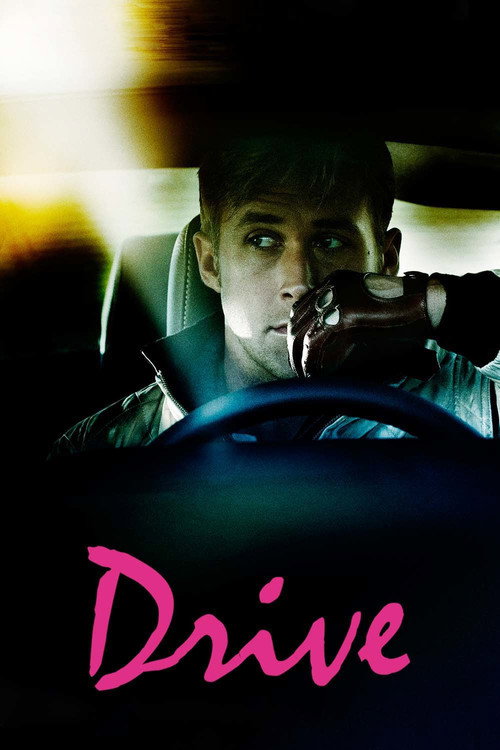
Drive2011
A quiet, driven man exacts terrible violence with surgical precision. Both films treat brutality as consequence, not spectacle, and bathe everything in neon-soaked mood that makes damage feel almost beautiful.
But Slower and more meditative than Payback. Long stretches with minimal dialogue might test your patience if you came for forward momentum.
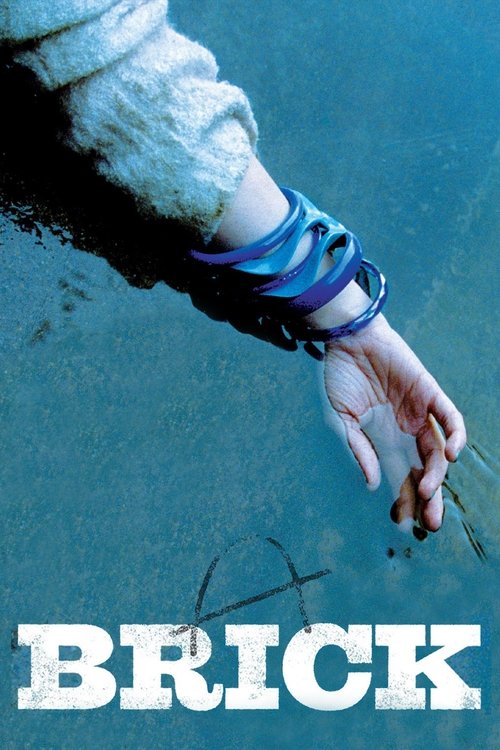
Brick2006
Hard-boiled noir logic transplanted to a high school, told with the same economy and cynicism. If you loved Payback's refusal to soften its protagonist, this offers similar moral ugliness in a wildly different setting.
But Low budget and deliberately mannered dialogue can feel affected. The premise—noir in a school—might sound precious rather than earned.
Not sure tonight? Get a pick in a minute, starting from Payback
The wildcard
Something you would not have found on your own.
In a Lonely Place1950
Both are studies of men who've been damaged by the world and use violence and bitterness as the only language they have left. The difference is Ray's film is about the cost; Payback is about the pleasure of revenge never actually paying what it promises.
Humphrey Bogart as Dixon Steele—charming, talented, violent when threatened. A film noir about a man whose bitterness and rage isolate him, told with such sympathy and honesty that it becomes tragedy. The DNA of every antihero that followed, including Porter.
But Black-and-white, 1950, shot at the pace of a conversation rather than a plot. If you need forward momentum, this will feel like eavesdropping on a man's slow dissolution.

More like this (8)
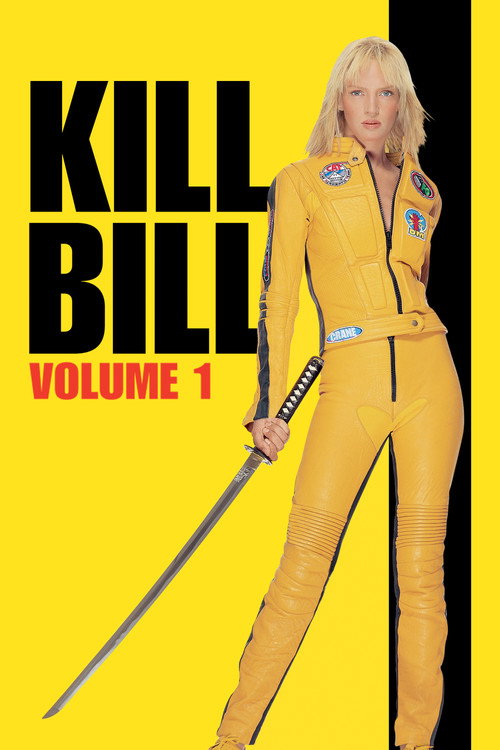
Kill Bill: Vol. 12003
Pure revenge architecture with style to burn. Uma Thurman's vendetta unfolds with the same methodical plotting and sense of cumulative satisfaction that makes Payback hum.
But Tarantino's maximalist approach—anime sequences, tangents, pastiche—is the opposite of Payback's lean mean-ness. Entirely different energy, same goal.
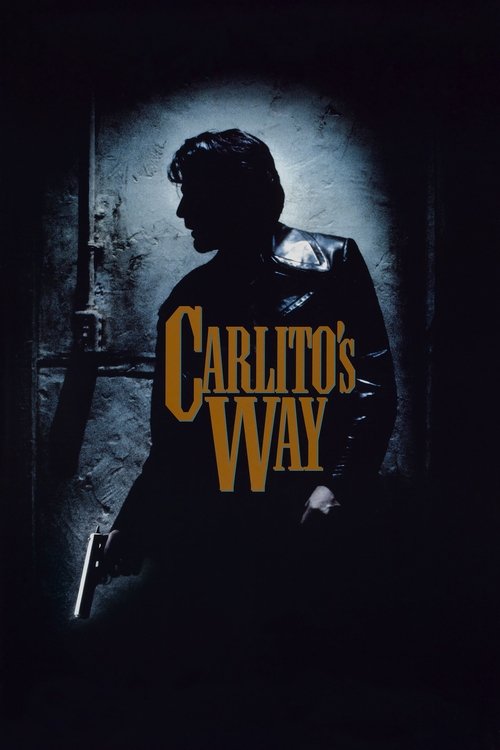
Carlito's Way1993
A career criminal trying to exit the life, betrayed, hunted. Shares Payback's portrait of a man with no good options and a past that won't stop moving. De Palma's direction is gorgeous and tense.
But Longer and more reflective on its protagonist's desires for redemption. If you want cold vengeance rather than complicated yearning, this softens things Porter never would.
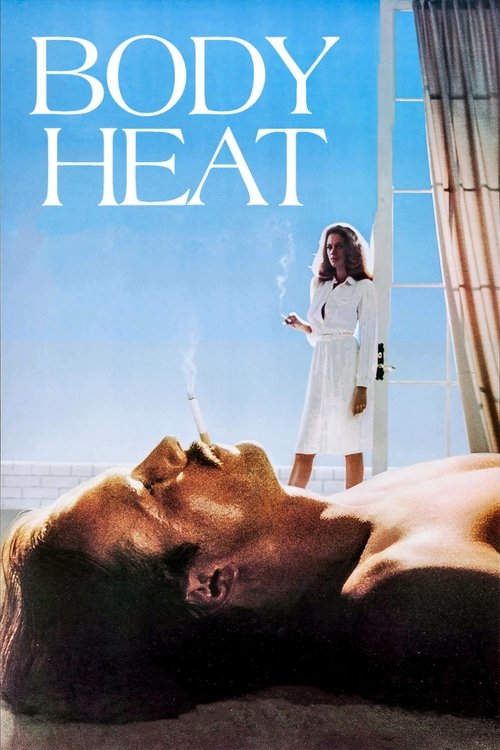
Body Heat1981
Betrayal, lust, and criminal plotting wrapped in Technicolor sexuality and obsession. Both films understand that the real payoff isn't the crime—it's the double-cross and everything that comes after.
But Erotic thriller that moves like foreplay, all tension and innuendo. If you want plot to snap, this deliberately holds back.
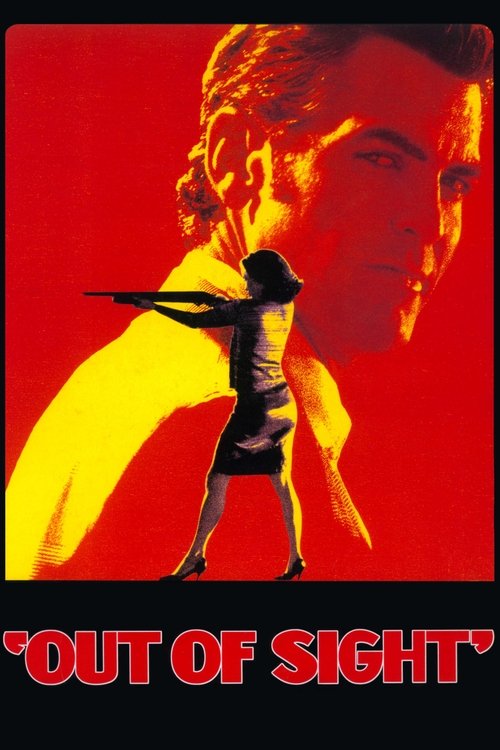
Out of Sight1998
Soderbergh's chic crime caper shares Payback's cool visual style and criminal protagonists with their own codes. Charismatic outlaws moving through the underworld with style and terrible judgment.
But Fundamentally romantic where Payback is bitter. The criminals here are appealing; Porter just makes you uncomfortable, which is kind of the point.
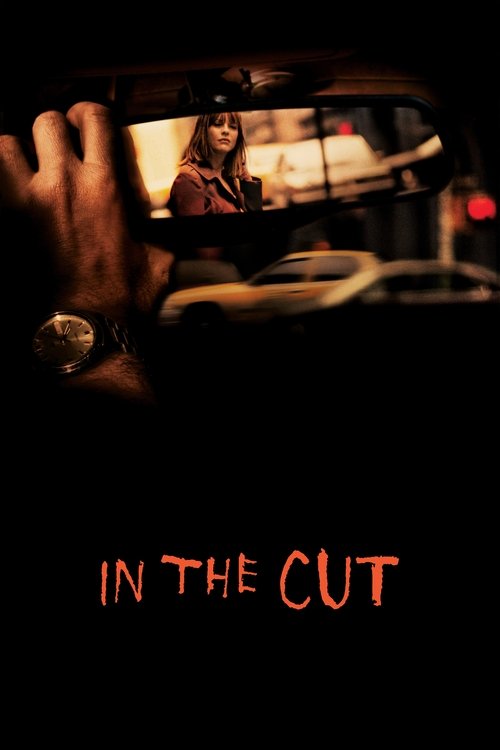
In the Cut2003
A dark, suspicious New York where everyone might be dangerous. Like Payback, it refuses to trust surfaces or pretty things, and wraps ugliness in formally beautiful cinematography.
But Focused inward on paranoia and gender politics rather than plot. Less thriller engine, more psychological siege, which means narrative momentum matters less.
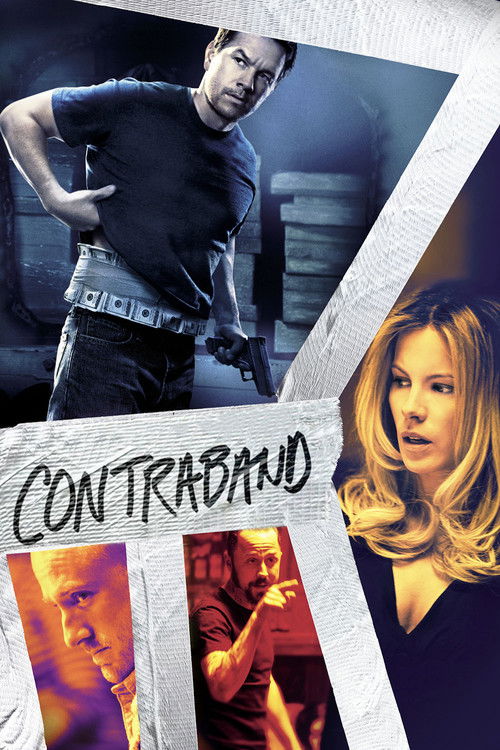
Contraband2012
Smuggler pulled back into crime to save his family, navigating betrayal and violence with grim resourcefulness. Similar DNA of a capable man in an impossible situation, though less stylized than Payback.
But Competent but unmemorable, playing it safer than Payback's genuine moral ugliness. Feels more like competent genre work than vision.
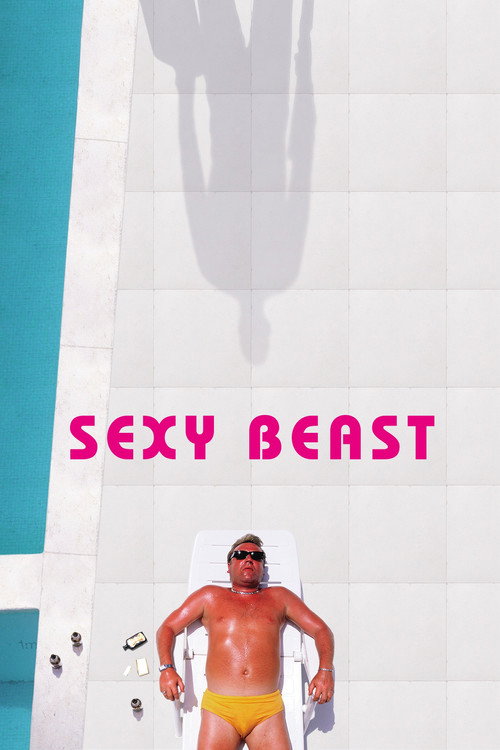
Sexy Beast2001
Both films are about men defined by their violence, told with enough style that you half-enjoy watching them work, but structured so you understand they're fundamentally trapped by what they are.
Ben Kingsley as a brutal, charismatic crime boss who arrives in a paradise and ruins it. Shot with surreal style and menace, it captures the same sense that the underworld can intrude anywhere, and violence is always waiting to be used.
But Spends as much time on symbolic dread and artistic flourish as plot. Some will find it pretentious where Payback is grounded, even if Payback is grounded in brutality.
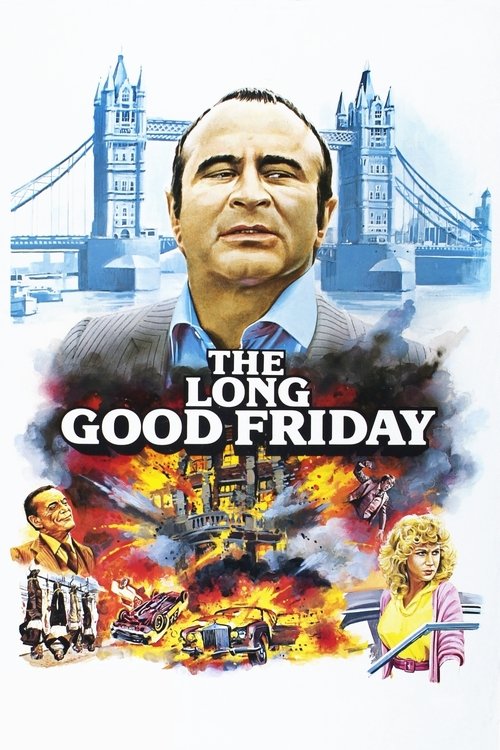
The Long Good Friday1980
Both follow a man through the mechanisms of payback and arrive at the same destination: the realization that revenge doesn't heal what's broken, it just breaks you differently.
Bob Hoskins as a London crime boss betrayed and systematically dismantled over 24 hours, growing more isolated and panicked as his world collapses. Spare, urgent, with the same sense that revenge is a machine that eats its operator.
But British, 1979, and focused as much on the quiet moments as the violence. Deliberately paced where you might expect it to move faster, and it ends not with catharsis but with quiet horror.
People
Cast
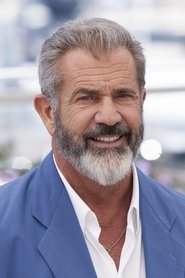 Mel GibsonPorter
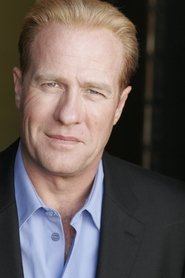 Gregg HenryVal Resnick
 Maria BelloRosie
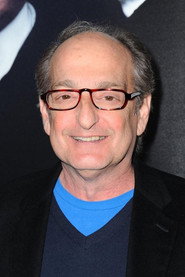 David PaymerArthur Stegman
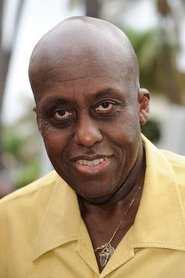 Bill DukeDet. Hicks
 Deborah Kara UngerMrs. Lynn Porter
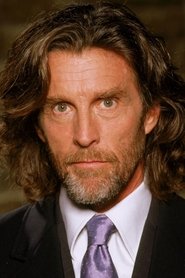 John GloverPhil
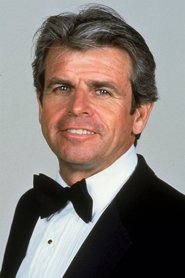 William DevaneCarter
 Lucy LiuPearl
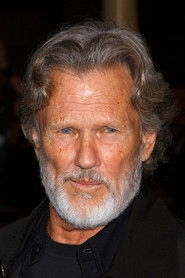 Kris KristoffersonBronson
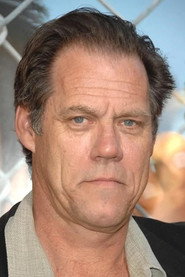 Jack ConleyDet. Leary
- Mark AlfaJohnny's Friend #2
Directing
- Brian HelgelandDirector
- Mark CotoneFirst Assistant Director
- P.R. TookeScript Supervisor
- Laura Nisbet PetersSecond Assistant Director
- Jayson MerrillSecond Second Assistant Director
- Mic RodgersSecond Unit Director
Writing
- Donald E. WestlakeNovel
- Brian HelgelandScreenplay
- Terry HayesScreenplay
Production
- Shauna L. KroenAssistant Accountant
- Briana BurkeAssistant Location Manager
- Angela H. BriceAssistant Production Coordinator
- Marion DoughertyCasting
- Terence HarrisCasting Associate
- Stephen McEveetyExecutive Producer
- Timothy A. BurrisFirst Assistant Accountant
- Mark CarterKey Set Production Assistant
- P.J. AbrahamsLocation Assistant
- Andrew L. UllmanLocation Manager
- Bruce DaveyProducer
- Chris Silver FiniganProduction Accountant
- Ruta PalulonisProduction Assistant
- Jonas CukiermanProduction Coordinator
- Pamela ThurProduction Manager
- Jim LemleyUnit Production Manager