
Film
A Most Violent Year
- Crime
- Crime thriller
- Period drama
- Very dark
A 1981 New York crime thriller about an immigrant fuel-oil businessman trying to expand his empire while the city crumbles into violence around him. Oscar Isaac carries the film with a performance of controlled restraint—watching him navigate corruption, robbery, and moral compromise through sheer will is mesmerizing. It's a slow-burn character study wrapped in genre trappings, for anyone who loves understated tension and moral ambiguity.
Should you watch it?
Watch it if you enjoy slow-burning crime dramas where pressure builds through business dealings and a strained marriage, and where restraint carries more weight than action.
Skip it if you need propulsive plotting or a clear-cut hero, since its tension is steady and slow, and its moral choices stay murky and uncomfortable.
What it asks of you: Just over two hours of patient scenes where much of the menace sits in what goes unsaid, so it rewards steady attention and a willingness to wait.
Not sure? Find tonight's pick in a minute.
If you liked this
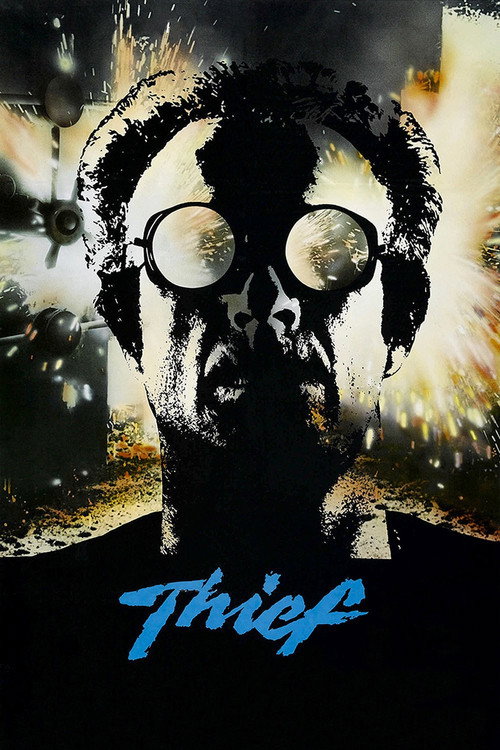
Thief1981
Michael Mann's masterpiece about a professional thief navigating Chicago's underworld. Like Isaac's character, the protagonist is a careful operator trying to build something legitimate while the criminal world closes in. Both films are patient, methodical, and visually stunning.
But The pacing is glacial by modern standards, and the emotional payoff is quietly devastating rather than cathartic. Some will find it cold.
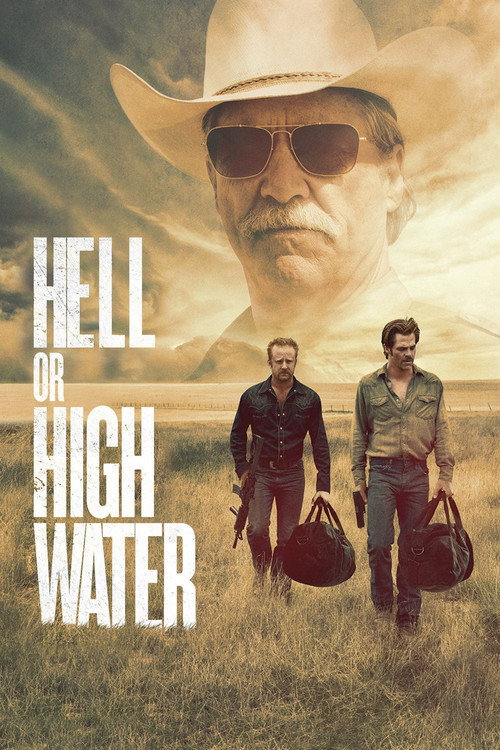
Hell or High Water2016
A modern western about a man trying to save his family business through increasingly desperate means. It shares the same moral complexity—is he a criminal or a victim of circumstance?—and Jeff Bridges' cop carries the same weary intelligence Isaac brings to his role.
But The violence arrives suddenly when it does, which can feel jarring. The Texas setting and dialect won't click for everyone.
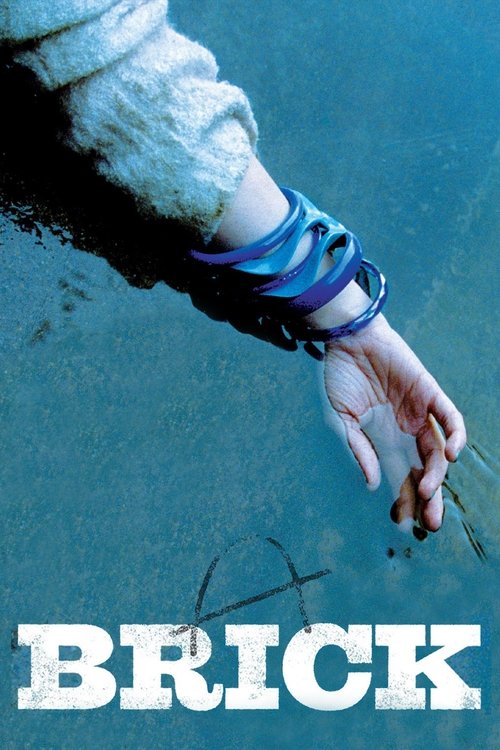
Brick2006
A high school noir where nothing is what it seems and everyone's playing a deeper game. Like A Most Violent Year, it's about a protagonist trying to navigate a corrupt system through intelligence and restraint rather than force. Rian Johnson's direction is razor-sharp.
But The teenage noir conceit takes adjustment, and the dialogue can feel precious. It's deliberately artificial in ways that test patience.
Not sure tonight? Get a pick in a minute, starting from A Most Violent Year
The wildcard
Something you would not have found on your own.
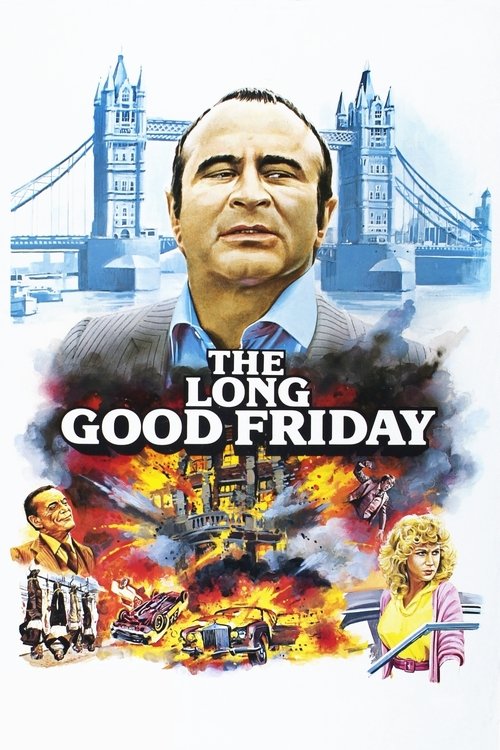
The Long Good Friday1980
Both films center on a single day or weekend where a man's world systematically collapses despite his intelligence and will. Both use their era—early 1980s urban decay—as a character itself.
Bob Hoskins as a London crime boss watching his empire collapse in real time over Easter weekend. Released the year before this film, it's a British answer to the same question: what happens when a self-made man discovers he's not in control? Hoskins is furious where Isaac is ice; same catastrophe, opposite register.
But It's British crime cinema from 1980—the pacing is strange and the dialogue thick. The ending is abrupt and bleak without resolution.
More like this (8)
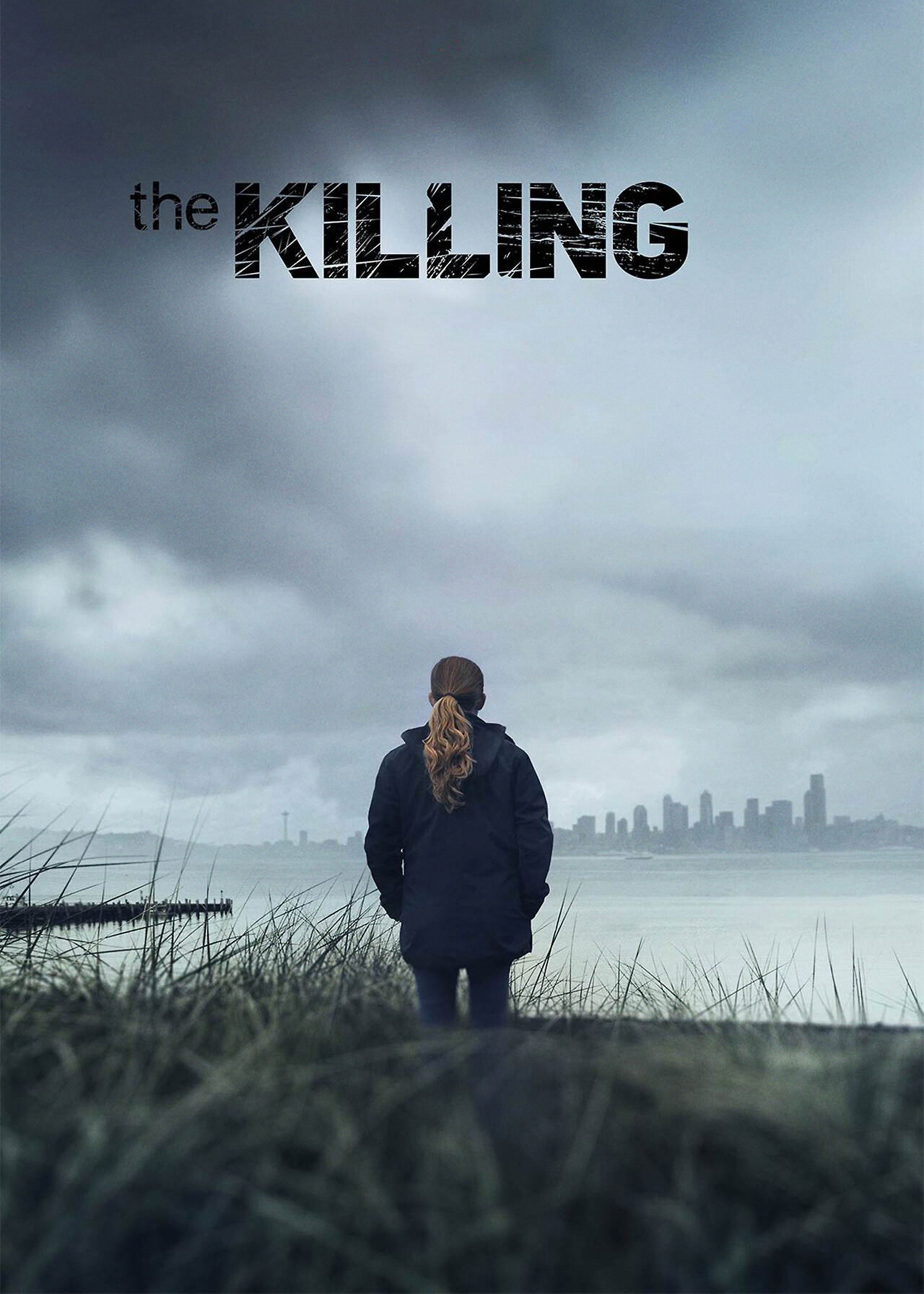
The Killing2011
Danish crime series about a detective investigating a murder while the case corrodes everything around her. It has the same suffocating atmosphere—moral compromise, institutional rot, winter darkness—and the same patience with character over plot momentum.
But Four seasons is a commitment. The pacing is European-slow, and some viewers feel the final season betrays the setup.
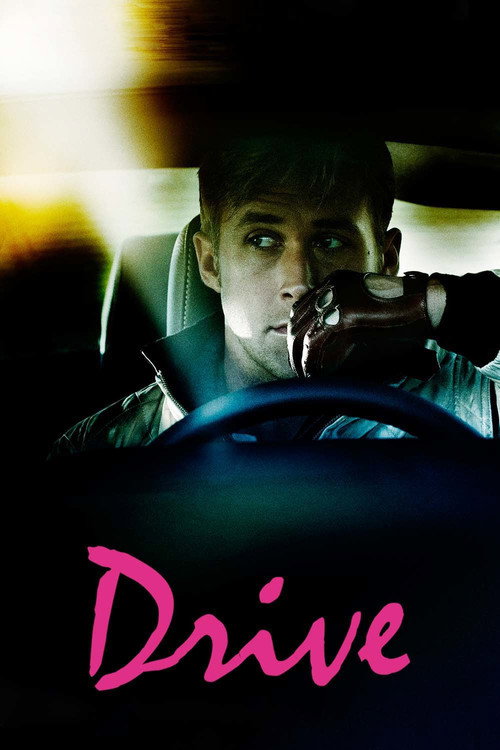
Drive2011
A getaway driver in neon-soaked LA trying to stay quiet and invisible until circumstances force him out. Ryan Gosling's silent competence echoes Isaac's controlled performance. Both films let long silences carry meaning and tension.
But The violence, when it comes, is sudden and brutal. The soundtrack and visual style are aggressively 1980s, which will feel precious to some.
In the Mood for Love2000
Wong Kar-wai's portrait of two people navigating forbidden desire in 1960s Hong Kong. Seems unrelated, but both films are about characters restraining themselves in corrupt environments, told through gorgeous production design and long, careful takes.
But There's almost no plot. It's pure mood and visual poetry, which reads to some people as pretentious or dull.

Spotlight2015
Ensemble journalism thriller about Boston Globe reporters uncovering institutional corruption. It's methodical and understated—people making phone calls and conducting interviews—but absolutely gripping. Same controlled tension, different setting.
But Journalism procedural rhythms aren't exciting to everyone. It's deliberately unglamorous and workmanlike.

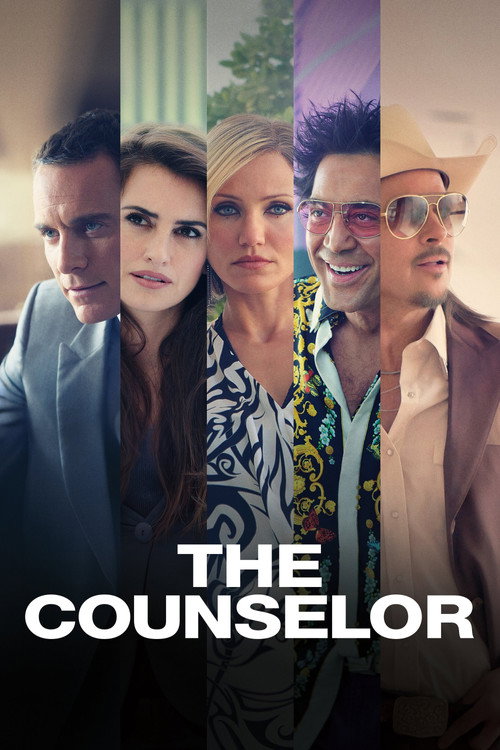
The Counselor2013
Michael Fassbender as a lawyer pulled into the drug trade one compromise at a time. Ridley Scott's direction and Cormac McCarthy's script create the same sense of a decent man being consumed by forces larger than himself.
But McCarthy's dialogue is dense and baroque, the opposite of Isaac's restraint. Some scenes feel self-consciously philosophical rather than earned.
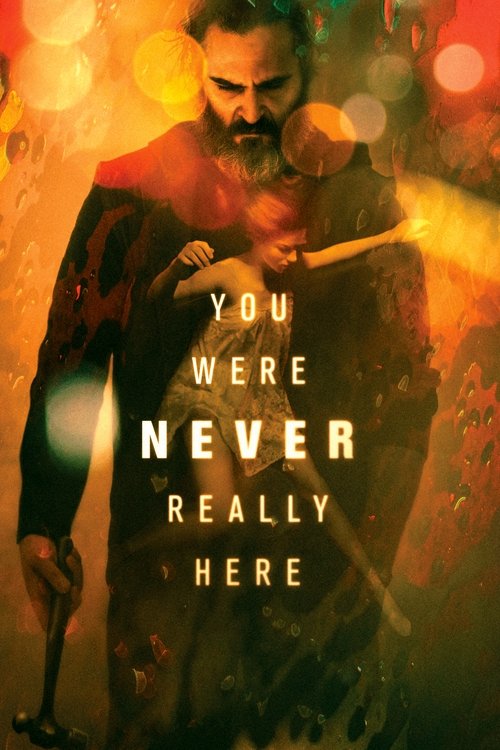
You Were Never Really Here2017
Joaquin Phoenix as a traumatized fixer hired to find a missing girl. Lynne Ramsay's direction is visceral and fragmentary. Like Isaac in this film, Phoenix carries the weight of a character trying to hold himself together while drowning in corruption.
But The film is deliberately difficult—nightmarish, violent, psychologically fragmented. It's exhausting, not cathartic.
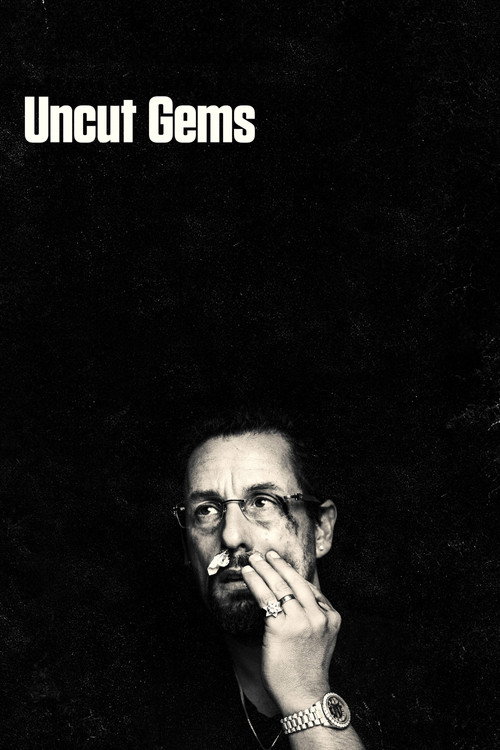
Uncut Gems2019
Both are New York business thrillers about protagonists whose own choices destroy them, told with meticulous visual precision and claustrophobic intensity. One is control; one is chaos. Both are studies in inevitability.
Adam Sandler as a diamond dealer in NYC, making terrible decisions under pressure. Where Isaac's character controls everything through restraint, Sandler's unravels through compulsion. But both films are about the mechanics of a man digging himself deeper, and both use New York and commerce as their moral landscape.
But It's relentlessly anxious—the score and editing never let you breathe. Some people find it exhausting rather than thrilling.
The Turin Horse2011
Both use decay and entropy as their real subject—not plot, but the weight of a world falling apart. Both are visual poems about collapse and the futility of resistance.
Béla Tarr's final film: a man and woman living in a decaying villa as the world ends. Completely abstract and spare where A Most Violent Year is narrative and urban. But both are about civilization and decay, about maintaining dignity and order while everything crumbles. Tarr strips it down to its philosophical bone.
But It's in black-and-white, shot in long static takes, and almost nothing happens. It requires patience verging on meditation. Easily mistaken for boring.

People
Cast
 Oscar IsaacAbel Morales
 Jessica ChastainAnna Morales
 David OyelowoD.A. Lawrence
 Alessandro NivolaPeter Forente
 Elyes GabelJulian
 Albert BrooksAndrew Walsh

 Peter GeretyBill O'Leary
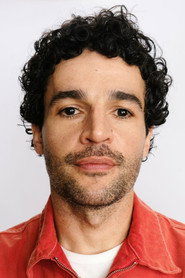 Christopher AbbottLouis Servidio
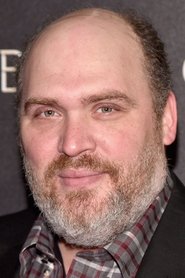 Glenn FleshlerArnold Kline
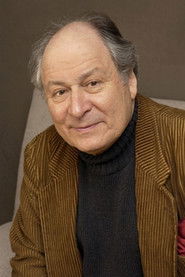 David MarguliesSaul Lefkowitz
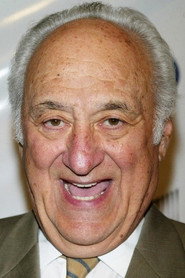 Jerry AdlerJoseph Mendelsohn
Directing
- J.C. ChandorDirector
- H.H. CooperFirst Assistant Director
- Jessica LichtnerScript Supervisor
- Martha PinsonScript Supervisor
- Mirashyam BlakesleeSecond Assistant Director
Writing
- J.C. ChandorWriter
Production
- Bernard TelseyCasting
- Tiffany Little CanfieldCasting
- Glen BasnerExecutive Producer
- Jeff SkollExecutive Producer
- Jonathan KingExecutive Producer
- Joshua BlumExecutive Producer
- Kerry OrentExecutive Producer
- Sean IlnseherLocation Manager
- Anna GerbProducer
- J.C. ChandorProducer
- Neal DodsonProducer
- Richard MancusoProduction Accountant
- Tom Sellitti, Jr.Unit Production Manager
Recommended by
Uncut Gems, The Tragedy of Macbeth, The Town, Molly's Game, Good Time, The Infiltrator, A Dangerous Method, Dear Evan Hansen, Thou Wast Mild and Lovely