
Film
Mass
- Social drama
- Very dark
- Slow-burning
Mass is a chamber drama about two couples meeting in a church basement to confront an unthinkable tragedy. It's a conversation film—no plot in the traditional sense, just four people in one room trying to find words for grief, rage, and the impossible question of forgiveness. Unflinching and extraordinarily human.
Should you watch it?
Watch it if you are drawn to close, talky dramas where four people in one room do the heavy lifting, and where the writing trusts silence and restraint more than plot.
Skip it if you want action or any easy release, since this single room of grief and violence stays relentless.
What it asks of you: Its 111 minutes are mostly unhurried talk, with long takes that let silences stretch and tension build without any release.
Not sure? Find tonight's pick in a minute.
If you liked this
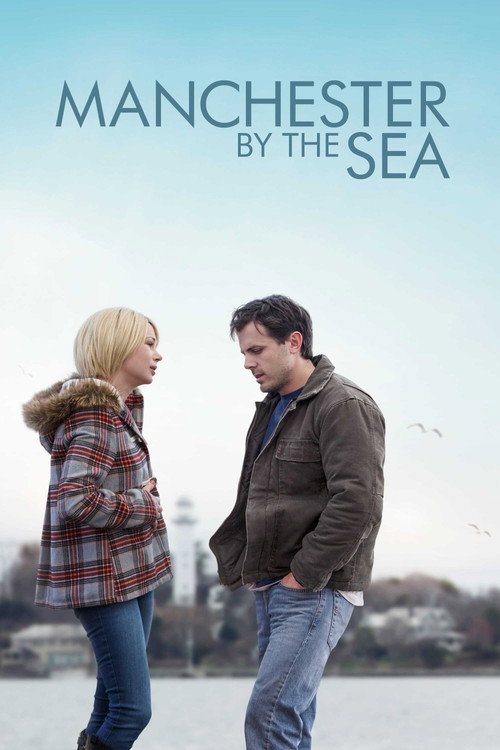
Manchester by the Sea2016
A masterpiece about grief that refuses easy catharsis. Casey Affleck's performance as a man hollowed by loss captures the messy, non-linear way trauma lives in a body. Devastating and true.
But It moves slowly and deliberately, with long stretches of quiet. The emotional weight can feel crushing rather than cathartic.
Moonlight2016
Three chapters of a life examined with tenderness and formal beauty. Like Mass, it trusts silence and image to do the heavy lifting, building emotional complexity through restraint. Achingly intimate.
But Plotwise, things happen quietly. If you need external narrative momentum, this will feel like watching paint dry.

Requiem for a Dream2000
Four parallel descents into addiction and despair. Aronofsky creates a cinematic language for internal collapse that's visually hypnotic. It's harrowing but never manipulative—the style and content are inseparable.
But It's relentless and extremely dark. The visual techniques are so aggressive they can feel like punishment. Not a comfort watch.

Not sure tonight? Get a pick in a minute, starting from Mass
The wildcard
Something you would not have found on your own.
Spotlight2015
Both films understand that sometimes the most powerful drama is people trying to name what institutions have made possible. The mechanism of accountability matters as much as the emotion.
A procedural about journalists uncovering the Catholic Church's abuse cover-up. It's a conversation film disguised as a thriller—mostly people in rooms talking, but the cumulative weight of testimony and institutional failure becomes overwhelming. Same moral architecture as Mass: what do institutions owe to victims?
But It's methodical to the point of seeming dry. If you need dramatic crescendos, it delivers revelation through quiet accumulation instead.

More like this (7)
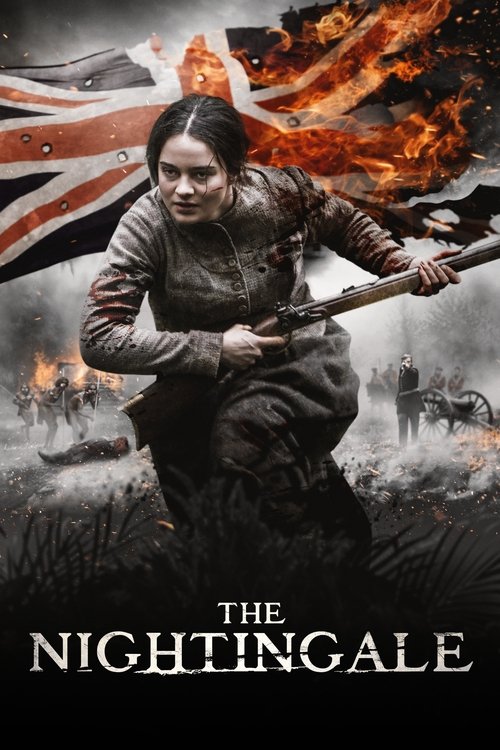
The Nightingale2018
Jennifer Kent's Australian film about trauma, rage, and survival in the 1820s. Aisling Franciosi delivers a performance of volcanic intensity. It refuses to look away from what violence does to a person.
But Depicted violence is graphic and central to the story. It's punishing by design, and some viewers will find that unnecessary rather than necessary.
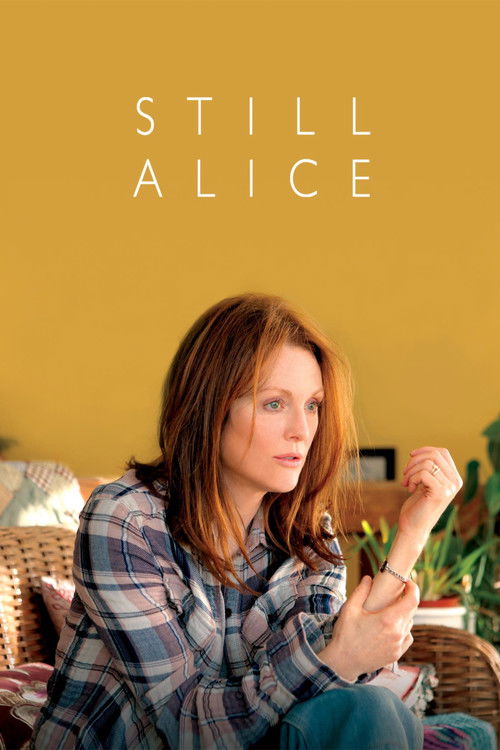
Still Alice2014
Julianne Moore as a linguistics professor watching her own mind disappear. It's about love, loss, and identity with extraordinary specificity. The family conversations feel like real people in actual crisis, not actors performing emotion.
But It's a slow decline without redemption or reversal. The passivity of watching someone fade can feel unresolvable.
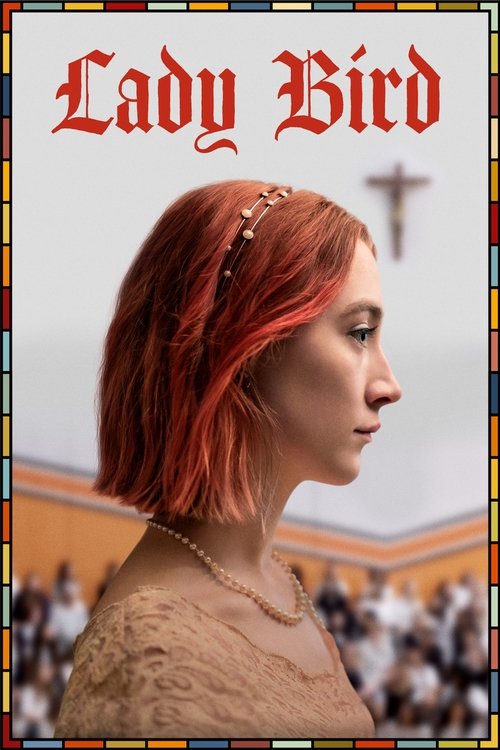
Lady Bird2017
Greta Gerwig's debut about a mother and daughter, tender and funny and heartbreaking in equal measure. The emotional texture is so precise it feels documentary-real. A masterclass in how people hurt the ones they love.
But The plot is minimal. If you need clear narrative stakes, it'll feel like nothing happens.
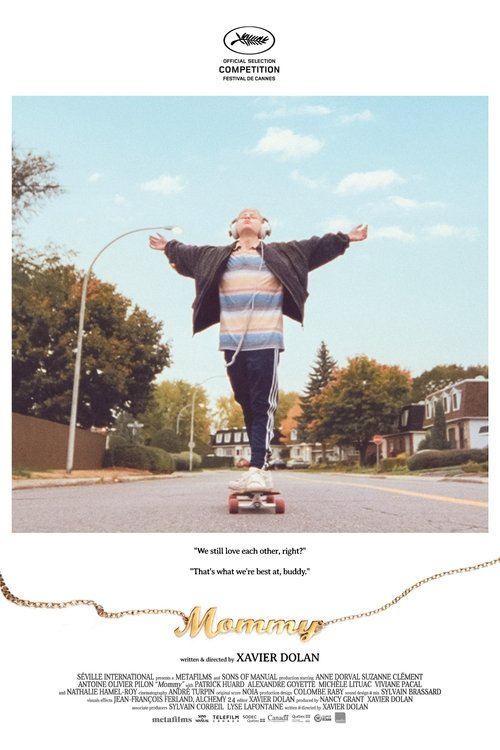
Mommy2014
Xavier Dolan's film about a mother and son in crisis, structured like a pressure cooker. It's visually audacious but rooted in genuine emotional pain. A raw portrait of love twisted by circumstance.
But The aesthetic choices (the square aspect ratio, the frantic editing in moments of chaos) will feel pretentious to some. It's emotionally exhausting.
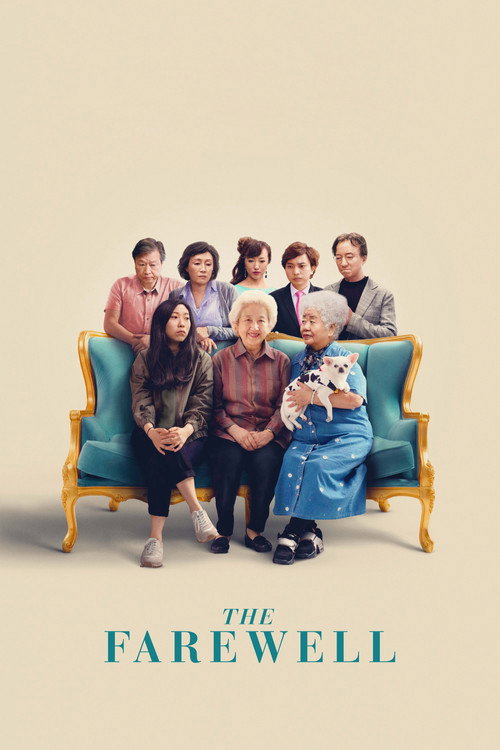
The Farewell2019
Lulu Wang's film about a family keeping a terminal diagnosis secret. It finds dark humor in grief and explores cultural difference with nuance. The ensemble work is extraordinary—everyone feels like real people making impossible choices.
But The pacing is deliberately digressive. Plot mechanics matter less than emotional truth, which some find frustrating.
Winter Light1963
Both are structured as conversations about faith—not religious faith necessarily, but faith in other people, in meaning, in the possibility of being understood. Both understand that dialogue is not debate; it's an attempt at communion.
Bergman's devastating meditation on faith, doubt, and human connection. A pastor and former lover meet to talk, and their conversation peels back layer after layer of disappointment and longing. In 81 minutes, it contains more emotional honesty than most films twice its length.
But It's a black-and-white Swedish film from 1963. The pacing is glacial, the dialogue is philosophical, and it offers no comfort. Extremely demanding.

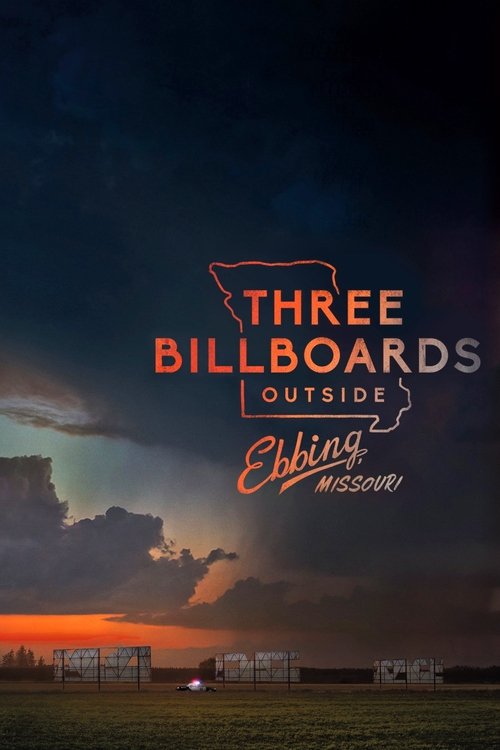
Three Billboards Outside Ebbing, Missouri2017
Like Mass, it understands that the people affected by tragedy don't get to be simple. Victims and perpetrators and witnesses are all complicated, and the film trusts you to hold that complexity without judgment.
Martin McDonagh's film about a mother, a police chief, and a town collapsing under the weight of an unsolved murder. It finds dark comedy in grief and rage without ever diminishing either. The performances are phenomenal, and the moral questions it raises refuse easy answers.
But Tonally, it shifts between comedy and brutality in ways that can feel jarring or opportunistic. Some viewers find the humor in dark situations offensive.
People
Cast
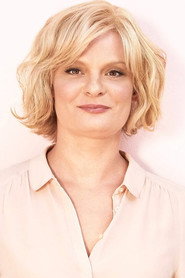 Martha PlimptonGail
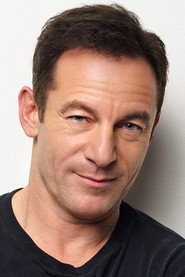 Jason IsaacsJay
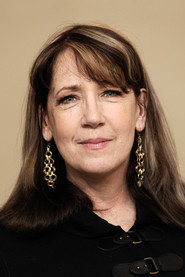 Ann DowdLinda
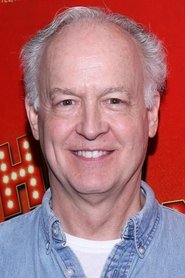 Reed BirneyRichard
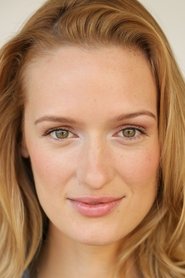 Breeda WoolJudy
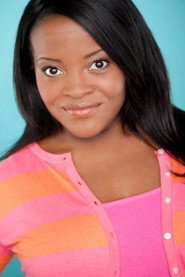 Michelle N. CarterKendra
- Kagen AlbrightAnthony
- Michael WhitePiano Teacher
- Campbell SpoorPiano Student
Directing
- Fran KranzDirector
- Tony BecerraFirst Assistant Director
- Sparkman ClarkScript Supervisor
- Ben FigueiredoSecond Assistant Director
Writing
- Fran KranzWriter
Production
- Allison EstrinCasting
- Henry Russell BergsteinCasting
- Marissa GhavamiCo-Producer
- Tony BecerraCo-Producer
- William Thomas Andrew DaviesCo-Producer
- J. DavisConsulting Producer
- Douglas MatejkaExecutive Producer
- Joe AbramsExecutive Producer
- Marshall RawlingsExecutive Producer
- Nico FallsExecutive Producer
- Casey Wilder MottProducer
- Dylan MatlockProducer
- Fran KranzProducer
- J.P. OuelletteProducer