Film
The Whole Truth
A tense 36-minute film about a police officer interviewing a traumatized schoolgirl over a teacher's sexual assault. What begins as an interrogation becomes something more urgent: two women circling their own silences, learning that naming what happened is the only way forward. Quiet, focused, and unflinching.
Should you watch it?
Watch it if you are drawn to quiet two-hander dramas where the emotional work happens in close conversation, and you don't need the story to hurry toward a big payoff.
Skip it if you want a fuller story than this; it's mostly a tense conversation with little outside it, and child sexual abuse as its subject may be too heavy right now.
What it asks of you: Thirty-six minutes, unhurried and close, with long silences you'll need to sit through and little relief from its weight.
Not sure? Find tonight's pick in a minute.
If you liked this
Spotlight2015
Journalists pursuing institutional abuse with meticulous care and moral clarity. The film respects both the weight of investigation and the survivors who endure it without sentiment or spectacle.
But It's deliberately paced and procedural—patient in ways that demand patience from you. No catharsis, only accountability.

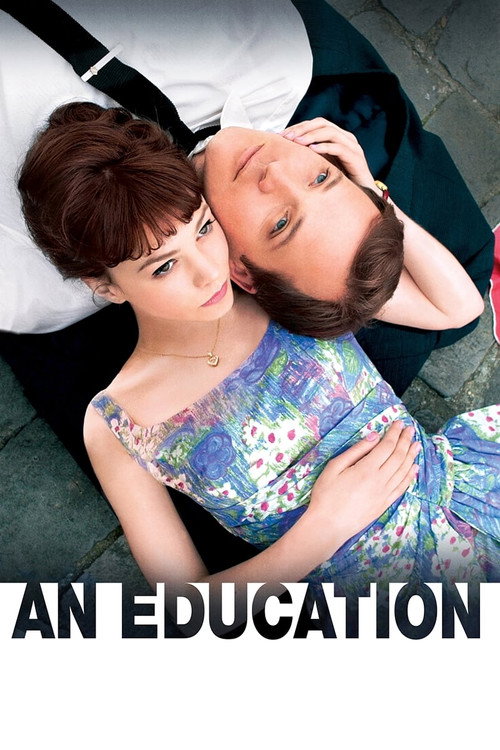
An Education2009
A young woman's education derailed by an older man's predation. Sharp, bitter, and exact about how grooming works and how it reshapes the victim's understanding of what happened to her.
But It centers a privileged girl, which some find a narrower frame for the subject than necessary. The tone is sophisticated in ways that might feel distant.
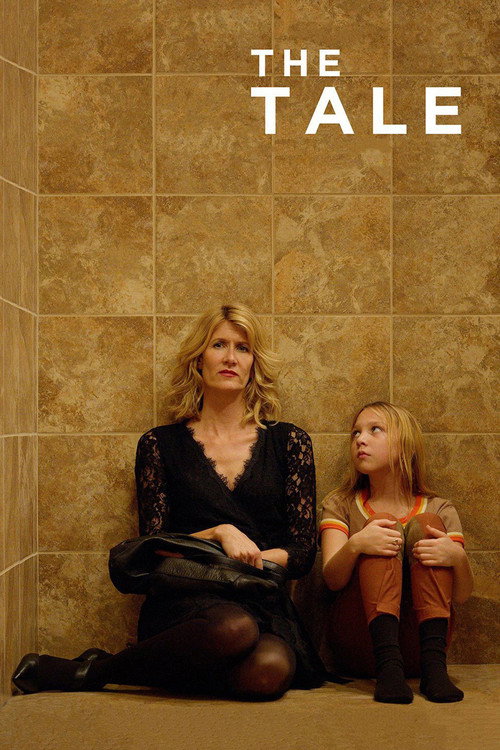
The Tale2018
A woman filmmaker investigates her own past sexual abuse—was it abuse? She was convinced it wasn't. The film follows her fractured memory, her growing horror, her slow naming of what happened.
But Nonlinear and deliberately fragmented in structure. Some viewers find the form itself alienating when the content is already painful.
Not sure tonight? Get a pick in a minute, starting from The Whole Truth
The wildcard
Something you would not have found on your own.
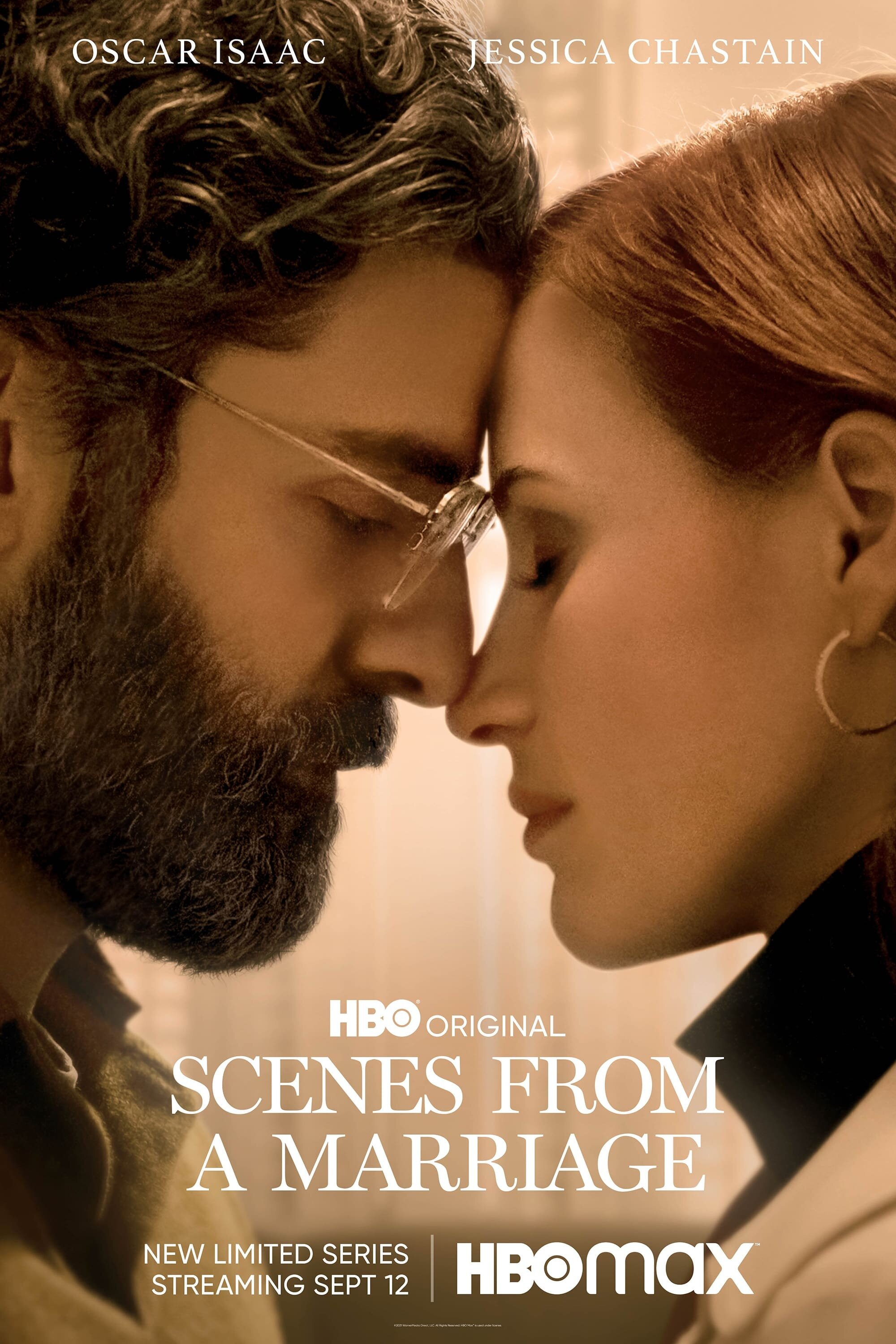
Scenes from a Marriage2021
Both films compress enormous emotional weight into conversations. Both understand that language—finding it, losing it, forcing it out—is the actual story.
Bergman's study of intimacy and rupture, remade as five 55-minute episodes. It's about how two people can fail each other, how communication collapses, how naming the failure is the only honest thing left.
But It's Swedish chamber drama, intimate to the point of claustrophobia. No plot beyond conversation. If you need external events, don't start.
More like this (7)
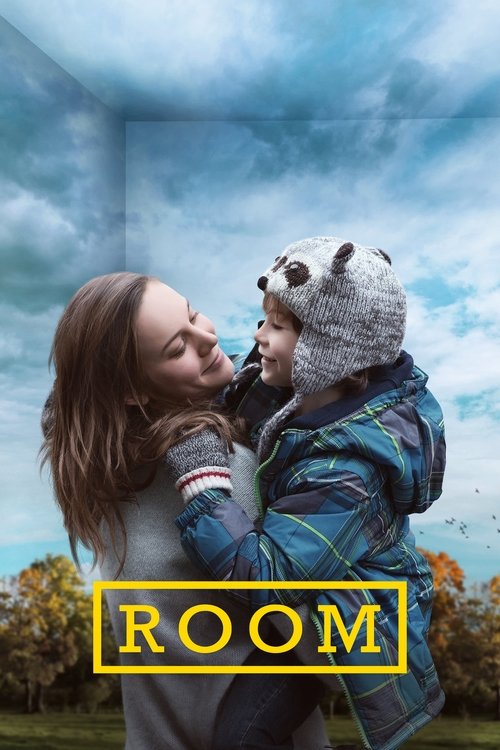
Room2015
A mother and daughter survive captivity. The film tracks not escape but the aftermath: how you rebuild language, trust, selfhood after trauma steals them. Devastating and precise.
But Extremely heavy. The opening sections are claustrophobic and difficult. Not a film that offers comfort.
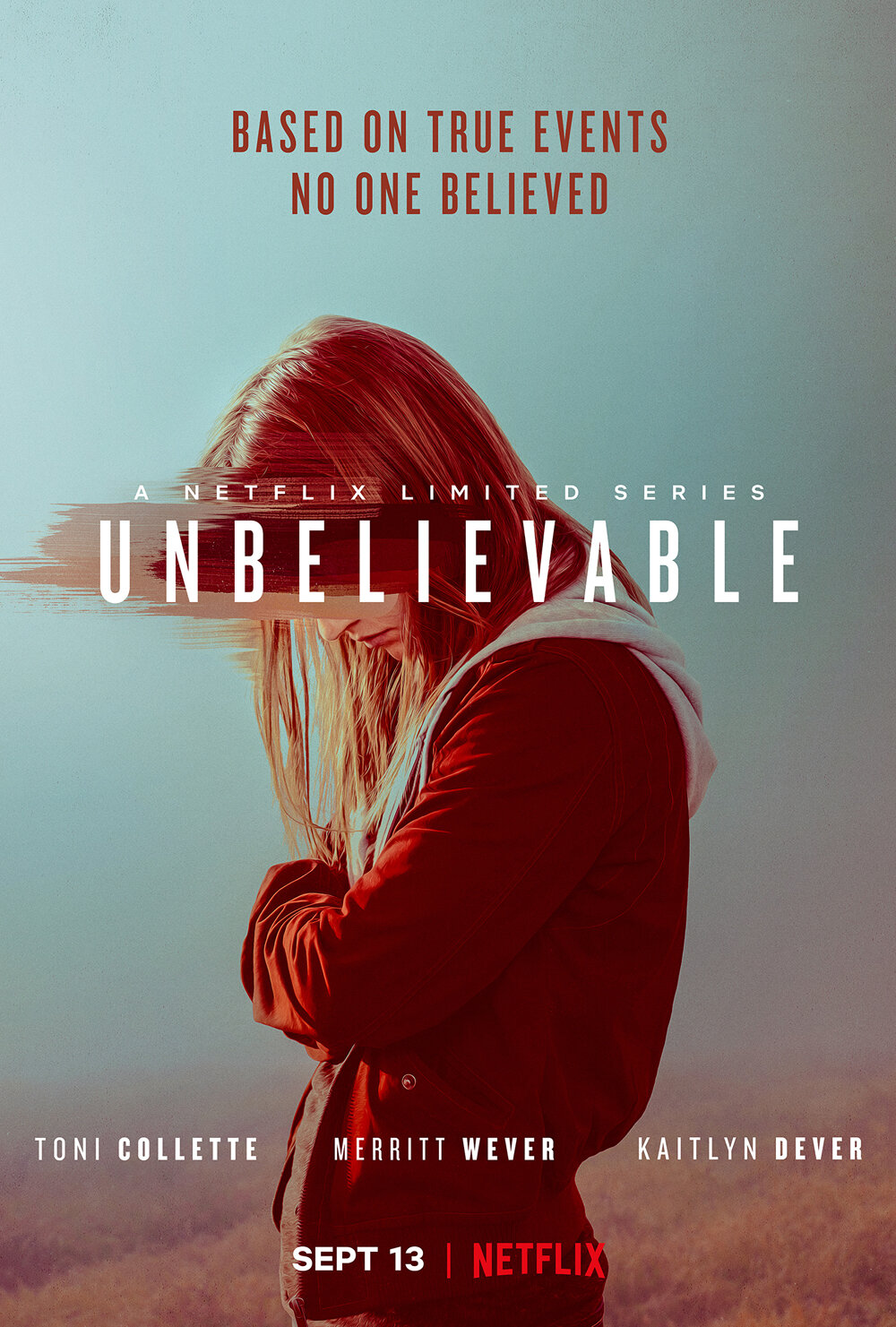
Unbelievable2019
A rape victim isn't believed by police. The series tracks her, the detectives who finally listen, and the predator. It has rage in it—justified rage—and also tenderness toward the people trying to do right.
But Eight hours is a commitment. It deliberately shows you the gaslighting and disbelief up close, which is painful to watch even when you're rooting against it.
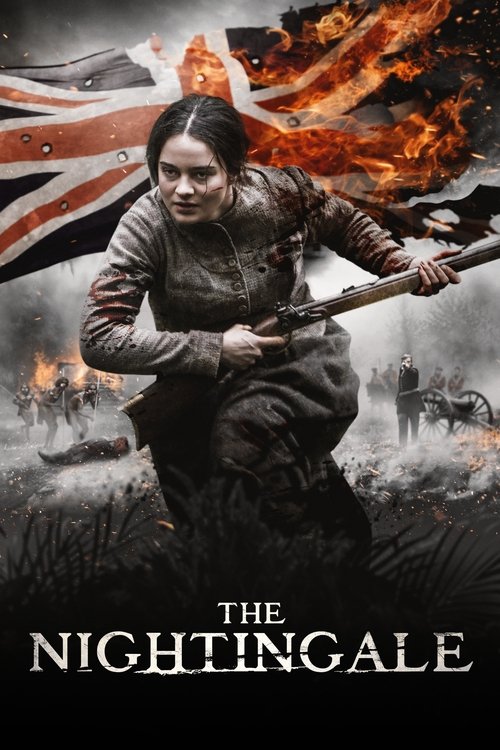
The Nightingale2018
Two sisters in occupied France during WWII. One joins the Resistance; the other survives collaboration and assault. It refuses easy moral categories and honors both women's impossible choices.
But It contains graphic wartime violence and sexual assault. The scope is vast, which can dilute the intimate trauma the title eventually centers.
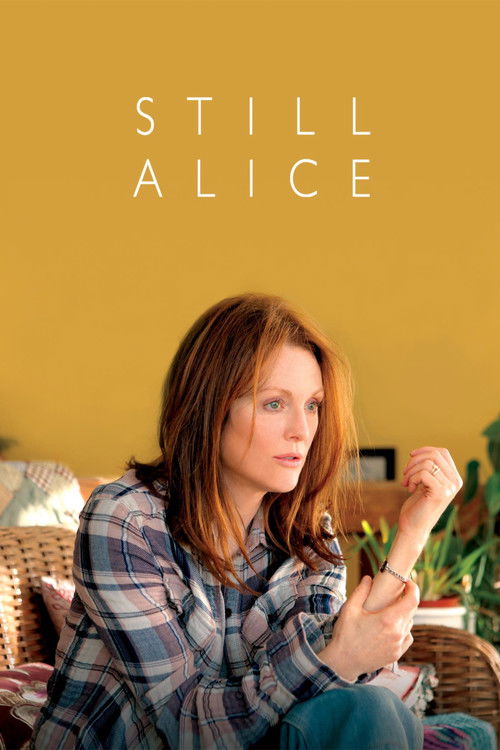
Still Alice2014
A woman loses her mind to Alzheimer's. The film watches her try to hold on to herself and her family try to hold on to her. It's about communication breaking down and what love does anyway.
But It's slow and repetitive by design—you feel the cognitive loss. Some find it unbearable rather than clarifying.
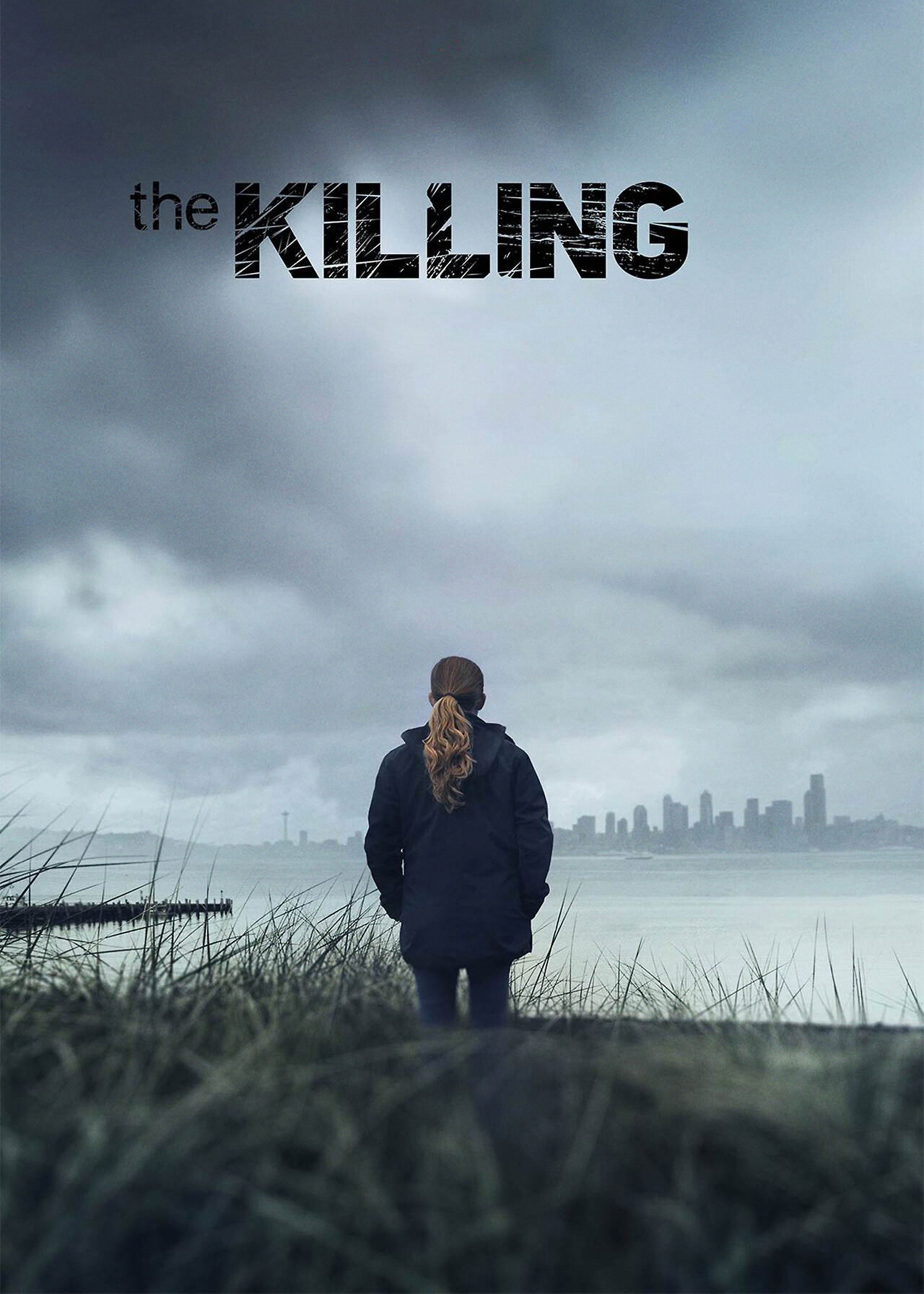
The Killing2011
A detective pursues a murder through a Danish winter. The show prizes procedural accuracy and moral complexity: who is culpable? What does justice actually mean? It respects both mystery and its human cost.
But Twenty episodes in. It's hypnotic but demands real time. The second season falters. Tone is relentlessly grey.
Liars2013
Two women, years apart, tell conflicting stories about an encounter. The film trusts the audience to hold both versions and decide what truth is. A formal experiment that earns its ambiguity.
But Deliberately frustrating by design. No resolution. Some viewers see it as evasion rather than depth.
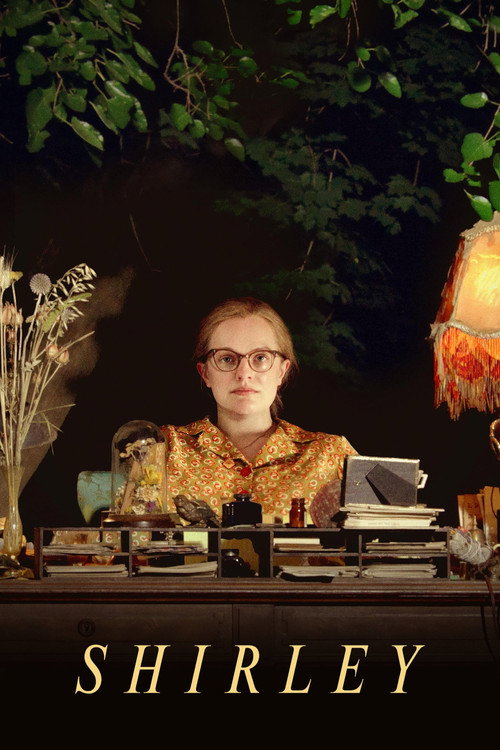
Shirley2020
A woman's difficult truth—her anger, her refusal to perform normalcy—told through an interrogation with herself. Both resist the consoling shape.
Elisabeth Moss plays the horror writer Shirley Jackson during a creative block. A portrait of a woman refusing to be smaller, more palatable, less angry. Fractured and deliberately ugly in its aesthetics.
But Difficult and confrontational. It's as much about artistic fury as trauma. Some see it as deliberately obscure.
People
Cast
- Sophie MaxMallory