
Film
The Dreamcatcher
A taut 11-minute horror film about a girl who receives a dreamcatcher that promises protection but delivers something far darker. It's the kind of precisely calibrated short that trusts you to feel the dread, with no wasted moments and a premise that twists what should comfort into something deeply unsettling. Perfect for anyone who loves horror that knows restraint.
Should you watch it?
Watch it if you like short horror that builds a single eerie idea with patience and lets the unease sit in quiet domestic rooms rather than in jump-scare bursts.
Skip it if you want a full-length scare machine with escalating set pieces, since at around eleven minutes it is a brief, mood-led piece that may feel slight if you want room to settle in.
What it asks of you: Very little time, but it asks you to stay still and watch closely; the dread accumulates slowly across a few minutes rather than arriving in one big rush.
Not sure? Find tonight's pick in a minute.
If you liked this
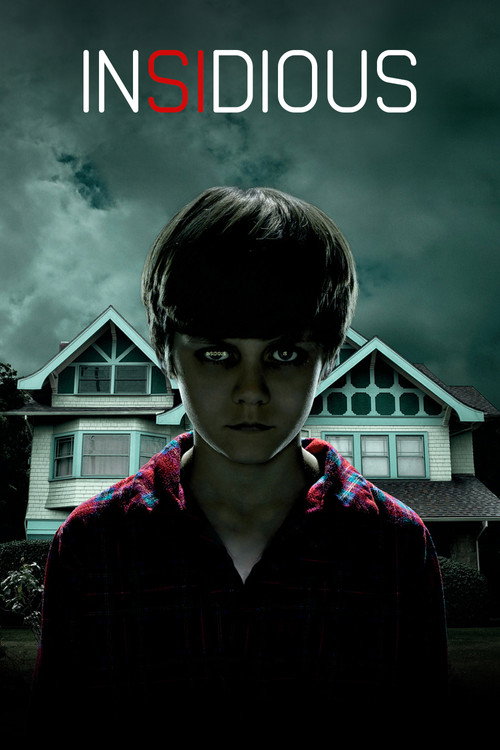
Insidious2011
A masterclass in building dread through suggestion rather than gore. James Wan creates a haunted-house story that uses darkness and silence as weapons, letting your imagination do most of the terrifying work.
But The third act leans into exposition and supernatural worldbuilding that some find deflating after the sustained tension of the first half.
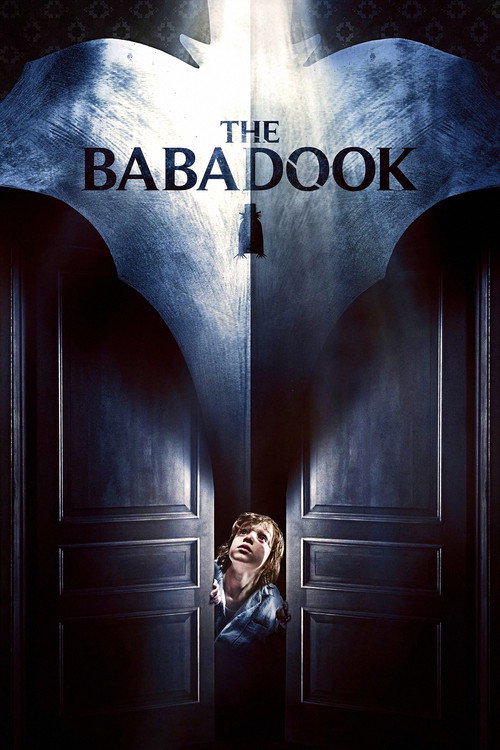
The Babadook2014
An Australian horror film that uses a children's pop-up book as a portal to genuine psychological terror. It's about grief wearing a monster's face, and it never lets up.
But The pacing is deliberately slow and abstract; if you need jump scares and clear explanations, this will frustrate you.
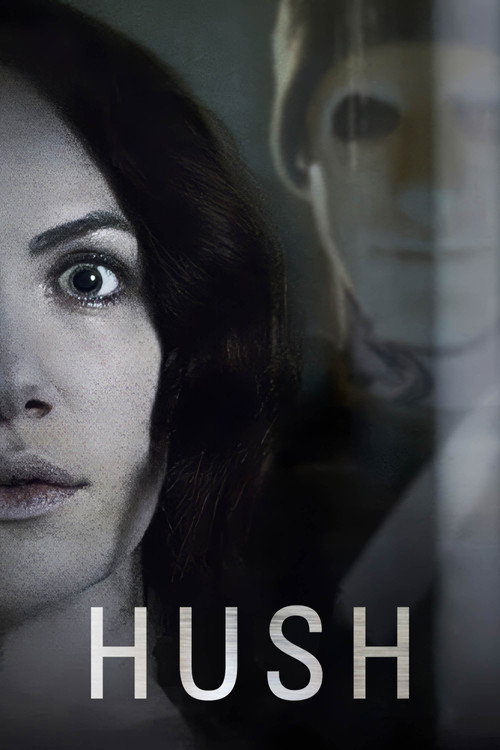
Hush2016
A home-invasion thriller stripped to essentials: a deaf woman, an intruder, and nowhere to run. Lean, intelligent, and genuinely nerve-shredding in its economy.
But The premise is simple to the point of repetitiveness, and some find the relentless threat exhausting rather than gripping.
Not sure tonight? Get a pick in a minute, starting from The Dreamcatcher
The wildcard
Something you would not have found on your own.
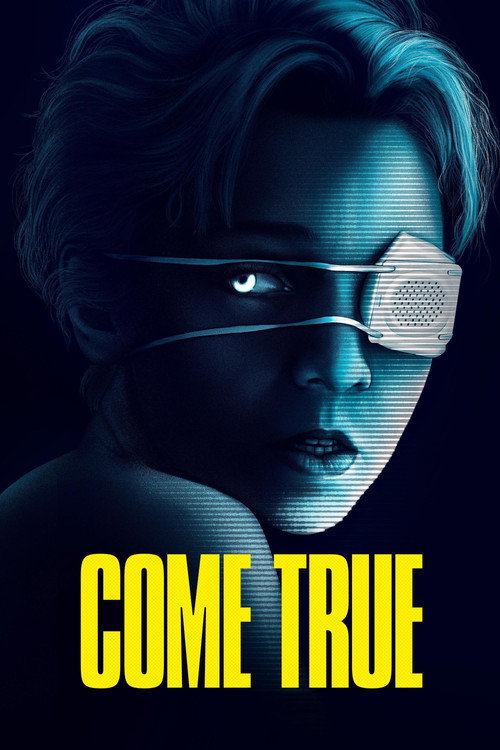
Come True2020
Both are shorts (or short-form experiences) where something meant to help—a dreamcatcher, a sleep study—becomes the vector for horror. Both trust visual strangeness over explanation.
A sci-fi horror about a sleep study that descends into body-horror surrealism. It shares The Dreamcatcher's interest in corrupted rest and protection that hides something wrong beneath, but weaponizes digital imagery and sound design into something genuinely alien.
But The plot dissolves into abstraction by design; if you need narrative coherence, the final act will feel like watching someone else's fever dream.
More like this (8)
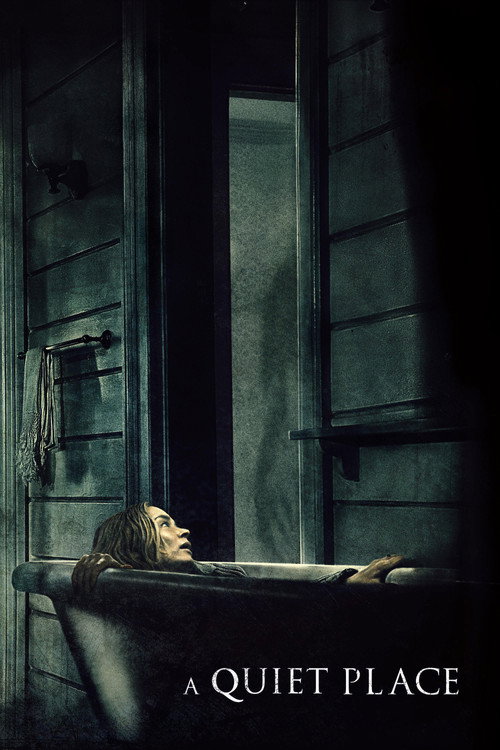
A Quiet Place2018
Sound design as a horror tool: creatures hunt by noise, so silence becomes suffocating. It's an ingenious high-concept film executed with real heart and family stakes.
But The rules of the threat can feel arbitrary, and the plot hinges on logic that doesn't always hold up to scrutiny.
The Wailing2016
A Korean horror-mystery that starts with a plague of violence and spirals into theological dread. Gorgeously shot and genuinely disorienting in the best way.
But It's nearly three hours, deliberately obscure, and refuses to answer its own questions—you leave more confused than when you arrived.

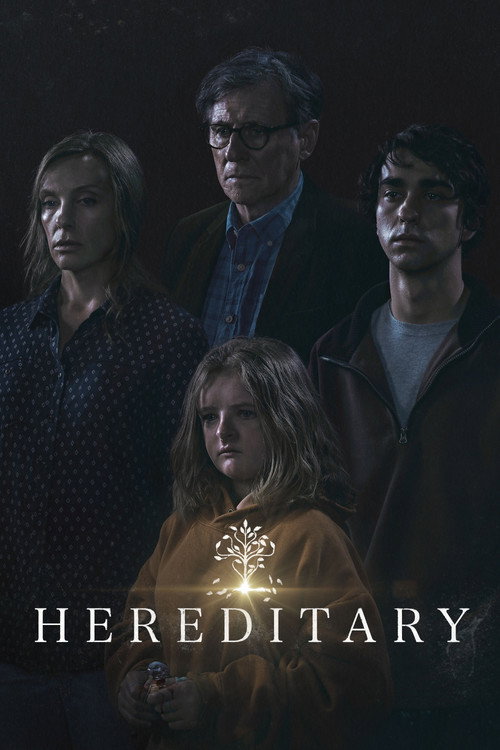
Hereditary2018
Ari Aster's debut is family horror that feels like watching a curse unfold in real time. Toni Collette gives one of the greatest horror performances ever committed to film.
But The final act tips into full cosmic horror that some see as a tonal shift; also genuinely disturbing imagery that lingers.
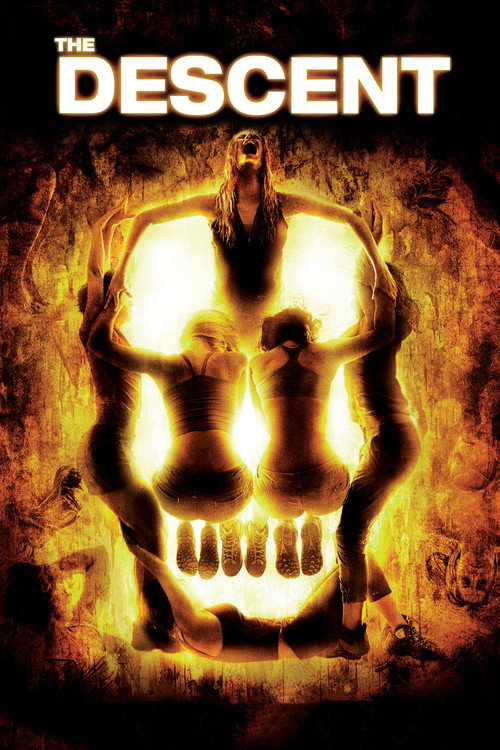
The Descent2005
A claustrophobic nightmare that uses darkness and geology as instruments of terror. The creature design is startling, but the real horror is the environment itself.
But Graphic violence and genuine body horror; the gore is not decorative, and some find it gratuitous rather than purposeful.
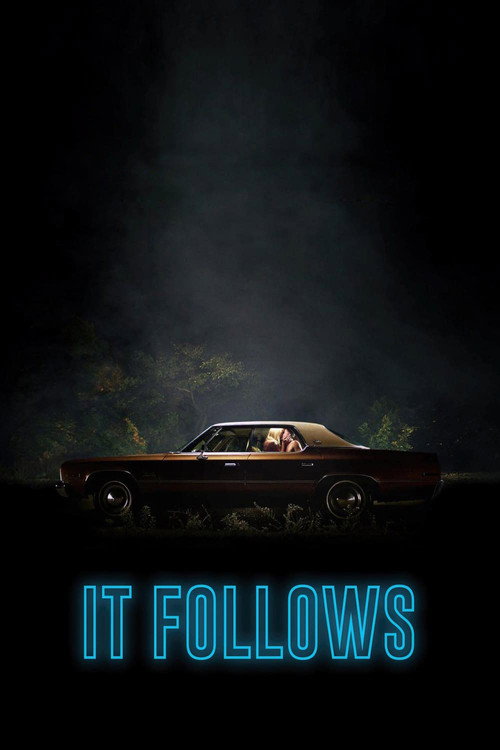
It Follows2015
A supernatural threat that's unstoppable and always coming, creating paranoia out of the mundane. The synth score and cinematography are hypnotic.
But The logic of the curse is deliberately vague; some find the ambiguity clever, others find it frustratingly underdeveloped.
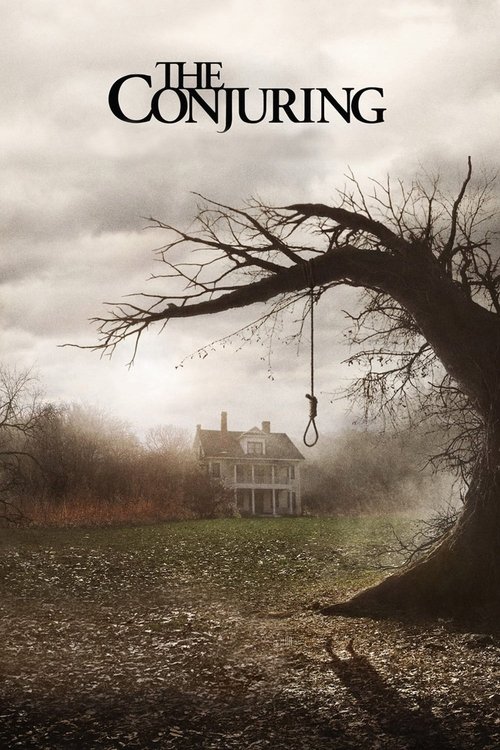
The Conjuring2013
A haunted-house film that honors the genre while delivering genuine scares. Technically precise, well-acted, and structured like a magic trick.
But It's more mainstream crowd-pleaser than deep horror; if you want subtext or ambiguity, this trades those for clarity and spectacle.
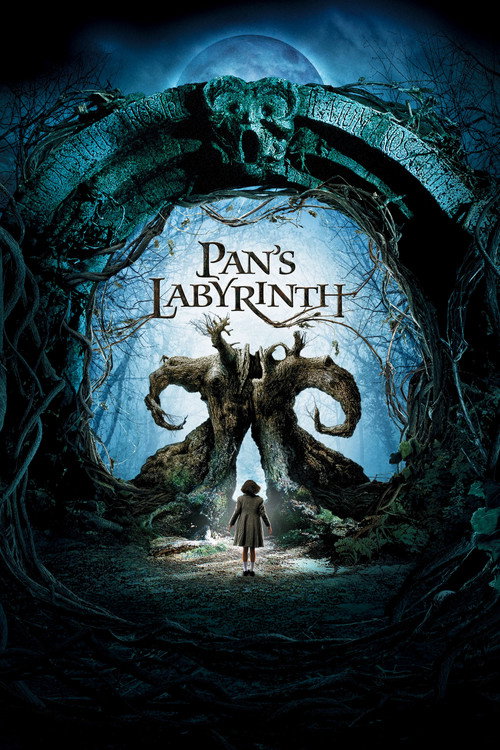
Pan's Labyrinth2006
Both use the grammar of childhood protection (a magical object, a fantasy world) as a Trojan horse for something darker. Both suggest that what saves us might destroy us.
Guillermo del Toro's fantasy-horror hybrid where a magical world offers an escape from fascist Spain, but that escape comes with impossible prices. The creature design is unforgettable, the violence is real, and the child's perspective makes it devastatingly human.
But It's in Spanish with subtitles; the runtime is two and a half hours; and the ending refuses comfort in a way that can feel cruel.
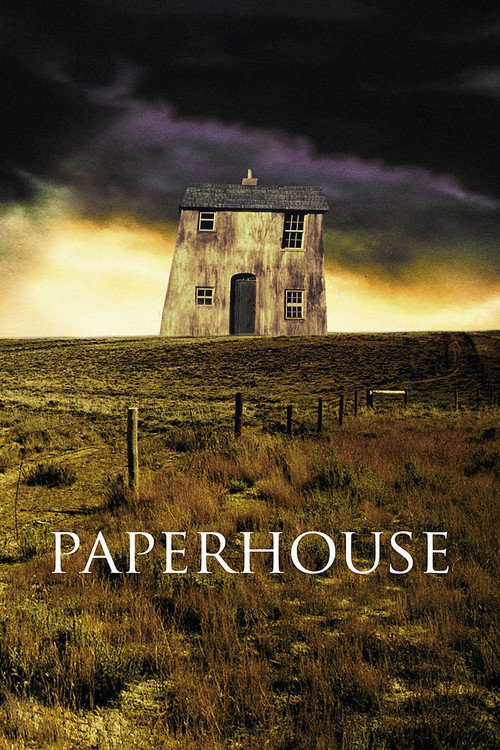
Paperhouse1988
Both concern a gift or creation that becomes a trap; both use the logic of dreams (where objects have inexplicable power) to generate horror. The Dreamcatcher's 11 minutes could expand into Paperhouse's full-length dread.
A neglected British film where a girl's drawings become a doorway to a nightmare landscape. It's dreamlike and unsettling in ways that anticipate modern art-house horror, with genuine creepiness and a child protagonist whose agency matters.
But It's obscure, low-budget, and the pacing is strange by modern standards; it feels like watching something from a half-remembered dream, which is precisely the point.
People
Directing
- Cindy StenbergDirector