
Film
Eerie
- Horror
- Supernatural mystery
- Very dark
A Filipino supernatural thriller set in a claustrophobic Catholic girls' school where a student's gruesome death unravels decades of institutional darkness. It blends psychological dread with crime investigation, anchored by a guidance counselor's determination to expose the truth despite institutional pressure. Atmospheric and genuinely unsettling, it's for viewers who want their horror grounded in real institutional corruption rather than jump scares.
Should you watch it?
Watch it if you like slow-burn school mysteries where the dread builds through whispered rumors, uneasy corridors, and a skeptical heroine prodding at a cover-up.
Skip it if you want jump scares and a fast pace, since this is a patient mystery that spends long stretches on interviews and institutional gloom before the horror takes shape.
What it asks of you: Its shape is leisurely, roughly an hour and forty minutes, built on faces, hallway talk, and slowly thickening unease rather than constant set pieces.
Not sure? Find tonight's pick in a minute.
If you liked this
The Wailing2016
A Korean masterpiece that builds dread through community suspicion and spiritual mystery. Like Eerie, it treats the supernatural as inseparable from human cruelty and institutional failure, layering clues that reward attention without ever fully explaining itself.
But Nearly three hours long and deliberately ambiguous; it resists the satisfaction of a clear resolution, which frustrates viewers seeking tidy answers.

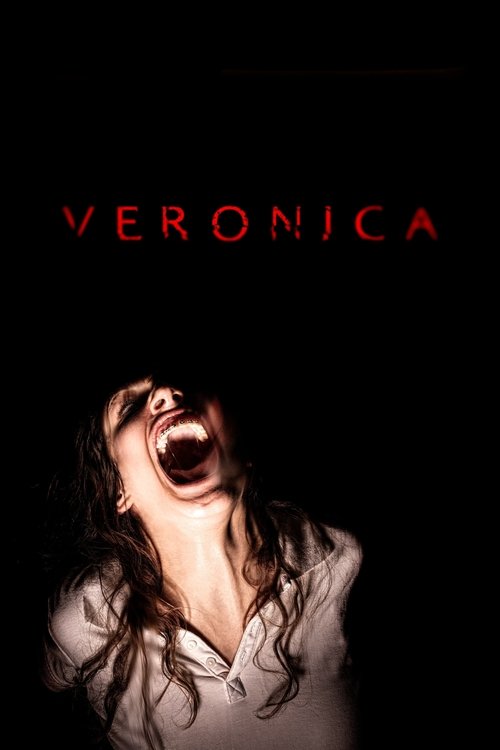
Veronica2017
A Spanish found-footage film centered on a girl's death in a Catholic school that spirals into genuine horror. It shares Eerie's claustrophobic setting and willingness to implicate authority figures in tragedy, building dread through institutional atmosphere rather than spectacle.
But The found-footage format feels dated now, and it relies on darkness and murk that can be harder to follow than traditional cinematography.
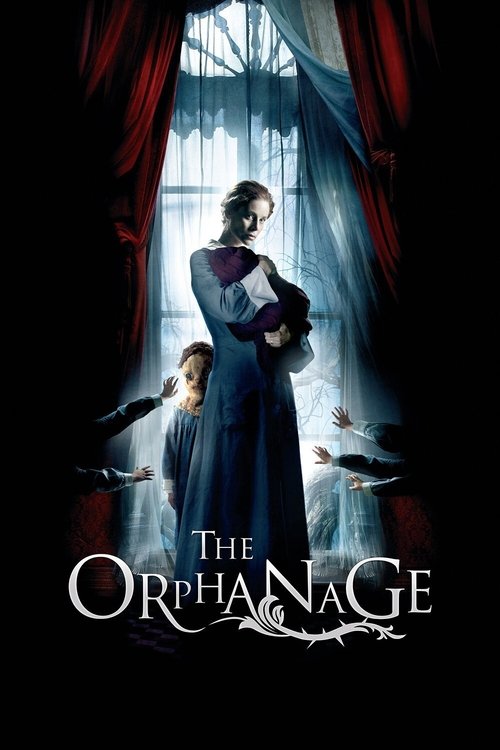
The Orphanage2007
Guillermo del Toro produced this Spanish gem about a woman investigating disappearances at an orphanage. It combines supernatural mystery with institutional secrets, using the building itself as a character while maintaining real emotional stakes and emotional specificity.
But More polished and less raw than Eerie; some find it too conventionally constructed for a ghost story, even a good one.
Not sure tonight? Get a pick in a minute, starting from Eerie
The wildcard
Something you would not have found on your own.
Mulholland Drive2001
Both use a single protagonist's investigation to gradually expose that an entire system is complicit in horror; both suggest the truth is stranger and more systemic than any individual villain.
David Lynch's LA noir uses fragmented narrative and unreliable perspective to explore institutional corruption in entertainment. Like Eerie, it's built on the principle that institutions have deep secrets and that truth requires a guide willing to look unflinchingly. Completely different genre, same structural DNA.
But Famously difficult; it resists conventional plot summary and demands either multiple viewings or tolerance for uncertainty in a three-hour film.

More like this (8)
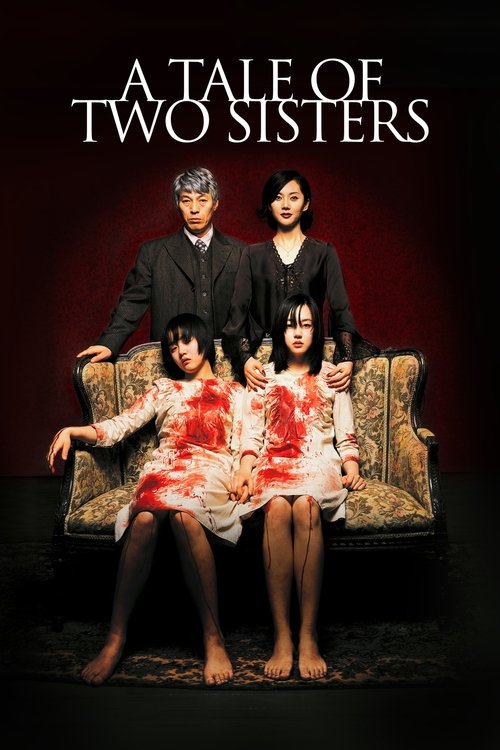
A Tale of Two Sisters2003
South Korean horror that uses institutional settings and authority figures to explore trauma and psychological collapse. Its deliberate pacing and focus on atmosphere over gore creates the same unsettling tone as Eerie, revealing horror as something internal made visible.
But Deliberately cryptic plotting; it refuses to explain its own logic, which some viewers find pretentious rather than provocative.
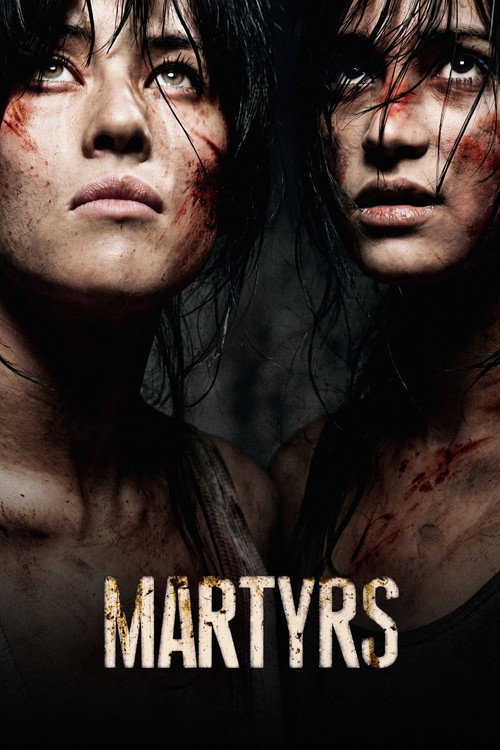
Martyrs2008
A French-Canadian film that unflinchingly explores how institutions perpetuate violence under the guise of spirituality. Like Eerie, it's brutal in its refusal to separate the supernatural from the institutional, asking uncomfortable questions about suffering and belief.
But Genuinely disturbing and graphically violent in ways that overshadow subtlety; it's confrontational art rather than entertainment.
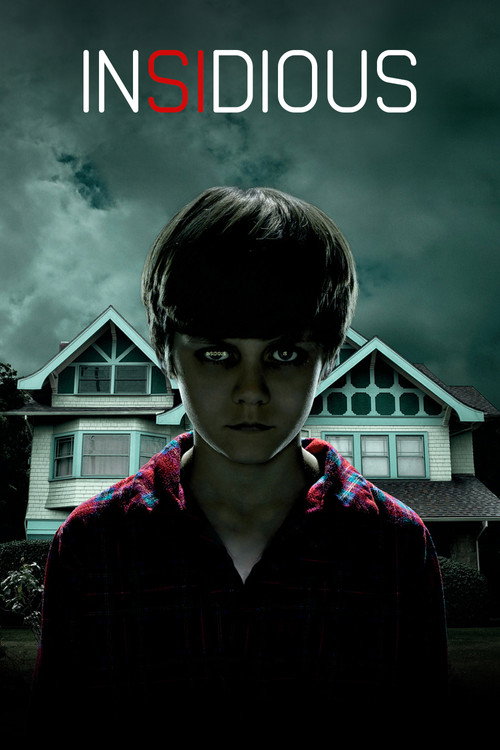
Insidious2011
James Wan's supernatural thriller that builds atmosphere through sound design and shadow work. While less grounded in institutional critique than Eerie, it shares that film's commitment to dread accumulating quietly before erupting into genuine terror.
But The sequels diluted the concept; the original sometimes feels like the entry point to a franchise rather than a complete story.
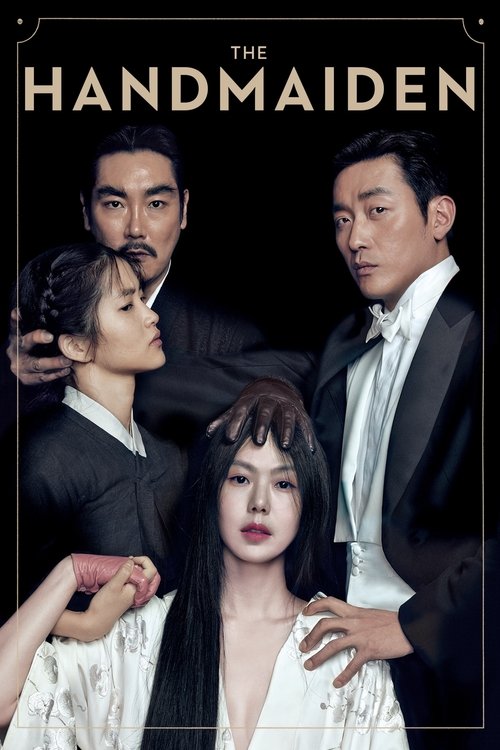
The Handmaiden2016
Park Chan-wook's Korean crime thriller set in a confined world of manipulation and hidden violence. Though a con story rather than supernatural, it shares Eerie's atmosphere of institutional control and its willingness to withhold information to maintain suspense.
But Nearly 2.5 hours with multiple timelines; its narrative structure demands active attention and rewards rewatching more than first viewing.
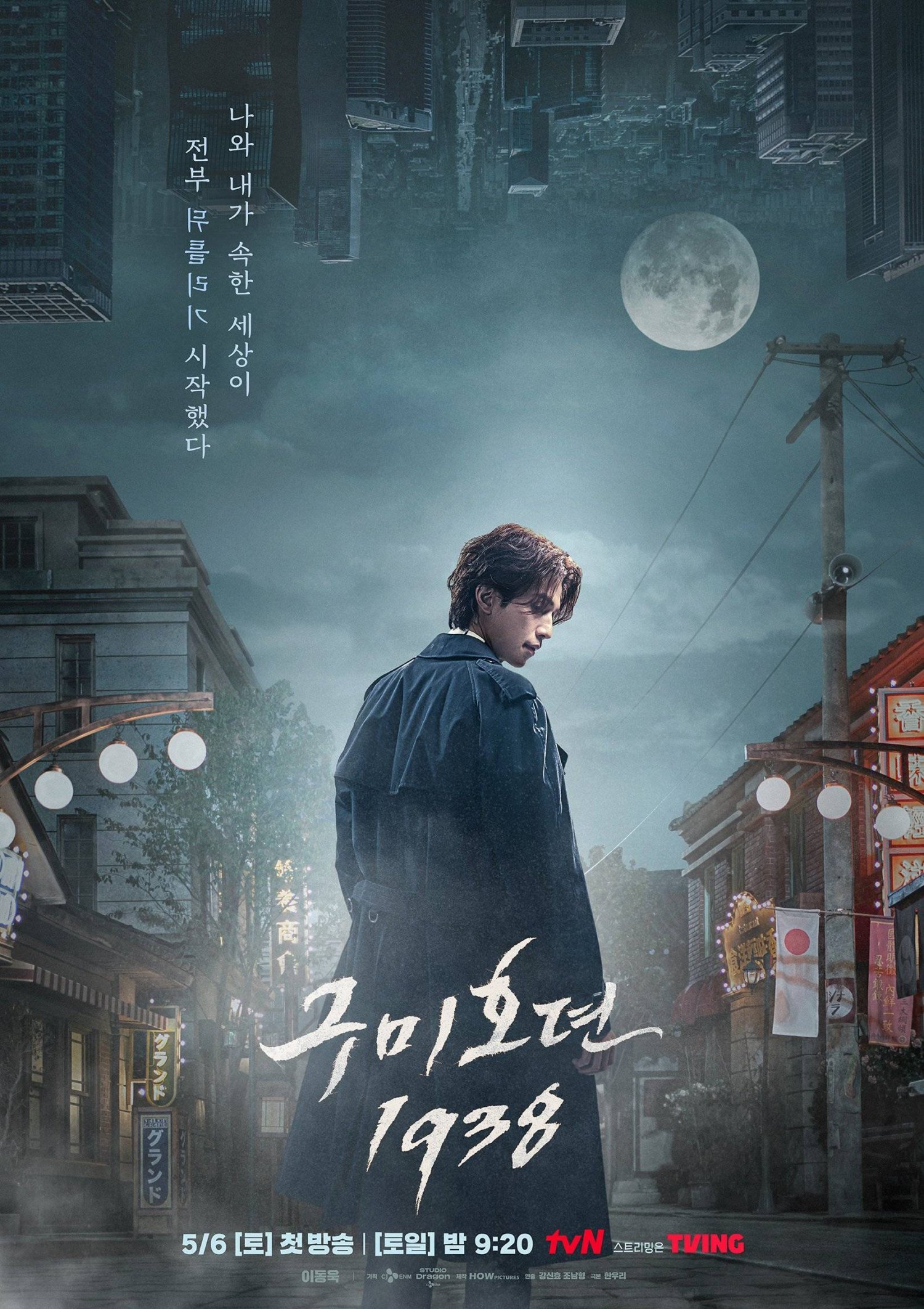
Tale of the Nine Tailed2020
A Korean fantasy-thriller that blends supernatural mythology with institutional crime and bureaucratic cover-ups. Like Eerie, it's interested in how institutions harbor secrets and how ordinary people uncover them, building dread through atmosphere and character.
But The fantasy elements and multiple mythology layers can feel unfocused compared to Eerie's cleaner institutional horror premise.
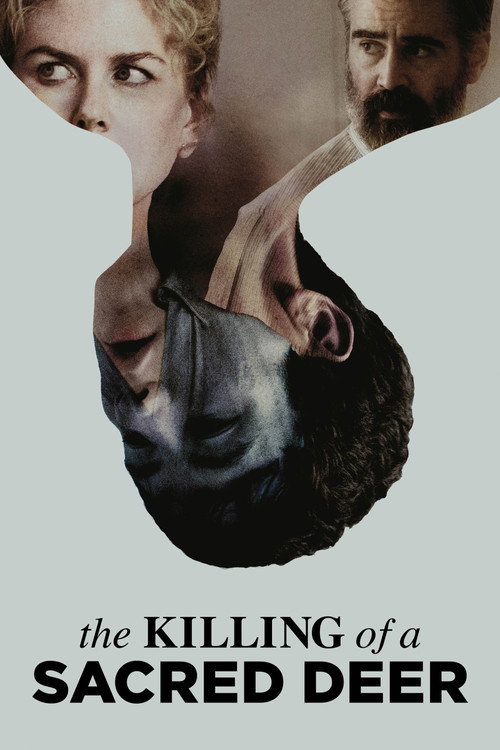
The Killing of a Sacred Deer2017
Yorgos Lanthimos creates mounting dread through formal control and inexplicable menace. It shares Eerie's commitment to atmosphere over explanation and its willingness to implicate respected figures (here, a surgeon) in hidden moral corruption.
But Deliberately stilted dialogue and glacial pacing; it prioritizes mood over plot momentum, which reads as pretentious to viewers wanting a traditional thriller.
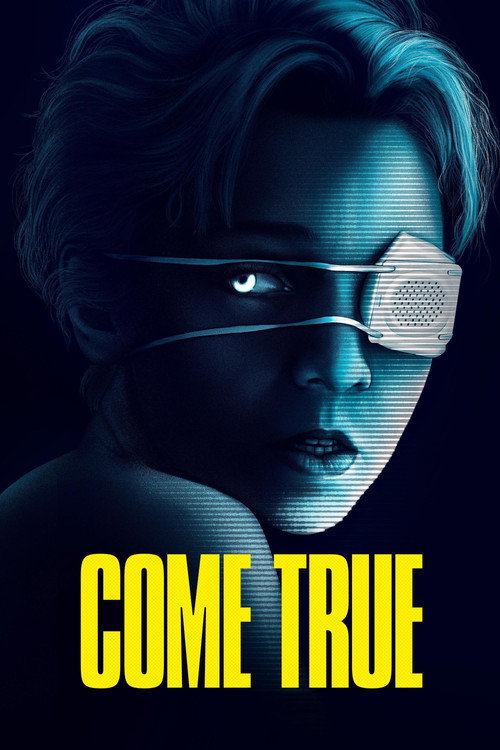
Come True2020
Both are supernatural stories where an institution's bureaucratic neutrality masks systemic cruelty; both suggest horror emerges from the gap between what a place claims to be and what it actually does.
A Canadian sci-fi thriller about sleep studies at an institution where participants experience shared nightmares. It abandons conventional narrative for pure atmospheric dread, using institutional settings as characters while exploring psychological terror through visuals rather than plot.
But Deliberately fragmented and visually abstract; plot takes a backseat to mood, which can feel like pretentious tedium to thriller viewers.
Raw2017
Both use a specific institution—school as microcosm—to explore how systems can fundamentally transform and corrupt individuals, blurring the line between the monstrous and the institutional.
Julia Ducournau's French-Belgian film uses a culinary academy and vegetarian-to-cannibal transformation to explore institutional initiation and bodily autonomy. Surreal and visceral where Eerie is atmospheric, but both treat the institution as a space where identities are violently reformed.
But Graphic and grotesque; genuinely repulsive in ways that go beyond typical horror, challenging viewers' comfort with the medium itself.

People
Cast
 Bea AlonzoPat Consolacion
 Charo SantosMother Alice
 Maxene MagalonaSister Mia
 Jake CuencaJulian Castro
 Gabby PadillaJoyce
 Gillian VicencioErika
 Mary Joy ApostolClara

 Madeleine RedElise's Friend
Directing
- Sheryl Rose M. AndesAssistant Director
- Mikhail RedDirector
Writing
- Mariah ReodicaScreenplay
- Rae RedScreenplay
Production
- Abhi RastogiExecutive Producer
- Gin Kai ChanExecutive Producer
- Justin DeimenExecutive Producer