
Film
White God
- Drama
- Very dark
A Hungarian film that splits between a girl searching for her abandoned dog and the dog's journey through urban streets, culminating in a stunning sequence of animal revolt. Visually stunning and darkly allegorical, it's simultaneously a coming-of-age story, a revenge fantasy, and a scathing look at cruelty disguised as indifference. Challenging and unforgettable.
Should you watch it?
Watch it if you are drawn to coming-of-age stories that treat a girl's stubborn loyalty as seriously as the cruelty around it, and to films that let a fable grow teeth.
Skip it if you find cruelty toward animals hard to sit through, since those scenes are harrowing and the film runs past two hours at a deliberate pace.
What it asks of you: Two hours and one minute of patience, with long stretches of wandering through the city before the tone shifts into something far more agitated.
Not sure? Find tonight's pick in a minute.
If you liked this
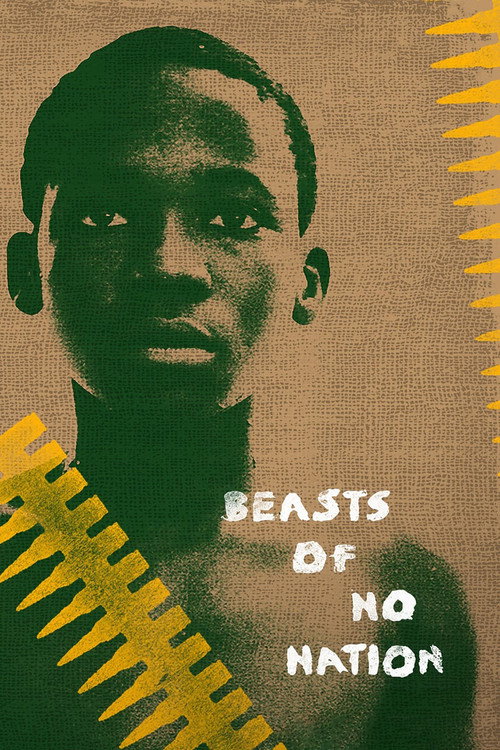
Beasts of No Nation2015
A young person's conscience awakens to systemic cruelty in a brutal world. Like White God, it refuses easy comfort and demands you sit with moral complexity and powerlessness without resolution.
But Extremely difficult viewing about child soldiers and violence. Not cathartic, not uplifting, and deliberately unsentimental in ways that can feel punishing.
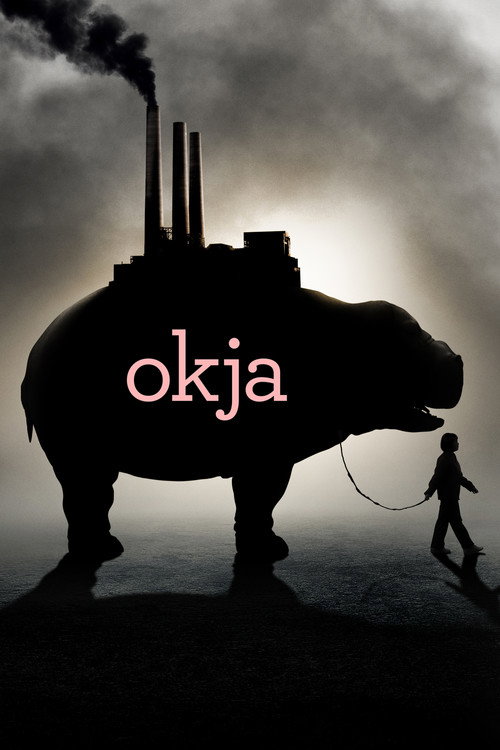
Okja2017
A girl's determination to save an animal she loves from a system designed to exploit it. Both films use animals as moral centers and refuse to let the audience off the hook for complicity in systems of abuse.
But Bong Joon-ho's film is noisier and more overtly political. If you prefer subtlety to sledgehammer messaging, the approach here can feel heavy-handed.
Come and See1985
A young boy's initiation into a world of systematic brutality and the destruction of innocence. Like White God, it's a film about what we're capable of doing to the vulnerable, shot with unflinching vision.
But A Soviet war film of almost unbearable intensity. The violence is not spectacle but documentation, and many find it genuinely traumatizing rather than entertaining.

Not sure tonight? Get a pick in a minute, starting from White God
The wildcard
Something you would not have found on your own.
Stalker1979
Both films use landscape and repetition to suggest spiritual dissolution. The seeker finds what they sought only to discover it meant nothing. Both end in transcendence through loss.
Tarkovsky's science-fiction meditation on desire and the void. Like White God, it's a pilgrimage through a hostile space—here not urban streets but a mysterious zone—where the journey transforms the seeker into something unrecognizable and hollow.
But Soviet science fiction at its most deliberately paced. At 163 minutes, it moves like a dirge. If you need plot or resolution, you will experience this as punishment rather than cinema.

More like this (7)
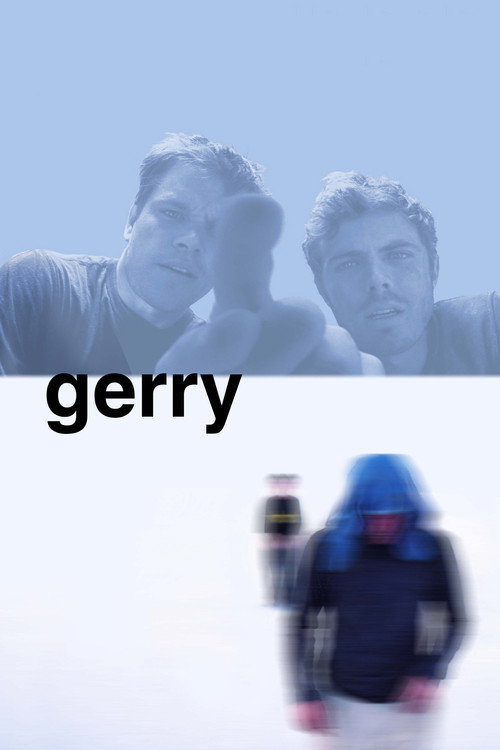
Gerry2002
Two teenagers lose themselves—literally and spiritually—in a landscape indifferent to their fate. Shares White God's interest in how systems abandon the young without mercy or explanation.
But Gus Van Sant's film is glacially paced, dialogue-sparse, and actively hostile to plot. If you need narrative momentum, this will feel punishing and pretentious.
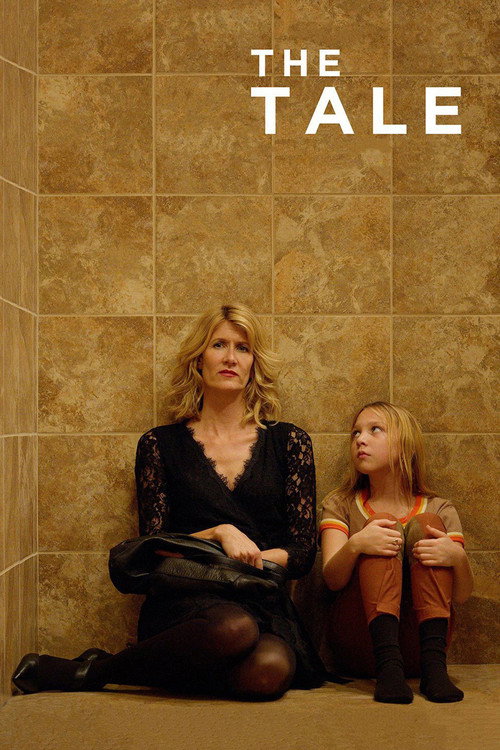
The Tale2018
A woman excavates childhood trauma, told with the fractured logic of memory rather than linear time. Both films trust the audience to hold contradictions and emotional complexity without resolution.
But Formally experimental and emotionally exhausting. It's a film about abuse that doesn't offer catharsis or clear moral closure, which some find unmoored rather than honest.
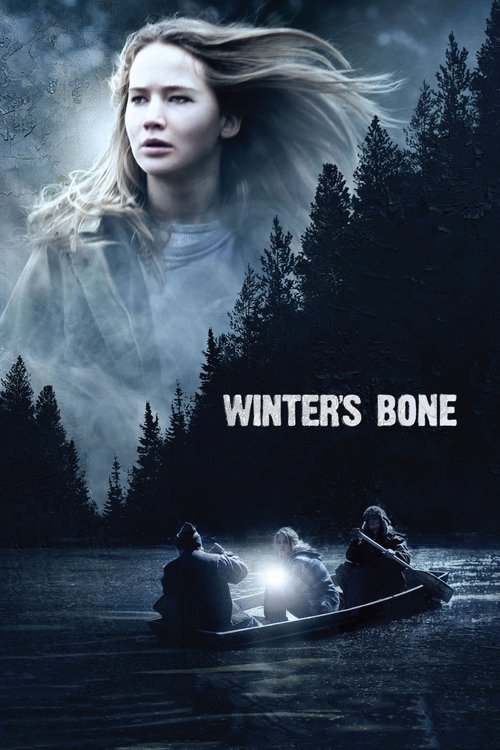
Winter's Bone2010
A young girl navigates a world of adult corruption and cruelty with resilience and moral clarity. Both films center on young people forced to reckon with systems designed to crush them.
But Slow-burn Midwest noir. If you want momentum or explanation for the social structures that created this misery, the film offers only observation, not answers.
The Wailing2016
A Korean mystery that grows stranger and more unsettling the closer you look, refusing to resolve its moral ambiguities. Like White God, it trusts you to sit with uncertainty and the possibility that good intentions lead nowhere.
But Nearly three hours of mounting dread with no clear resolution. The ending provokes debate, not satisfaction, which infuriates viewers looking for closure.

A Ghost Story2017
A meditation on loss, time, and human insignificance told through an unconventional ghost narrative. Both films use their central relationships to explore longing and the impossibility of returning to what's been lost.
But Slow, conceptual, and emotionally abstract. The famous scene of the ghost watching a woman eat pie for five minutes encapsulates why some viewers find this pretentious rather than profound.

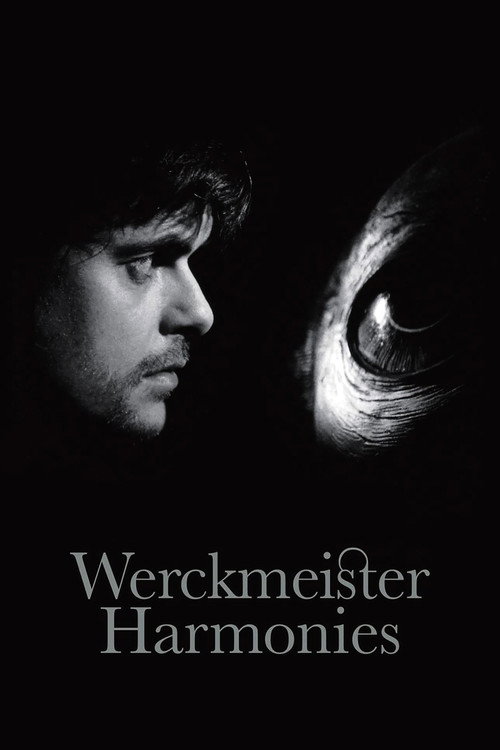
Werckmeister Harmonies2001
Both are Hungarian films about mass violence erupting from systemic indifference. Both use animals and the natural world as harbingers of moral collapse. Both are formally punishing in ways that are intentional, not accidental.
Béla Tarr's Hungarian masterwork about a small town's descent into violence and moral collapse, told through long takes and silence. Like White God, it's a vision of how systems fail the powerless and how civilization is a thin skin over chaos.
But Shot in black and white with minimal dialogue. A single scene can last ten minutes of nearly static camera. This is not entertainment; it's a test of endurance and attention.
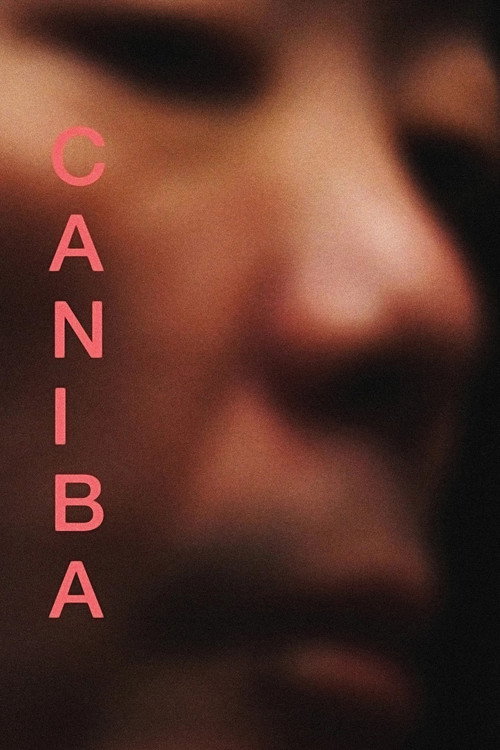
Caniba2017
Both films use transgression—animals rising against humans, a human violating the ultimate taboo—as a mirror for systemic cruelty. Both suggest that the violent act is a response to violence already done, not its source.
A documentary portrait of a cannibal that never explains, judges, or looks away. Like White God, it refuses sentimentality or simple moral categories, instead asking what circumstances push a living thing—human or animal—to consume what it should protect.
But A 76-minute documentary about cannibalism with minimal narration. It's visually disturbing and philosophically opaque. Many viewers will find it exploitative or incomprehensible rather than enlightening.
People
Cast
 Zsófia PsottaLili
- LukeHagen
- BodyHagen
 Sándor ZsótérDániel
 Szabolcs ThuróczyOld man
 Lili MonoriBev
 László GálffiConductor
 Lili HorvátAnya
 Károly AscherPéter
 Gergely BánkiDog-catcher #1
 Erika BodnárNeighbour
 Tamás PolgárDog-catcher #2
Directing
- Kornél MundruczóDirector
Writing
- Kata WéberScreenplay
- Kornél MundruczóScreenplay
- Viktória PetrányiScreenplay
Production
- Alexander BohrAssociate Producer
- Malte ForssellAssociate Producer
- Lili HorvátCasting
- Fredrik ZanderCo-Producer
- Gábor KovácsCo-Producer
- Jessica AskCo-Producer
- Karl BaumgartnerCo-Producer
- Michael WeberCo-Producer
- Viola FügenCo-Producer
- Eszter GyárfásExecutive Producer
- Judit SósLine Producer
- Viktória PetrányiProducer
- Friederike Sophie SteinbeckProduction Manager
- Gábor TéniProduction Manager