
Film
Caniba
- Serial killer
- Very dark
- Strange
- Slow-burning
Caniba is a haunting documentary that follows Issei Sagawa, a man whose notoriety stems from a cannibalistic murder in 1980s Paris, and explores his fractured relationship with his brother Jun. Director Régis Gérard constructs something more philosophical than sensational—a meditation on desire, transgression, and family fracture that refuses easy judgement. It's challenging, uncomfortable, and demands a viewer willing to sit with moral vertigo.
If you liked this
The Act of Killing2012
Werner Herzog's film asks perpetrators of mass violence to reenact their crimes, creating a surreal, disturbing portrait of how atrocity is rationalized. Like Caniba, it refuses voyeurism and instead examines the psychology of violence from inside.
But The methodology feels deliberately provocative, and some will find it exploitative or philosophically unsound regardless of intent. It's long and requires moral stamina.

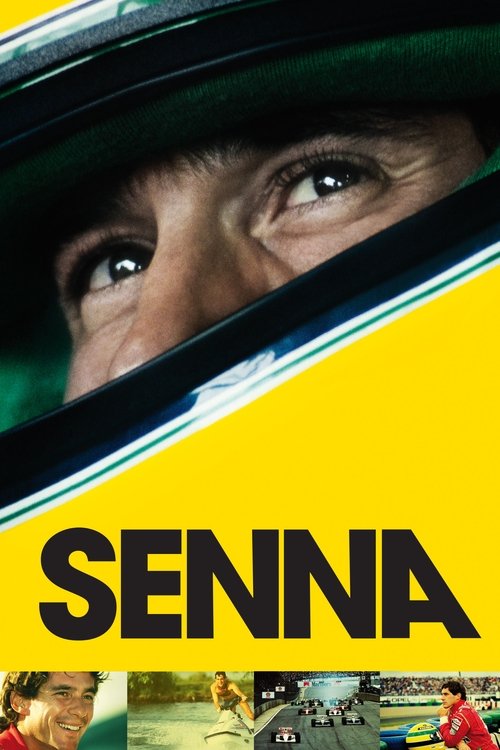
Senna2010
Asif Kapadia's documentary reveals a complex, contradictory figure through archival material and intimate testimony. It shares Caniba's interest in obsession and the gap between public myth and private reality, with equal visual sophistication.
But The subject is a racing driver, not a criminal—if you don't care about F1, the granular technical detail may bore you regardless of the storytelling skill.
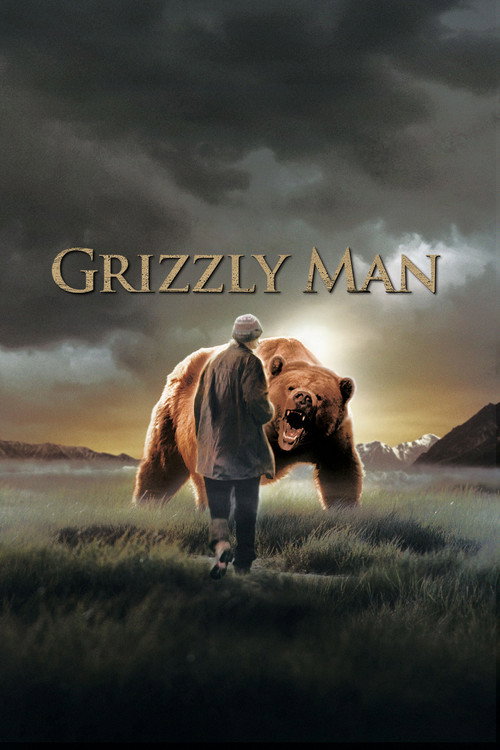
Grizzly Man2005
Herzog again: a portrait of Timothy Treadwell and his fatal obsession with bears. It's hypnotic, funny in dark moments, and ultimately tragic—a study of how desire and delusion can be indistinguishable.
But Long stretches of bear footage and wilderness audio may feel slow if you're looking for narrative momentum rather than philosophical immersion.
Not sure tonight? Get a pick in a minute, starting from Caniba
The wildcard
Something you would not have found on your own.
Synecdoche, New York2008
Both examine the space between inner compulsion and external action, where delusion and authenticity become indistinguishable. Both require the viewer to sit with discomfort rather than resolve it.
Charlie Kaufman's film collapses art and life into a single obsessive vision—a director staging his own existence while losing control of it. Like Caniba, it's about how desire and obsession warp perception until reality becomes unnavigable.
But Deliberately baroque and exhausting. It doubles back on itself, and some will find it pretentious or simply too much to parse.

More like this (7)
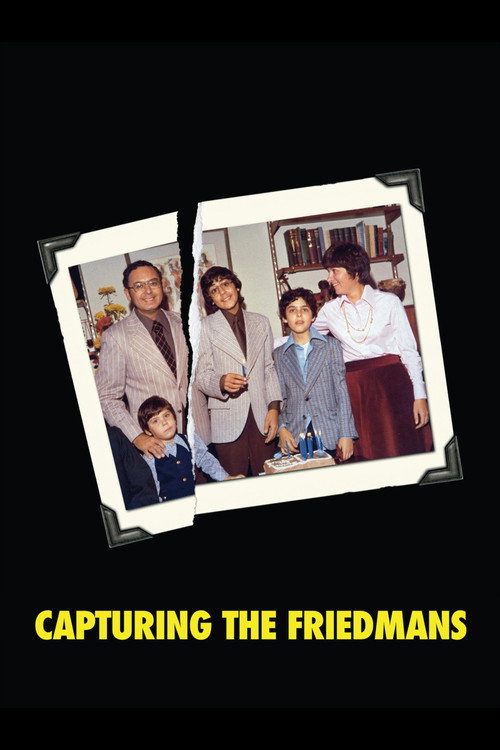
Capturing the Friedmans2003
An ordinary suburban family collapses under accusations of abuse. Andrew Jarecki presents contradictory evidence and family recordings that implicate everyone and no one, leaving you genuinely uncertain. It mirrors Caniba's refusal to deliver moral clarity.
But The ambiguity about actual guilt troubles many viewers. Some will feel manipulated by the filmmaker's neutrality on serious allegations.
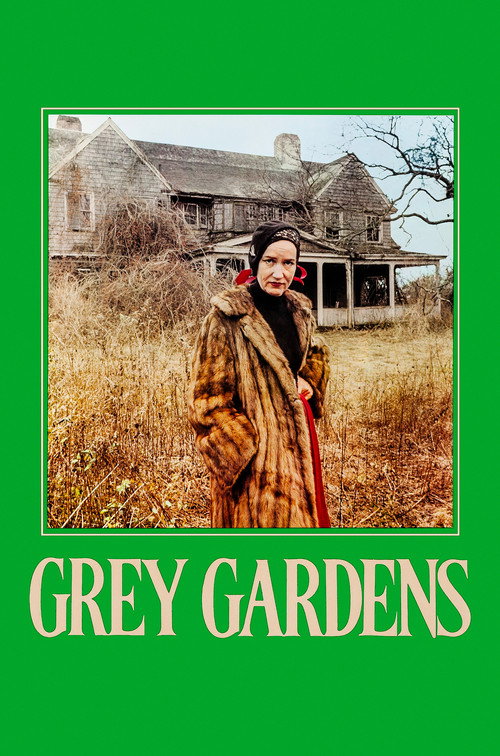
Grey Gardens1976
The Maysles brothers document two reclusive women of aristocratic descent living in squalor. It's intimate, bizarre, and compassionate—a portrait of eccentricity and family dysfunction rendered with anthropological patience.
But It's very slow, very strange, and the subjects are neither sympathetic nor entirely likeable. If you want a clear emotional through-line, you won't find it.
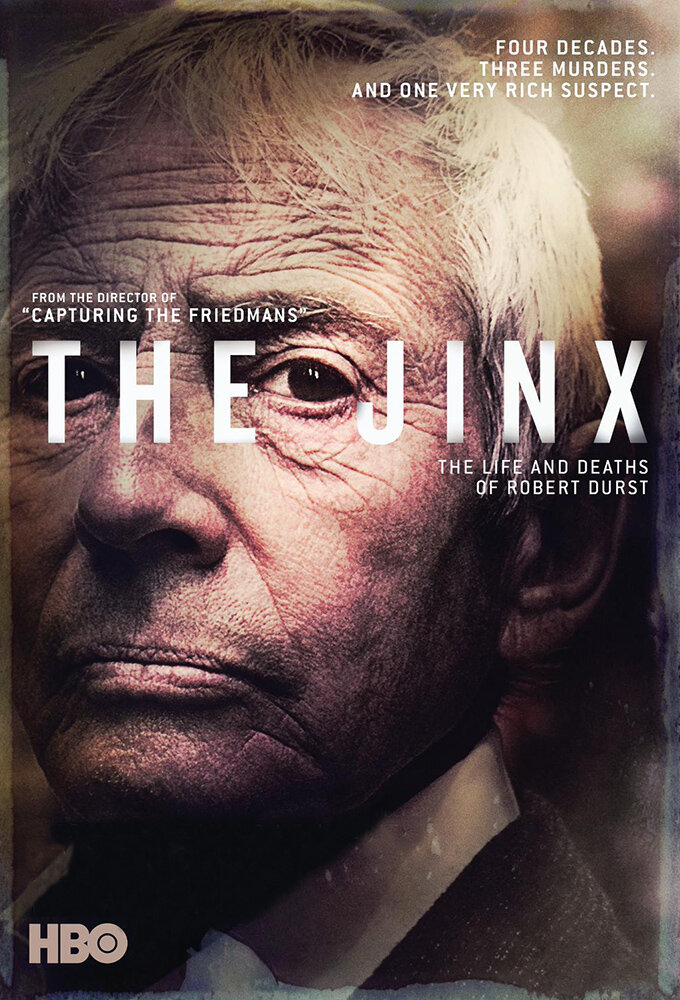
The Jinx: The Life and Deaths of Robert Durst2015
Andrew Jarecki's HBO miniseries follows Robert Durst, a man linked to three murders, as he grants extensive interviews. It's forensic and hypnotic—a real-time portrait of a subject revealing himself (or so it appears).
But Six hours is substantial, and the narrative structure relies on cliffhangers that some find manipulative. The legal aftermath may feel incomplete depending on when you watch.
A Ghost Story2017
David Lowery's meditation on time, loss, and obsession uses a simple image—a man under a white sheet—to generate philosophical depth. Like Caniba, it's elliptical and demands active interpretation.
But It's more experimental than narrative-driven. Long takes and sparse dialogue will feel like nothing happening if you're watching passively.

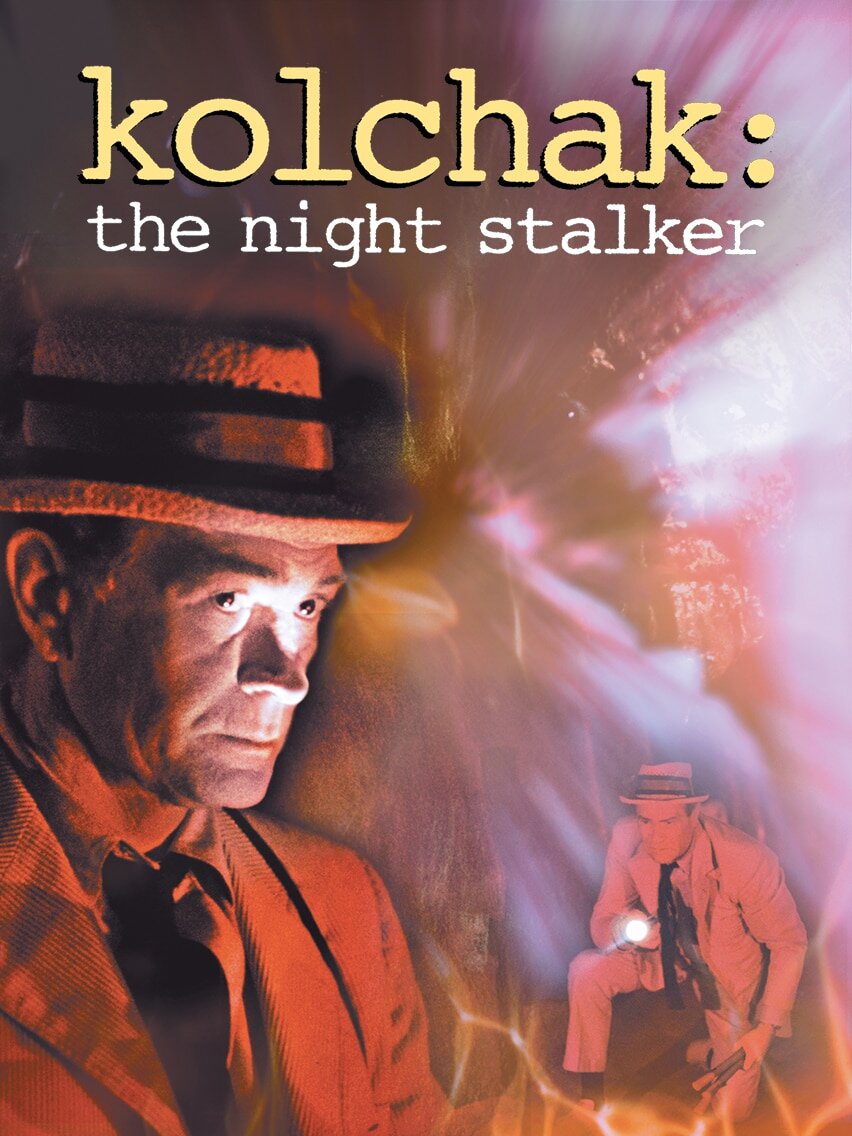
Kolchak: The Night Stalker1972
Netflix's limited series examines Richard Ramirez through interviews and archival material. It's methodical true crime that doesn't sensationalize, treating the investigation as a human problem rather than entertainment.
But True crime has become formula; this follows it closely. If the genre feels exhausted to you, this won't convince you otherwise despite its restraint.
Come and See1985
Both films insist on looking directly at transgression and suffering without looking away or offering catharsis. Both treat the viewer's discomfort as morally necessary.
Elem Klimov's 1985 Soviet film follows a boy conscripted into WWII. It's a visceral, merciless portrait of how innocence is destroyed by circumstance—unbearable but essential viewing about the human capacity for horror.
But It is genuinely traumatic to watch. Extreme violence, disturbing imagery, and an atmosphere of relentless dread make it grueling even by demanding-film standards.

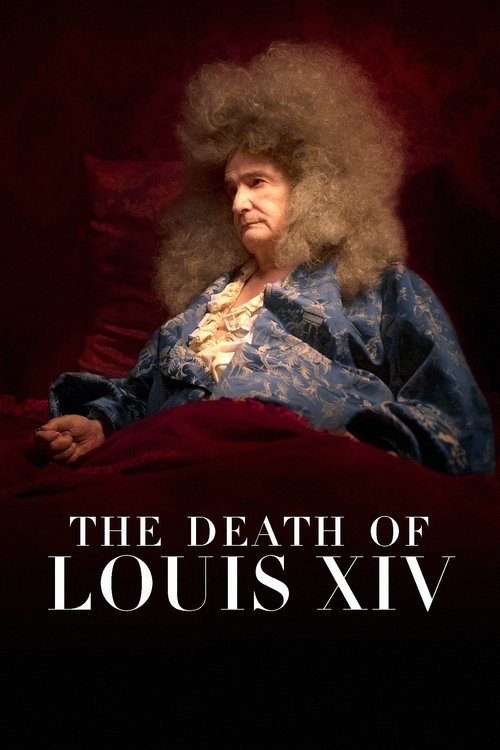
The Death of Louis XIV2016
Like Caniba, it uses a specific historical figure to explore fundamental human states—here, mortality; there, transgression. Both are visually refined investigations of subjects cinema usually sensationalizes.
Albert Serra's film is a chamber piece about a dying king, shot in long takes with painterly precision. It's meditative, strange, and hyperfocused on the body, decay, and the small rituals that accompany dissolution.
But Almost nothing happens. If you need event or momentum, this will feel like watching paint dry—intentionally, unapologetically.
People
Cast
 Issei SagawaHimself
- Jun SagawaHimself (Brother of Issei)
 Yoko SatomiHerself
Directing
- Lucien Castaing-TaylorDirector
- Véréna ParavelDirector
Production
- Lucien Castaing-TaylorProducer
- Valentina NovatiProducer
- Véréna ParavelProducer