
Film
The Exorcist: Martyrs
A detective haunted by her victory over a satanic killer faces a copycat who drags her back into supernatural horror. Part procedural, part possessed-child nightmare, this is *Exorcist* lore meets detective thriller—a franchise entry that trusts Scarlett Johansson's weariness as much as its jump scares. For people who want their horror grounded in character and consequence.
Should you watch it?
Watch it if you like horror where the scares grow out of a haunted investigator's unfinished business, and you're willing to sit with grim material.
Skip it if you need a standalone story, since this leans heavily on the earlier film's history and puts a violent crime against a child at its grim center.
What it asks of you: Probably a patient, grimly paced build, heavy on investigation and backstory, with dread doing most of the work before anything gets loud.
Not sure? Find tonight's pick in a minute.
If you liked this
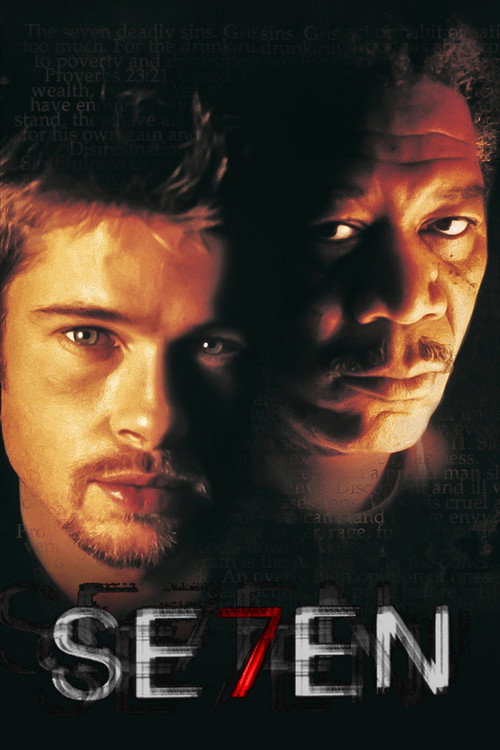
Se7en1995
A detective chasing a killer through moral darkness, where past cases haunt present ones. Fincher's mastery of dread and Pitt's exhaustion set the template—intelligent, bleak, and terrifying without relying on gore alone.
But Genuinely punishing. The ending offers no catharsis, only despair. If you need your thrillers to restore faith in something, this will leave you hollow.
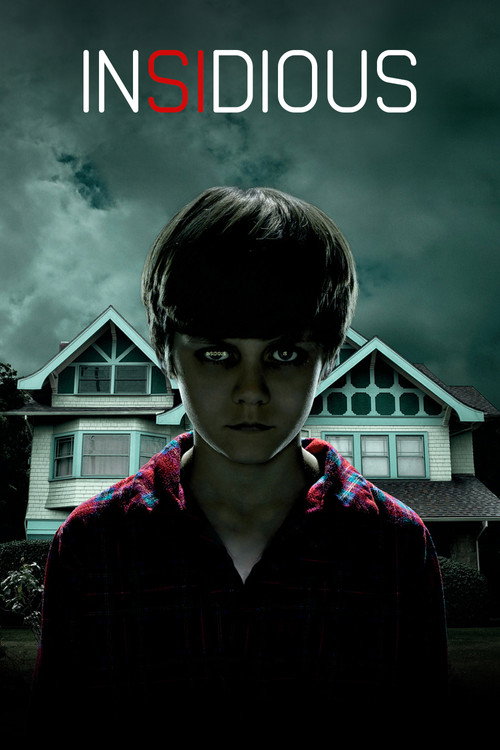
Insidious2011
James Wan proves that supernatural horror works best when you care about the family at its center. The Lamberts' love for their son makes the possession terrifying in ways jump scares alone never could.
But The rules for the spirit world get fuzzy fast. Once you start thinking about the mechanics, some sequences feel less inevitable and more convenient.
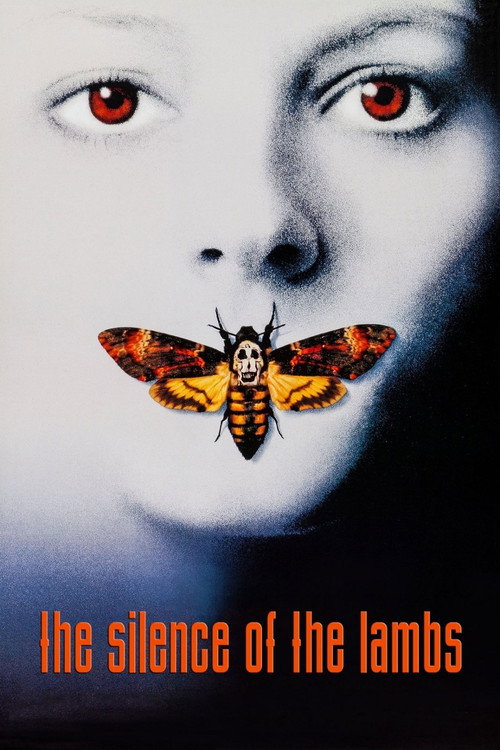
The Silence of the Lambs1991
A female detective closing in on evil, shaped by a mentor she half-trusts. Demme's psychological precision—the way he builds dread through conversation—influenced every thriller since. Hopkins steals it, but Scott Clarkson carries it.
But The serial killer is so magnetic that some viewers drift toward rooting for the wrong side. Also, it's not really a horror film, which might disappoint if that's what you came for.
Not sure tonight? Get a pick in a minute, starting from The Exorcist: Martyrs
The wildcard
Something you would not have found on your own.
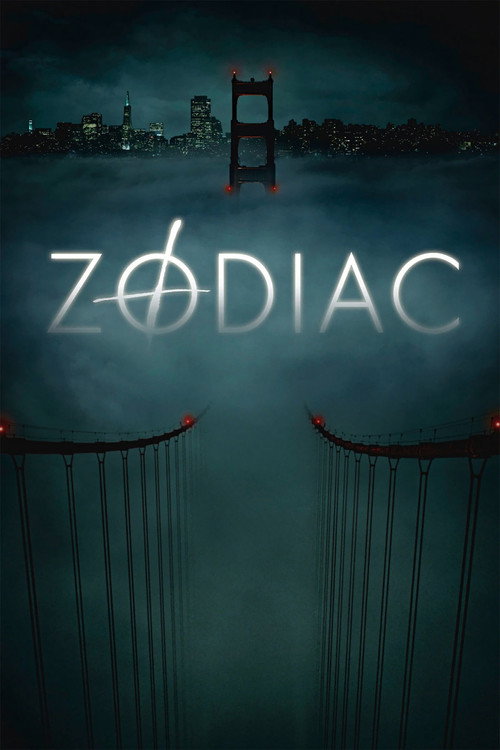
Zodiac2007
Both center a detective whose past case defines her present; both ask if catching the killer is enough to save yourself.
Fincher's obsessive procedural about hunting a killer who stays invisible. Like *Martyrs*, it asks whether catching the monster matters if it's destroyed you first. The investigation *is* the horror—meticulous, cold, slowly consuming the men pursuing it. No supernatural elements needed.
But Three-and-a-half hours of detective work with no cathartic ending. If you need closure or a clear victory, this film treats both as naive.
More like this (8)
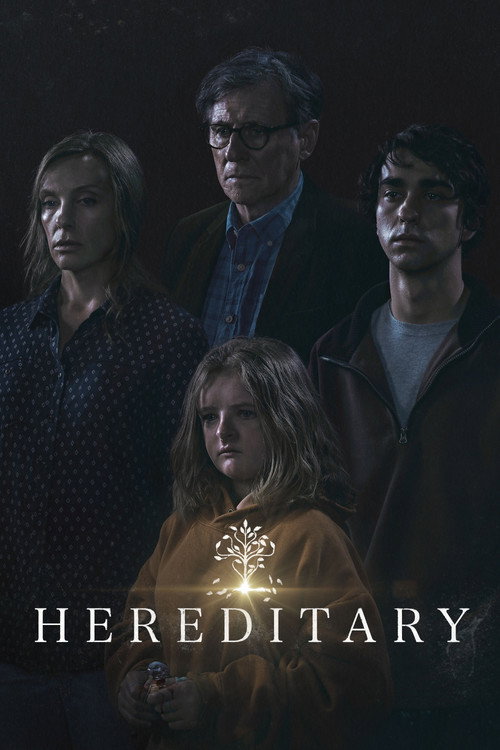
Hereditary2018
Ari Aster captures how grief and family trauma can open doors to something far worse. Toni Collette's performance alone justifies watching; the film's willingness to let horror consume everything earns the rest.
But Bleak to the point of nihilism. The finale might feel like the film hates its characters. Some find that honest; others find it exhausting.
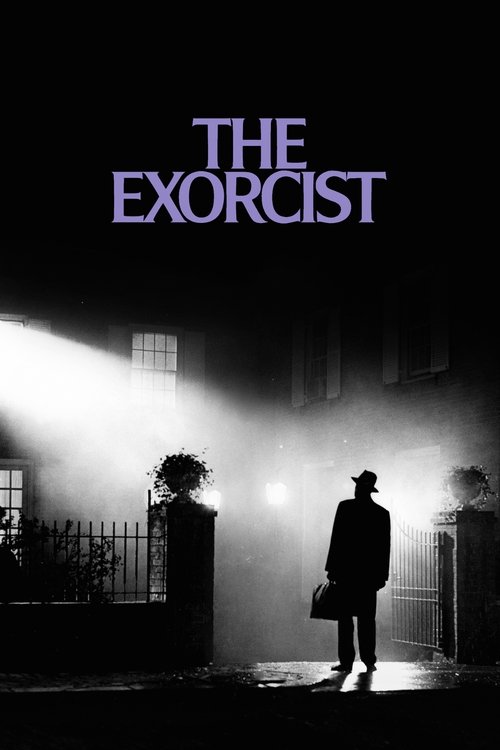
The Exorcist1973
Obviously. Friedkin's original remains the gold standard: operatic possession horror that plays as tragedy. Every *Exorcist* film since is in conversation with it. You need to know what the conversation began with.
But Glacially paced by modern standards. The possession itself doesn't arrive until the film is half over. If you need instant gratification, even the director's cut will test your patience.
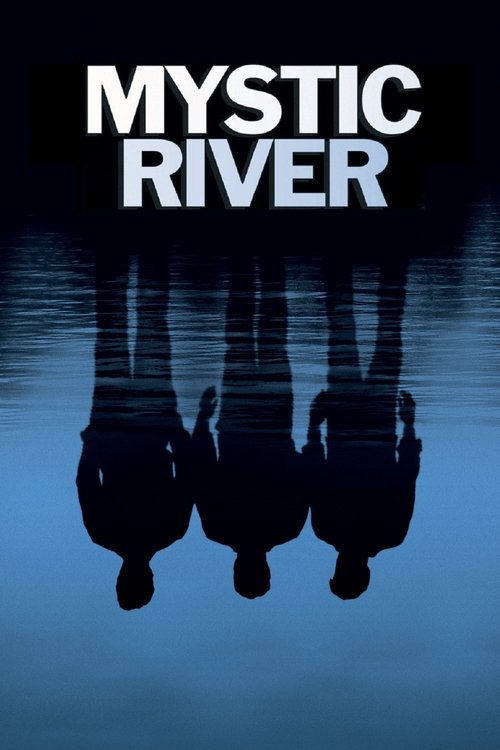
Mystic River2003
Three childhood friends haunted by an unsolved crime. Eastwood's film is about how trauma echoes across decades, coloring everything. The detective work matters less than what it costs the people investigating.
But Slow-burn character study disguised as a thriller. If you want propulsive plot momentum, this bogs down in drinking scenes and regret instead.
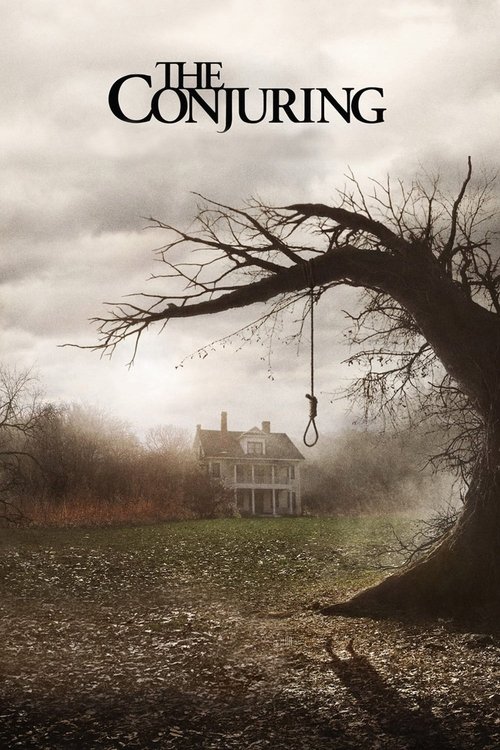
The Conjuring2013
James Wan's best work. A haunting built on craft: editing, sound design, performance. Vera Farmiga and Patrick Wilson as paranormal investigators bring warmth and competence that makes the scares land harder.
But Relies heavily on jump scares and jump-scare grammar. Once you clock the rhythm, it stops working. The third act also veers toward blockbuster finale energy instead of sustained dread.
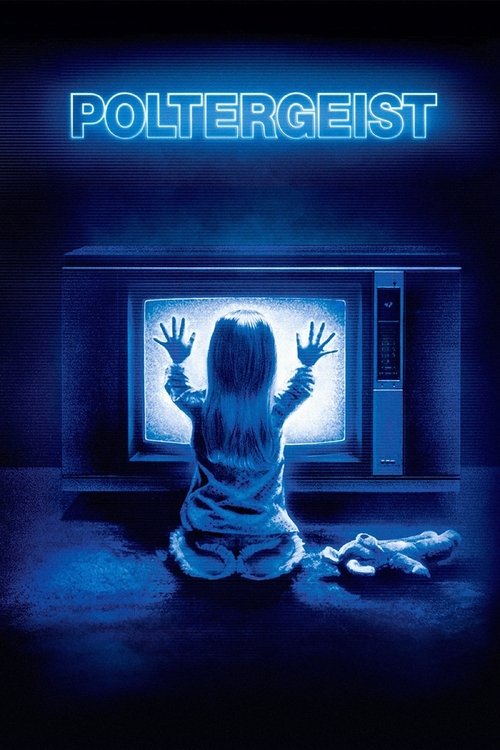
Poltergeist1982
Hooper and Spielberg merge suburban Americana with genuine cosmic wrongness. The Freeling family's home becomes a character itself. It's fast-moving, clever, and genuinely inventive in how it stages the supernatural.
But The tonal blend—part comedy, part terror, part adventure—can feel scattered. Some sequences undercut the scares with levity that doesn't quite land.
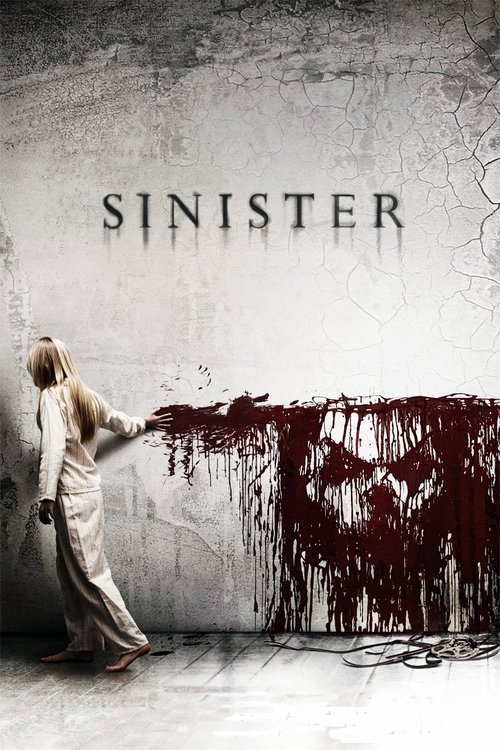
Sinister2012
Ethan Hawke as a true-crime writer whose research becomes an obsession. Scott Derrickson builds a sense of dread so effective that you'll dread watching the found-footage sequences. Enormously clever about how it structures information.
But The jump scares, while earned, are orchestrated rather than surprising. Once you understand the film's logic, repeat viewings lose their punch.
The Wailing2016
Both weaponize religious imagery; both ask whether faith protects or endangers. Both feature protagonists trying to stop something that might be unstoppable.
A Korean masterpiece about a village plagued by mysterious deaths. Is it evil? Is it God? The film refuses to choose, spiraling through multiple interpretations until you can't trust anything. Occult horror that operates on pure atmosphere and faith-based ambiguity.
But Two hours fifty-six minutes, subtitled, and deliberately cryptic. It wants you confused. The ending offers no clarity, only more questions. Very European in that regard.

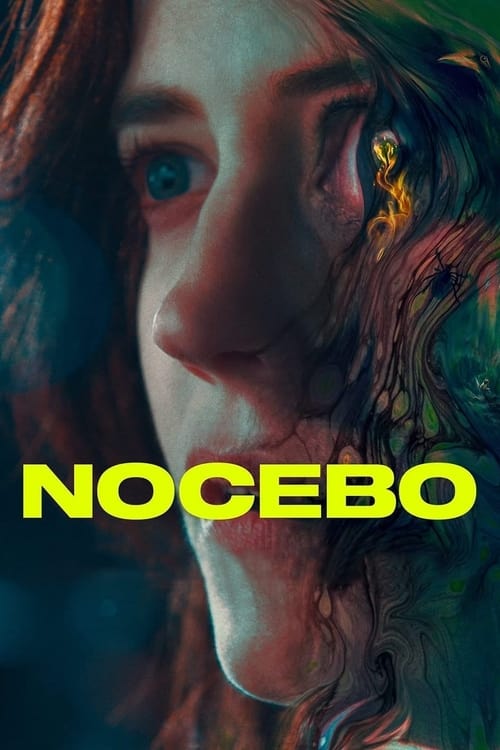
Nocebo2022
Both explore how much of the horror lives in the victim's mind and body; both treat the detective/witness as inadequate to explain what's happening.
Lorcan Finnegan's film about a woman whose psychosomatic illness becomes real—or does it? Riseborough gives a performance of genuine unraveling. It's possession without the demon: the body as a landscape where reality fractures. Unsettling and precise.
But Slow, deliberately oblique. It's more interested in dread and bodily horror than plot. Some will find it arty and remote instead of scary.
People
Cast
 Scarlett JohanssonDet. Julie Miller
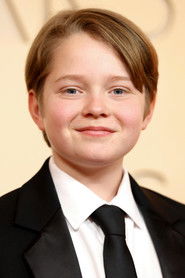 Jacobi JupeMax Miller
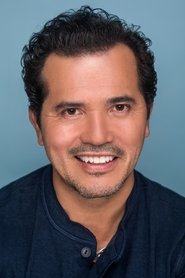 John LeguizamoFather Sunday
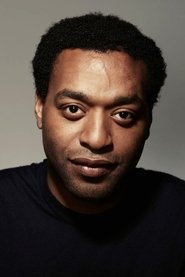 Chiwetel EjioforFather William
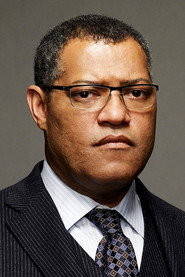 Laurence FishburneFather Nichol
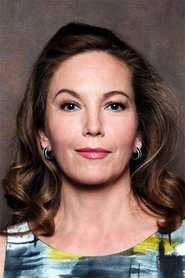 Diane LaneMary Miller
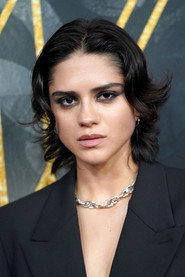 Sasha CalleDet. Gina Restrepo
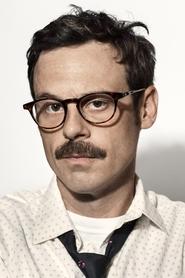 Scoot McNairyClay Silver
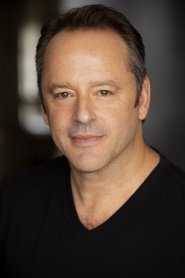 Gil BellowsPeter Nicks
Directing
- Mike FlanaganDirector
Writing
- Mike FlanaganWriter
Production
- Ally ConoverCasting
- Sarah Domeier LindoCasting
- Terri TaylorCasting
- Alexandra MagistroExecutive Producer
- Karl FrankenfieldExecutive Producer
- Ryan TurekExecutive Producer
- David RobinsonProducer
- Jason BlumProducer
- Mike FlanaganProducer