
Television series
American Horror Stories
- Horror
- Very dark
- Dip in and out
A spin-off anthology where each episode is a standalone horror story, no prior knowledge needed. Episodes vary wildly in tone and quality—some are genuinely creepy, others feel like rejected drafts. Think horror comfort food: you're guaranteed atmosphere and occasional brilliance, but consistency isn't the point. Best for viewers who like dipping in and out without commitment.
If you liked this
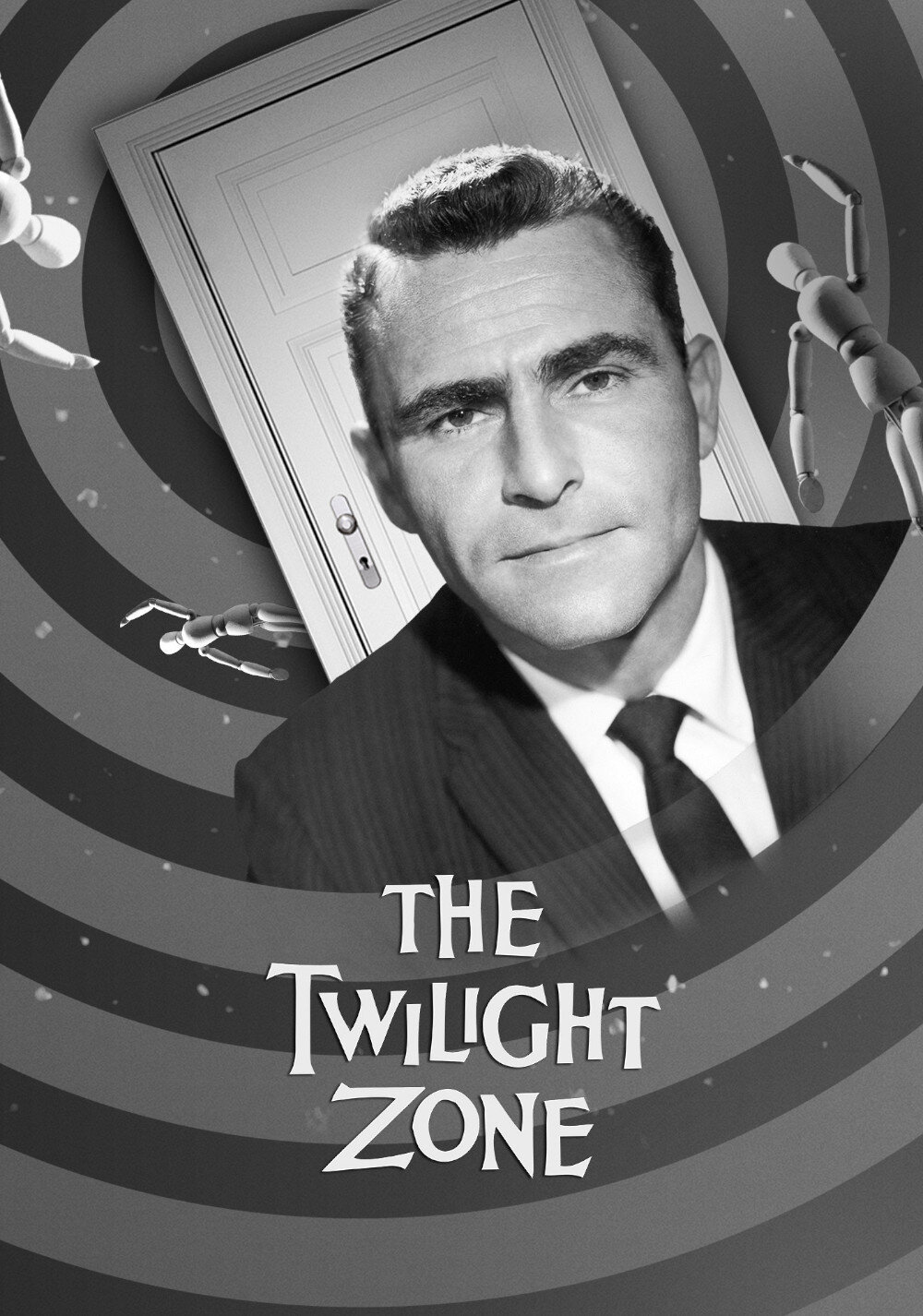
The Twilight Zone1959
The gold standard of anthology horror-sci-fi. Tight, clever scripts with genuine scares and philosophical bite. Each episode reinvents the wheel in under 30 minutes. Endlessly rewatchable.
But Black-and-white 1950s pacing will feel glacial if you're used to modern jump-scares. Some episodes are dated in their social attitudes.
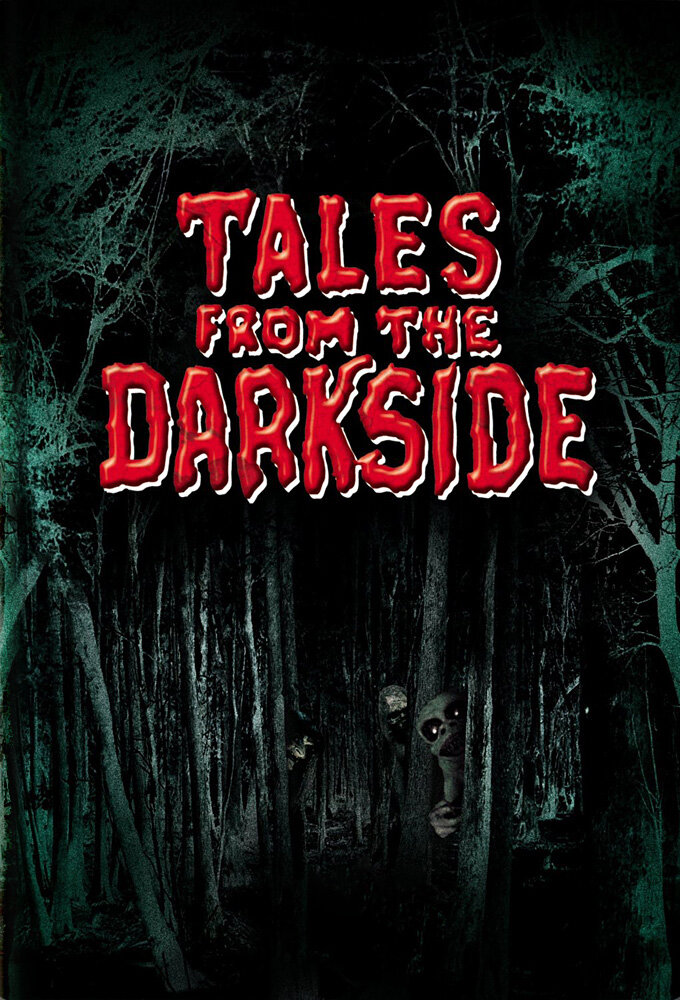
Tales from the Darkside1984
Gloriously trashy horror anthology that knows exactly what it is. Inventive, often grotesque, sometimes genuinely unsettling. Pure pulp energy without apology. Each story is a small, twisted gift.
But Production values are threadbare by modern standards. The writing is uneven—some stories are silly rather than scary.
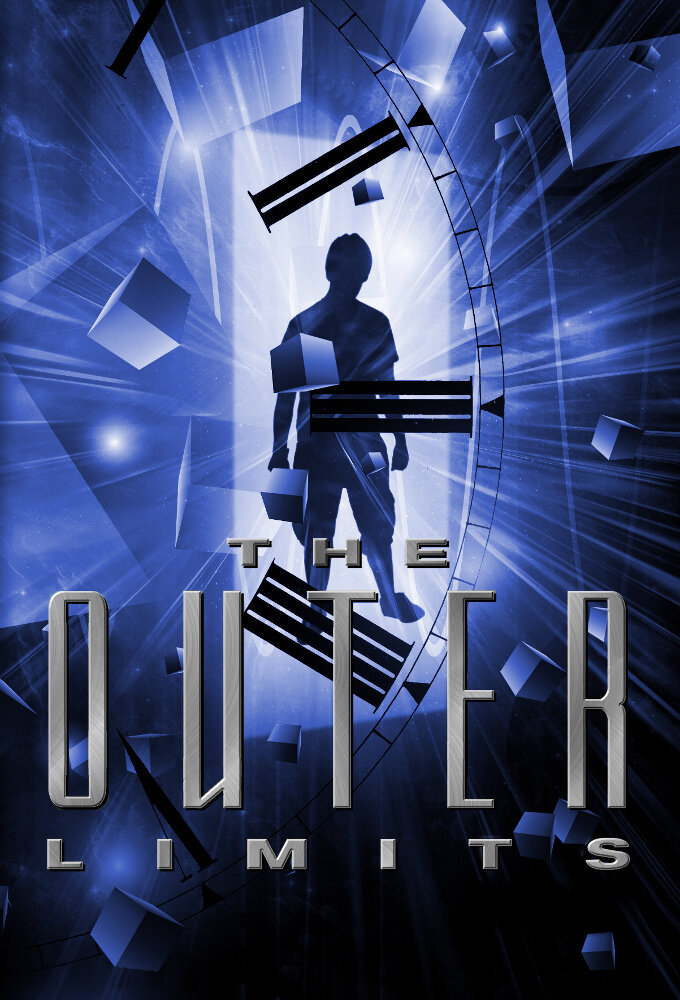
The Outer Limits1995
Sci-fi horror anthology with real production budget and ambition. Episodes range from psychological terror to body horror to cosmic dread. Consistently inventive creature and concept work. Cult following for good reason.
But Dated CGI and practical effects in places. Some episodes lean too hard on schlock.
Not sure tonight? Get a pick in a minute, starting from American Horror Stories
The wildcard
Something you would not have found on your own.
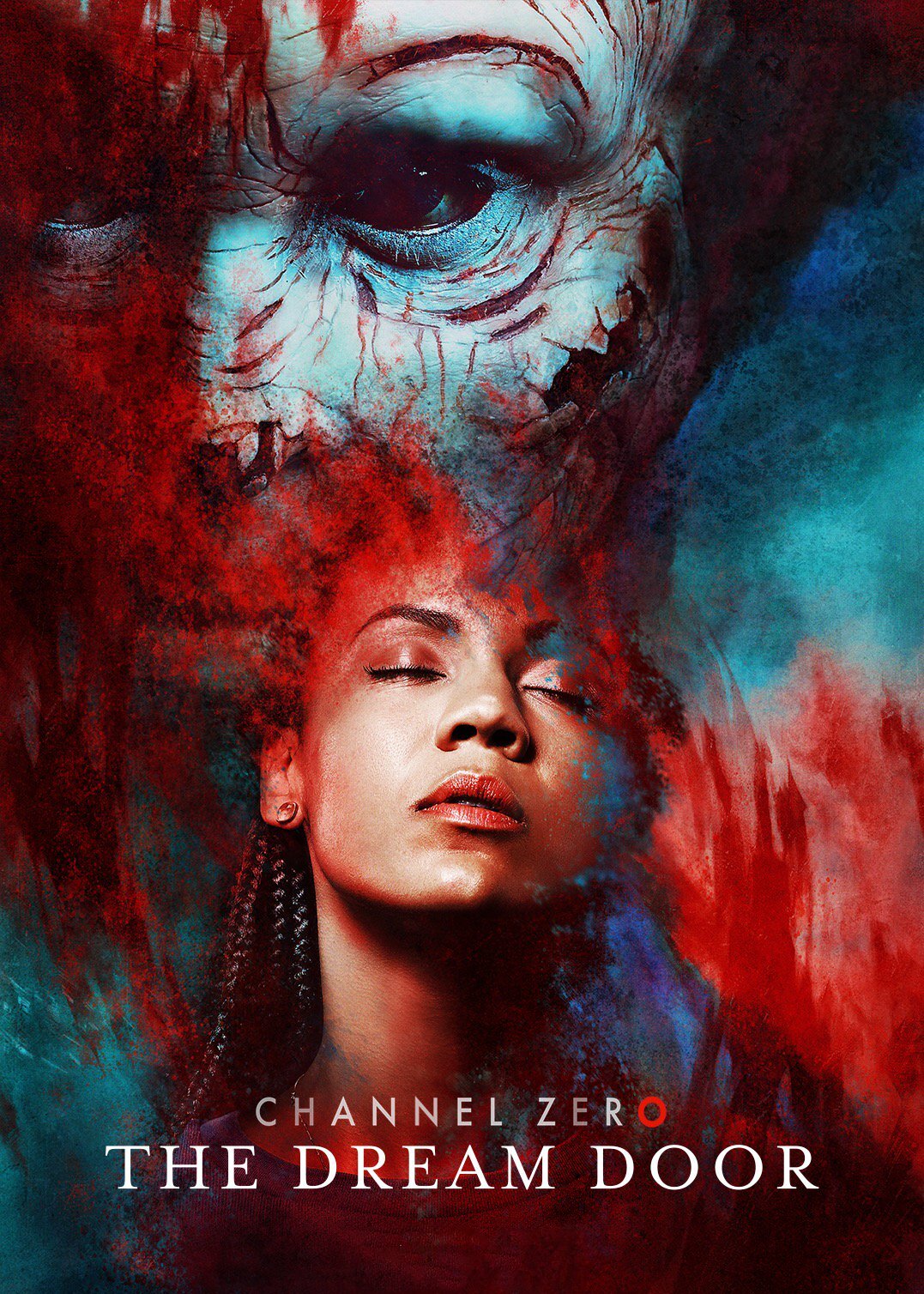
Channel Zero2016
Both are anthology-adjacent shows that use episodic structure to explore horror concepts, but Channel Zero commits to serialized storytelling and sustained dread rather than reset-button stories.
Each season is a self-contained story about children encountering cosmic horror through a disturbing TV signal. Genuinely unsettling in ways that avoid jump-scares. The best season (Butcher's Block) is as good as modern horror television gets. Weirdness that earns itself.
But Cancelled after four seasons, so no closure to mythology questions. Some episodes prioritize atmosphere over plot, which frustrates plot-driven viewers.
More like this (8)
Masters of Horror2005
Legendary horror directors get an hour and a budget to make a standalone story. Wild inconsistency actually works in its favour—keeps you off-balance. Best episodes are genuinely memorable; worst are fascinating failures.
But The inconsistency cuts both ways. Some episodes feel sluggish or incomprehensible. Not beginner-friendly horror.
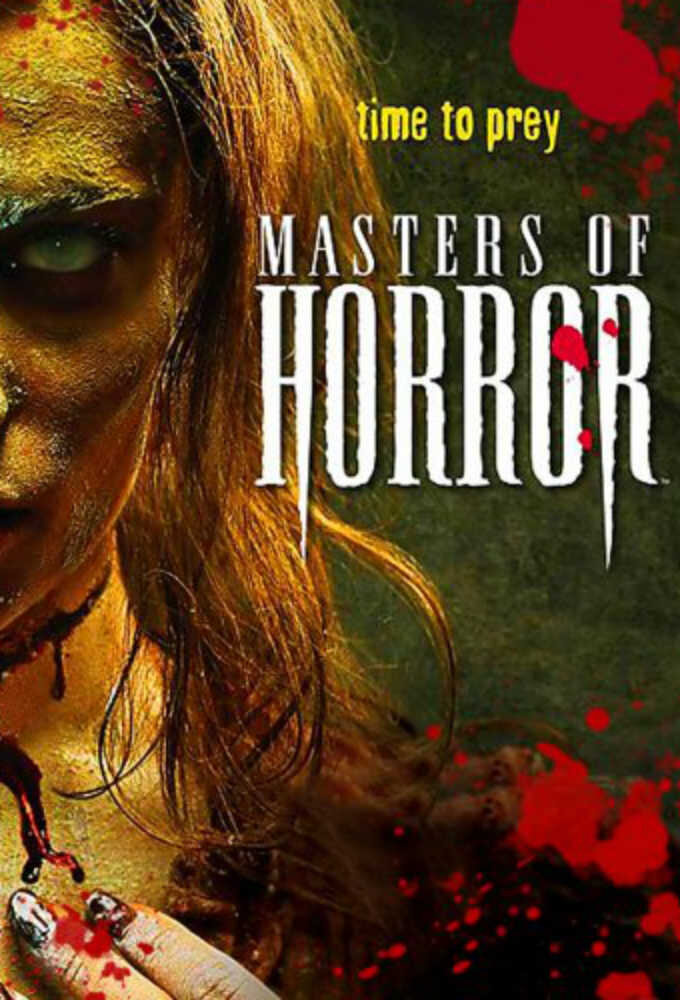
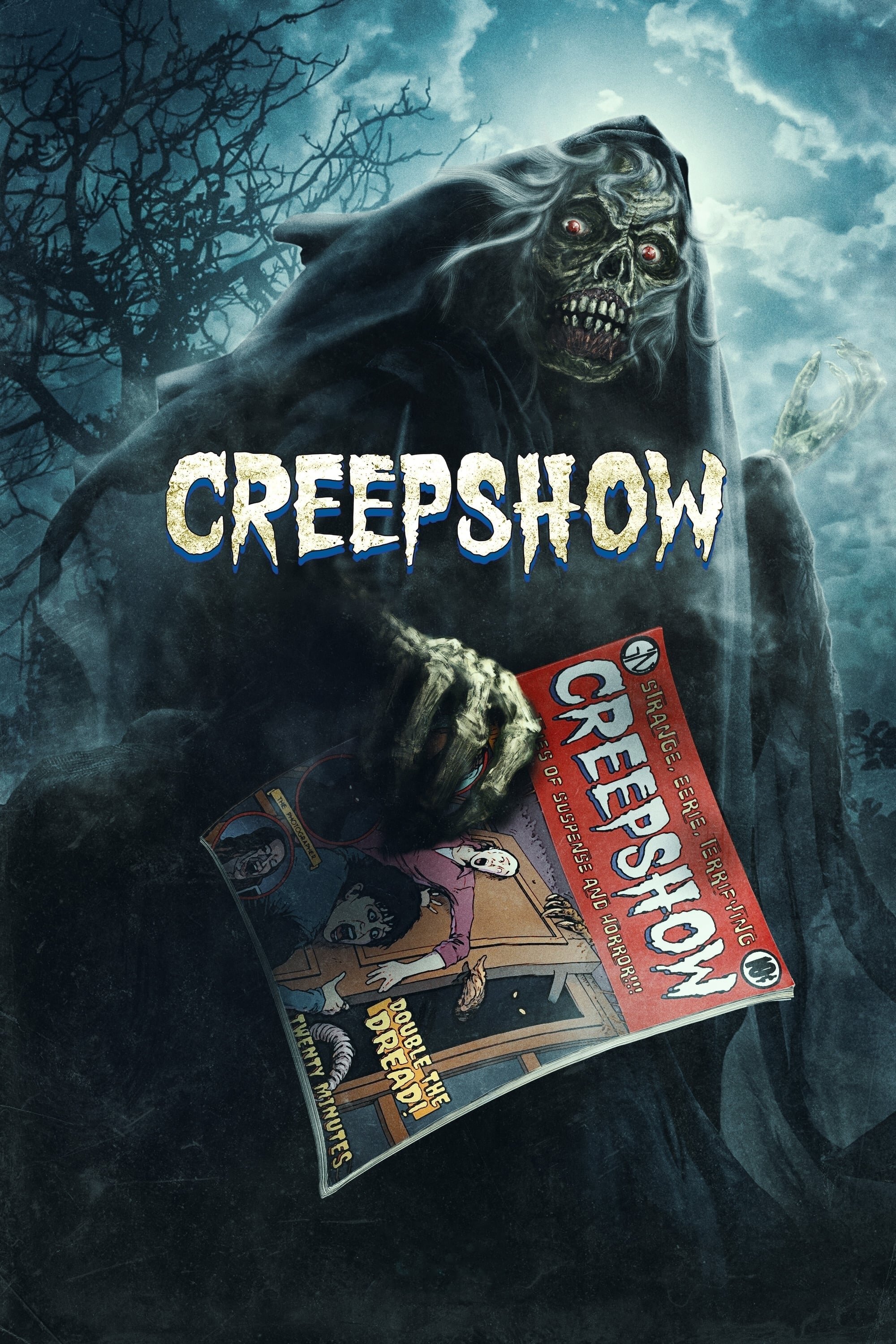
Creepshow2019
Loving homage to the 1982 film, with comic-book framing and real fondness for pulp horror. Modern budget means the scares actually land. Playful without being arch. Great ensemble cast across episodes.
But If you haven't seen the original, some of the reverence might feel unearned. Tone can veer too cutesy for serious horror fans.
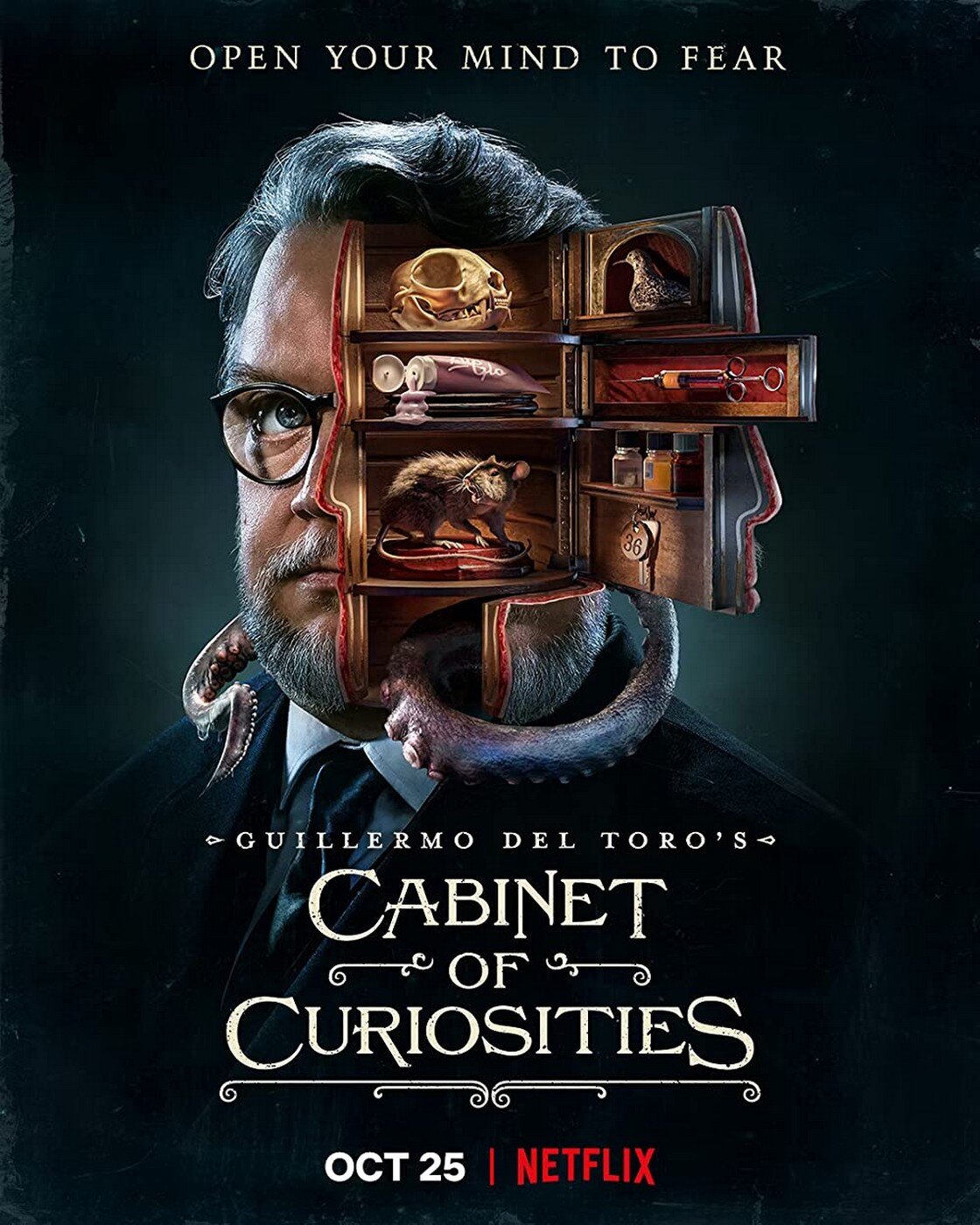
Guillermo del Toro's Cabinet of Curiosities2022
Eight beautifully crafted horror stories from a genuine auteur. Visually sumptuous, often tragic rather than jump-scary. Each episode feels like a dark fairy tale. Del Toro's sensibility is everywhere—melancholy, grotesque, humane.
But Deliberately paced and atmospheric; not for anyone wanting constant momentum. Some stories are more sad than frightening.
Fear Itself2008
Dark, nasty anthology with real teeth. Episodes often subvert what you expect from horror tropes. The best ones linger uncomfortably. Production design is thoughtful and often eerie.
But Forgettable at times. Some episodes feel padded or conceptually thin. Never quite reaches the heights it's reaching for.
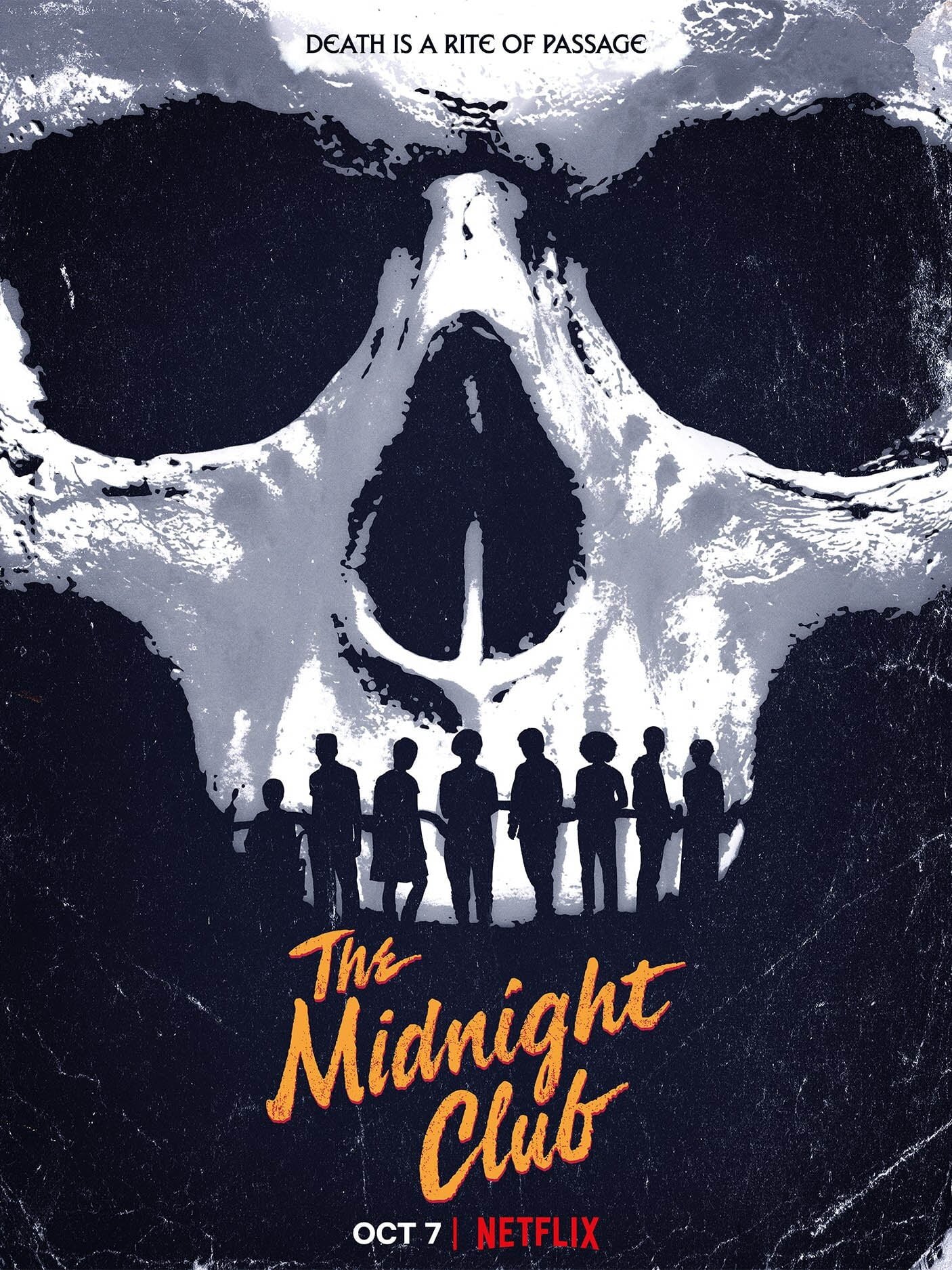
The Midnight Club2022
Haunted hotel with a frame story that actually justifies the anthology format. Visually striking, with genuine character investment. Stories nest inside each other in satisfying ways. Smart writing about storytelling itself.
But Frame narrative can feel contrived. Some viewers find it drags before payoff. Not pure anthology—requires watching in order.
Barnwood Builders2013
Ukrainian horror anthology with a haunted forest setting. Atmospheric, folkloric, visually distinctive. Stories feel lived-in rather than assembled. Fresh perspective on horror tropes. Moodier and stranger than American alternatives.
But Subtitles required if you don't speak Ukrainian. Pacing is deliberate to the point of slow. Less familiar cultural references may not land.
Mulholland Drive2001
Both use episodic or fractured storytelling to create dread, but Lynch uses formal fragmentation itself as the horror, whereas AHS uses it as a delivery method.
David Lynch's labyrinthine, dreamlike nightmare about Hollywood. Not conventionally scary, but genuinely horrifying in its abstraction and its implications. A masterpiece that reveals new layers on repeat viewing. Utterly unique.
But Three-hour runtime. Deliberately obtuse—if you want answers, you won't get them. Requires active, patient engagement. Lynch is not for everyone.

The Wailing2016
Both are episodic collections of events that layer dread through repetition and variation, but The Wailing trusts silence and uncertainty where AHS reaches for spectacle.
South Korean horror that slowly metastasizes from village mystery into theological crisis. Methodical, terrifying, morally complex. Beautiful cinematography that makes evil look seductive. One of the greatest horror films ever made.
But Two hours forty minutes of accumulation with no easy answers. Subtitles. Requires investment and interpretation. The ambiguity frustrates viewers who want resolution.

People
Writing
- Brad FalchukCreator
- Ryan MurphyCreator
Production
- Genevieve FontaineAssociate Producer
- Tanase PopaCo-Executive Producer
- Melissa JonesCo-Producer
- Alexis Martin WoodallExecutive Producer
- Brad FalchukExecutive Producer
- John J. GrayExecutive Producer
- Manny CotoExecutive Producer
- Ryan MurphyExecutive Producer
- Eryn Krueger MekashProducer
- Lou EyrichProducer
- Reilly SmithProducer
- Susan V. McConnellProducer
- Todd KubrakProducer
- Todd NenningerProducer