
Film
Livid
A French supernatural horror film about three young people who break into an elderly woman's house hunting treasure, only to find something far worse waiting in the dark. It's slow-burn dread cinema—more unsettling than jump-scary, built on mood and the feeling that the rules of reality are quietly breaking down. For patient viewers who want to feel genuinely disturbed.
If you liked this
The Wailing2016
A Korean horror masterpiece about investigating a mysterious illness in a remote village. Like Livid, it builds supernatural terror through atmosphere and moral ambiguity, refusing easy answers about good and evil.
But Nearly three hours long, deliberately enigmatic, and the ending will frustrate you if you need closure. Some find it slow.

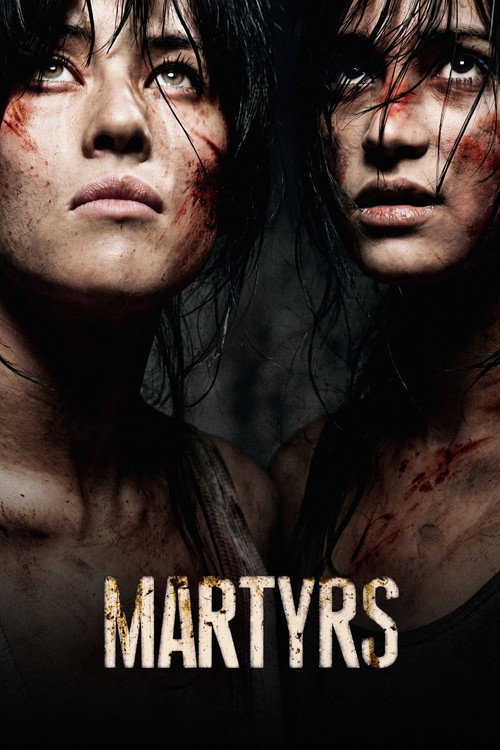
Martyrs2008
French extreme horror that escalates from home invasion into something metaphysical and genuinely philosophical. It shares Livid's willingness to disturb rather than entertain, and its unflinching commitment to its own logic.
But Extremely graphic violence and suffering. This is not a film for casual viewing—it demands endurance and emotional stamina.
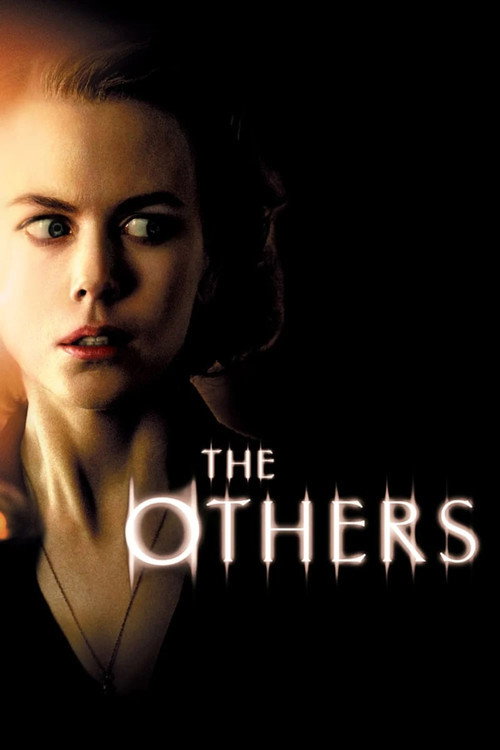
The Others2001
Atmospheric supernatural mystery where the dread comes from not understanding what's happening, then understanding it completely. Like Livid, it trusts the audience and lets unease accumulate through suggestion.
But The twist is famous now. If you know it, the film loses its primary engine. Also slower than modern horror expects.
Not sure tonight? Get a pick in a minute, starting from Livid
The wildcard
Something you would not have found on your own.
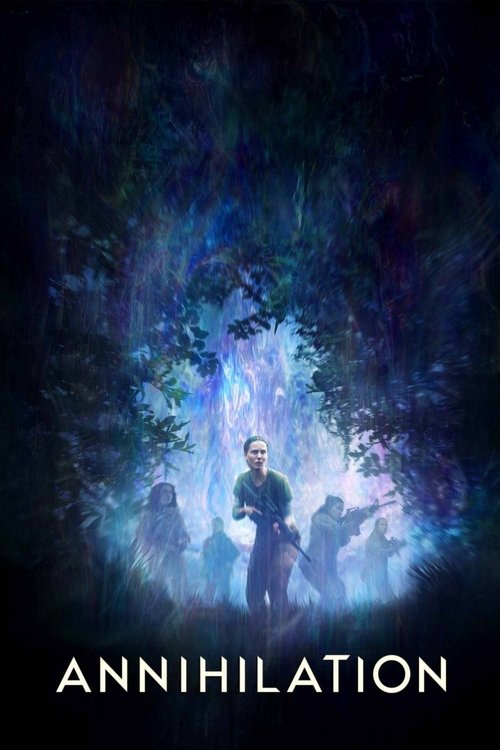
Annihilation2018
Both use enclosed spaces and visual/narrative distortion to explore the breakdown of reality and reason. Both are patient films that trust the audience.
Science fiction horror about a zone where physics and biology stop making sense. Like Livid, it uses an enclosed space and visual distortion to create dread that's almost metaphysical. Both films are more interested in wrongness than explanations.
But The third act becomes abstract and symbolic. If you need concrete answers, it will feel unresolved and frustrating.
More like this (8)
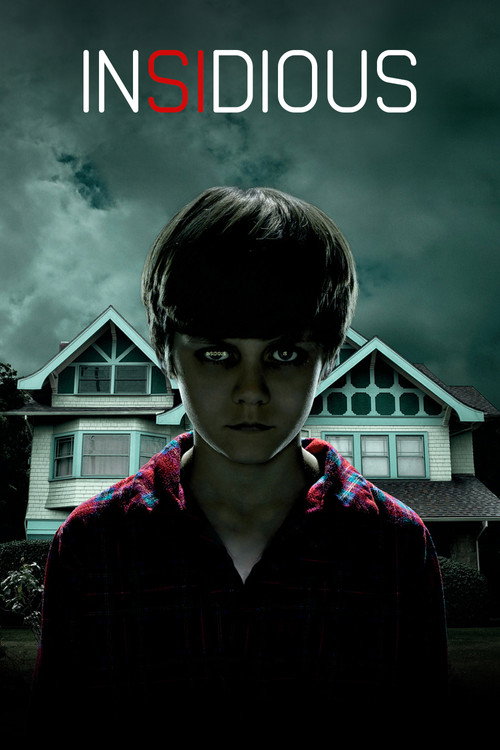
Insidious2011
A masterclass in building escalating dread through sound design and blocking rather than gore. Shares Livid's French sensibility about space and geometry as sources of wrongness.
But The second half descends into more conventional haunted-house beats. Some find the rules of the supernatural world too schematic.
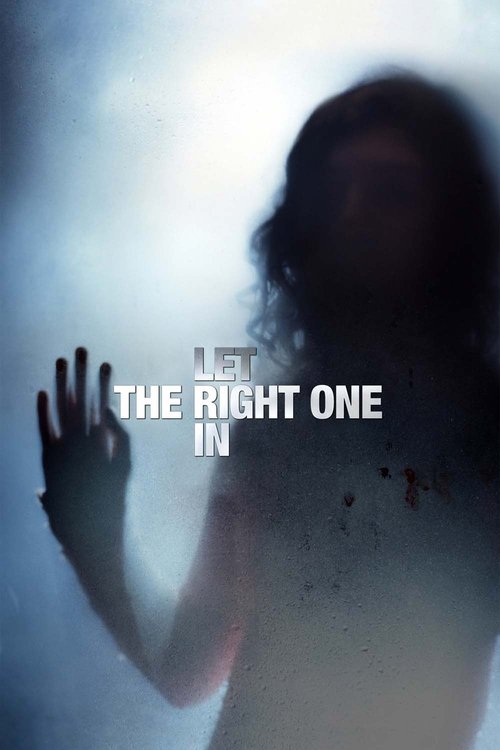
Let the Right One In2008
Swedish vampire film that uses supernatural horror to explore childhood vulnerability and connection. Quiet, precise, and deeply sad—it shares Livid's refusal to be reassuring.
But Minimal plot momentum; it's character-driven, not plot-driven. The ending is bleak and offers no real resolution.
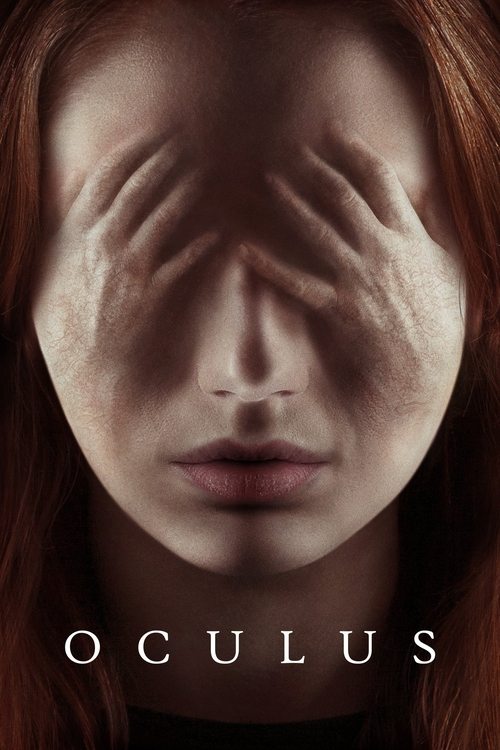
Oculus2014
Intelligent horror about reality destabilizing through a supernatural object. Like Livid, it's interested in how horror corrupts perception and trust, building its scares from confusion rather than jump-cuts.
But The non-linear timeline is deliberately disorienting. Some viewers find it manipulative rather than scary.
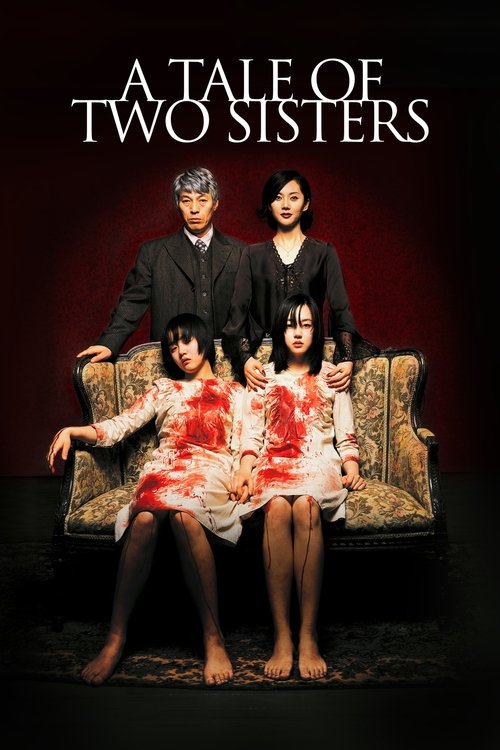
A Tale of Two Sisters2003
A South Korean horror film that unfolds like a fever dream, where the supernatural and psychological interweave. It shares Livid's visual sophistication and willingness to leave viewers unsettled rather than satisfied.
But Deliberately vague and surreal. If you watch it expecting clarity about what's 'really' happening, you'll leave frustrated.
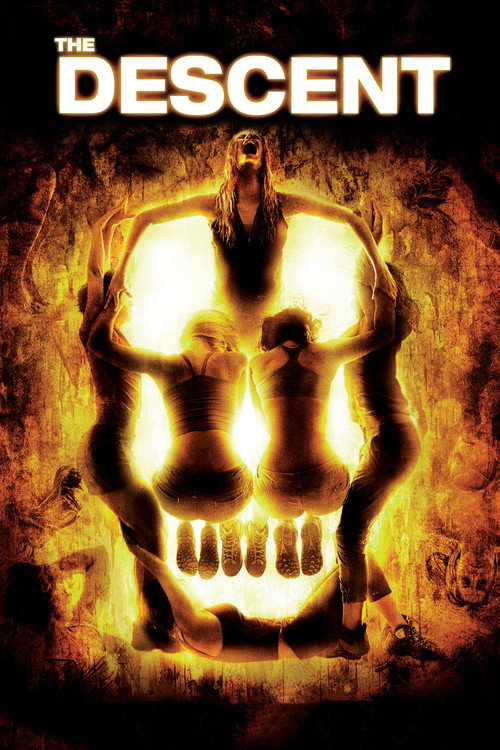
The Descent2005
British horror that traps you in a claustrophobic nightmare and won't let you out. Like Livid, it uses space itself as a source of terror, and it commits to its own brutal logic.
But Genuinely grotesque and violent. The creatures are visceral, and the film has no interest in mercy.
Mulholland Drive2001
Lynchian mystery-horror about Los Angeles that destabilizes narrative and reality itself. Shares Livid's commitment to mood over plot and its belief that cinema can be genuinely unsettling without monsters.
But Nearly three hours, deliberately non-linear, and refuses to explain itself. This requires active interpretation and tolerance for ambiguity.

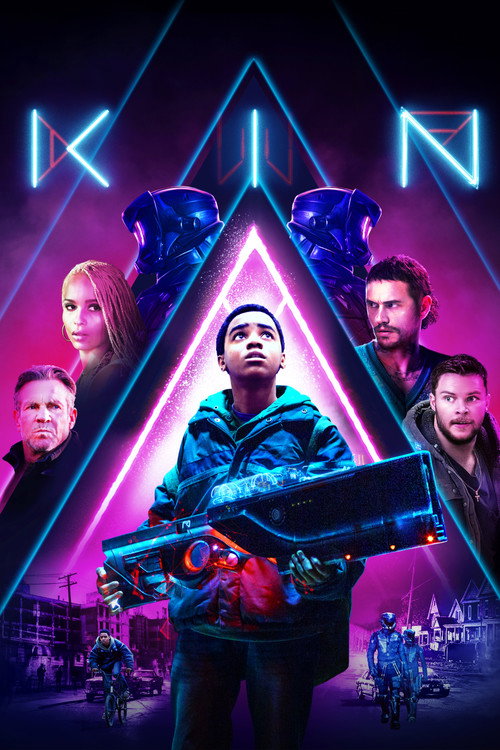
Kin2018
Both are formally adventurous European-influenced films that refuse genre convention. Both ask viewers to sit with discomfort rather than resolve it.
A sci-fi indie about two brothers and an alien weapon that becomes darkly, deeply weird. It's formally inventive and genuinely unsettling in ways that feel fresh. Less horror than Livid, but similar commitment to mood and strangeness over commercial formula.
But Tonally inconsistent—it shifts between intimate family drama and cosmic weirdness in ways that can feel jarring rather than integrated.
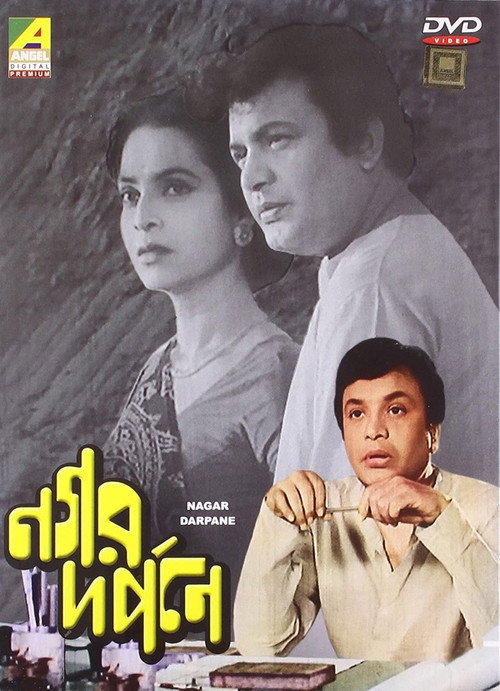
In the Mirror of the City1975
Both films trust visual language and atmosphere to create unease. Both deliberately reject narrative clarity. Both ask what cinema can do beyond telling stories.
Tarkovsky's experimental masterpiece about memory and time, constructed like a dream where objective reality dissolves. Not horror, but shares Livid's commitment to creating genuine disorientation through visual language rather than plot.
But Barely a narrative. It's a seventy-minute poem made of images. Requires patience, multiple viewings, and acceptance that understanding is not the point.
People
Cast
 Chloé CoulloudLucie
 Félix MoatiWilliam
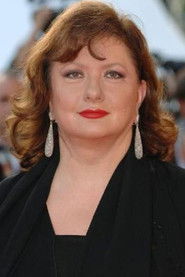 Catherine JacobWilson
 Marie-Claude PietragallaJessel
- Chloé MarcqAnna
 Béatrice DalleLucie's Mother
- Joël CudennecAndré Marchal
 Sabine LondaultMaddy
- Serge CabonM. Kerrien, le père de William
- Nathalie PreslesLa mère de Ben et William
- Adèle FousseCatherine Wilson adolescente
Directing
- Gaultier MermetAssistant Director
- Alexandre BustilloDirector
- Julien MauryDirector
- Léonard GuillainFirst Assistant Director
- Ludivine DoazanScript Supervisor
- Brice CoustilletSecond Assistant Director
Writing
- Alexandre BustilloWriter
- Julien MauryWriter
Production
- Arthur MorinAssistant Unit Manager
- Jean-Baptiste FauchardAssistant Unit Manager
- Xavier LeprinceAssistant Unit Manager
- Thierry DesmichelleCo-Producer
- Manon PoudoulecExtras Casting
- Franck RibièreProducer
- Vérane FrédianiProducer
- Loïc BerthézèneProduction Manager
- Géraldine PolveroniProduction Supervisor
- Vincent BrançonSupervising Producer