
Film
The Baby's Room
- Horror
- Psychological thriller
- Mystery
- Very dark
A Spanish horror film that treats home-invasion paranoia with surgical precision. A young couple in a sprawling house discovers something impossible on their baby monitor: a stranger in the nursery. What unfolds is a taut, escalating nightmare that weaponizes surveillance technology and parental vulnerability. For those who find psychological dread more effective than gore.
Should you watch it?
Watch it if you like slow-building Spanish horror where dread comes from ordinary domestic routines and a house that feels wrong, rather than from jump scares or gore.
Skip it if you want fast pacing or a lot of action; the film stays patient and quiet for long stretches, and its unease is a slow simmer rather than a series of shocks.
What it asks of you: It runs about eighty minutes and asks you to sit with small details and long silences, letting tension gather in corners of an old house before anything openly happens.
Not sure? Find tonight's pick in a minute.
If you liked this
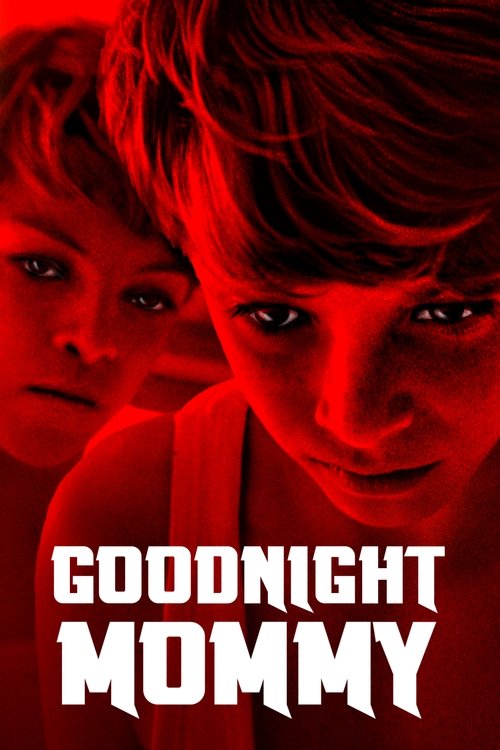
Goodnight Mommy2015
Austrian horror that similarly weaponizes domestic space and parental trust, building dread through what you can't quite see. Deeply unsettling without relying on jump scares.
But The violence is directed at children, which will disturb some viewers more than supernatural threats would. It's punishing rather than fun.
The Wailing2016
Korean masterpiece about paranoia infecting a community. Like The Baby's Room, it refuses easy answers and makes the mystery of what's real more terrifying than any reveal could be.
But Nearly three hours, deliberately paced, and the ending invites argument rather than closure. Demands active interpretation.

Funny Games2008
Haneke's home-invasion chamber piece treats violence with the same clinical precision, examining how we watch suffering. Shares the suffocating intimacy of strangers in your private space.
But It's aggressively unpleasant by design—meta, confrontational, and hostile to audience comfort. Not cathartic or escapist.

Not sure tonight? Get a pick in a minute, starting from The Baby's Room
The wildcard
Something you would not have found on your own.
Martyrs2008
Both distrust conventional morality and comfortable viewing; both use intimate spaces to interrogate what we deserve and what we fear.
French New Extremity horror that shares The Baby's Room's willingness to sit with suffering without flinching. Both films refuse to look away or offer comfort, using domestic space as philosophical crucible rather than just a setting.
But Graphic and transgressive in ways that shock some viewers into dismissing it. The ideas matter more than the plot, which can read as thin if you're not meeting it philosophically.

More like this (8)
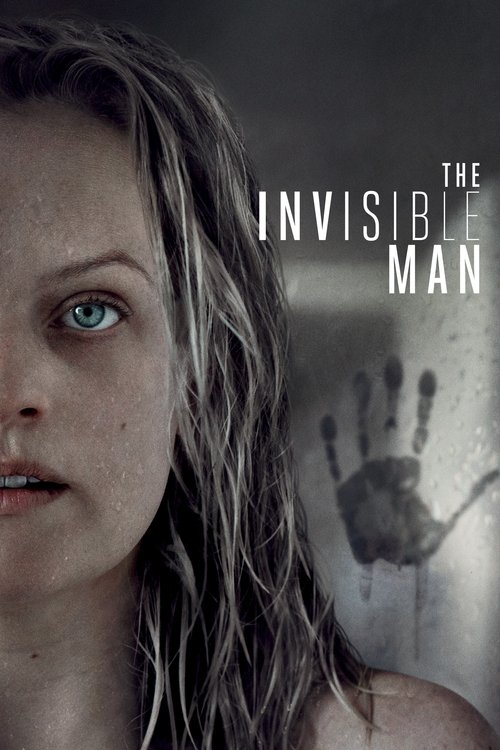
The Invisible Man2020
Leigh Whannell's update captures that same surveillance-horror pitch: the terror of being watched in your own home by something you can't see. Builds dread through negative space.
But More action-driven and empowering than The Baby's Room. If you want ambiguity and creeping dread, this resolves into something more conventional.
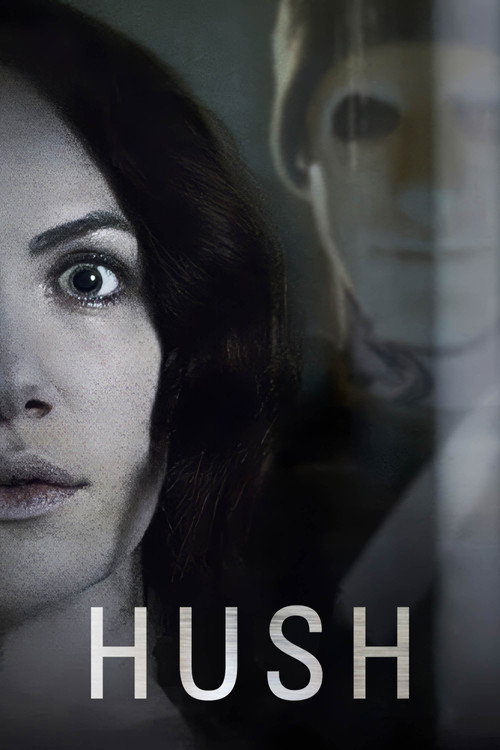
Hush2016
A deaf woman alone in her house becomes prey. Stripped-down, intelligent home-invasion thriller that maximizes suspense through constraint rather than spectacle.
But The premise could be read as exploitative, and it's more survival-thriller than psychological horror. Doesn't have the uncanny quality of The Baby's Room.
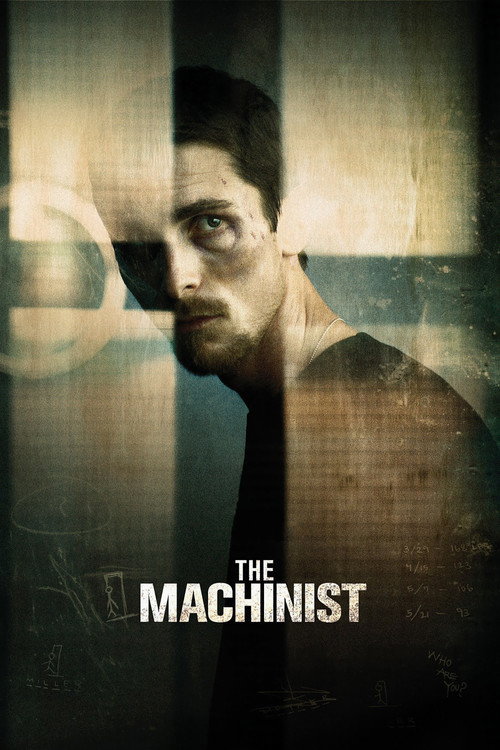
The Machinist2004
Christian Bale in a fever dream of paranoia and guilt. Like The Baby's Room, it uses domestic space and surveillance as extensions of psychological torment rather than mere plot devices.
But Bleak and repetitive by nature. The protagonist's self-destruction can feel endless rather than purposeful. Bale's extreme physical state is hard to watch.
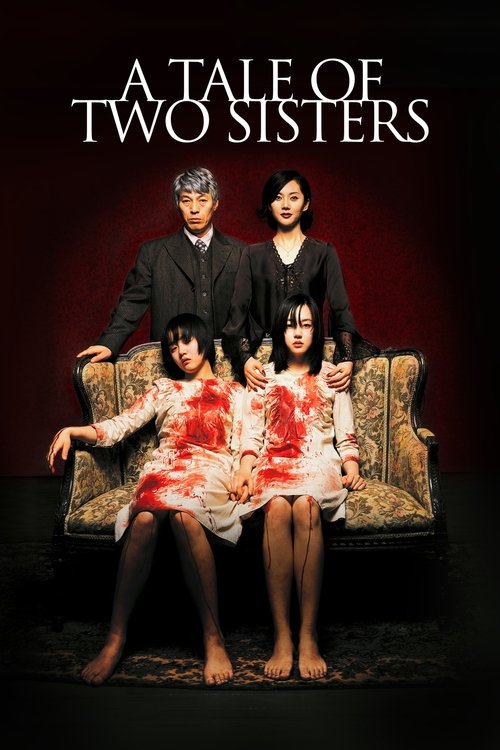
A Tale of Two Sisters2003
Korean horror that builds terror through fractured perception and what you misunderstand about your own home. The unseen threat is often worse than revealed ones.
But The ending recontextualizes everything in ways some find gimmicky. Visual beauty can overshadow horror elements for those seeking straightforward scares.
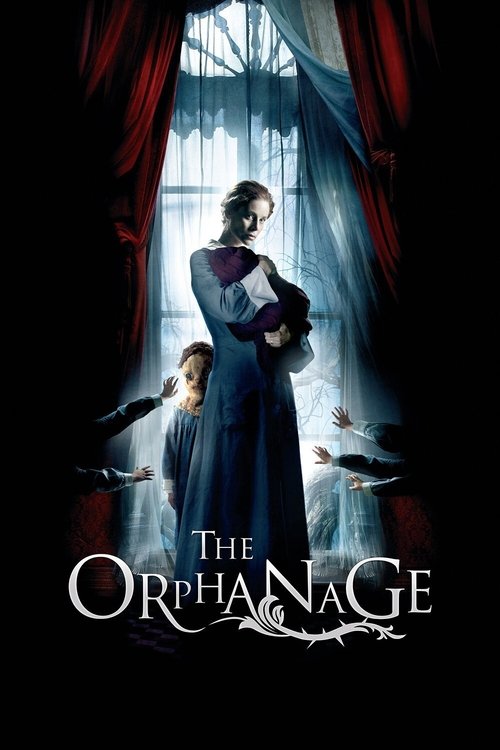
The Orphanage2007
Spanish gothic horror about a woman renovating her childhood home. Shares that European sensibility—psychological depth over gore, atmosphere over action.
But Plays some story beats quite straight. If you've seen a lot of haunted-house films, the mechanics will feel familiar even if the execution is solid.
Oculus2014
Mike Flanagan's meditation on how we trust our own perception. Uses mirrors and surveillance as structural mirrors to the audience's experience. Clever architecture.
But The non-linear narrative can feel more clever than scary. If you prefer straightforward tension, the formal games might frustrate rather than enhance.

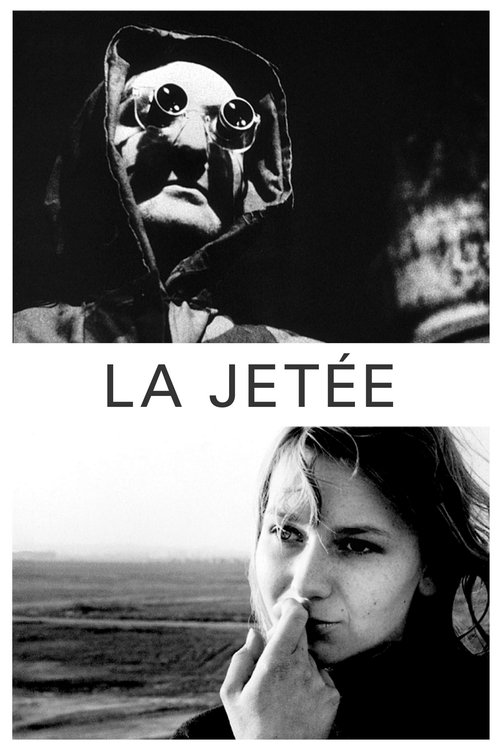
La Jetée1962
Both use surveillance (monitors/photography) as a gateway to dread. Both suggest that watching itself changes reality in ways we don't control.
Chris Marker's 28-minute essay-film uses still photography and voiceover to build temporal horror more unsettling than any narrative film. Scientific obsession eroding the domestic sanctuary.
But A moving image film that's almost entirely static images. If you need conventional storytelling, its experimental form will feel inaccessible.
Raw2017
Both pit the domestic and familial against something primal and unstoppable. Both suggest that threat can emerge from inside the home rather than outside it.
French-Belgian body-horror film about a vegetarian girl who develops an appetite for flesh. Transgressive and visceral where The Baby's Room is psychological, but both examine how the intimate becomes monstrous.
But Extremely graphic sexual and violent content. The horror comes from bodily violation, which makes some viewers recoil entirely rather than reflect.

People
Cast
 Javier GutiérrezJuan
 Leonor WatlingSonia
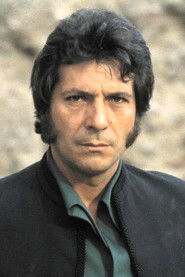 Sancho GraciaDomingo
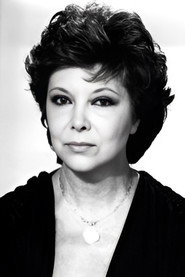 María AsquerinoMaría
 Antonio DechentFernández
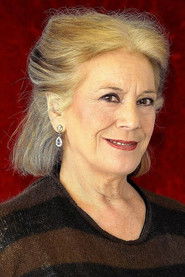 Terele PávezDomingo's Wife
 Ramón BareaMarcos
 Eulalia RamónTeresa
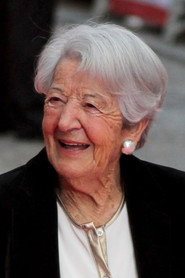 Asunción BalaguerOld Woman
 Manuel TallaféGarcía
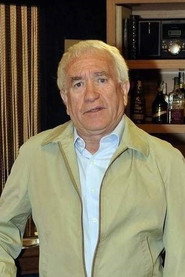 Cesáreo EstébanezMartí
 Gracia OlayoNurse
Directing
- Rodrigo SanchoAssistant Director
- Álex de la IglesiaDirector
- Juan RuedaScript Coordinator
- Domingo GonzálezScript Supervisor
- Luis MorenoSecond Assistant Director
Writing
- Álex de la IglesiaScreenplay
- Jorge GuerricaechevarríaScreenplay
Production
- Amaya DíezCasting
- Mamen MoyaCasting
- Belén AtienzaDelegated Producer
- Elena ManriqueDelegated Producer
- Aitor MontánchezExecutive Producer
- Carlos FernándezExecutive Producer
- Santiago GimenoExecutive Producer
- Rafael López de la ManzanaraLocation Manager
- Álvaro AugustínProducer
- Julio FernándezProducer
- Félix RodríguezProduction Director
- David JareñoProduction Manager